Blog
Rescuing wildlife against all odds
Read more12 surprising facts about animal welfare and conservation
Did you know that there are more tigers in cages in the US than roam freely in the wild? Or that there are only two white rhinos left on Earth, both of which are female? Read on to learn some shocking—and less surprising, but equally important—facts to learn more about wildlife conservation and animal welfare.
At IFAW, we take our role seriously as a conservation and rescue organisation with a commitment to animal welfare. We not only support the rescue and rehabilitation of individual animals around the world, but we also help local communities, companies, governments, and law enforcement track and shut down cruel practices like poaching and wildlife trafficking, too. Our mission is to create a future where animals and people can thrive together. And we are determined to make it a reality.
Here, we look at 20 of the most important facts you may not know about animal welfare and conservation in 2025.
Animal welfare refers specifically to the well-being of individual animals, while conservation refers to protection of wildlife and natural habitats. Animal welfare covers subjects ranging from how human activities like whaling, fishing, or the exotic pet trade impact the health and safety of wildlife to how domesticated animals are treated in areas such as farming and scientific research.
Incorporating animal welfare into conservation efforts is critical for a future in which wild animal species can thrive. It’s a relatively new consideration, sometimes referred to as ‘conservation welfare’.
At IFAW, we believe every individual animal matters. Not only is every animal important to the survival of their species from a conservation perspective, but we also believe that humans have a moral imperative to act as stewards of the natural world, protecting the welfare of the species that share our planet. This is why we combat practices like commercial whaling—a cruel, inhumane, and unnecessary industry that hurts whales and harms ecosystems. It is also critical, when we are saving the lives of animals, that we ensure they have a safe place in the wild to live, which is why we also work to reduce vessel strikes on whales and other marine animals—so they can safely navigate the waters.
From lions to tigers to leopards, 10,000 big cats are kept for a variety of cruel purposes in the US, including as pets and for entertainment. In these situations, these wild animals are rarely cared for properly and usually lack the space they need to thrive.
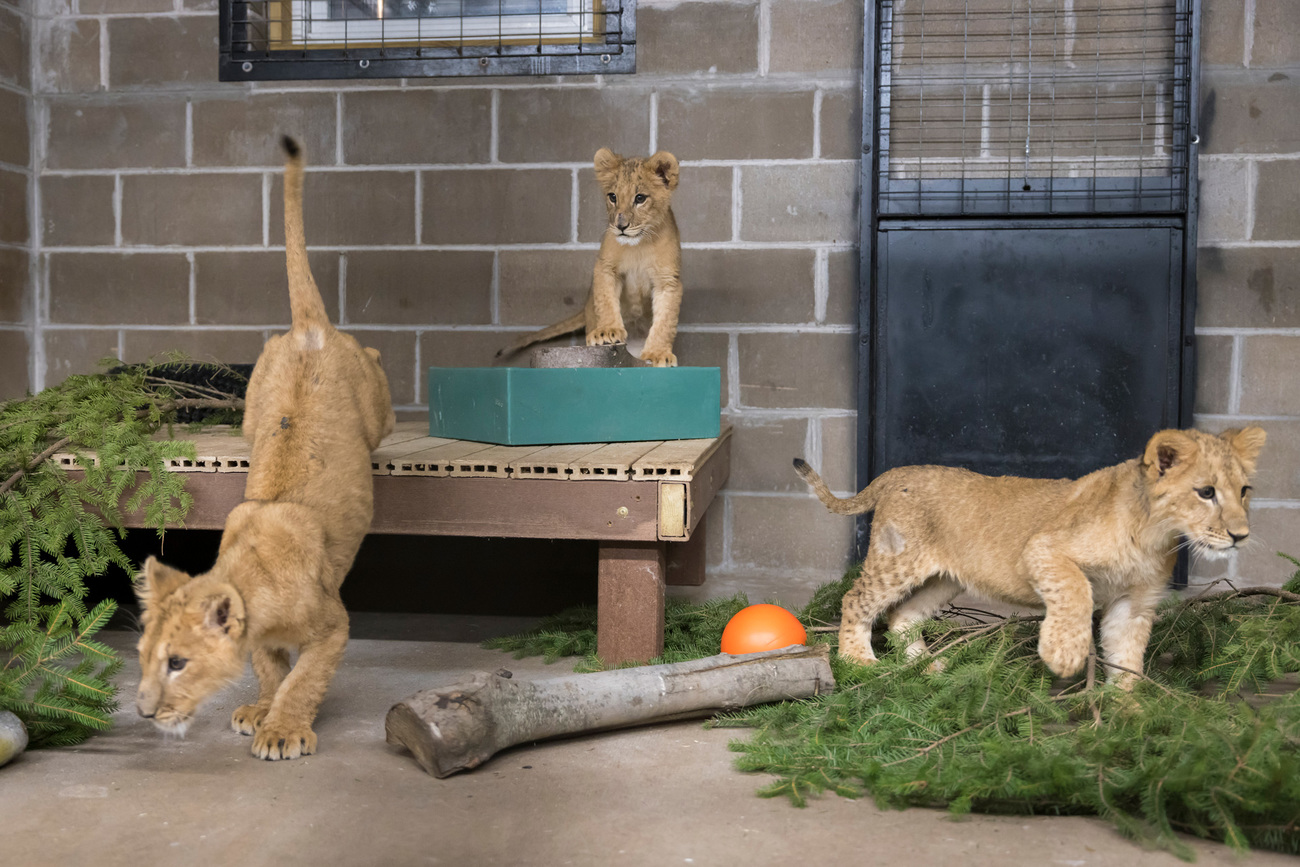
This issue particularly affects tigers, with an estimated 5,000 to 7,000 tigers held in cages. In fact, there may be more caged tigers across the US than in the wild globally.
To help protect these animals, we established the Big Cat Sanctuary Alliance (BCSA) in 2017, a network of sanctuaries that cooperate to ensure that captive cats have a safe place to go when they are rescued. At the federal policy level, we also worked to pass the Big Cat Public Safety Act. This legislation, signed into law in December 2022, made private ownership of big cats and physical contact between the public and captive big cats illegal.
A study has revealed that, of the 20,784 species identified by the International Union for Conservation of Nature (IUCN) as threatened with extinction, more than 88% were impacted by habitat destruction, more than 26% by exploitation, 25% by invasive species, more than 18% by pollution, and nearly 17% by climate change.
Around one million animals and plant species are facing extinction, which is at the most it has ever been in human history.
IFAW’s Room to Roam initiative helps secure safe corridors for wildlife, allows communities to coexist with animals, and prevents further human encroachment into natural habitats. We also work to restore degraded habitats, such as in Australia after Black Summer decimated the landscape.
Wildlife trafficking is essentially a massive network of internationally organized crime. The demand for live animals and animal products hastens biodiversity loss and puts many species at risk of extinction, as well as subjecting animals to horrific conditions and death.
Poached from their wild habitat, trafficked animals are often transported in cruel, cramped cages that cause great distress and promote the spread of diseases. Turtles, for example, are taped into their shells and shoved into socks with other turtles, while songbirds and parrots are stuffed into hair curlers and other small objects, unable to move, with no food or water. Many don’t survive the journey.
At IFAW, we’re working to end wildlife trafficking. We’re supporting ranger teams to stop poaching at its source and training law enforcement to safely handle live animals seized in trade. We’re designing public awareness and behavioral change campaigns to reduce the demand for live wild animals and wild animal parts. We’re working with companies to disrupt wildlife cybercrime on their websites. We’re also working with governments and global organizations to create laws that protect wildlife in poaching hotspots and trafficking hubs.
Rhino horns are in high demand for traditional medicines in various parts of the world. Because of rampant poaching, in 2025, there are only two northern white rhinos remaining in the world—both of which are females. There is some hope for the subspecies, as scientists are working to implant northern white rhino embryos, made from sperm saved from deceased male rhinos, in a southern white rhino surrogate mother.
To help other rhino species from a similar fate, we work on the ground to support rangers, who combat poaching, and to restore the rhino population in India’s Manas National Park.
Killed primarily for their ivory, 90% of African elephants have lost their lives to poachers. The survival of African elephants is also threatened by habitat loss and human-wildlife conflict.
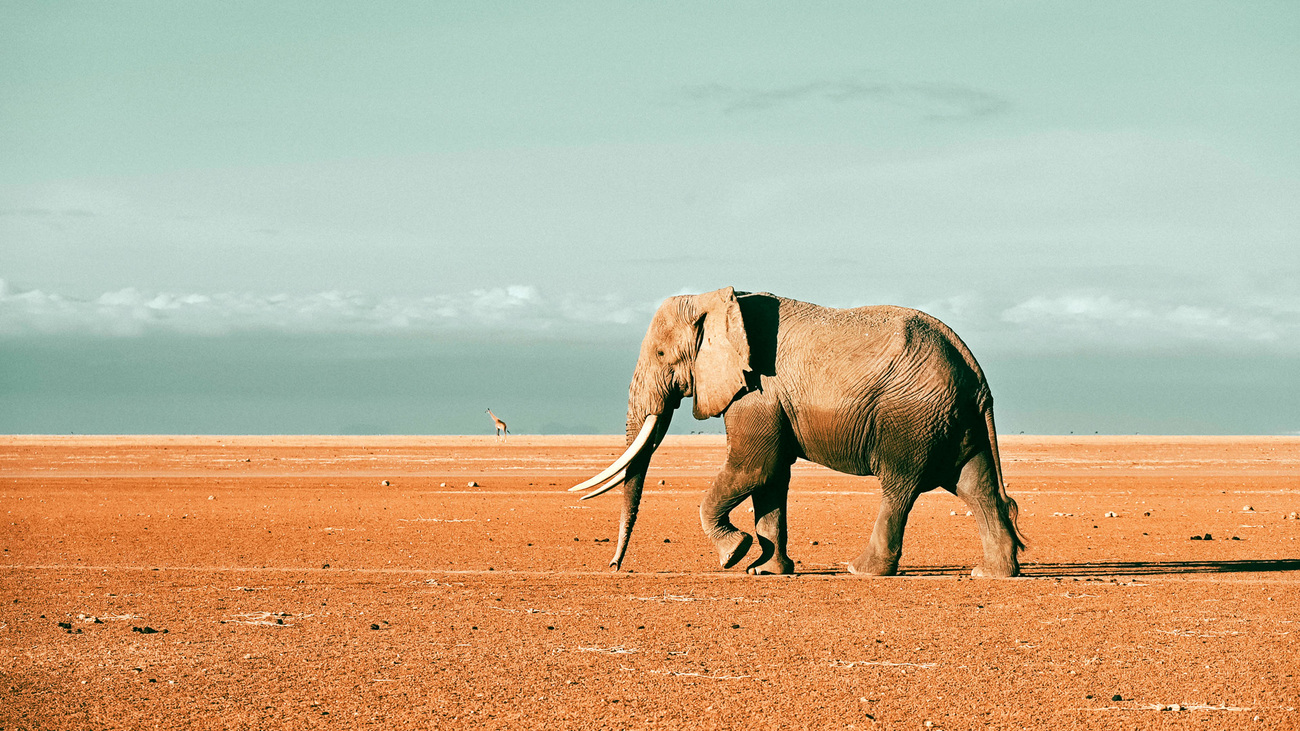
At IFAW, we’re working to break every link in the ivory trade chain, from poaching to trafficking to demand. We’ve been conducting ivory demand reduction campaigns in China since 2007 and were instrumental in getting China to shut down its domestic ivory market with the banning of commercial ivory processing and sales.
We also successfully pushed for elephants and all other species targeted in the ivory trade to be protected under Appendix I of CITES. In France, we launched the ‘I’m Surrendering My Ivory’ campaign, leading to hundreds of pieces of ivory being surrendered or seized by IFAW in 2016. In November 2023, we also organized a large-scale ivory destruction operation in collaboration with the OFB. We’ve also led ivory surrendering campaigns in the US and UK.
National governments around the world engage in and condone practices that can be incredibly cruel to animals and are often completely unnecessary, such as commercial whaling being allowed in Iceland, Japan, and Norway. Here are just a few examples.
United States
Claiming it prevents conflict with livestock and people, the US government killed more than 375,000 native animals in 2023. The US Department of Agriculture’s Wildlife Services targets wolves, coyotes, cougars, birds, as well as other wild animals to benefit the agricultural industry.
The federal wildlife-killing program’s data reveals that in 2023, they intentionally killed 305 grey wolves, 68,562 coyotes, 430 black bears, 235 mountain lions, 469 bobcats, 2,122 red and grey foxes, and 24,603 beavers. In the same year, they reported unintentionally killing almost 2,500 animals, including 658 river otters and 428 turtles, a federally-protected golden eagle, as well as cats and dogs.
It’s estimated that the actual figures for the number of wild animals exterminated by this agency are in fact much higher than those reported. It has also been accused of abuses, including instances of animal cruelty and accidental killing of endangered species due to indiscriminate killing practices. Research has shown such culling tactics to be ineffective and based on false portrayals of wildlife as threats.
IFAW has worked to end the inhumane killing of animals by banning M-44 cyanide ejectors, known as ‘cyanide bombs’, in the US.
Canada
The Canadian government allows the use of the deadly chemical Compound 1080 to control wolf, bear, and coyote populations in Alberta. The indiscriminate use of these poisons leads to wildlife (including non-target species) and dogs ingesting the compounds and suffering incredibly painful and inhumane deaths.
While our work with Canadian MP Len Webber helped end the use of sodium cyanide in 2021 and our letters to the Canadian government led to a ban on strychnine in 2023, we continue to engage with the Government of Canada to end the use of all cruel poisons that cause wildlife to suffer.
Canada’s ongoing commercial seal hunt is still taking place in 2025. Originally put in place to protect cod populations from harp seals, despite there being no evidence that harp seals negatively impact cod populations, the commercial seal hunt is an extraordinarily cruel practice that has no scientific justification.
IFAW was founded in 1969 with the mission of ending the commercial seal hunt. We continue encouraging Canada to follow scientific evidence rather than give in to pressure from fisheries, who incorrectly blame seals for declining fish populations.
Up to 26 million tons of IUU fish are caught each year, valued at US $10 to $23 billion. IUU fishing practices—also known as pirate fishing—damage the seabed and smother coral reefs. They also result in bycatch of unwanted fish and marine animals, such as endangered dolphins, whales, sharks, and sea turtles.
IFAW has worked to protect sharks and rays from trade through advocacy and trainings to help officials identify illegally traded species. In the Bay of Biscay in France, we’ve successfully advocated for fishing closures, which have helped prevent bycatch of dolphins. In Kenya, we’ve been working with communities to prevent illegal fishing, develop sustainable livelihoods, and protect marine life.
The dramatic increase in underwater noise pollution due to ships and other vessels has harmed marine animals, many of which depend on sound to find food, communicate, and navigate. Blue whales could once communicate across thousands of miles. Now, that distance has fallen by 90%.
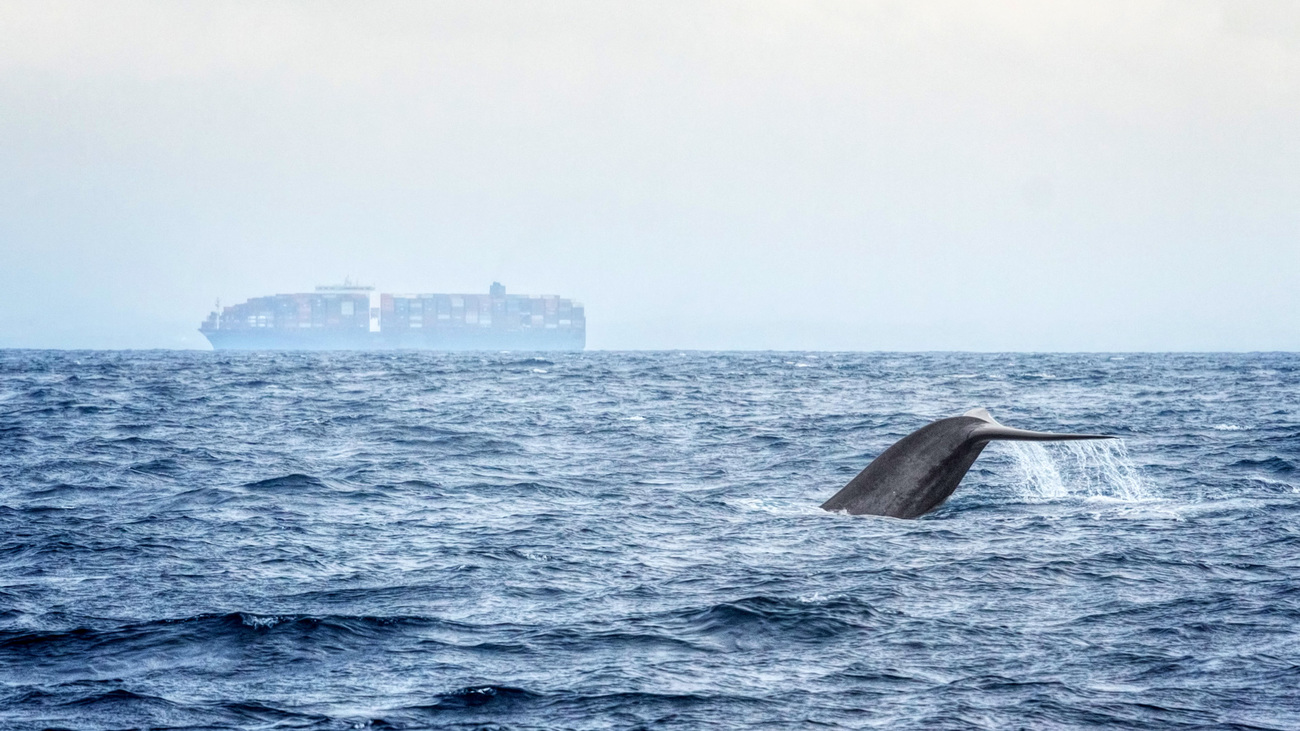
To help reduce ocean noise pollution and protect whales, IFAW collaborates with shipping companies, ports, and the International Maritime Organization’s Marine Environment Protection Committee to slow ships. With this simple change, we can help reduce underwater noise pollution, the risk of collisions with whales, and harmful greenhouse gas emissions.
Unfortunately, North Atlantic right whales have continually been subjected to injuries and death, primarily as a result of vessel strikes and entanglements at the hands of humans. As a result, in 2025, only about 370 of these whales are left
This species got its name from being dubbed the ‘right whale’ to hunt. Commercial whaling—a cruel, inhumane practice that has caused many whales to suffer prolonged, painful deaths—decimated their population. Though right whales are no longer hunted, their numbers are still feeling the long-term effects, and they continue to be impacted by vessel strikes, entanglement in fishing gear, and ocean noise pollution.
To help protect North Atlantic right whales, IFAW supports the development of ropeless fishing gear, automatic identification systems (AIS), and smart buoy technology, helping to reduce entanglement risks. We’ve advocated for both the US and Canadian governments to implement vessel speed restrictions and reroute busy shipping lanes to combat both vessel strikes and ocean noise pollution.
Poaching is an incredibly cruel and harmful practice. One of the cruelest tactics employed by poachers is in the use of snares to trap animals. In some regions, like southern Africa, snares, often homemade from household objects, litter the countryside. These snares indiscriminately trap animals and lead to prolonged and agonizing deaths for those unlucky enough to be caught by them. Since snares are easy to make, hard to find, and offer little chance for an animal to escape once trapped, they are very difficult to combat and require a huge amount of time and resources to remove once placed.
Despite being an incredibly popular and growing sport, rodeo is extremely harmful to the animals involved. On top of placing animals in a stressful situation designed to provoke a reaction, organizers often use abusive practices—such as twisting the tails of bulls or shocking them with cattle prods—to upset the animals and get them ready to ‘perform’.
Many animals are forced to fight one another, usually to the death, with dogs and chickens (cockfighting) being some of the most common victims. Dog fights can last for one to two hours and leave the animals with severe physical and mental trauma.
Animal cruelty laws carry felony provisions in all 50 states in the US, as they do in many Latin American countries. Brazil, in particular, is set to introduce stricter penalties of up to 3 years in prison and fines of up to 20 times minimum wage.
Similarly, offenders face up to 5 years in prison under the Animal Welfare Act in the UK, and up to 3 years in prison and a €45,000 fine in France. In fact, most European countries have strict laws against animal cruelty and abuse with increasingly severe punishments. Croatia has recently raised the penalty to up to 2 years in prison, while Spain has increased their fines to up to €200,000. In Colombia, anti-cruelty laws provide equal protections for all animals, such as a ban on animal testing for cosmetics—a unique case among the many other countries that only have laws protecting certain animals. India has also banned animal testing for cosmetics and the import of cosmetic products that test on animals, becoming the first South Asian country to do so.
In April 2025, the U.S. Food and Drug Administration (FDA) announced a plan to phase out some animal testing requirements. In the UK, vertebrate animals will be recognized as sentient beings for the first time under the new Animal Welfare (Sentience) Bill, ensuring animal sentience is taken into account when developing policy across the government.
Sadly, several countries have yet to pass any laws against animal cruelty, or lack strict punishments to dissuade perpetrators.
IFAW is constantly striving to help rescue and protect animals around the world, as well as shut down cruel practices like poaching and wildlife trafficking.
IFAW works every day to improve animal welfare and conservation efforts for species around the world. Whether it’s raising awareness of human impact on animals or taking direct action to ensure that wildlife can peacefully coexist with people, we’re making a difference and having an impact.
At IFAW, we believe that individual animals matter—that’s why rescue and animal welfare are both integral to our conservation efforts. Learn more about how we are rescuing orphaned elephant calves, saving stranded rhinos, and combatting illegal wildlife trade to help animals like bonobos.
every problem has a solution, every solution needs support.
The problems we face are urgent, complicated, and resistant to change. Real solutions demand creativity, hard work, and involvement from people like you.
Unfortunately, the browser you use is outdated and does not allow you to display the site correctly. Please install any of the modern browsers, for example:
Google Chrome Firefox Safari