Press releases
WhaleAlert: the app to help to protect whales
Read moreWhat is Earth Day?
Earth Day is a grassroots initiative that has become the world’s largest secular holiday—around the world. Every year, Earth Day falls on 22 April.
So, what exactly is Earth Day, how did it start, and how can you get involved with Earth Day 2026? In this blog, we cover everything you need to know about Earth Day, and how you can celebrate this important holiday this year.
Earth Day has a somewhat unexpected origin. It all started with the publication of Rachel Carson’s environmental science classic Silent Spring in 1962. In her non-fiction masterpiece, Carson—a biologist and science writer—explored the harmful effects that pesticides were having on the environment, principally the pesticide dichlorodiphenyltrichloroethane (DDT).
Carson argued that pesticides should more accurately be called ‘biocides’ given that they do not exclusively target the pests they are intended to exterminate but instead have many negative downstream effects. Coupled with the fact that DDT is a known carcinogen—an agent capable of causing cancer—she argued for greater moderation and restrictions placed on its usage.
Silent Spring leveraged Carson’s extensive research and the growing body of scientific literature on the subject and advocated for a more controlled use—rather than an outright ban—of DDT. Despite this, Carson was lambasted by the chemical industry and labelled as an extremist whose ideas would do more harm than good.
However, an independent investigation ordered by US President John F. Kennedy backed up Carson’s claims and marked one of the first significant milestones towards a more environmentally conscious America.
Up to this point, the US had been using fossil fuels at an unprecedented level. Leaded gasoline was consumed at an alarming rate to power the ever-growing number of cars on American roads and its booming industry. Pollution was not yet seen as a bad thing—quite the opposite. A sky filled with black clouds and ever-present smog was viewed by many as a sign of a thriving and forward-looking economy.
However, following the publication of Silent Spring and an array of environmental disasters like the Santa Barbara oil spill and Cuyahoga River fire, Americans began to question the effects of pollution. For the first time, it was becoming clear that humans were affecting the environment—a fact that had gone unrecognised before then and is unfortunately still debated by some today.
In 1969, Senator Gaylord Nelson of Wisconsin decided it was time for larger action. Inspired by the impact of recent anti-war protests, the senator orchestrated a campaign to help organise a widespread grassroots event for environmental protection, focusing on leveraging the student population that had been so effective in the anti-war movement.
On 22 April 1970, approximately two million people joined the first Earth Day and participated in rallies across the country. The resulting impact was incredible. The public’s perspective changed immensely, and support for environmental protection skyrocketed to an all-time high.
Most importantly, Earth Day created a domino effect. In 1970, the US created the Environmental Protection Agency (EPA) and, over the following years, passed landmark legislation like the Endangered Species Act (ESA) and the Marine Mammal Protection Act (MMPA). By the 1990s, millions of people around the world joined in on Earth Day celebrations, turning it into the global event we recognise today.
In 1990, Earth Day expanded globally, mobilising 200 people from 141 countries. Environmental disasters like the 1986 Chernobyl incident have catalysed people around the world to rally for our shared planet.
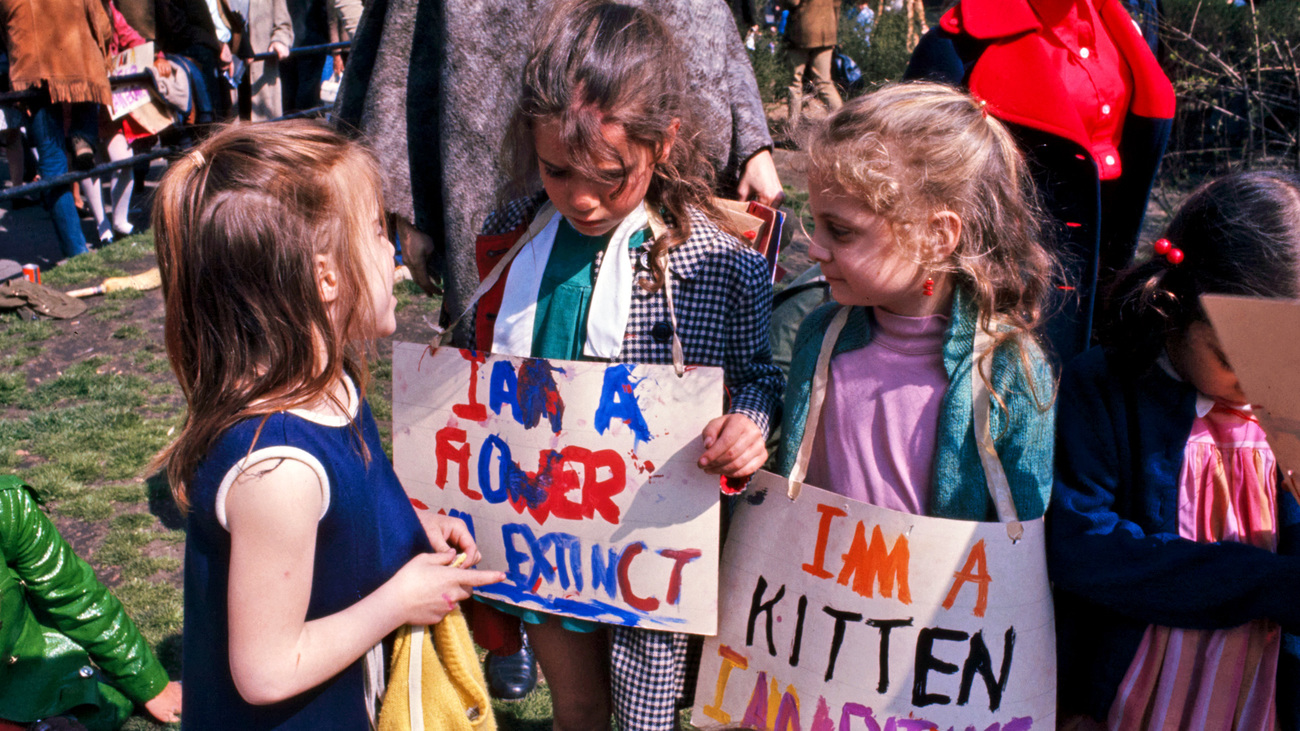
In 2026, Earth Day celebrates its 56th anniversary. The holiday is now bigger than ever, with nearly 200 countries and more than one billion people around the world expected to participate in Earth Day events. Find an Earth Day event near you.
Earth Day 2026 carries on the theme of ‘Our Power, Our Planet.’ Organisers are emphasising that environmental progress happens through everyday action—from individuals and communities showing up to protect their local ecosystems to scientific research advancing innovative solutions. To celebrate Earth Day 2026, we can mobilise at scale. Every action counts, no matter how small. Every voice matters.
Stand up for our planet on Earth Day 2026 by…
Earth Day is a comprehensive initiative aimed at raising awareness of and tackling the climate crisis from every possible angle. However, one angle that is often overlooked by climate activists is the role that animals play in keeping the environment healthy and balanced.
Animals aren’t just bystanders when it comes to the environment. Too often, we recognise that animals are harmed by the effects of climate change, but we miss the crucial roles that they play in maintaining the health of our planet.
Animals impact the environment on a number of levels—from acting as ecosystem engineers to pollinating plants to storing carbon to improving soil health. Protecting one species can safeguard an entire ecosystem.
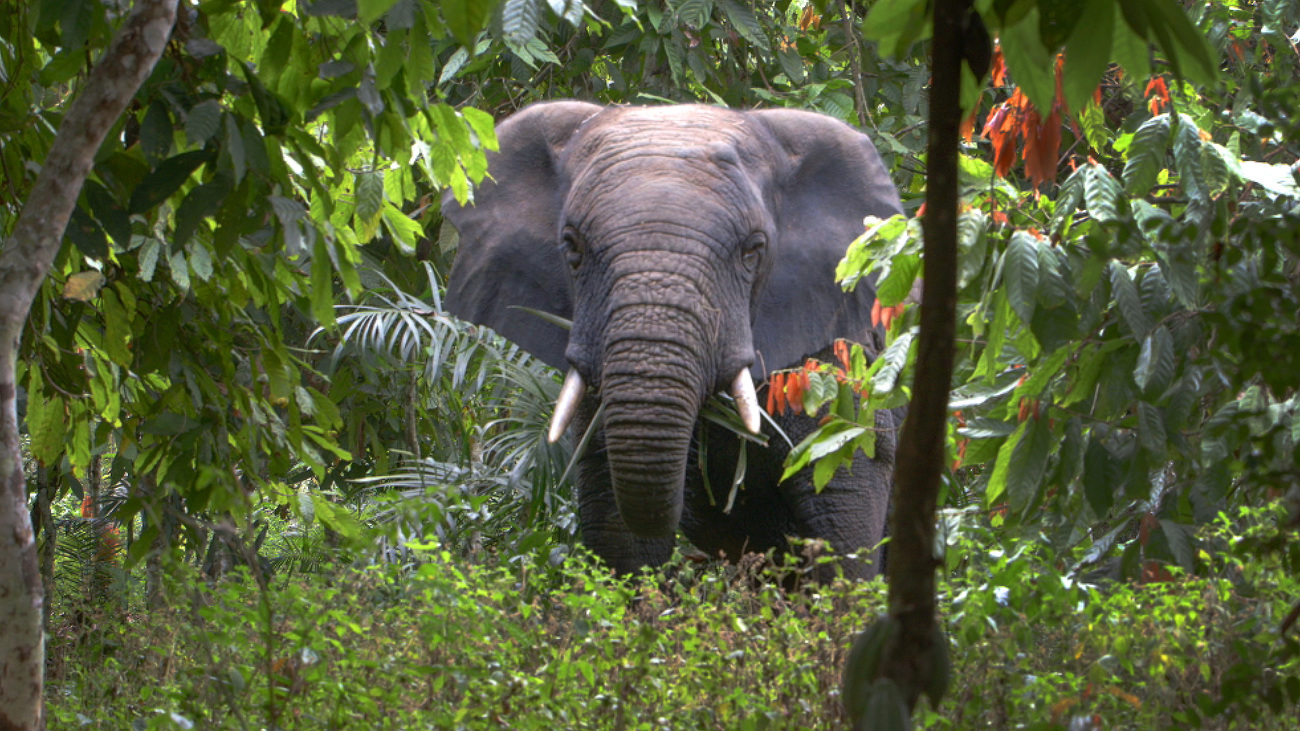
Take the example of elephants. These huge mammals clear paths through the landscape. They help sunlight reach plants and animals close to the ground and knock down food which smaller animals can then eat. They also dig water holes that become a vital lifeline for other animals in dry seasons. In addition, their faeces spread seeds, fertilising the land and helping new food sources to grow.
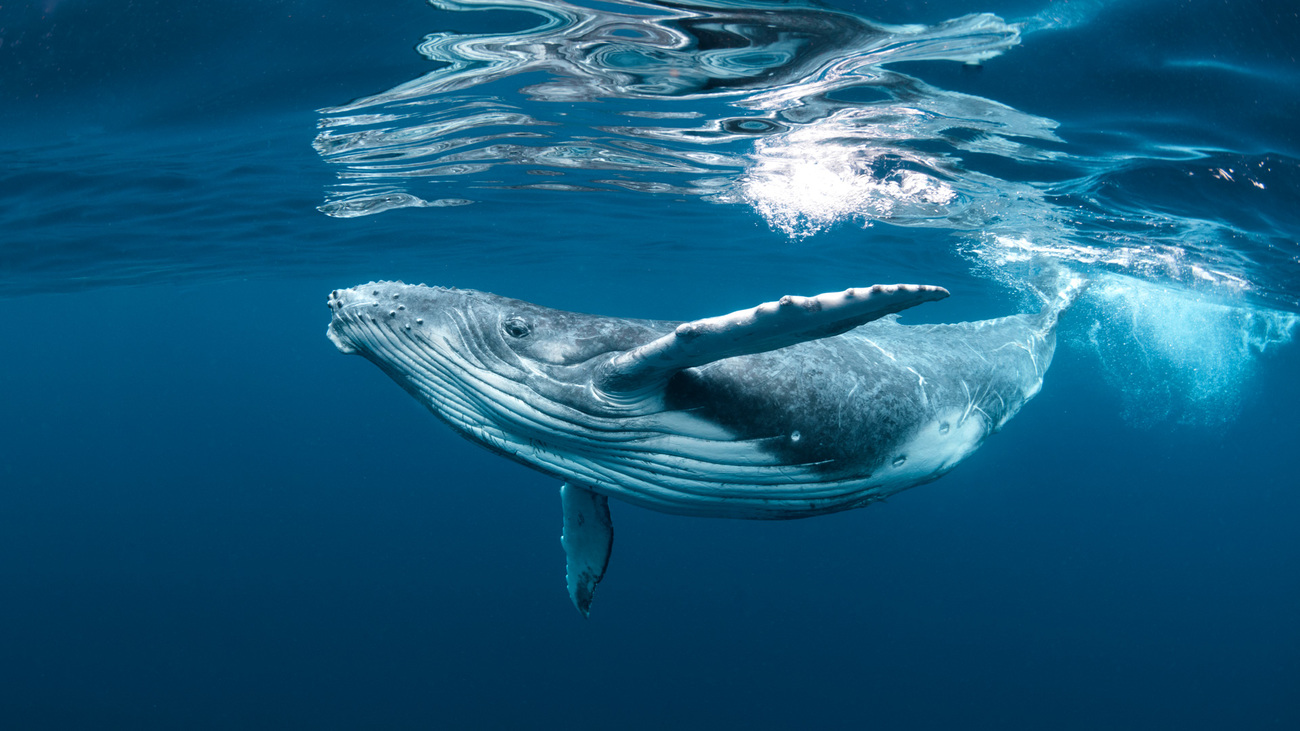
Similarly, whales have a huge impact on their marine habitats. Their poo fertilises phytoplankton—tiny marine algae which is a primary food source for many ocean creatures, baleen whales included. This phytoplankton also produces more than half of the world’s oxygen. So protecting whales is crucial to marine conservation and the fight against climate change.
Many animals fulfil critical climate functions are actively helping to slow the rate of climate change. At IFAW, we know that the individual—human or animal—is an indispensable component of the equation for success. We know that a single animal can mean the difference between survival or extinction for an entire species, just as a single person can make tangible positive change.
So, this Earth Day, let’s put the focus on animals and nature-based climate solutions, so we can work together to create the future we all deserve.
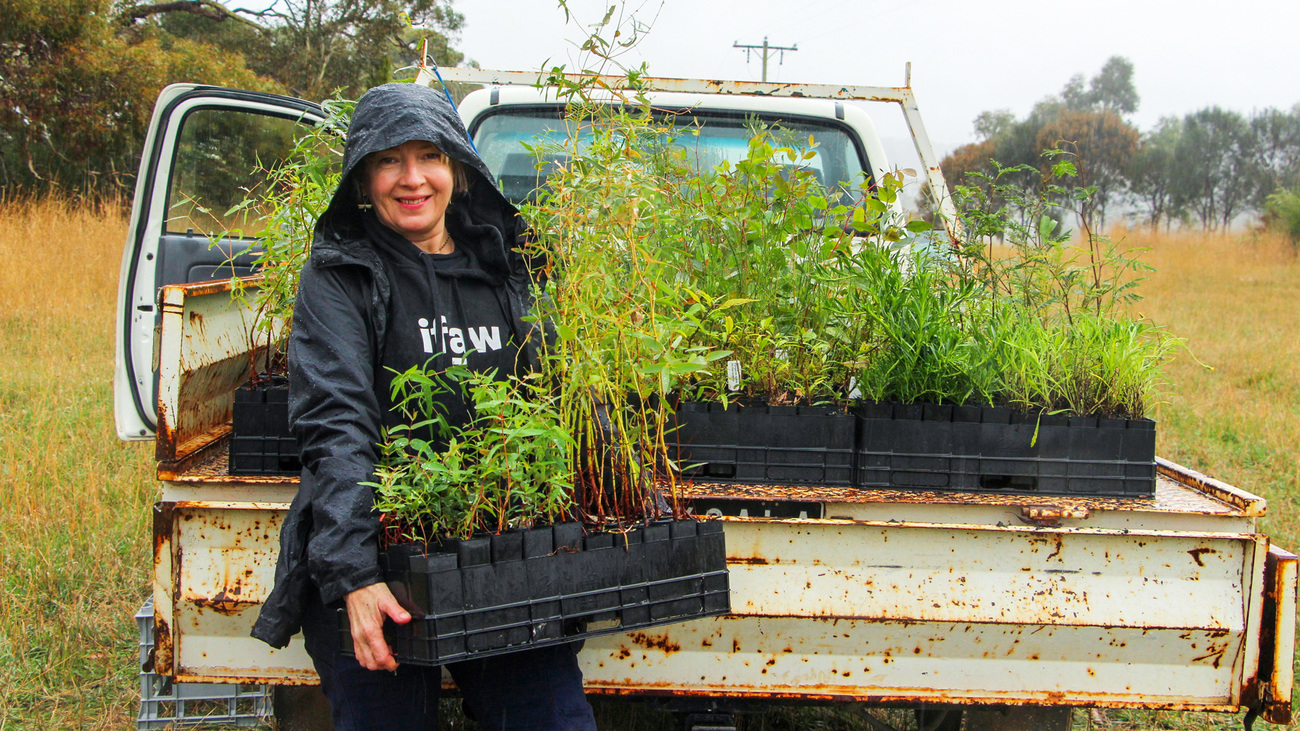
Earth Day celebrations over the last half-century have included incredible efforts: millions of trees planted, hundreds of miles of coastline cleaned, and tens of thousands of people biking to school and work. These impactful initiatives are all successful thanks to the power of individual actions.
Earth Day is a reminder that we can create real change as individuals and communities. We can build the future that we strive for—one where oceans thrive free from plastic pollution, forest ecosystems buzz with biodiversity, and wildlife populations flourish around the world.
Let’s look at a few ideas for how you can get involved in Earth Day 2026.
To celebrate Earth Day 2026, why not hold a teach-in, where you educate people about environmental issues? Or, you could participate in an Earth Day event taking place in your town or city. These events include clean-ups, resource fairs, marches, and more.
Social media is one of the most effective tools we have for spreading awareness and educating those around us. Share resources and engage with social media campaigns to help boost the reach of Earth Day 2026 and ensure that as many people as possible are educated on environmental issues.
Consider signing and sharing IFAW’s petitions. You can also spread awareness and support IFAW by sporting a new t-shirt.
Whether it is a small initiative near you or larger conservation projects like IFAW’s, supporting wildlife conservation is one of the best ways to help protect our planet this Earth Day.
It could be as simple as sharing a campaign on social media, donating a small amount of money, or even volunteering. Whatever level of involvement you choose, every little bit helps.
One of the most important things to come out of Earth Day has been the passing of various climate-focused legislation, such as the creation of the EPA. To this day, Earth Day still supports forward-thinking climate change policies, including advising and educating at the UN climate COP.
In 2026, you can do your part to advocate for animals by supporting legislation that protects animals and safeguards the natural world to drive systemic change, from small community initiatives to global policies.
Tourism’s effect on the environment has never been greater. Support Earth Day year-round by taking steps to travel sustainably and minimise your impact. Things like offsetting your air travel, spending money locally, and making sure you only interact with wildlife in conscious and sustainable ways go a long way in helping to protect the environment.
We can’t all combat climate change on a global scale. But we can have an impact on our local communities. Here are some ideas for smaller-scale things you can do to help your local environment, all year round.
Here at IFAW, we believe that animals are key to solving the climate crisis. That’s why we work year-round to help protect animal species and the natural world.
We’re campaigning to lower shipping speeds to reduce ocean noise, and we work to prevent collisions with marine mammals through our Whale Alert app. We’re also striving to protect animals like whales and seals from entanglement in fishing gear by promoting ropeless gear and smart buoys.
Through our Room to Roam initiative, we’re securing and connecting habitats across East and southern Africa, creating safe passages for wildlife. This is resulting in greater biodiversity, reduced human-wildlife conflict, improved resilience to climate change, and a positive future for African wildlife, including elephants, rhinos, cheetahs, and pangolins.
We’re also working with local communities to help them support the ecosystems around their homes. We’re advancing climate-smart agriculture, improving farmer incomes and food security, and supporting the environment. We help communities to develop sustainable ecotourism initiatives and alternative livelihoods so they rely less on natural resources as a primary source of income.
As we work towards greater coexistence between people and wildlife, we’re supporting communities with the tools, training, and resources they need to live safely alongside animals and protect the habitats we all depend on. We also equip wildlife rangers to safeguard threatened species and vital ecosystems, helping to prevent poaching, illegal logging, and habitat loss. These efforts protect keystone species such as elephants and gorillas, whose movements and seed dispersal help forests regenerate, store carbon, and remain resilient in the face of climate change. When people and animals can thrive together, nature becomes stronger for everyone.
Every problem has a solution, every solution needs support.
The problems we face are urgent, complicated, and resistant to change. Real solutions demand creativity, hard work, and involvement from people like you.
Unfortunately, the browser you use is outdated and does not allow you to display the site correctly. Please install any of the modern browsers, for example:
Google Chrome Firefox Safari