Press releases
Malawi launches elephant monitoring operation in Kasungu
Read moreAnimals with symbolic meaning around the world
IFAW is dedicated to protecting wildlife around the globe—and many of the animals we work to protect hold cultural significance and symbolic meanings. This is one of the many reasons why animals are important to people.
Animals also play an important role in maintaining their ecosystems. They directly and indirectly provide us with necessities like oxygen, food, water, and nutrient-rich soil. They’re also helping us in the fight against climate change.
But for millennia, before these scientific benefits were fully understood, humans have had a special relationship with various animal species. This isn’t just limited to species we domesticated, like dogs, cats, and horses. It also extends to wildlife, which many people have respected, honored, and admired since ancient times.
Here are some of the animals that have special meanings to various cultures around the world.
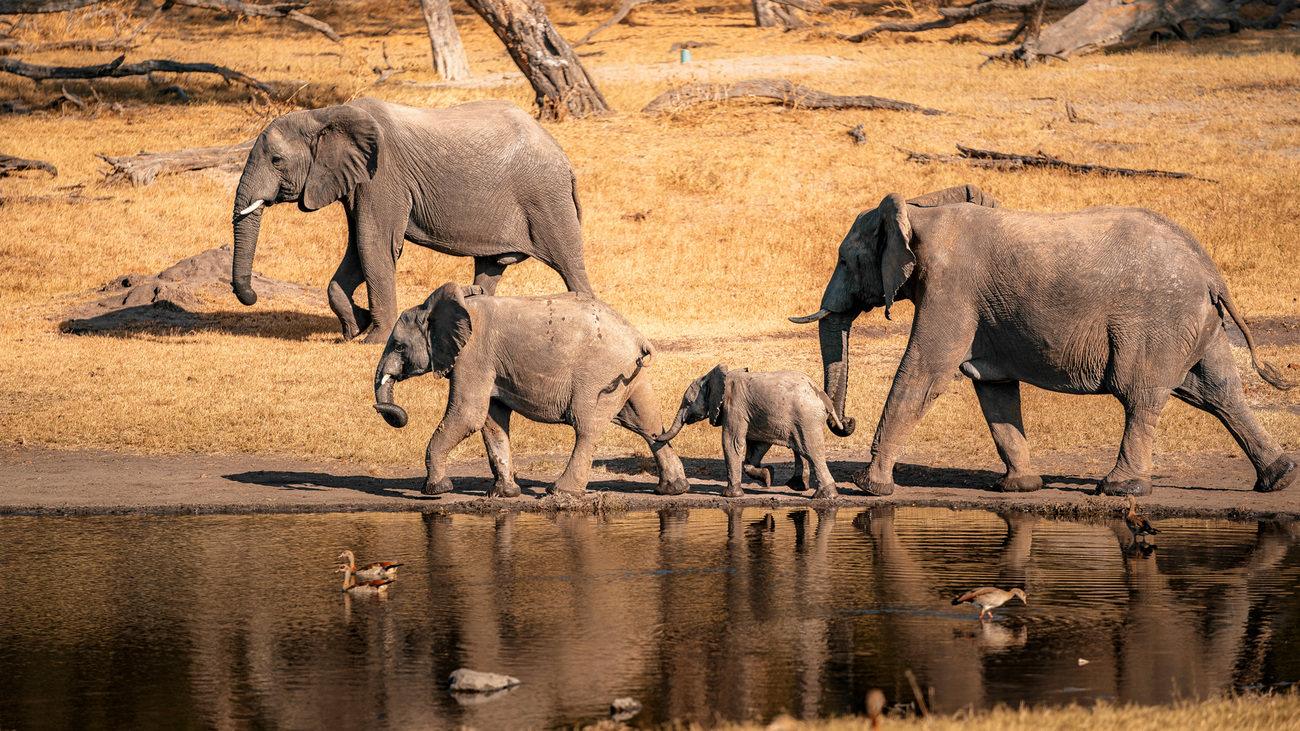
If you’ve ever heard the idiom ‘an elephant never forgets’, you know that elephants have long been associated with their excellent memories. This saying has some scientific basis—researchers have observed elephants remembering and returning to their original habitats after being rescued from poachers. Elephants also have been observed to show empathy, compassion, self-awareness, and grief.
In addition to memory and wisdom, elephants have been associated with strength, likely due to their mighty size as the largest land animals on Earth.
They’re also associated with prosperity. In India, Asian elephants have also been thought to bring good luck and wealth. Similarly, in China, the word ‘elephant’ is a homophone for the word ‘auspicious’, and the elephant is endowed with the meaning of good luck and peace.adm
In Hindu culture, elephants are believed to support the world on their backs. In a way, they really do carry the weight of the planet on their backs. As ecosystem engineers, elephants play a critical role in helping us mitigate the impacts of climate change.
Unfortunately, in 2025, the African savannah elephant is listed as endangered, and the African forest elephant is critically endangered. The Asian elephant—which can be found in countries including India, China, Indonesia, and Thailand—is also classified as endangered.
At IFAW, as part of our Room to Roam initiative, we’re working with communities in East and southern Africa to secure and reconnect elephant habitats so these magnificent animals can once again thrive. Meanwhile, IFAW also strives to sustain the coexistence of humans and elephants in China to protect the Asian elephant population.
Once the most widespread mammal in the world, wolves are a symbol of strength in many cultures. They have also been seen as symbols of loyalty, probably because they tend to hunt together in packs.
Wolves have appeared in folklore and mythology as far back as the Babylonian epic of Gilgamesh. In Norse mythology, they were sources of chaos and destruction, but also of loyalty and bravery. The famous she-wolf (lupa) in ancient Roman mythology was said to have raised Romulus and Remus, the two twins who founded Rome, giving wolves a maternal, nurturing quality.
You’ve probably heard the phrase ‘lone wolf’ used to refer to someone who does something alone or in their own way—and though adult wolves can and do sometimes live alone, wolves are typically highly social pack animals.
Despite tending to flee when a human is present, wolves have a reputation as fierce and dangerous predators, and they are widely persecuted. Humans are the leading cause of death for wolves. It is legal in many places to poison, trap, and hunt wolves—as retaliation for the killing of livestock or to keep them away from homes and communities.
Some wolf species, like the grey wolf, are listed as least concern on the IUCN Red List. But their populations are still under threat, especially as governments downgrade legal protections for these animals. Other wolf species aren’t doing so well. The maned wolf, which lives in South America, is near threatened—and the red wolf, which lives in North America, is critically endangered. As of 2025 data, there are thought to be just 17 to 19 red wolves left in the wild.
IFAW works to advocate for wolves and other predators, educating the public on how wolves and people can coexist peacefully.
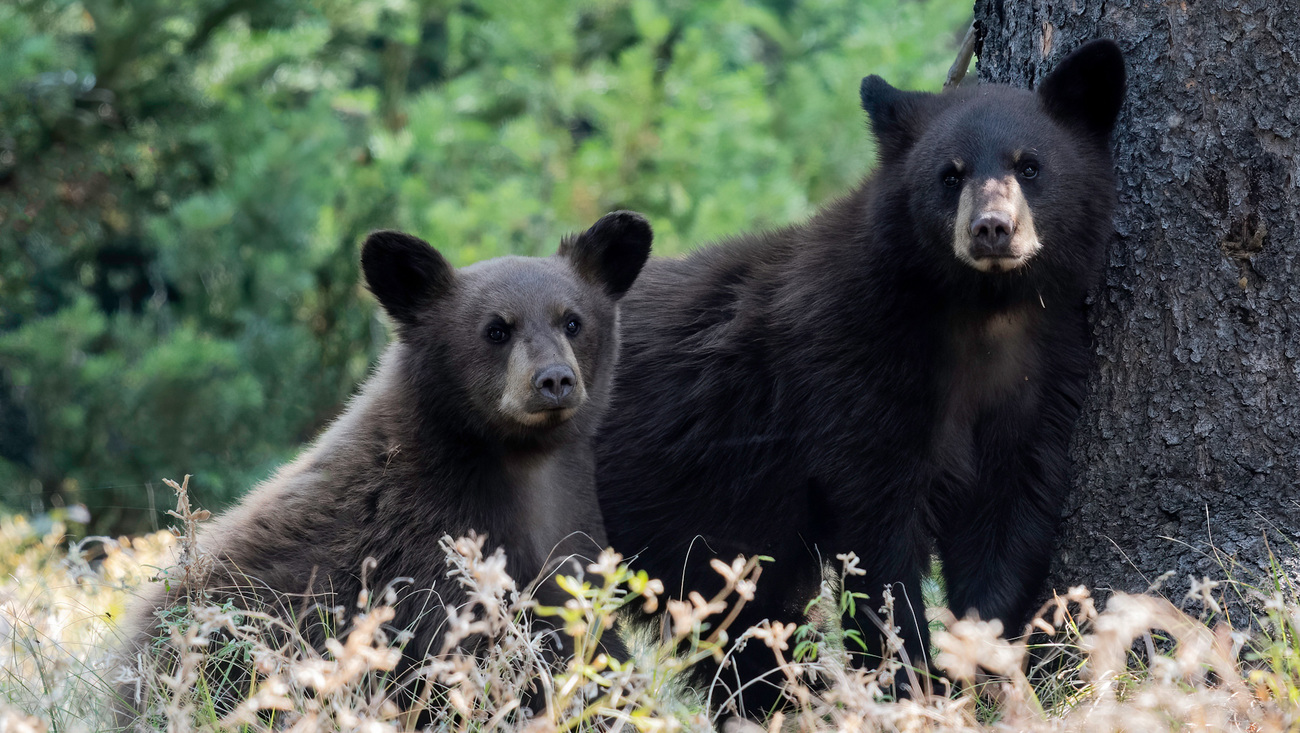
Historically, bears have been associated with courage and strength. This isn’t surprising considering bears are some of the world’s largest land carnivores and apex predators.
In Finnish, Siberian, and Korean cultures, bears are viewed as symbols of their ancestors. In Norse mythology, the bear is associated with Odin. In some Indigenous cultures of North America, bears are associated with healing and strength. In Russian mythology, they are thought of as the masters of the forest, which reflects how bears will feed on just about anything found in the woods, from berries and leaves to fish and small mammals.
The mother bear is a popular figure in stories, and it originates from how female bears are fiercely protective of their cubs. Unprovoked bears rarely attack humans, although a female bear might if you get too close to her cubs and she thinks they’re in danger. Unfortunately, bears still face the threat of human-wildlife conflict due to human encroachment into their habitats.
Bears are up against other threats, too. For example, climate change and melting sea ice are threatening the survival of polar bears, which are classified as vulnerable by the IUCN.
IFAW supported a bear sanctuary in Ukraine to care for brown bears impacted by ongoing conflict. We also helped establish the Centre for Bear Rehabilitation and Conservation in collaboration with the Wildlife Trust of India, where we rehabilitate orphaned bear cubs and help them return to the wild.
The lion is another carnivore that has long been linked to power, courage, and bravery. Though popularly referred to as the ‘king of the jungle’, lions don’t live in the jungle at all—they mostly inhabit the savannahs, scrublands, grasslands, and open woodlands of sub-Saharan Africa.
Some of the earliest known Palaeolithic cave art depicts lions, such as those found in France, that date back as far as 35,000 years ago. In Ancient Egypt, the deity Sekhmet was depicted as a lioness or with a lioness head. She was associated with the sun and the Nile River—and she became embodied by the famous sphinx, who was deemed the protector of the pharaohs.
In ancient Mesopotamia, lions were similarly tied to leadership. In art and culture, the Mesopotamians depicted the Asiatic lion, a population of lions that today is endangered. As of 2025, there are only around 891 Asiatic lions remaining. This marks an increase in the population from recent years, but their numbers are still worryingly low.
Evidence has been uncovered that lions once roamed eastern Europe, including Greece—some of the most recent lion remains there date back to the seventh century BCE, so they didn’t disappear all that long ago. While it was previously thought that Greek myths, like that of the Nemean lion, a beast slain by Hercules, were based on tales of lions that roamed further east, it’s now known that the Ancient Greeks had lions right at home. Marks on the bones suggest these lions were hunted and skinned.
Throughout Europe, lions became symbols of bravery and were common features in architecture and sculpture—today, there are more lion sculptures in Europe than real lions in the wild. Sadly, wild lions are threatened by poaching, habitat loss, human-wildlife conflict, and a decline in prey species. They are listed as vulnerable to extinction and have a decreasing population.
IFAW works around the world to protect lions. We support the training of volunteers who protect lions in Uganda and partner with organisations to combat cross-border wildlife crime. We also worked to get the Big Cat Public Safety Act passed in the US, a historic step toward safeguarding captive big cats nationwide. This measure prohibits the private ownership of tigers, lions, leopards, and other big cats as ‘pets’ while also restricting dangerous contact between members of the public and these apex predators. Notably, we have also supported the evacuation of captive lions from the war in Ukraine.
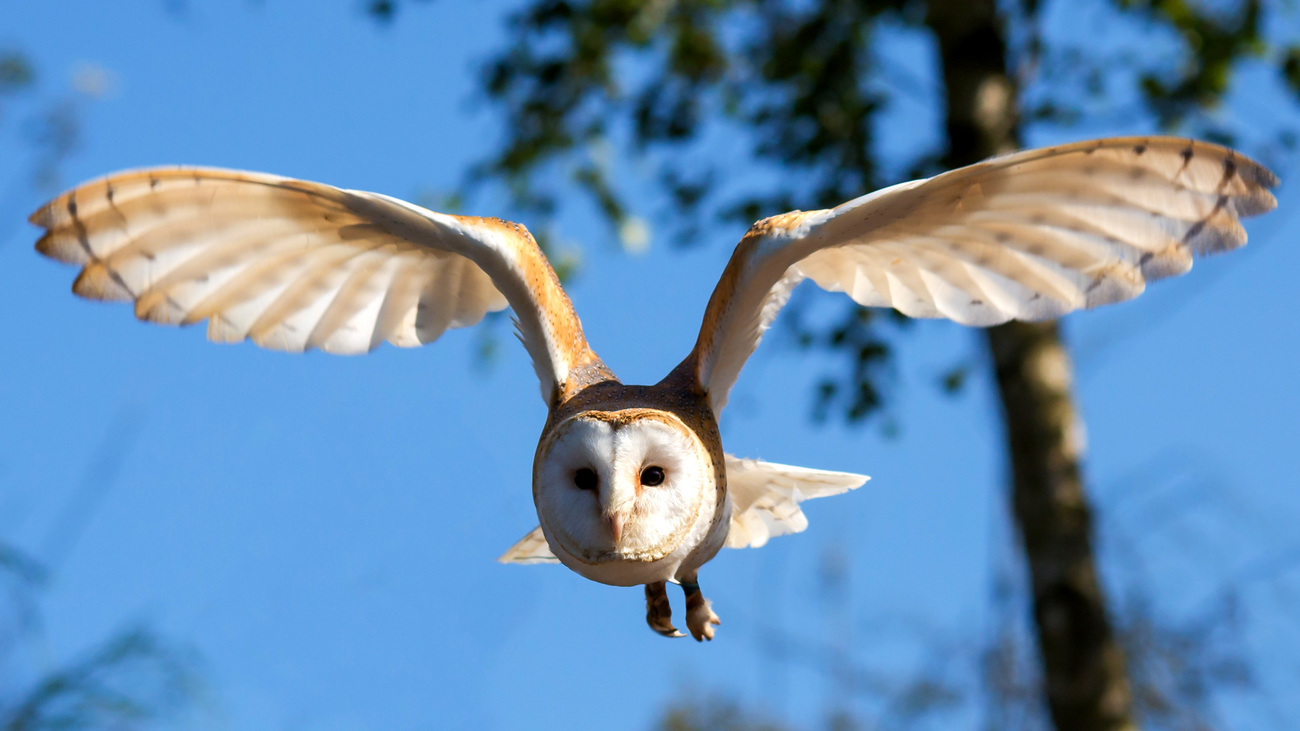
Since ancient times, humans have been mystified by these wide-eyed birds of prey. One common association for owls is with wisdom, which dates back to Ancient Greece, when the owl was the symbol of Athena, the goddess of wisdom.
In many cultures of Africa, India, and ancient Japan, owls have been considered harbingers of bad luck or even death. However, in modern Japan, they are thought to bring good luck.
Different Indigenous cultures in North America have different views of the owl. For example, the Cree hear an owl’s cry as a spiritual call, while the Apache associate dreams of owls with omens of death. The Cherokee traditionally think of owls in advisory roles, and the Pawnee have associated them with protection.
At our Beijing Raptor Rescue Center in China, IFAW rescues, rehabilitates, and returns owls and other birds of prey to the sky. From 2001 to 2023, the Center has rescued 2,431 owls, and 1,315 of them have been released back into the wild. Many of these birds fall victim to environmental degradation, storms, or wildlife trafficking.
These slow-moving reptiles can live to be more than 100 years old and have long been associated with prosperity, longevity, and wisdom, as well as with the Earth itself. In Hindu lore, it’s stated that the world is held up by elephants who stand on the back of a turtle. A traditional Chinese creation myth similarly describes a giant turtle whose legs are used to hold up the sky.
Similar themes appear in stories of Indigenous cultures in North America. In Lenape and Iroquois myths, the Earth is built on the back of a giant sea turtle.
Many people may also associate tortoises with wisdom due to the story of the Tortoise and the Hare, one of Aesop’s fables, in which the slow-but-steady tortoise wins a race against the faster but unwise hare. While tortoises and other turtles do walk very slowly on land, sea turtles can swim up to 35 kilometres per hour (22 miles per hour) when frightened. Their typical cruising speed in the water is 1.4 to 9.3 kilometres per hour (0.9 to 5.8 miles per hour).
Unfortunately, turtles are under threat. Some species of sea turtle—including Kemp’s Ridley and the hawksbill turtle are classed as critically endangered. They are threatened by climate change, trade in their shells, slaughter for bushmeat, and entanglement in marine debris.
Many tortoise species are at risk of extinction too, including the Bolson tortoise and the Asian giant tortoise, both of which are critically endangered. Tortoises are killed for their meat and face shrinking habitats.
IFAW works with partners on the ground to support the rescue and rehabilitation of turtles around the world, including sea turtles and tortoises. We also strive to promote coexistence between people, domestic animals, and turtles.
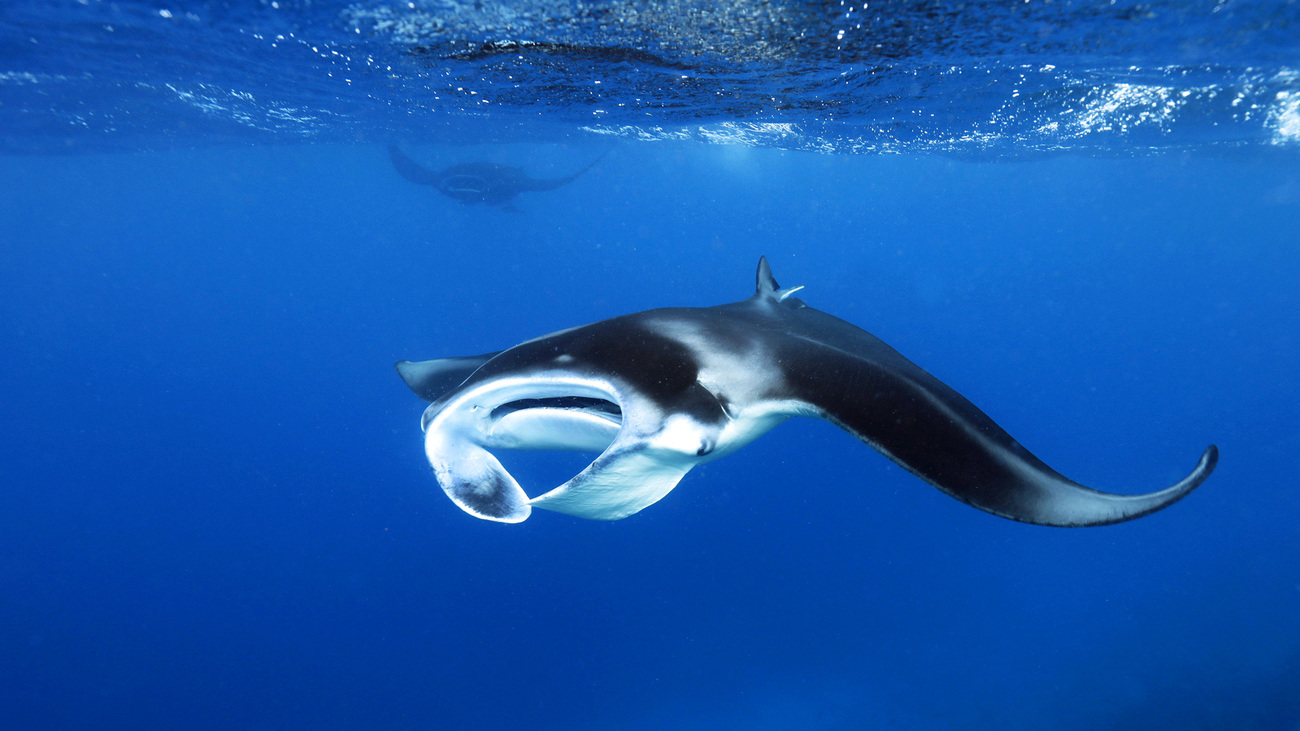
The manta ray holds special significance to the cultures of the Pacific islands. Native Hawaiians have regarded the manta ray highly due to its ability to dive beyond the realm where humans can swim.
In French Polynesia, stories about manta rays associated them with kidnapping people who went missing in the ocean. In addition, they have been regarded as ‘messengers of the ocean’.
Sadly, in 2025, the oceanic manta ray is endangered. These mesmerising marine animals face threats of hunting, bycatch, and entanglement. For over a decade, IFAW has worked with member countries of CITES to achieve limitations on the trade of marine species, including manta rays.
Deer have long been associated with gentleness, new beginnings, and change. They are popular characters in fairy tales, and they have often been regarded as supernatural or mystical beings.
In Greek mythology, they were associated with Artemis, the goddess of the hunt—according to legend, she once transformed a man into a stag. In many stories from various cultures, a human being turned into a deer as a curse is a common theme.
Today, while some deer species are thriving, many are under threat. Some of the most endangered deer include the critically endangered Philippine spotted deer and Eld’s deer.
During the war in Ukraine, IFAW supported the release of several rescued roe deer into a fenced-off area of the Kasova Hora nature reserve.
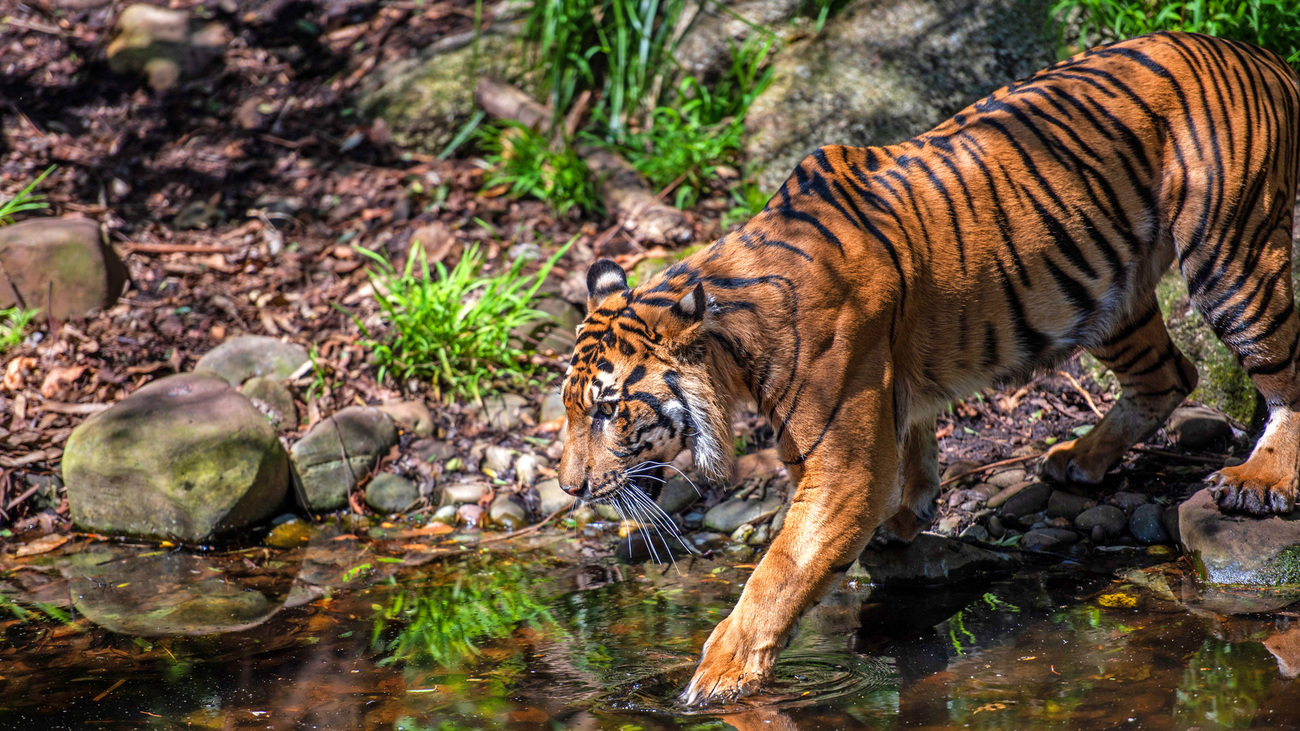
Like other large predators, tigers are renowned for their strength and have come to be associated with power and courage. In Korean culture, tigers are seen as symbols of superiority. In China, tigers have been called the king of the animals, and in many Chinese stories, they serve as benevolent protectors. They’re among the 12 animals of the Chinese zodiac.
The tiger also holds cultural significance in India, being associated with the deities Shiva and Durga in Hinduism. In Buddhism, tigers symbolise anger. The tiger population found in India is known as the Bengal tiger.
Tigers are unfortunately endangered, facing threats of poaching, habitat loss, human-wildlife conflict, climate change, and the exotic pet trade. Sadly, many tigers are taken from the wild or bred in captivity for the pet trade—many end up in the US.
IFAW works to protect tigers around the world. From securing safe passage in Central India to protecting tigers living in Kaziranga National Park, our partners at the Wildlife Trust of India are key. In China, IFAW has supported stringent domestic enforcement efforts and facilitated international enforcement collaboration to tackle the illegal trade in tiger products and establish the Big Cat Sanctuary Alliance in the US to help rescued tigers find forever homes.
The American bison has played a major role in the legends and oral traditions of many Indigenous peoples. Linked to safety, power, and durability, many people relied on bison for thousands of years—they were hunted to produce food, clothing, shelter, and tools. Many Northern Plains peoples honoured bison in ceremonies and took great care of them.
Bison are still integral in many cultural traditions and spiritual rituals. When spoken about in a cultural context, American bison are often referred to as ‘buffalo’.
While bison once roamed across a wide range in the Great Plains, colonists slaughtered millions of them in the 18th and 19th centuries, leaving just a few hundred remaining. In 2025, wild bison are rare, and the species is near threatened. There are approximately 31,000 bison kept in conservation herds with a further 400,000 managed as livestock.
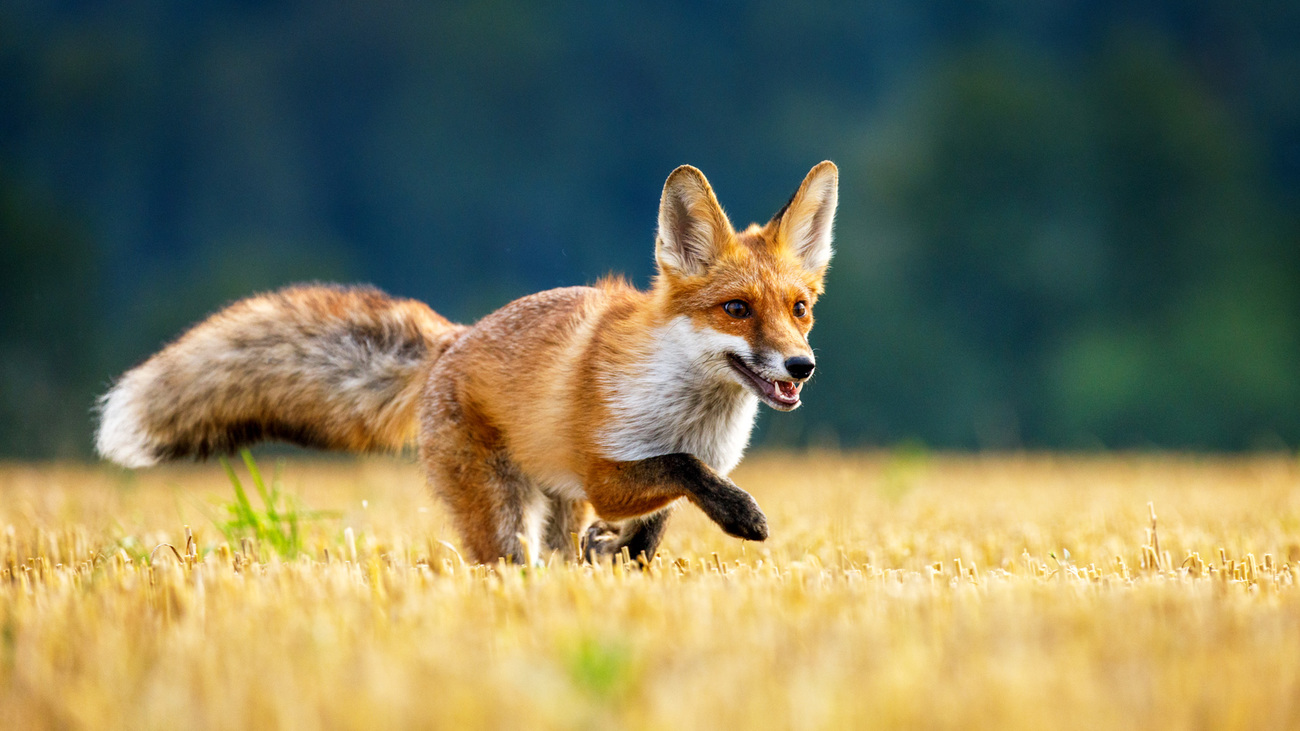
Thanks to extensive folklore and fables, foxes have long been associated with mischief and trickery. The idea of the cunning, sly fox is so culturally ingrained that we even have a word in English, ‘outfox’, which means to beat someone in a battle of wits.
The notion of the fox as a clever trickster is found in the stories of Bulgaria, Russia, Scotland, Finland, China, Japan, Korea, Vietnam, the Dogon people of West Africa, and Indigenous peoples in North America. Some differing depictions of foxes exist around the world, such as their association with fertility in Ancient Egypt and Celtic mythology.
There are 12 species of ‘true foxes’ (the genus Vulpes) worldwide, native to North America, Europe, Africa, and Asia. The most widespread species is the red fox. Some red foxes are also found in Australia, but they were brought there by humans and are an invasive species.
The jaguar—which lives in the jungles of Mexico, Central, and South America—is another big cat that features in ancient myths and legends, particularly those from Mesoamerican cultures.
All major Mesoamerican civilisations had some form of jaguar god. The jaguar was said to possess special powers, with the ability to cross between worlds. Additionally, because the jaguar is active at night, it was often depicted as a god of the underworld.
The Maya also associated jaguars with vegetation and fertility. Religious leaders saw it as a spirit companion, which could protect them from evil spirits. Mayan kings wore jaguar pelts to symbolise their power and strength.
IUCN classifies jaguars as near threatened. Their population is decreasing due to habitat loss and fragmentation, human-wildlife conflict, the illegal wildlife trade, and deforestation, all of which impact the jaguar’s survival.
IFAW has supported the rescue and rehabilitation of jaguars, mitigated human–jaguar conflict through our Casitas Azules project, and joined forces with IUCN NL and Earth League International for Operation Jaguar. We continue to work closely with authorities around the world to combat the illegal trade in jaguars and their parts.
IFAW works around the world to protect animals like these. Many of our projects involve working with local communities who live alongside wildlife to prevent human-wildlife conflict and wildlife crime. We are dedicated to creating a better future for animals, people, and the planet.
Every problem has a solution, every solution needs support.
The problems we face are urgent, complicated, and resistant to change. Real solutions demand creativity, hard work and involvement from people like you.
Unfortunately, the browser you use is outdated and does not allow you to display the site correctly. Please install any of the modern browsers, for example:
Google Chrome Firefox Safari