Wildlife Crime
The hidden cost of loving sloths the wrong way
The hidden cost of loving sloths the wrong way
27 April 2026
Recent headlines reporting that more than 30 sloths died before the opening of a new Florida attraction have shocked animal lovers and prompted urgent questions about where wild animals are taken from and the level of care they receive in captivity. But this story is about more than one facility offering “encounters.” It is a reminder that admiration alone does not protect wildlife, and that sloths need stronger safeguards now.
Sloths have become some of the most recognisable wild animals in the world. Their slow movements, gentle expressions, and calm appearance have made them favourites on social media, in tourism-based goods and marketing, and in wildlife encounter experiences. Yet that popularity can come at a cost when it creates demand for close encounters, novelty attractions, or even private ownership.
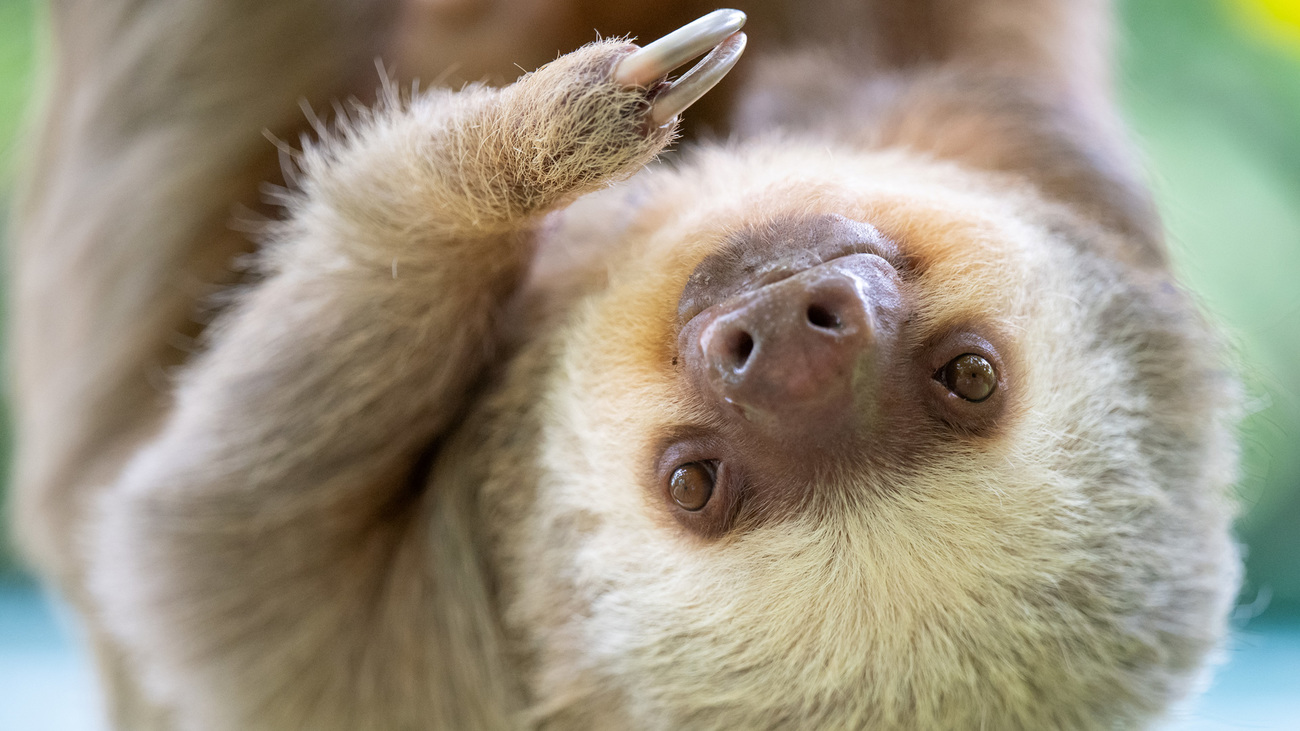
A Hoffmann’s two-toed sloth, an emblematic species impacted by habitat loss and the illegal wildlife trade. Photo: Sam Trull / © The Sloth Institute
When affection becomes exploitation
As sloths have become more popular online and featured across consumer culture, demand for selfies and close encounters has also grown. Sloths may be used as props for photographs or displayed in settings designed for our entertainment rather than their own well-being. This reflects a broader pattern seen across the wildlife trade: the more an animal is romanticised, the greater the risk that someone will try to profit from it.
For sloths, that can mean stressful handling, poor captive conditions, unsafe transport, and the added trauma of being separated from their mothers too soon. Sloths require highly specialised care in captivity and do not reproduce easily, meaning that many, if not most, sloths used in these encounters have been taken from the wild.
The scale of this demand is growing. Data from the US Fish & Wildlife Service’s Law Enforcement Management Information System shows that live imports of Linnaeus’s two-toed sloths nearly tripled from 59 live animals in 2012 to 160 in 2023, the most recent year for which data was publicly analysed. Behind those figures are hundreds of individual sloths removed from their forest homes and family groups for display and encounters in the US.
Why sloths are not pets
The truth is that sloths are highly specialised wild animals, not pets. They have evolved over millions of years for life in tropical forests, where they rely on carefully balanced habitats, specific diets, and low-stress environments. Their bodies and behaviours are adapted for life in the canopy, not for transport, frequent handling, artificial displays, or constant human interaction. What may look calm to people is not always comfort. Stillness can also be a stress response.
This is why IFAW’s partnership with the Association of Zoos and Aquariums on the Not A Pet campaign is so important. In it, we highlight a simple but urgent truth: wild animals are not pets and should not be bought, sold, or kept for private ownership. While many people may not think of sloths in the same category as big cats or primates, the principle is the same. However appealing they may seem online, sloths have complex needs that private ownership or commercial handling exhibits cannot meet.
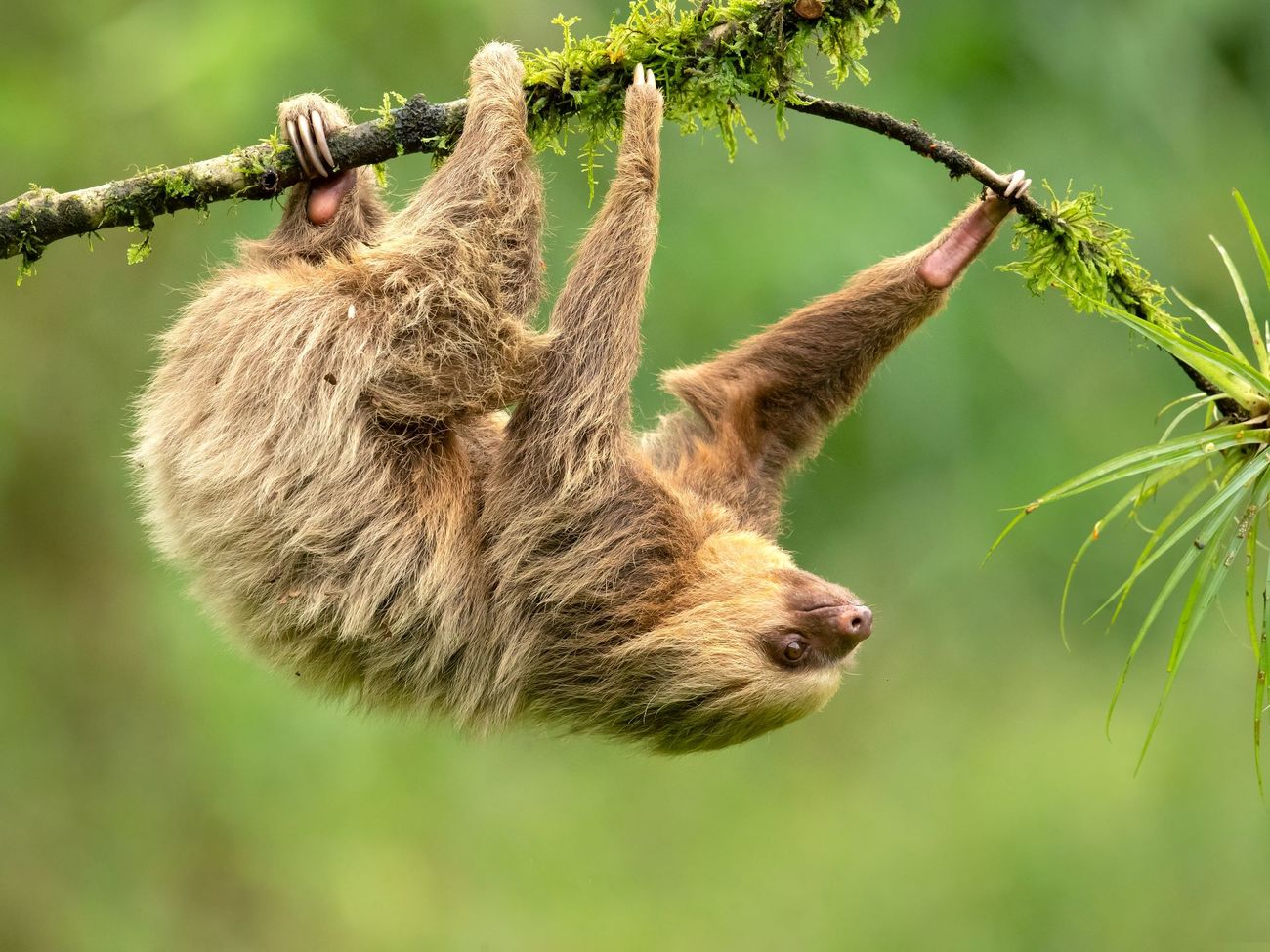
Hoffmann’s two-toed sloth hanging upside-down in a tree.
Why stronger protections matter
Recent headlines are a reminder that when wildlife is treated as a commodity, animals are often the first to suffer, while rescue systems are left to respond only after the damage has already been done.
Real protection means addressing the demand that drives exploitation in the first place. It means refusing attractions that offer direct contact with wild animals and asking difficult but necessary questions about where these animals came from and how are they being cared for now. It also means recognising that social media content portraying wildlife as accessories, props, or pets may conceal suffering behind the scenes.
Stronger international safeguards are also essential. The Convention on International Trade in Endangered Species of Wild Fauna and Flora (CITES) helps regulate cross-border wildlife trade so that it does not threaten species’ survival. For animals affected by commercial demand, stronger listings, robust enforcement, and better oversight can help reduce exploitation before it escalates.
When legal loopholes, weak oversight, or irresponsible captive animal care practices are allowed to continue, rescue and rehabilitation organisations are often left to absorb the fallout. Facilities committed to animal welfare should not be forced to respond to preventable suffering created by poor policy or commercial exploitation.
When demand crosses borders, protection must too.
What you can do
Everyday choices matter. People can help by avoiding wildlife encounters and handling experiences, refusing to share exploitative animal content, supporting ethical tourism, and backing stronger protections for wild animals in trade. Campaigns such as Not A Pet show that public awareness can shift behaviour and create lasting change.
Sloths do not need to be closer to us to be appreciated. They need intact forests, protection from exploitation, and policies that recognise their vulnerability. The world already loves sloths. Now it is time to show that love in the right way.
Related content
Every problem has a solution, every solution needs support.
The problems we face are urgent, complicated and resistant to change. Real solutions demand creativity, hard work and involvement from people like you.