Centre for Wildlife Rehabilitation and Conservation - India
Near Kaziranga National Park, animals are being threatened by a single highwayDuli and Atsu are finally living wild and free in India’s forests
Duli and Atsu are finally living wild and free in India’s forests
22 June 2026
For two orphaned Asiatic black bear cubs, the path back to the wild has been long, careful, and deeply hopeful. Now, after months of rehabilitation, soft release protocols, and patient monitoring, Duli and Atsu are living independently in the forests of northeast India, exactly where they belong.
When our supporters first met Duli and Atsu, they were frightened cubs in need of urgent care. Rescued and rehabilitated by the Centre for Wildlife Rehabilitation and Conservation (CWRC), a joint initiative of IFAW and Wildlife Trust of India, the pair quickly captured hearts around the world. Supporters even helped choose their names, following their progress from vulnerable cubs to curious young bears learning the skills they would one day need to survive on their own.
Now, that story has reached a milestone worth celebrating.
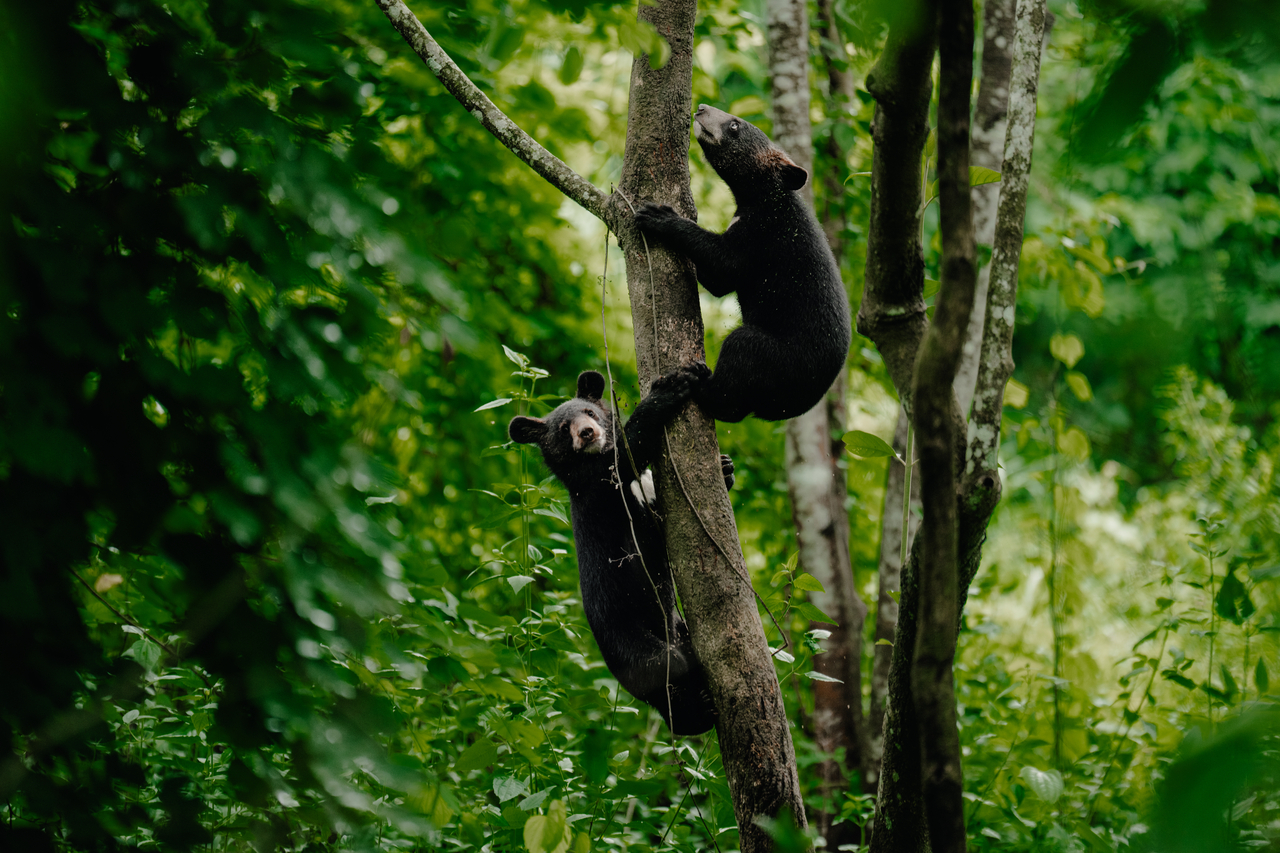
Duli and Atsu the Asiatic black bear cubs rehabilitating at Wildlife Trust of India’s CWRC. © Donal Boyd
Preparing for life in the wild
In August 2025, Duli and Atsu were moved to Dehing Patkai National Park in Assam, India, for the next stage of their rehabilitation journey. Known for its dense rainforest and extraordinary biodiversity, the protected forest offered the ideal environment for the bears to begin adapting to life beyond human care.
There, the team carefully guided them through a soft release process designed to give orphaned cubs the best possible chance of survival in the wild. The bears gradually became familiar with their natural habitat while fitted with radio collars to help the team monitor their movements and wellbeing after release.
In the early stages, Duli and Atsu regularly returned to their temporary enclosure for supplementary food and a safe place to rest. This gradual transition is a critical part of successful bear rehabilitation, allowing rescued cubs to build confidence and independence at their own pace.
But over time, something remarkable happened. By February 2026, the pair had stopped returning altogether. No longer dependent on human support, Duli and Atsu had fully transitioned to life in the wild.
Capturing proof of a wild future
Since their release, monitoring teams have continued tracking the bears across the forest landscape. In recent months, camera traps have captured encouraging glimpses of both bears thriving in their natural environment, moving freely through the forest and behaving exactly as wild bears should.
For the people who helped raise, care for, and protect them, these sightings represent the ultimate goal of wildlife rehabilitation—not simply rescuing animals, but giving them the chance to reclaim their place in the wild.
Every successful release also contributes to the long-term future of Asiatic black bears, a species facing growing threats from habitat loss, human-wildlife conflict, and poaching across parts of Asia.
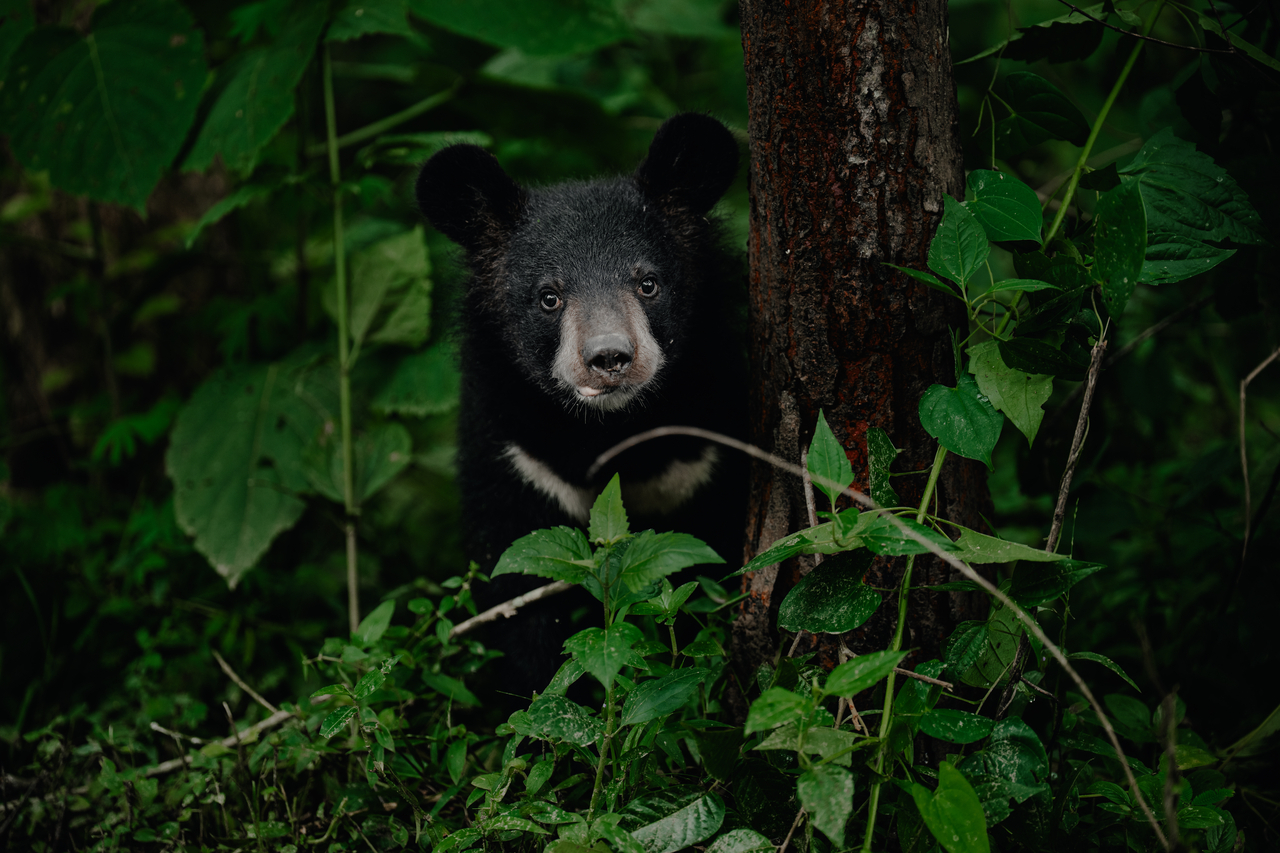
Duli and Atsu the Asiatic black bear cubs rehabilitating at Wildlife Trust of India’s CWRC. © Donal Boyd
A growing legacy for bear rehabilitation in India
Duli and Atsu’s story is part of a much larger conservation effort led by IFAW and WTI over more than two decades in India. Across three rehabilitation centres, dedicated teams have rescued, rehabilitated, and released orphaned bear cubs back into the wild:
- Centre for Bear Rehabilitation and Conservation (CBRC): 83 bear cubs admitted, 49 successfully released
- Centre for Wildlife Rehabilitation and Conservation (CWRC): six bear cubs admitted, two successfully released
- Mobile Veterinary Service (MVS), western Assam: 16 bear cubs admitted, nine successfully released
Each rescued cub represents countless hours of veterinary care, behavioural rehabilitation, habitat protection, monitoring, and collaboration with forest departments and local communities. And while not every rescued animal can return to the wild, stories like Duli and Atsu’s show what is possible when people come together to give wildlife a second chance.
From rescue to resilience
For supporters who have followed Duli and Atsu since the beginning, this latest chapter is a reminder that rehabilitation does not end with rescue. Returning an orphaned bear to the wild can take months, sometimes years, of patience and expertise.
Today, somewhere deep within the forests of Dehing Patkai, two young bears are climbing, foraging, exploring, and shaping lives entirely their own. And that is the outcome everyone hoped for from the very beginning.
Related content
Our work can’t get done without you. Please give what you can to help animals thrive.