Wildlife Crime
UK reform of Wildlife Trade Regulations: A step forward or a slip in oversight?
UK reform of Wildlife Trade Regulations: A step forward or a slip in oversight?
13 February 2026
A few months ago, the UK Government launched its consultation on reforming its domestic obligations under the Convention on International Trade in Endangered Species (CITES). IFAW submitted a detailed response urging Ministers to protect—not dilute—the safeguards that prevent endangered wildlife from being exploited in trade. Now that DEFRA has published its Summary of Responses and Government Response, it’s clear that while parts of the system will be strengthened, several of the most concerning proposals we opposed are still going ahead.
The government’s stated aim is to make the Wildlife Trade Regulations “clearer, proportionate, and fit for purpose”. But when it comes to protecting animals from harmful or illegal trade, clarity and proportionality must never come at the expense of enforcement. Unfortunately, some of the new reforms risk doing just that.
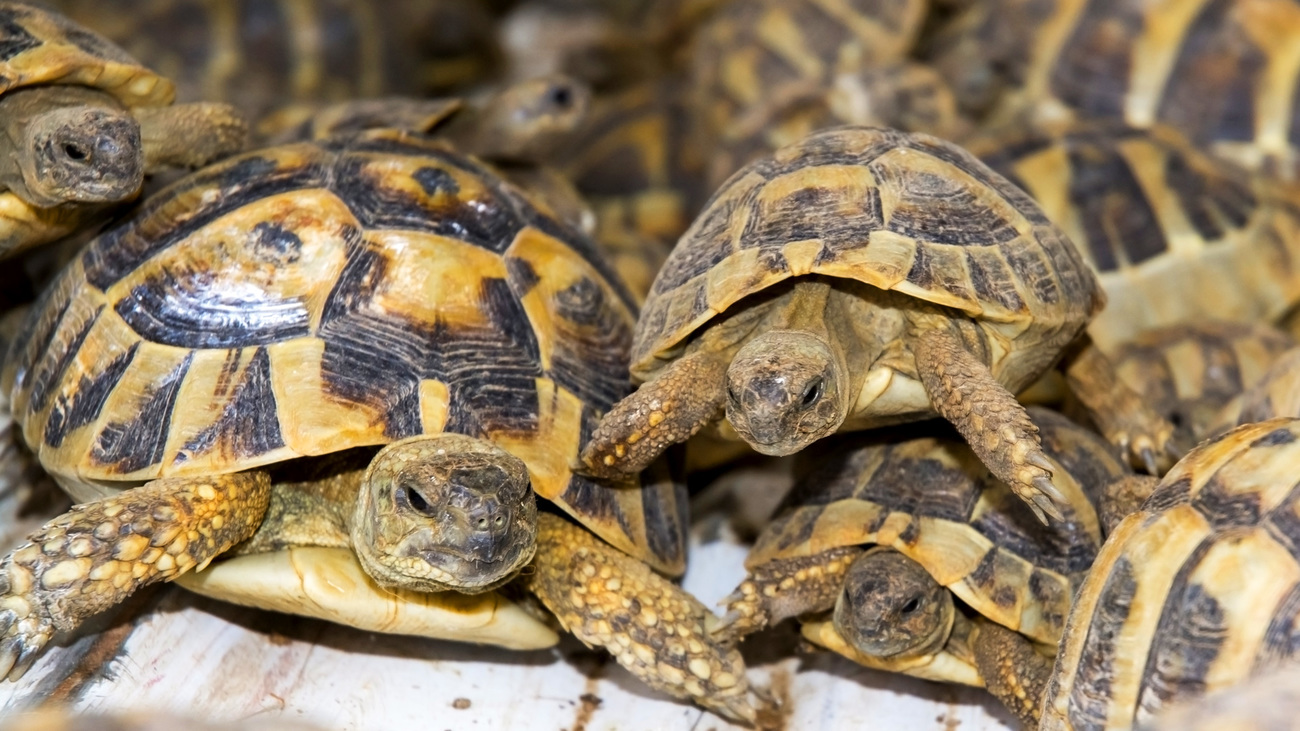
Crowd of smuggled Hermann's tortoises (Testudo hermanni) in the quarantine section of Szeged Zoo after being found at the Serbian border.
The wins: welfare, monitoring, and stricter measures
There are several areas where we were pleased to see that IFAW recommendations were incorporated in the government’s decisions, particularly regarding animal welfare. Despite industry pressure to remove welfare assessments for Annex B specimens the government chose to retain these checks, . This aligns with IFAW’s view that they are essential for protecting species like invertebrates that might fall through existing legislative gaps.
Similarly, we welcome the government’s decision on Annex D, which monitors the trade in non-CITES-listed species. While some respondents wanted it removed entirely, the government will instead modernise and digitise it, ensuring it continues to serve as an "early warning system" for emerging conservation risks. In particular, IFAW recommends the inclusion in Annex D of non-CITES species that are protected in their countries of origin, as this would support early detection and enforcement efforts.
Finally, IFAW commends the government’s decision to adopt stricter measures and guidance to regulate the trade in species of conservation concern. For instance, African grey parrots, the most seized parrot species in Europe, are commonly sold online, creating serious challenges to detect illegally- sourced animals. Urgently needed are clear rules on the proof of legality that is provided by online sellers, and guidance to harmonise and improve online platforms’ policies.
Simplification vs. safeguards
Unfortunately, the government prioritised reducing administrative burdens over the "precautionary principle" advocated by IFAW:
- The government will proceed with removing the need for certificates for commercial use for three species of tortoises and allow export permits to substitute for certificates. This will apply to more species in future, creating dangerous loopholes for laundering wild-caught specimens under the guise of captive breeding.
- A major concern for IFAW is the exemption of some species from import permit obligation based on vague “low risk” criteria. This could weaken oversight for live animals, which often carry higher health and welfare risk.
- The government will also extend civil sanctions to six additional infringements. While the purpose of this reform is to complement criminal enforcement by offering a proportionate response to minor breaches, IFAW is concerned this might reduce the deterrent effect for these six serious offences.
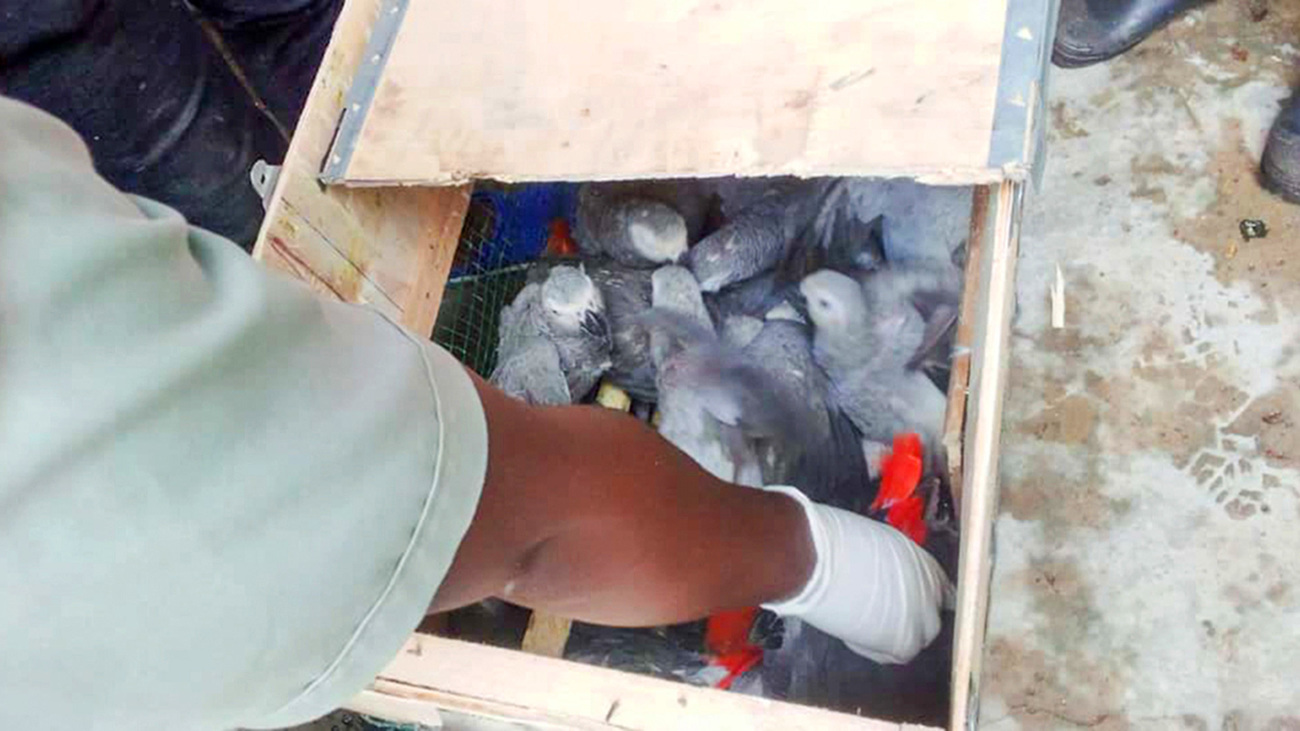
A crate of African grey parrots smuggled into Uganda by a Congolese national—the parrots will be rehabilitated and released back to the wild. Photo: Moses Olinga / © IFAW
The missed opportunity: smuggling of illegally sourced wildlife
IFAW strongly recommended the introduction of a domestic law to make it a criminal offence to possess or trade wildlife illegally sourced in its country of origin. This is a critical gap in the current legal framework, affecting both CITES-listed and non-listed species, and undermining the UK’s obligations under international environmental agreements and the efforts of range states working to protect their native wildlife. The government's decision to not proceed in that sense is a missed opportunity to prevent the laundering of illegally-sourced specimens into the legal trade system.
Looking ahead
The UK package of reforms contains some positive steps, but the government is also moving ahead with changes that risk lowering the UK’s efforts against wildlife trafficking, prioritising commercial convenience over the precautionary principle.
Making the permitting system “proportionate and simplified” should never translate to easier routes for illegal wildlife to be laundered through UK borders. And at a time when wildlife crime is evolving rapidly, the government’s reluctance to introduce new domestic law to close enforcement gaps is a missed opportunity with global consequences.
At IFAW, we will continue working with policymakers to ensure that conservation, animal welfare and enforcement integrity remain at the centre of the UK’s wildlife trade framework.
Related content
Our work can’t get done without you. Please give what you can to help animals thrive.