Centre for Bear Rehabilitation and Conservation - India
A cub that loses its mother shouldn’t have to lose its homeRescued Asiatic black bear cubs get a second chance at life in India
Rescued Asiatic black bear cubs get a second chance at life in India
18 May 2026
Two orphaned Asiatic black bear cubs are beginning a second chance at life in the forests of Arunachal Pradesh, following two separate rescues carried out by local community members and the Arunachal Pradesh Forest Department in India.
The young cubs were safely admitted to the Centre for Bear Rehabilitation and Conservation (CBRC), located within Pakke Tiger Reserve, where they are now under the close care and observation of veterinarians and animal keepers from the IFAW and the Wildlife Trust of India. The rescues took place in back-to-back incidents in late March.
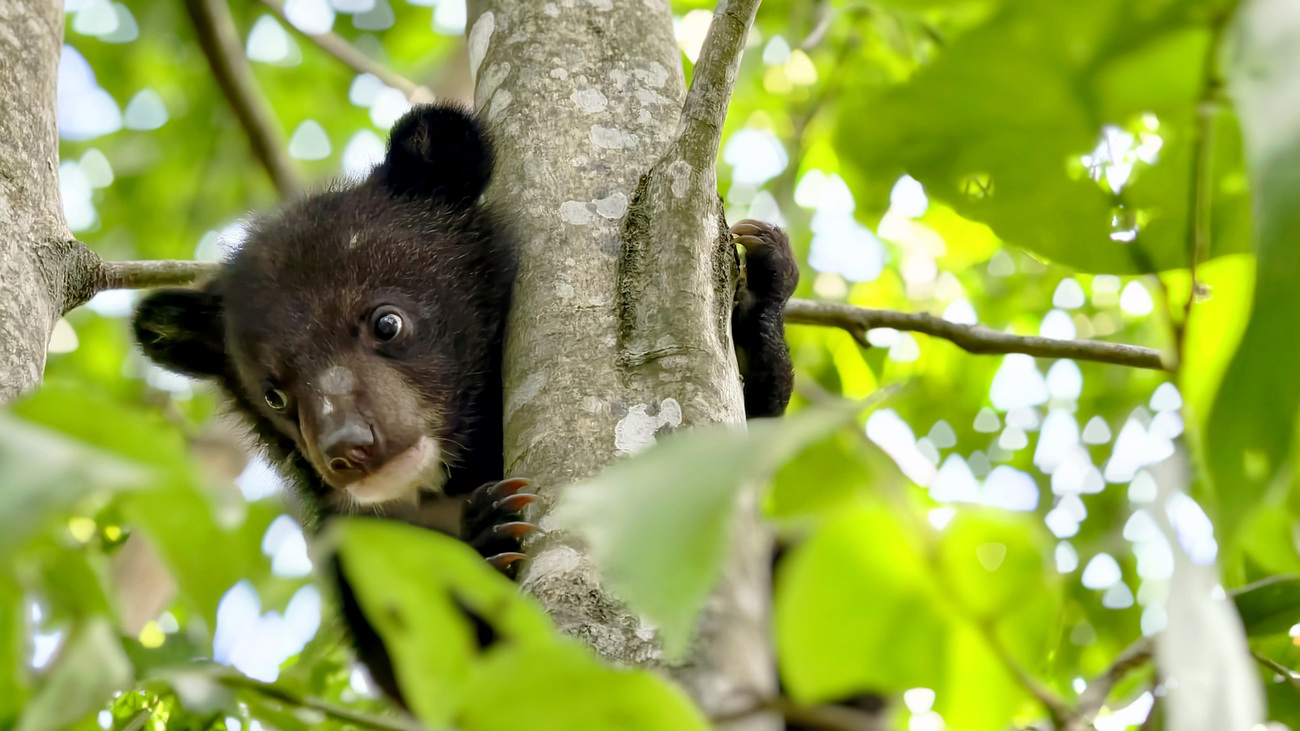
Asiatic black bear cubs receive round-the-clock care at IFAW and WTI’s CBRC to recover and develop the skills needed for life in the wild. Photo: © IFAW-WTI
The first cub, estimated to be just four to five weeks old, was found alone in Keyi Panyor by a local resident, who quickly alerted authorities. In a separate incident, another male cub, believed to be around six to seven weeks old, was discovered in an agricultural field in Borduria Village, likely separated from its mother due to 'slash-and-burn' cultivation activities or a nearby forest fire. Officials attempted to locate the cub’s mother but were unsuccessful. As both cubs were too young to survive independently in the wild, they were transferred to CBRC for specialised care.
At CBRC, the only facility in India dedicated to hand-raising and rehabilitating orphaned bear cubs, the rehabilitation process has already begun.
Under the guidance of Dr. Panjit Basumatary and the CBRC team, the cubs will follow a carefully structured rehabilitation journey designed to help them develop the instincts and behaviours needed to survive independently in the wild, while minimising dependence on humans.
The process will include intensive hand-raising during the cubs’ earliest stages of development, gradual weaning onto natural diets, and carefully supervised exposure to forest environments, all while minimising human interaction to help the cubs retain the wild behaviours they will need once released.
“Every rescue is a race against time for young cubs like these,” said Dr. Panjit Basumatary. “At this early stage, they require intensive care and constant monitoring, but every step of the rehabilitation process is designed with one goal in mind, preparing them for a successful return to their natural habitat.”
In the coming months, the team will step into the role of foster guardians for the cubs, hand-raising them through their earliest stages of development before gradually transitioning them onto natural diets and introducing them to forest environments.
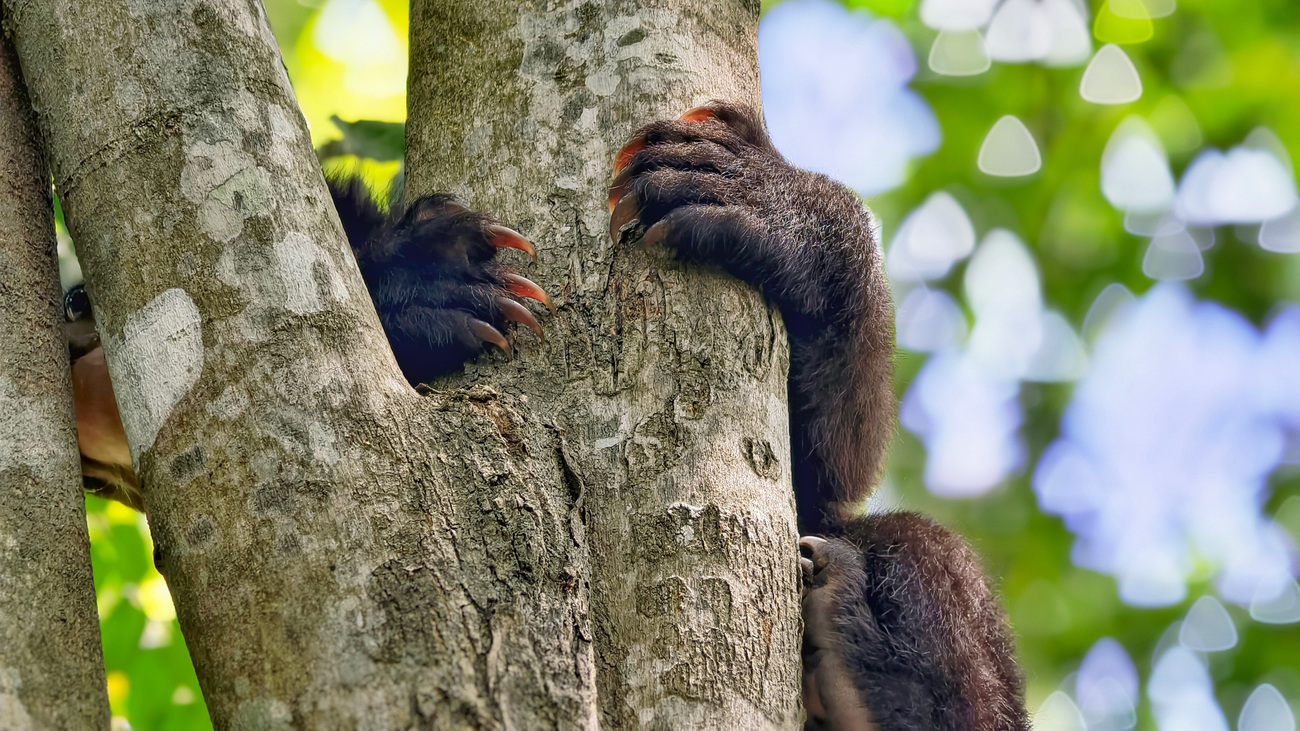
Asiatic black bear cubs receive round-the-clock care at IFAW and WTI’s CBRC to recover and develop the skills needed for life in the wild. Photo: © IFAW-WTI
The process requires immense patience, expertise, and consistency. Human interaction is intentionally kept to a minimum wherever possible, helping the cubs retain the behaviours they will need once released.
Mr. Dhawan Kumar Rawat, IFS, Divisional Forest Officer, Pakke Tiger Reserve, told WTI, “The cubs are currently under close observation. At CBRC, the bears will receive essential care and nurturing until they are prepared to return to the wild.”
Established through a partnership between WTI, IFAW, and the Department of Environment and Forest, Government of Arunachal Pradesh, CBRC has spent years giving orphaned Asiatic black bear cubs a second chance.
To date, more than 40 orphaned cubs have been successfully rehabilitated through the programme and returned to their natural habitat. The work reflects the importance of collaboration between local communities, frontline forest staff, veterinarians, animal keepers, and conservation organisations. Without the quick action of local residents and the coordinated response from Arunachal Pradesh Forest Department officials, the cubs may not have survived.
As the cubs settle into their new surroundings, their journey back to the wild is only just beginning. Each feeding, health check, and carefully managed forest introduction will play a role in preparing them for the day they can return to the forests where they belong.
For the team at CBRC, every successful release represents more than a rescue story. It is proof that with the right care, expertise, and long-term commitment, orphaned wild animals can have a future back in the wild.
Related content
Our work can’t get done without you. Please give what you can to help animals thrive.