Wildlife Crime
Seven endangered golden langurs return to the wild after wildlife trafficking rescue
Seven endangered golden langurs return to the wild after wildlife trafficking rescue
14 July 2026
Seven endangered golden langurs are back in the wild after a coordinated operation in Assam, India, disrupted a cross-border wildlife trafficking network and gave the rescued animals a second chance.
The operation brought together wildlife crime intelligence, swift enforcement action, veterinary expertise, legal support, and cooperation across agencies and conservation teams. It demonstrates how coordinated action can protect individual animals while helping dismantle the criminal networks that threaten wildlife.
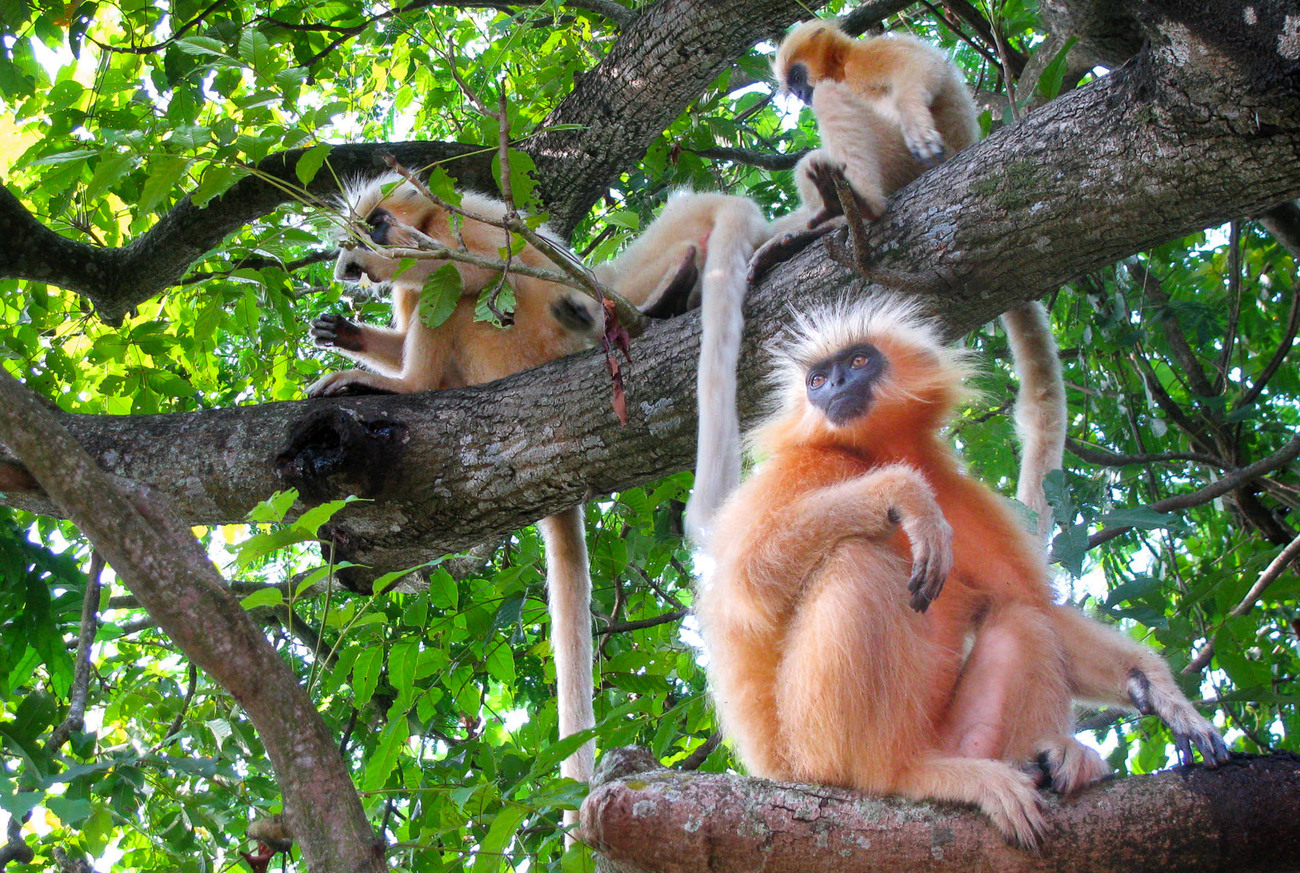
Golden langurs are endangered and found only in a small region of India and Bhutan, where habitat loss and fragmentation, alongside threats such as wildlife trafficking, put their survival at risk. Photo: © IFAW
Acting quickly to stop wildlife trafficking
On 20 June 2026, enforcement authorities intercepted suspected wildlife traffickers on National Highway 27 in Assam following intelligence gathered through Wildlife Trust of India’s wildlife crime prevention work.
Eight golden langurs had been taken from the wild and were being illegally transported. One had already died during the journey, a stark reminder of the suffering individual animals can endure as victims of wildlife trafficking.
The seven surviving langurs —including one juvenile—were taken into the care of the Assam Forest Department and placed in a temporary enclosure in the Ultapani Range of Sikhna Jwhwlao National Park.
Veterinary and conservation teams from IFAW and Wildlife Trust of India (WTI) worked alongside the Forest Department to assess the animals, provide veterinary care, and help them recover from the ordeal.
IFAW-WTI veterinarian Dr Daoharu Baro helped monitor the langurs’ health and develop the protocol for their return to the wild.
Behind the scenes, teams also provided legal assistance to enforcement authorities as investigations into the trafficking network continued.
Seven individual animals given a second chance
Following their release, the group, consisting of two males, four females, and one juvenile, has remained together and is surviving well. The langurs have settled in a specific area within the Ultapani Range of Sikhna Jwhwlao National Park.
Frontline forest staff from the Ultapani Range continue to monitor the animals after their return to the wild. This ongoing monitoring is an important part of the rescue and release process, helping conservation teams understand how the animals are adapting and identify any concerns that may require further action.
Golden langurs are found only in a limited region of India and Bhutan. With fewer than 14,000 individuals remaining, the endangered species already faces significant pressures from habitat fragmentation and expanding infrastructure. Poaching and wildlife trafficking add another serious threat to their survival.
Protecting individual animals therefore matters not only for their welfare, but for the future of the species.
Following their release, IFAW-WTI teams are continuing to work with the Assam Forest Department to monitor the langurs and assess how successfully they reintegrate into the wild.
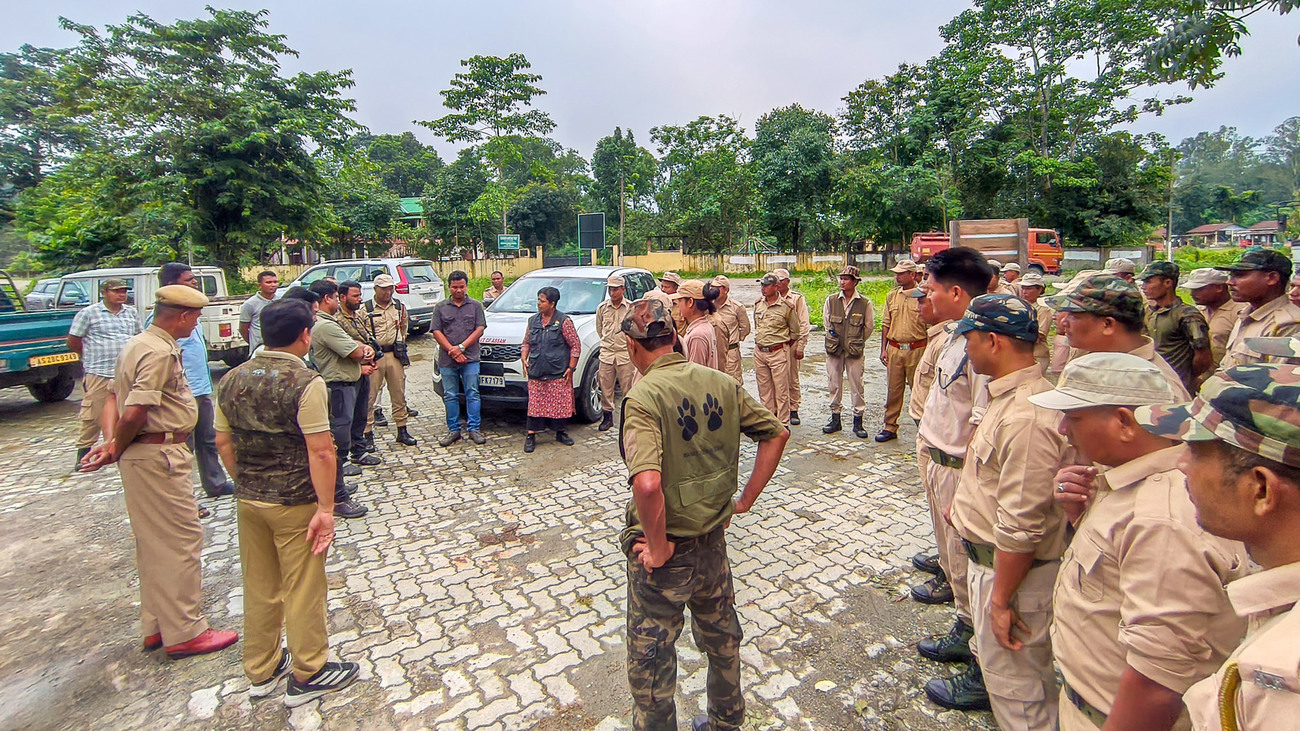
Enforcement officials in Assam, India, confiscate endangered golden langurs from wildlife traffickers following intelligence shared by the IFAW-WTI Wildlife Crime Prevention team. Photo: © IFAW-WTI
Cooperation exposes a cross-border trafficking network
The operation also led to the arrest of 11 people from India and Bangladesh, revealing links to a cross-border wildlife trafficking network operating across the Indian states of Assam and West Bengal, and Bangladesh. Authorities continue to search for additional suspects believed to be involved.
The response demonstrates the importance of cooperation in tackling wildlife crime.
Intelligence gathered through WTI’s Pan-India Enforcement Project, supported by Serenity Trust, helped enforcement authorities act quickly. On the ground, the IFAW-WTI Greater Manas Landscape Project supported the rescue response, veterinary care, release, legal assistance, and ongoing monitoring of the animals.
The Special Task Force, Chirang Police, Assam Forest Department, Sashastra Seema Bal, and authorities from the Bodoland Territorial Council were among those involved in the coordinated response.
Together, these efforts helped transform intelligence into action, and action into a tangible conservation result.
Protecting wildlife takes all of us
Wildlife trafficking is a complex and organised crime that can cross districts, states, and international borders. Stopping it requires people working together at every stage.
Local communities and sources can provide critical information. Wildlife crime specialists can help identify trafficking networks. Enforcement agencies can act on intelligence and apprehend suspects. Veterinarians can care for rescued animals. Legal experts can help authorities pursue cases against those responsible. Conservation teams can monitor animals after they return to the wild.
Supporters also make this work possible by helping conservation organisations build the expertise, partnerships, and long-term presence needed to respond when wildlife is in danger.
For these seven golden langurs, that network of people and expertise meant the difference between becoming victims of the illegal wildlife trade and returning to their forest home.
Today, the group remains together and is surviving well in Sikhna Jwhwlao National Park, while frontline forest staff continue to monitor their progress. Their story shows what is possible when intelligence, enforcement, veterinary expertise, legal support, and long-term stewardship work together: wildlife trafficking can be disrupted, individual animals can be given a second chance, and endangered species can have a stronger future.
Related content
Every problem has a solution, every solution needs support.
The problems we face are urgent, complicated and resistant to change. Real solutions demand creativity, hard work and involvement from people like you.