Marine Conservation
Pate Island community turns plastic waste into marine conservation
Pate Island community turns plastic waste into marine conservation
October 7, 2026
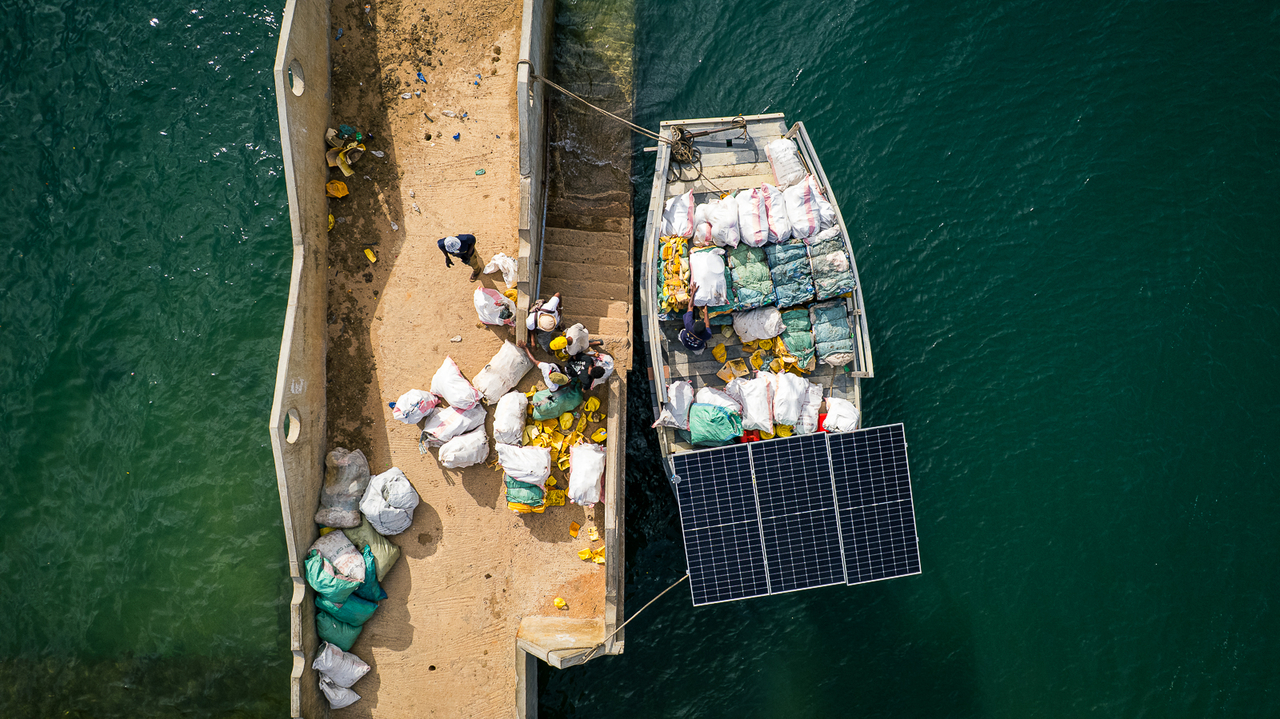
An aerial view shows Flipflopi's recycled-plastic barge beside Mtangawanda jetty on Pate Island, Kenya. Photo: © Anthony Ochieng Onyango
Made from recycled plastic, the gate is being restored by the Pate Resources and Tourism Initiative (PRATI), with support from IFAW and The Flipflopi Project. It is one of the historic Nine Gates of Pate, linking the island’s Swahili heritage with community-led conservation.
The gate was designed by traditional boat builder Ali Skanda with experts from the National Museums of Kenya and handcrafted by Flipflopi artisans. Its design reflects a history that stretches back to the 13th century.
“I was excited as an artist when the community decided to restore this gate. What we have designed and built will last at least three centuries and give the young people of Lamu an opportunity to appreciate their heritage and how advanced we once were,” says Ali.
Community-led conservation
PRATI brings together 30 community members, including 19 women and 21 young people, who are finding ways to protect the marine environment while creating new sources of income.
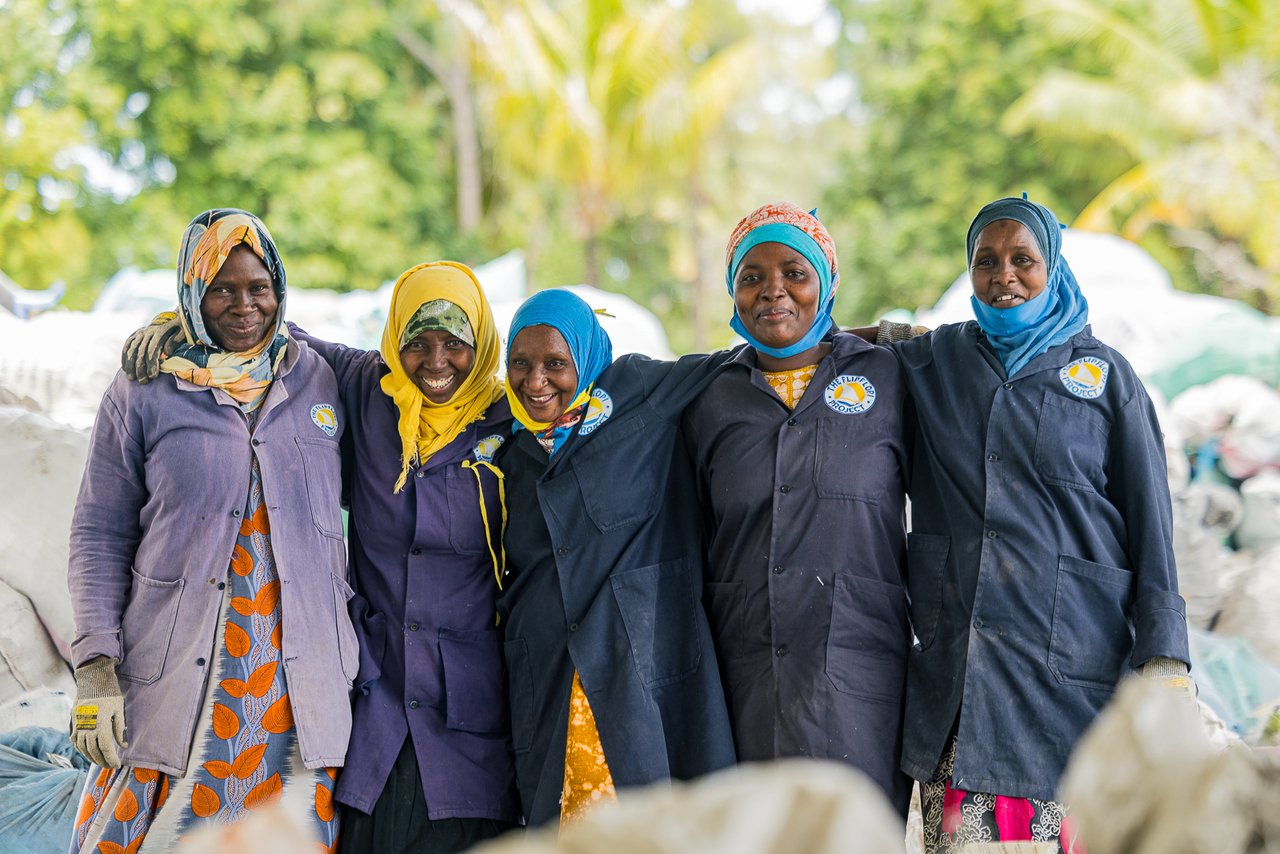
Members of Flipflopi's collection and sorting team stand together at its material recovery facility in Lamu, Kenya. Photo: © Anthony Ochieng Onyango
The group runs a community restaurant, supports visits to historic ruins, collects plastic waste, harvests herbal medicines and honey, makes traditional artefacts from mangroves, and farms crabs. These activities help diversify livelihoods and reduce dependence on fishing.
“PRATI has demonstrated that conservation can be community-led, that there is value in plastic waste and that communities can harness this value for economic benefit if supported,” says Lilian Mulupi, IFAW East Africa marine programme manager.
Community members earn 15 Kenyan shillings per kilogram of plastic bottles and 10 shillings per kilogram of hard plastic. They also donate one shilling from their proceeds to environmental cleanups led by Beach Management Units.
“Previously, we dumped waste in the ocean or in abandoned buildings, but this attitude is changing. Flipflopi has taught us that plastics harm fish and other sea creatures, and that clean beachfronts attract tourists,” says PRATI Group secretary Noor Twalim Mohammed.
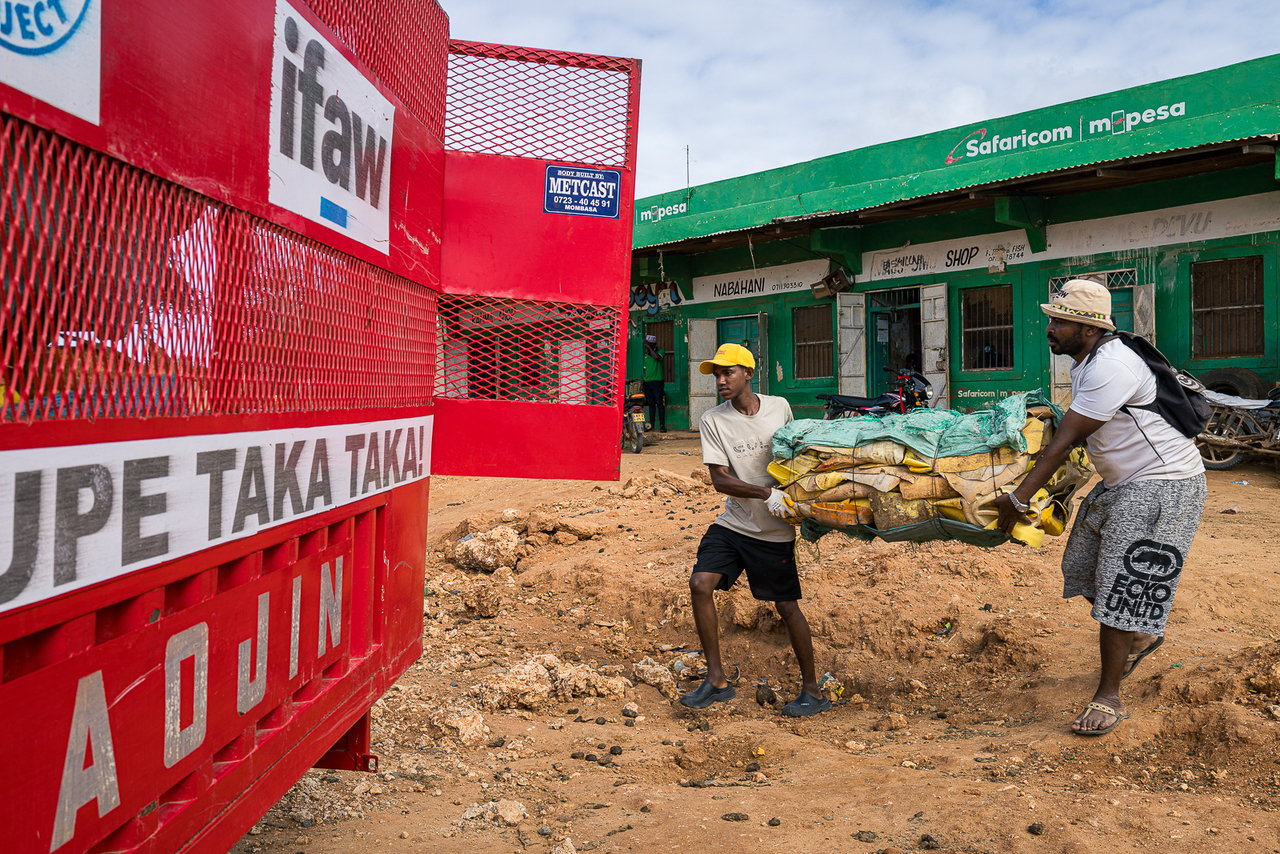
Workers carry a basket of collected waste on Pate Island, Kenya. Photo: © Anthony Ochieng Onyango
Tackling plastic pollution to protect marine wildlife
Between August 2025 and March 2026, communities across Pate Island collected 18.1 tonnes of plastic waste, about half of which is estimated to have been recovered from the marine environment.
The waste is collected at five locations across the island, then sorted, bagged, and baled before being transported by barge to Flipflopi’s material recovery facility on the Lamu mainland. The barge makes two to three trips each month, carrying up to 1.5 tonnes of waste on each journey.
Fishing ropes, water bottles, raffia bags, and hard plastics are among the materials collected. IFAW supports the salaries of an eight-person recovery team, as well as transport, electricity, maintenance, and other project costs.
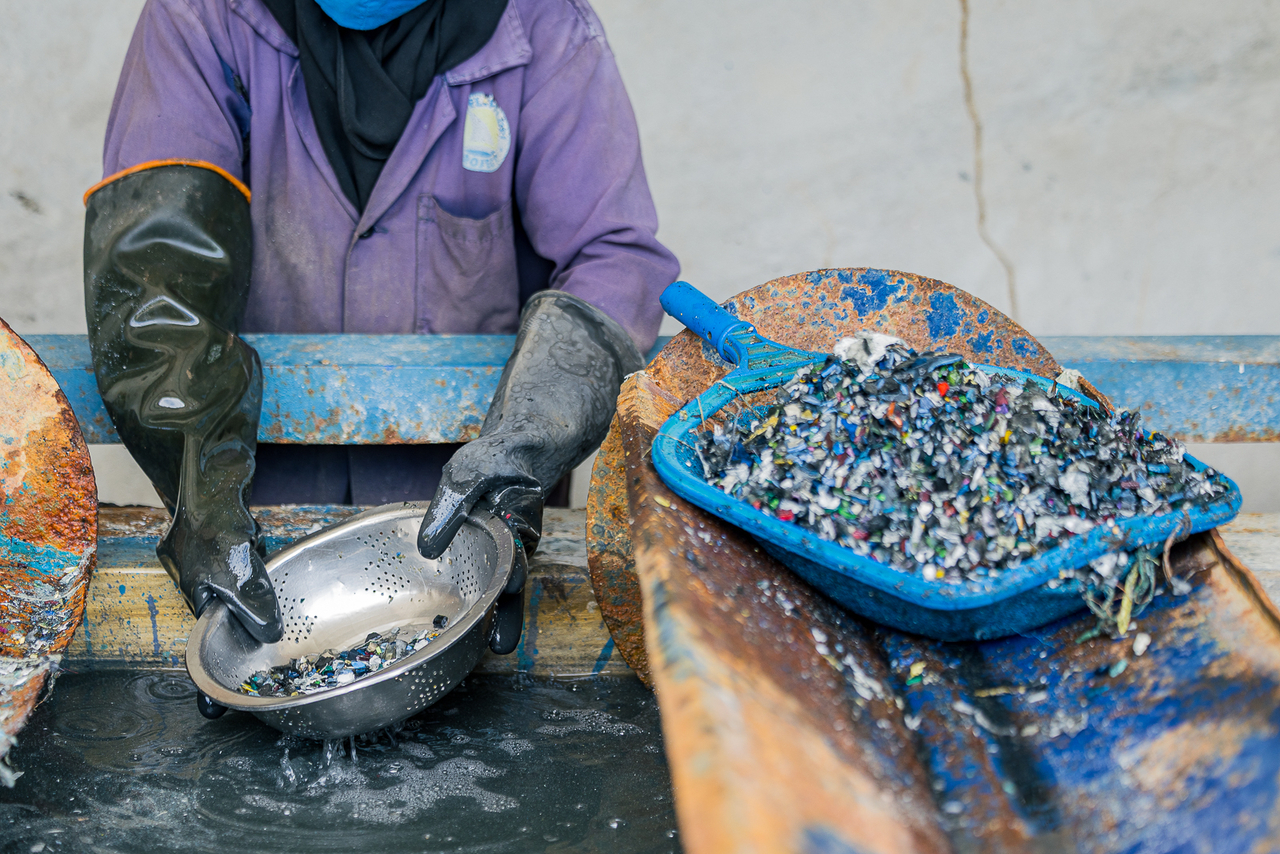
Fatuma Galgalo washes shredded plastic before further processing at Flipflopi's workshop in Lamu, Kenya. Photo: © Anthony Ochieng Onyango
For island communities, plastic pollution is a growing challenge. Waste management infrastructure is limited, and rubbish can end up in the ocean. Pate Island and other islands in the region also receive plastic waste carried by ocean currents, including bottles from other countries that wash up on beaches within the Kiunga Marine National Reserve.
Lamu is home to an important marine ecosystem, with diverse coral reefs, more than 60% of Kenya’s mangrove forest cover, and marine wildlife including sea turtles and the critically endangered dugong. Plastic waste and marine debris can pose serious risks to wildlife, including sea turtles.
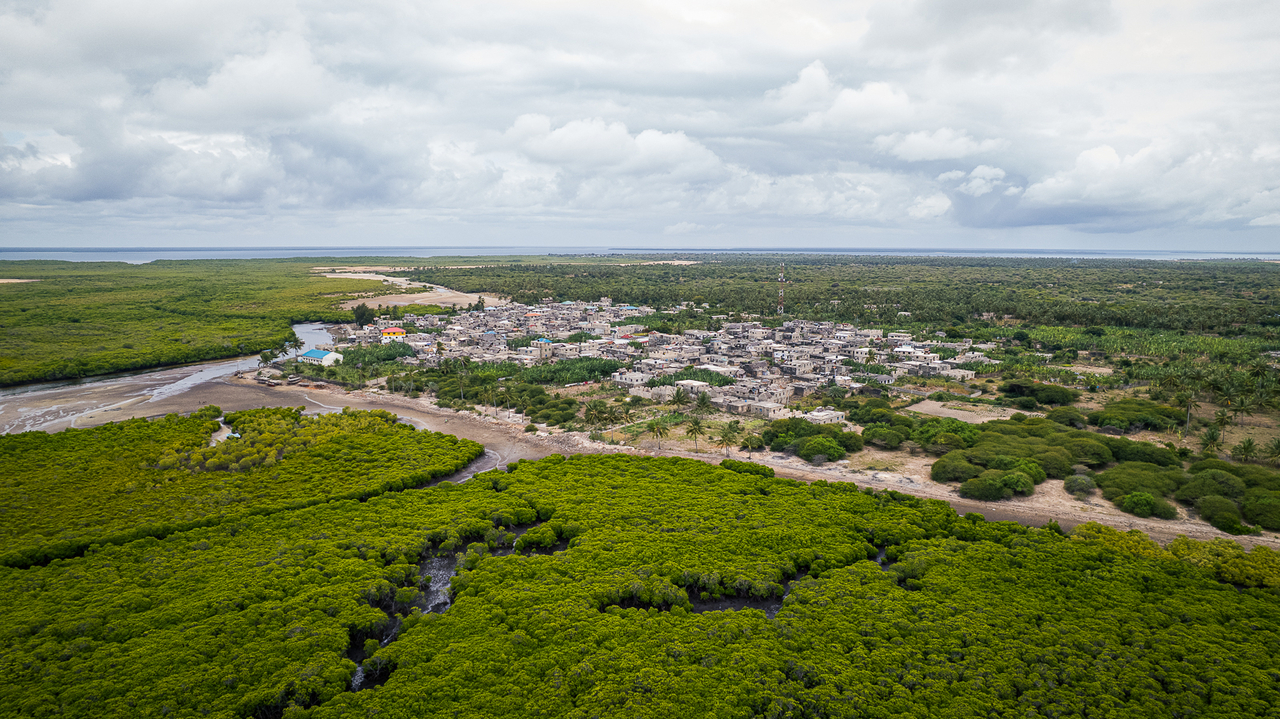
An aerial view shows Pate village bordered by mangroves in Lamu, Kenya. © Anthony Ochieng Onyango
But beach cleanups alone cannot solve the problem. Plastic continues to enter the ocean and travel along the East African coast, making better waste management and action on plastic pollution essential.
“We need policy interventions at municipality, national, and regional levels to streamline plastic manufacture, use, and disposal. We must also build waste management infrastructure for island ecosystems like Lamu and tackle the plastic waste problem at source,” says IFAW Kenya director Ben Wandago.
On Pate Island, community-led conservation is showing how protecting marine wildlife can go hand in hand with creating new opportunities for local people. A gate made from recycled plastic is more than a symbol of the past. It is a practical example of how communities can turn waste into value while helping protect the marine environment they depend on.
Related content
every problem has a solution, every solution needs support.
The problems we face are urgent, complicated, and resistant to change. Real solutions demand creativity, hard work, and involvement from people like you.