Neree Pateman
Logging of Glenbog State Forest puts wildlife at risk
Logging of Glenbog State Forest puts wildlife at risk
Neree Pateman | June 11, 2026
Update (06/11): Logging delayed again
The logging of Glenbog State Forest has been delayed until at least September.
This is a testament to the coordinated pressure placed on Forestry Corporation of NSW. Thank you to everyone who has signed our petition and helped to make this happen. Now, we need to keep up the pressure to ensure the logging machines don’t move in.
A critical window to protect Glenbog’s wildlife
May 20, 2026
There has been a meaningful shift in the campaign to protect Glenbog State Forest.
Following sustained community advocacy and growing public scrutiny, Forestry Corporation NSW has withdrawn from approximately half of the originally proposed logging area. This decision is expected to protect 70 greater glider den trees and 750 wombat burrows—vital habitats for the native species that depend on them.
This progress is a testament to the power of community action and science. Data collected through citizen science and on-ground monitoring has played a vital role in demonstrating the ecological importance of this forest and the risks posed by logging.
But the threat has not been removed.
Logging is still planned for the remaining section of Glenbog State Forest, where wildlife habitats remain at risk of destruction and disturbance. Without continued attention, the gains made so far could be only partial.
This moment represents both a win and a warning. It creates a critical window to strengthen protections for the entire forest—and to ensure that decisions affecting wildlife are guided by robust evidence.
Update: Logging delayed
The logging of Glenbog State Forest has been delayed until at least June 1.
This is a positive sign and testament to the coordinated pressure placed on Forestry Corporation of NSW. Now, we need to keep up the pressure to ensure the logging machines don’t move in.
Please sign and share our petition to protect Glenbog forever.
Logging scheduled to begin
We have received alarming news that logging of Glenbog State Forest could begin before May 11.
By law, ecological surveys for the endangered greater glider must be carried out every six months before logging can occur. If these surveys expire, logging must stop until new surveys are done. The current surveys expire on May 11 — just 10 days after logging is due to start. This means logging could begin while vital protections for wildlife are about to lapse, putting greater gliders at serious risk.
Plans to log ancient forest puts wildlife at risk
In southern New South Wales lies Glenbog State Forest. At first glance, it may look like many other forests. But Glenbog is special.
It is one of the last remaining high‑altitude “cloud” forests in southern New South Wales. Because of its elevation and location, Glenbog stays cooler and wetter than surrounding areas. Low cloud and mist help hold moisture in the forest, even when nearby land dries out.
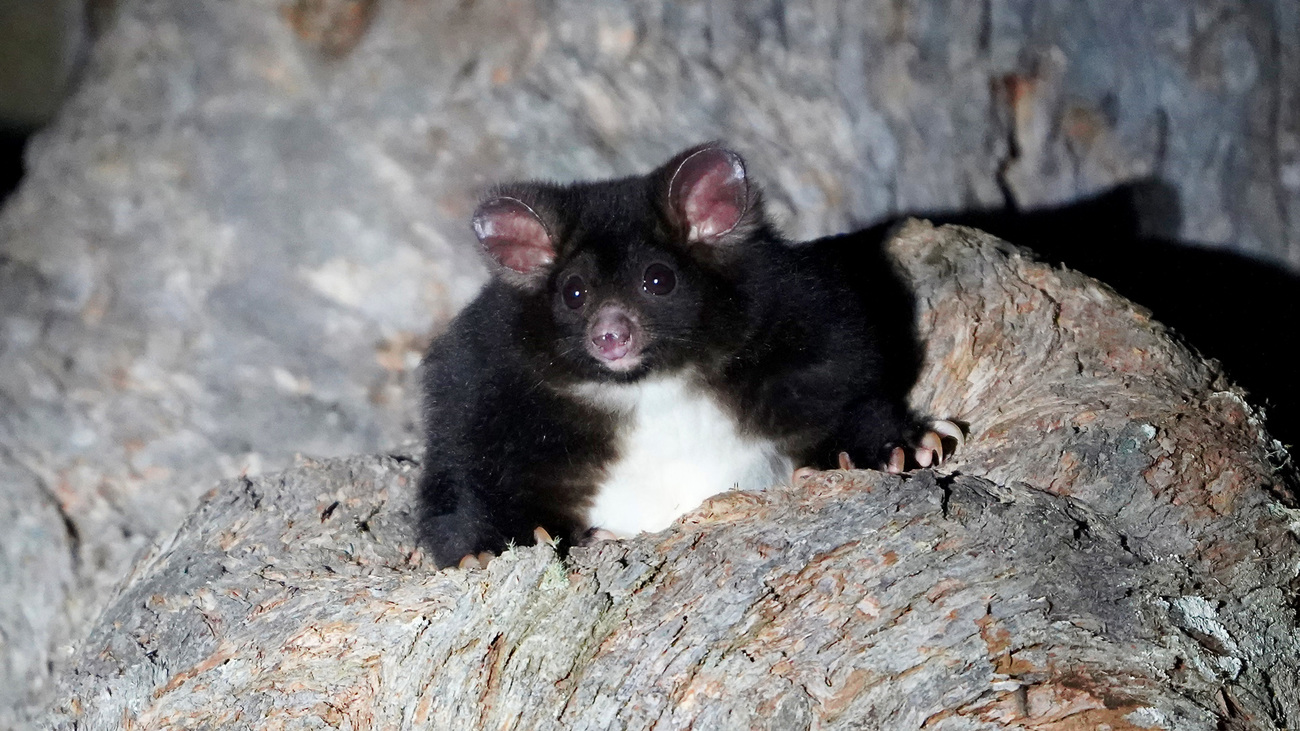
A greater glider in Glenbog State Forest on the NSW South Coast. Photo: © Wilderness Australia
As the climate warms, places like Glenbog are becoming increasingly important. Heatwaves, drought, and bushfires are becoming more frequent and more intense. When other habitats become too hot or dry, forests like Glenbog can provide a safe place for wildlife to survive.
Yet parts of Glenbog State Forest are now slated for logging, including areas known to support threatened species.
A vital home for endangered gliders, wombats, and threatened birds
Glenbog is an important stronghold for two native marsupials: the endangered greater glider and the vulnerable yellow‑bellied glider. These small, tree‑dwelling animals depend on mature forests with old trees and natural hollows for shelter, nesting, and raising young.
Young regrowth forests cannot replace what is lost. Tree hollows can take more than 100 years to form. Once old trees are cut down, gliders lose homes that may not return for generations.
Over the past year, community volunteers surveyed areas planned for logging and recorded:
- 132 greater glider den trees
- A yellow‑bellied glider den tree and several feeding trees
- Widespread signs of glider activity
Every den tree is a home. Each one can mean safety, shelter, and a future for wildlife. When so many homes are inside one logging zone, it raises serious concerns about whether logging should proceed at all.
Glenbog is also a hotspot for bare-nosed wombats. Over 1,000 wombat burrows have been identified in areas scheduled for logging. These burrows are complex underground tunnel systems, often used and expanded over many wombat generations.
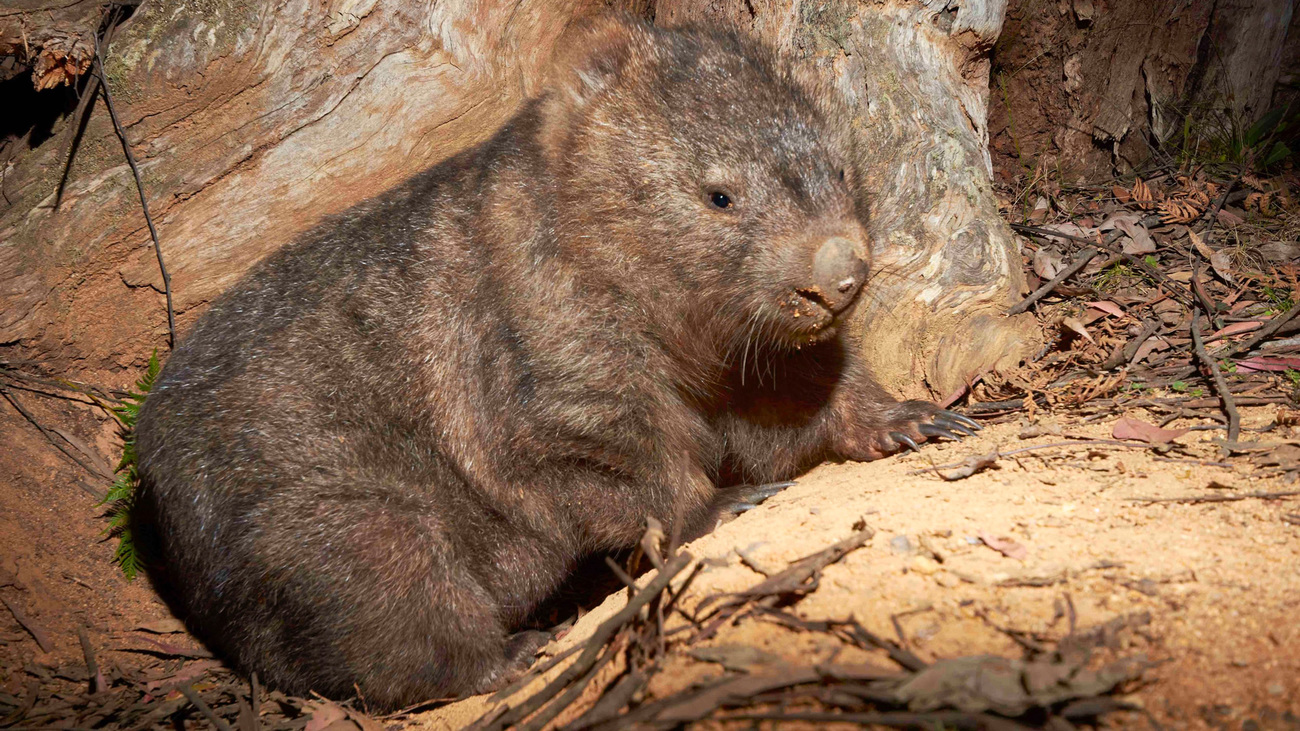
A wombat in Glenbog State Forest on the NSW South Coast. Photo: © Wilderness Australia
Heavy logging machinery can collapse burrows. In previous logging operations elsewhere, wombats have reportedly been injured or buried alive. With hundreds of burrows present, the risk to animals is significant.
The forest supports important birdlife as well. Surveys have recorded flame robins, sightings and calls of the endangered gang‑gang cockatoo, and the presence of powerful owls and sooty owls. These birds are already under immense pressure from widespread habitat loss and climate change.
Why Glenbog matters now
The concentration of gliders, wombats, and birds found in Glenbog shows this forest is far from ordinary. It is a living refuge, rich in biodiversity, and increasingly valuable in a changing climate.
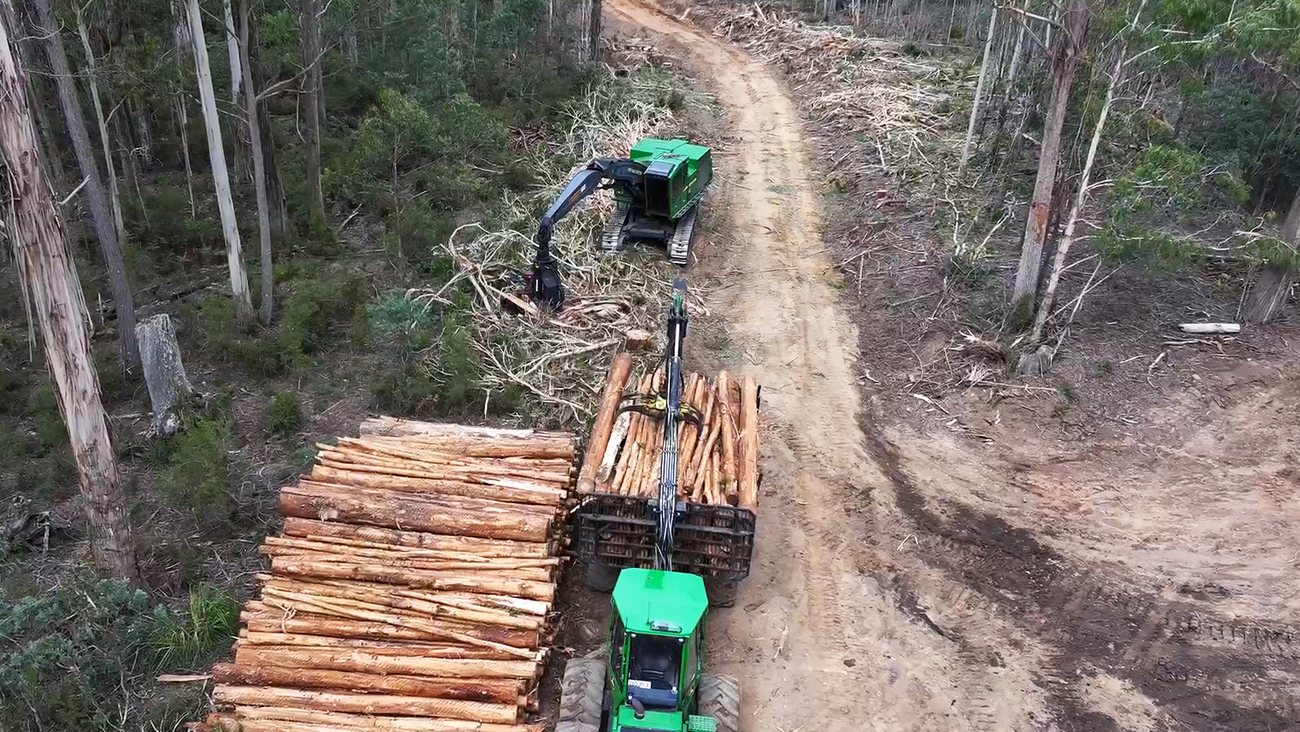
Native forest logging is occurring in Glenbog State Forest on the New South Wales South Coast. It is home to countless threatened wildlife species such as endangered greater gliders and gang-gang cockatoos. But logging operations are destroying the trees these animals call home and collapsing the burrows where wombats live. Leaving wombats to be buried alive. Photo: © Wilderness Australia
Once forests like this are logged, they cannot simply be replaced. Mature trees, nesting hollows, and the cool, stable conditions wildlife relies on can take centuries to recover. Losing them now means we may not see them again in our lifetime.
That is why Glenbog matters and why it deserves protection.
IFAW has joined other organizations across Australia calling for planned logging in Glenbog to stop.
Related content
every problem has a solution, every solution needs support.
The problems we face are urgent, complicated, and resistant to change. Real solutions demand creativity, hard work, and involvement from people like you.