James Isiche
You put your life on the line. The people who come to poach elephants...come with sophisticated weapons. You have to be alert. All the time. But if you take it like a calling, it’s very rewarding.
IFAW at 25: building a future where wildlife and people thrive
For 25 years, IFAW has worked alongside governments, communities, and partners across Eastern Africa to protect wildlife, restore landscapes, and create opportunities for people to thrive.
What began in 2000 as a small regional program responding to rampant poaching and wildlife trafficking has grown into a movement—one that places people at the heart of conservation. From securing elephant corridors in Kenya’s Amboseli landscape to empowering rangers and local conservancies across Uganda and the DRC, IFAW’s impact has been grounded in collaboration and innovation.
As climate change and development reshape Africa’s landscapes, IFAW’s Room to Roam vision offers a hopeful path forward: connected habitats where wildlife can move freely and communities can flourish alongside them.
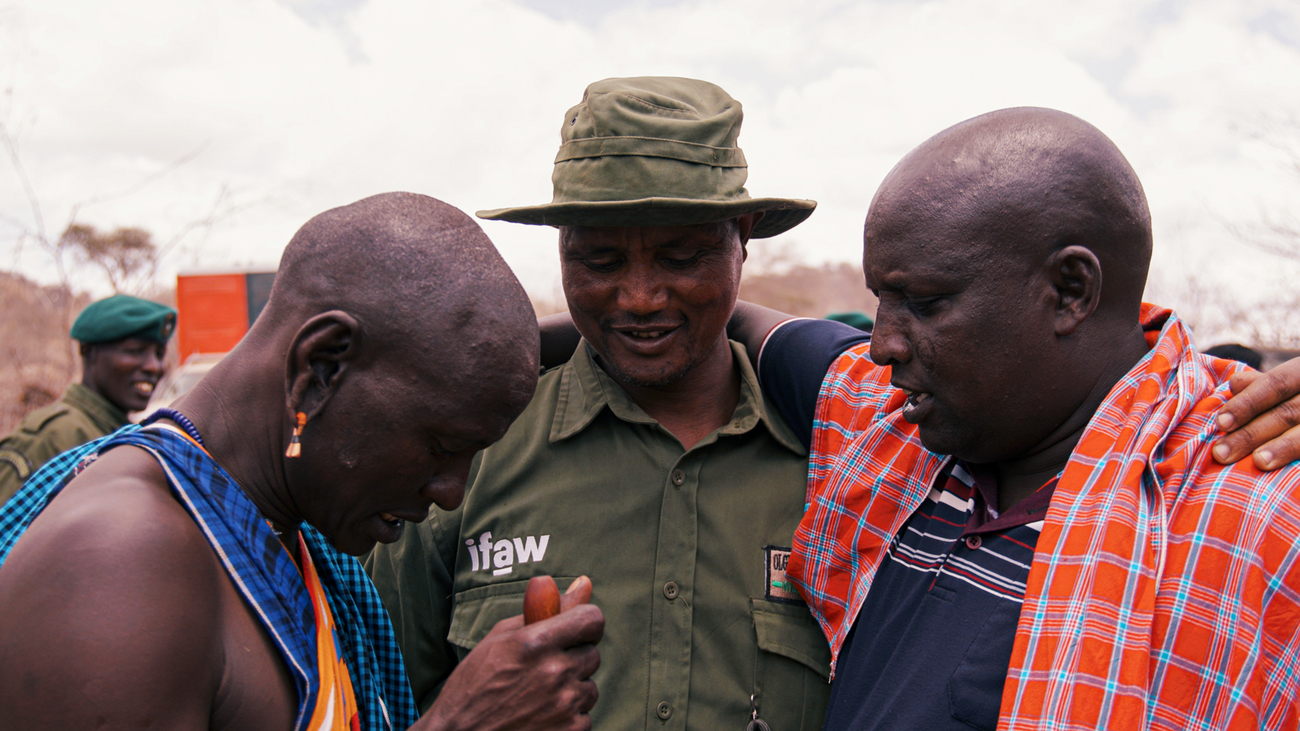
The 1980s and 1990s were a time of upheaval in Eastern Africa. Political unrest, civil wars, and the spread of illegal small arms displaced millions of people and left deep scars across the region. Landscapes were degraded, livelihoods destroyed, and keystone species like elephants and black rhinos pushed to the edge of extinction.
But this turbulent period also brought a crucial realisation: Africa’s natural wealth—its wildlife, forests, and life-giving ecosystems—is not limitless.
Amid crisis, visionary leaders emerged. In Egypt, Dr Mustafa Kamal Tolba steered the United Nations Environment Programme (UNEP) to confront the growing threat of climate change. In Namibia, founding President Sam Nujoma enshrined environmental protection in the nation’s constitution—a first for Africa. In Kenya, Dr Richard Leakey sounded the alarm on poaching and the illegal wildlife trade, inspiring global action to protect elephants and rhinos.
Environmental and social justice movements also found powerful voices in Professor Wangari Maathai and Ken Saro-Wiwa, who linked peace, human rights, and environmental protection. Their courage ignited an environmental awakening across the continent.
In 2000, amid these shifting tides, IFAW opened its Eastern Africa office in Nairobi. The region’s vast protected areas were under siege from organized wildlife crime networks, fuelled by demand for ivory and rhino horn. The ports of Mombasa and Dar es Salaam had become hotspots for global trafficking.
In the 25 years since, IFAW has grown into a trusted conservation partner—working alongside governments, communities, donors, and NGOs to protect wildlife, restore landscapes, and strengthen conservation policy.
In Kenya, IFAW’s support—ranging from ranger training and equipment to community engagement—has helped expand wildlife space and reduce human–wildlife conflict. In Uganda, we’ve strengthened park management and security in areas rebuilding after conflict. In the Democratic Republic of the Congo, anti-poaching training has enhanced ranger safety and capability.
Region-wide, IFAW has been a vocal advocate against illegal wildlife trade, from lobbying for bans on ivory and rhino horn to training judges and customs officers and equipping law enforcement agencies with nonlethal tools.
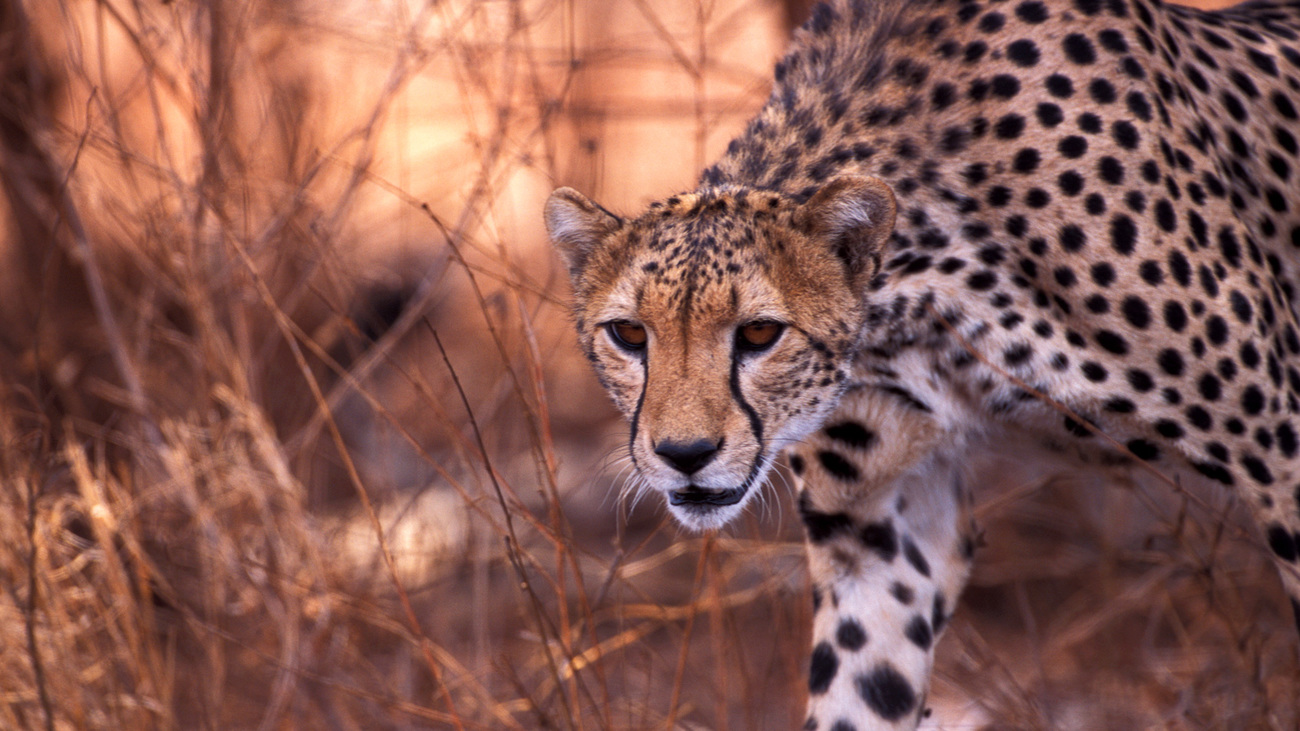
In recent years, most Eastern African countries have embedded community engagement at the core of wildlife management. Through IFAW’s Room to Roam initiative, we’ve helped secure more than 54,000 acres of community land in Amboseli, Kenya, for wildlife migration and dispersal. We’ve improved conditions for community rangers and supported local conservation groups to build livelihoods and resilience in landscapes shared with wildlife.
Climate change, rapid urbanisation, and population growth are reshaping the region’s future. Meeting rising demands for food, water, housing, and jobs will place immense pressure on already fragile ecosystems. If unmanaged, these pressures could fracture habitats and limit the movement of elephants and other species across borders.
Yet, there is reason for optimism. Governments today are stronger, laws more robust, and conservation agencies better equipped. Endangered species like elephants and rhinos are stabilizing, and communities are eager to be part of the solution—if empowered and supported.
As IFAW looks to the next 25 years, our commitment remains clear: to work with governments, communities, and partners to create healthy, connected, and resilient landscapes where animals and people can thrive together.
Through collaboration, science, and innovation, we will continue to secure migration corridors, strengthen community conservancies, and diversify livelihoods across the region.
This is the promise of Room to Roam—a future where elephants, rhinos, and communities move freely, safely, and sustainably across Africa’s landscapes.
James Isiche
You put your life on the line. The people who come to poach elephants...come with sophisticated weapons. You have to be alert. All the time. But if you take it like a calling, it’s very rewarding.
every problem has a solution, every solution needs support.
The problems we face are urgent, complicated, and resistant to change. Real solutions demand creativity, hard work, and involvement from people like you.
Unfortunately, the browser you use is outdated and does not allow you to display the site correctly. Please install any of the modern browsers, for example:
Google Chrome Firefox Safari