Landscape Conservation
In Zambia’s Lower Zambezi, elephants are moving freely again
In Zambia’s Lower Zambezi, elephants are moving freely again
May 29, 2026
By Zanjji Sinkala, contributing writer
From the air, the elephants of Zambia’s Lower Zambezi no longer move in fear.
During a recent patrol flight over the Zambezi River, small family groups wandered calmly across the landscape below, a visible sign that years of anti-poaching and conservation efforts are helping wildlife reclaim ancient movement routes.
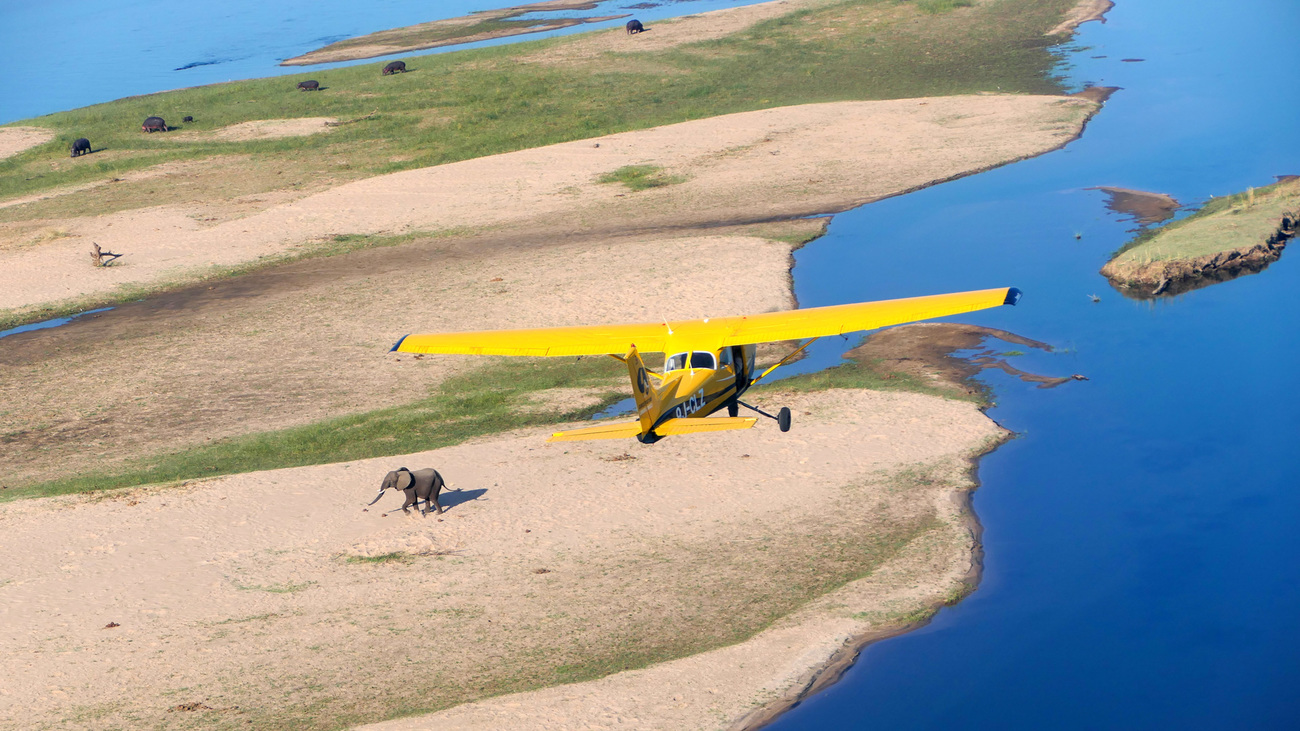
CLZ’s spotter plane conducts an aerial patrol over the Zambezi River in Zambia. The aircraft supports wildlife management, anti-poaching operations, and monitoring of deforestation across the landscape, helping teams respond quickly to threats facing wildlife and ecosystems. Photo: © Conservation Lower Zambezi
Flying in Conservation Lower Zambezi’s (CLZ) Cessna 172, I watched the river snake through forests and escarpments stretching towards Zimbabwe and Mozambique. Below us, elephants moved steadily through the wilderness in groups of three, eight, and ten, rather than gathering in large defensive herds.
Conservationists see this behavioural shift as a sign of recovery—a more natural rhythm returning to one of southern Africa’s most important elephant landscapes.
Supported by IFAW’s Room to Roam initiative, CLZ combines aerial surveillance, ranger support, legal enforcement, and community partnership to help secure a vital transboundary wildlife corridor connecting Zambia’s Luangwa Valley with Zimbabwe’s Mana Pools and Mozambique’s Tchuma Tchato.
The Lower Zambezi is home to elephants, lions, leopards, wild dogs, and hippos, but the landscape remains under pressure from poaching, illegal mining, wildlife trafficking, and organised crime operating along the river.
Protecting an elephant corridor across borders
The Lower Zambezi is more than a national park. It forms part of a vast connected landscape that allows elephants and other wildlife to move across borders in search of food, water, and breeding grounds.
“Lower Zambezi is one of Africa's last strongholds of elephants,” says Ian Stevenson, CLZ’s CEO and co-founder. “When we started, elephants would bunch into huge herds, stressed and moving in panic. Now we’re seeing smaller groups of three, eight, ten, or even twenty moving naturally through the ecosystem. That’s a real success for the Department of National Parks and CLZ.”
Connectivity sits at the heart of IFAW’s Room to Roam vision—ensuring elephants and other wildlife can move safely across landscapes and borders, while communities benefit from healthier ecosystems.
Eyes in the sky
Covering 20,000 square kilometres of protected areas surrounding Game Management Areas, CLZ’s aerial patrols have become indispensable.
The organisation’s spotter plane helps detect more than half of all illegal activity recorded in the landscape, including elephant carcasses, bushfires, illegal fishing camps, and gold mining pits carved into fragile river systems.
The terrain below is rugged and difficult to patrol on foot. Once illegal activity is spotted from the air, ground teams can respond far more quickly.
But rangers often face armed resistance.
“These guys don’t just walk away,” one ranger said during a drive in the park. “They fight back. They know the bush better than anyone.”
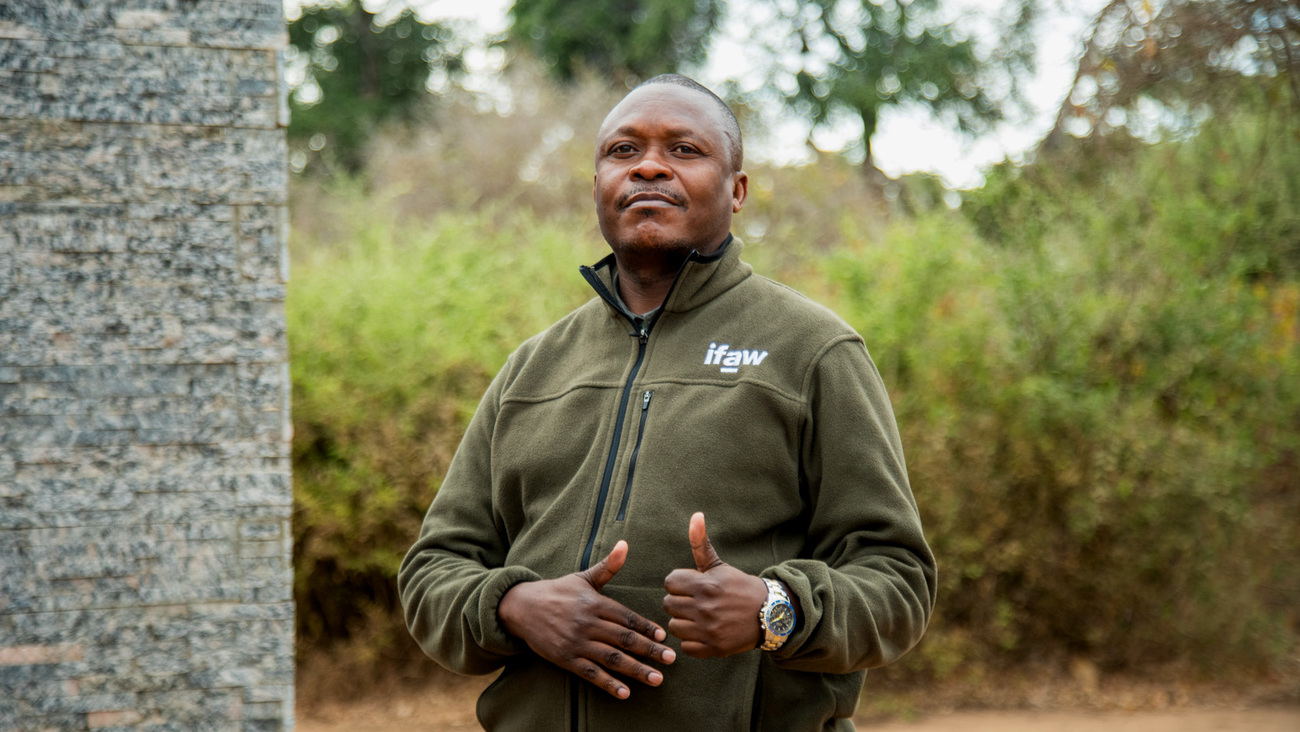
Chris Kaoma, IFAW’s Head of Programs for Zambia at the Chongwe check point of Lower Zambezi NP. Photo: Jesse Maree / © IFAW
The Zambezi River itself has become another frontline for organised crime syndicates moving bushmeat, ivory, firearms, and mining equipment across borders.
“There is trafficking backwards and forwards across the river,” Stevenson explains. “Zambians cross into the Zimbabwean side because there’s little population there, so it’s easier to poach bushmeat or ivory. But it also goes the other way.”
Illegal fishing adds further pressure, with banned gear and destructive methods depleting stocks. Meanwhile, illegal gold mining poisons the river with mercury and cyanide, threatening both wildlife and the communities that depend on it.
Why IFAW’s support matters
For CLZ, the Room to Roam initiative has been transformative.
The partnership helps fund ranger accommodation, fuel, aerial patrols, field equipment, and legal enforcement, while strengthening the capacity of Zambia’s Department of National Parks and Wildlife (DNPW) to protect the landscape over the long term.
“For us, this is a very critical landscape,” says Chris Kaoma, IFAW’s Field Operations Manager. “IFAW’s vision is to create room for animals to roam. Our partnership with CLZ helps restore and protect the Lower Zambezi and its surrounding ecosystem.”
He adds: “This support is essential because it enables DNPW to lead. We’re not replacing them—we’re helping them fulfil their mandate more effectively.”
IFAW’s support has also contributed to practical infrastructure improvements, including upgraded ranger housing and elevated water tanks designed to withstand damage from elephants and other wildlife.
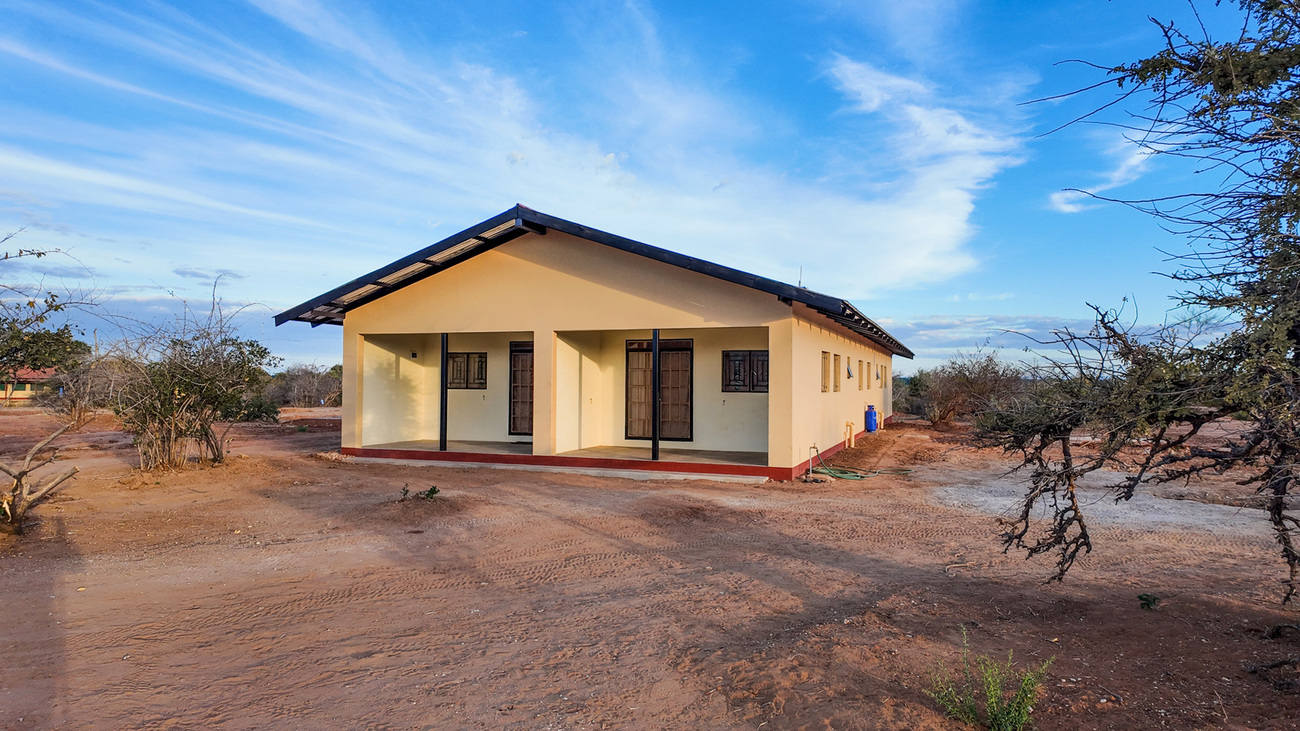
A CLZ accommodation blocks, funded with IFAW support. Photo: Jesse Maree / © IFAW
Strengthening wildlife crime enforcement
In 2018, CLZ hired a legal assistant to strengthen the prosecution of wildlife crime cases in the Lower Zambezi. The role supports DNPW and Zambia’s National Prosecution Authority by helping guide investigations, manage case files, and track wildlife crime trends across the region.
“This project is vital in supporting the government’s fight against wildlife crime,” says Chilufya Chongo, CLZ’s Legal Assistant. “We’ve seen reductions in pangolin cases, firearm crimes, and poaching. People know we’re working hard to stop these illegal activities.”
The results have been significant. Since 2018, the Lower Zambezi has maintained a wildlife crime conviction rate of more than 80%, reaching a national record of 94% in 2024.
Securing the future of elephants in Zambia
Despite the progress, threats to the Lower Zambezi continue to grow. Encroachment, mining activity, and organised crime are steadily placing pressure on the park and its surrounding ecosystems.
“Ultimately, this work must be Zambian led,” Stevenson says. “With partners like IFAW, we have a fighting chance.”
By embedding its Room to Roam vision in Zambia, IFAW is helping secure the Lower Zambezi as a critical landscape for elephant conservation and connectivity, ensuring wildlife can continue moving safely across borders while communities build resilience alongside nature.
From the air, the difference is already visible. In a landscape once shaped by fear and poaching, elephants are beginning to move naturally again across rivers, forests, and borders that have connected wildlife for generations.
Related content
Every problem has a solution, every solution needs support.
The problems we face are urgent, complicated, and resistant to change. Real solutions demand creativity, hard work, and involvement from people like you.
DonateIFAW affiliates are registered as tax-exempt nonprofit organizations in several countries. Depending on where you reside, your donation may qualify for a tax deduction or benefit. See the pull-down menu at the bottom right of this page to see how IFAW operates in your country.