November 10, 2025
New national poll finds overwhelming support among Americans for wildlife protections and nature‑based policymaking
ICAN
Now, more than ever, your voice is needed to enact change for imperiled wildlife in the US and around the globe. The IFAW Conservation Action Network (ICAN) is a nationwide platform for public advocacy, giving you an opportunity to improve and strengthen animal welfare and conservation policies.
As an ICAN advocate, you’ll receive policy updates and issue alerts with specific opportunities to add your voice to a chorus of advocates across the country. ICAN advocates help educate decision-makers and encourage responsible conservation policies that protect wildlife and critical habitat areas here at home and worldwide.
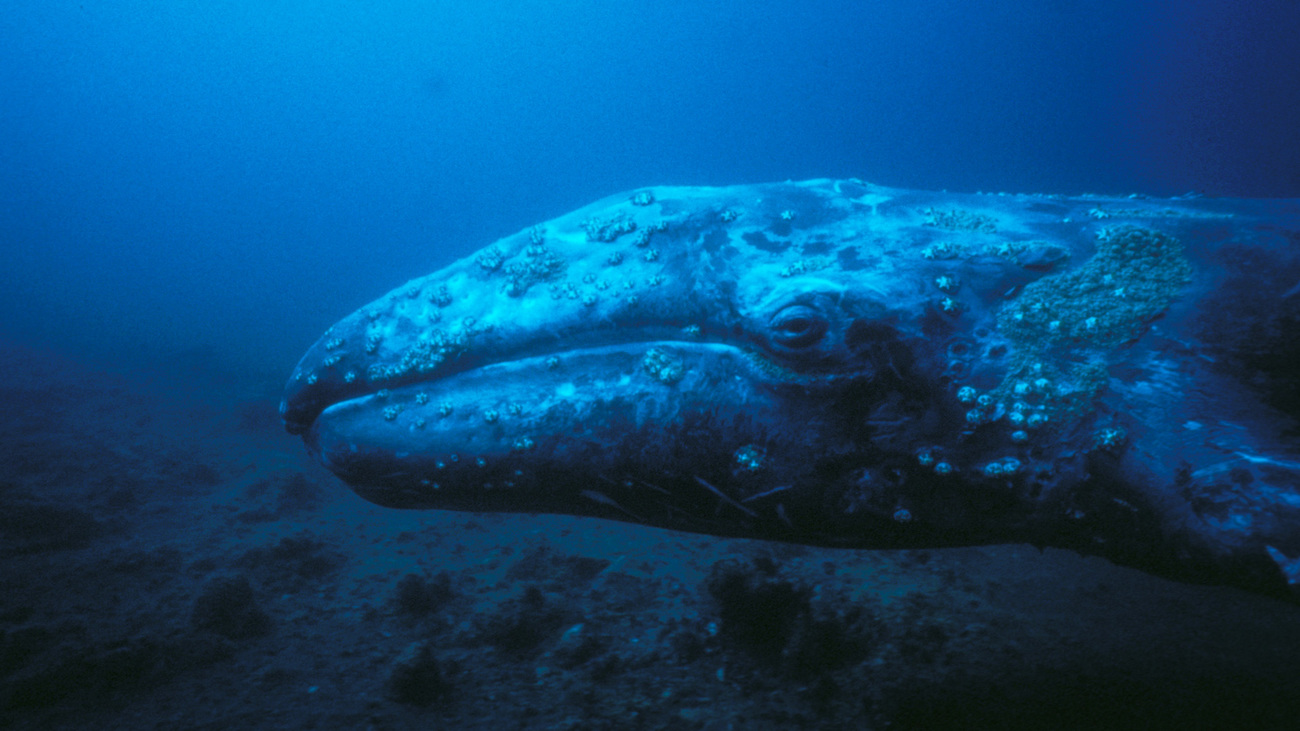
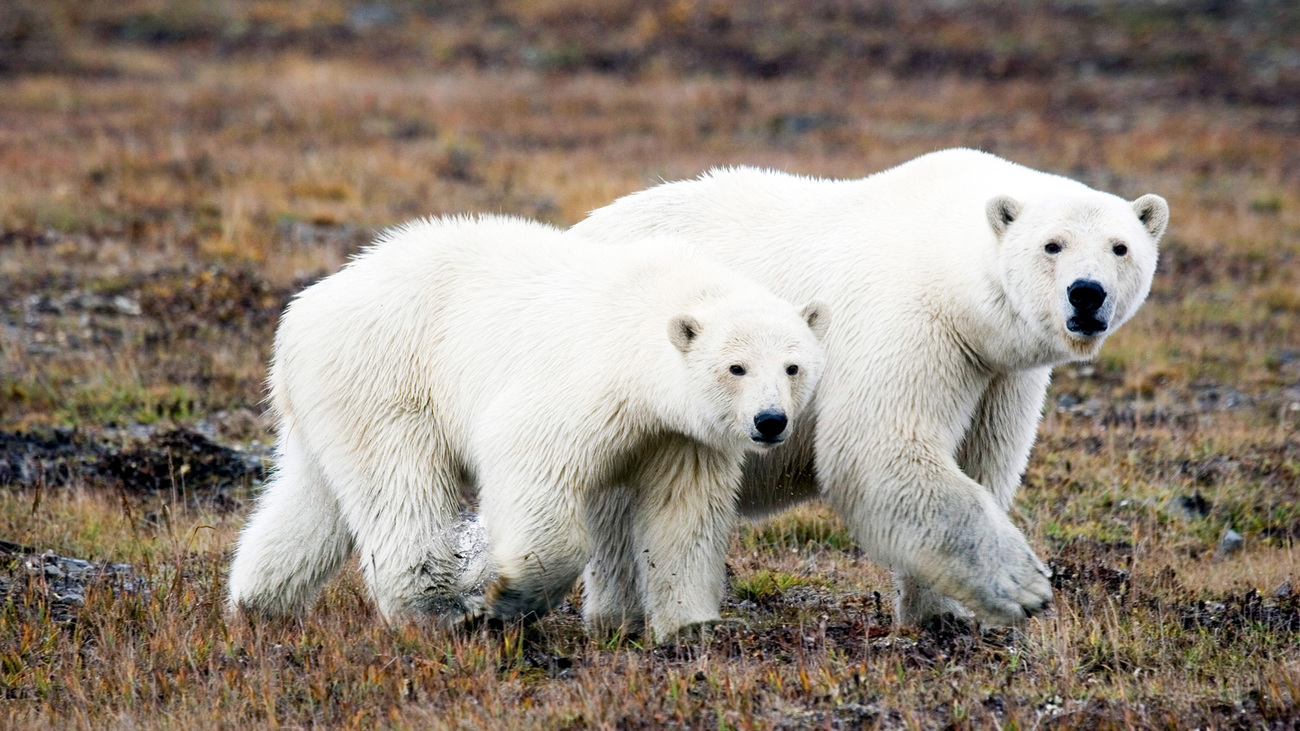
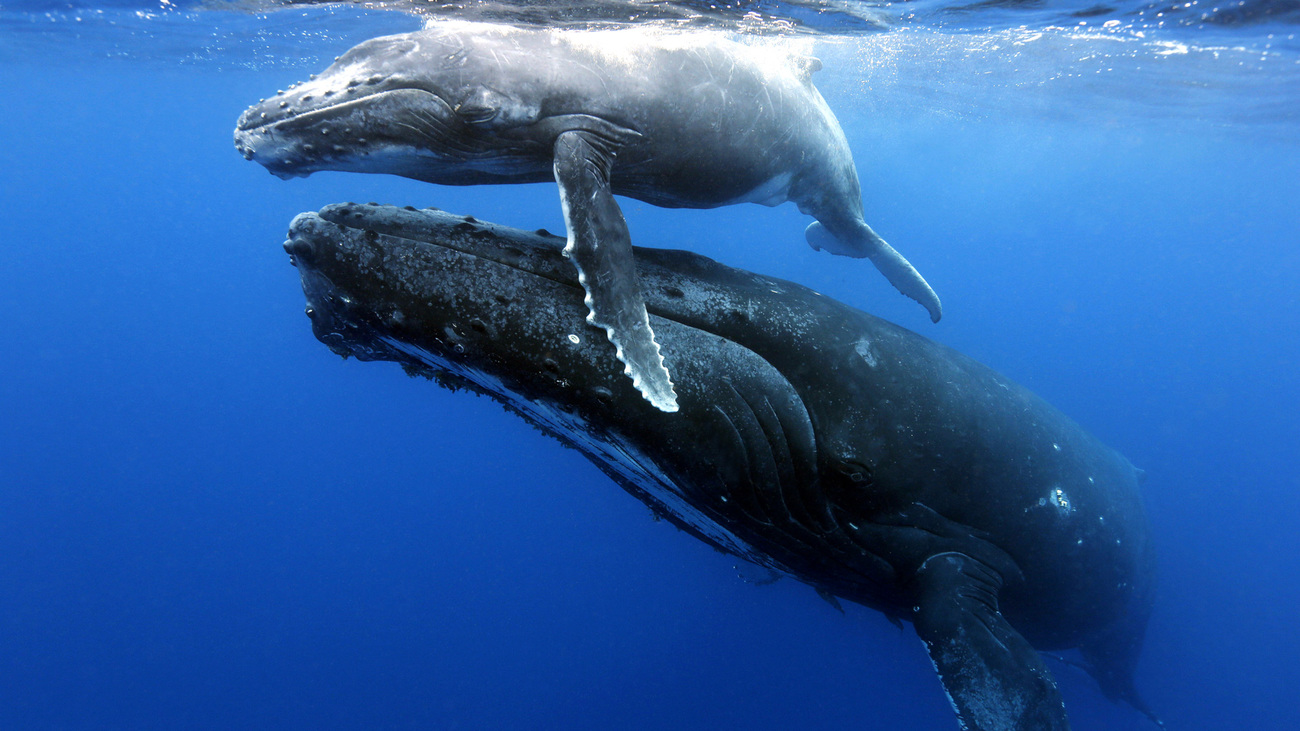
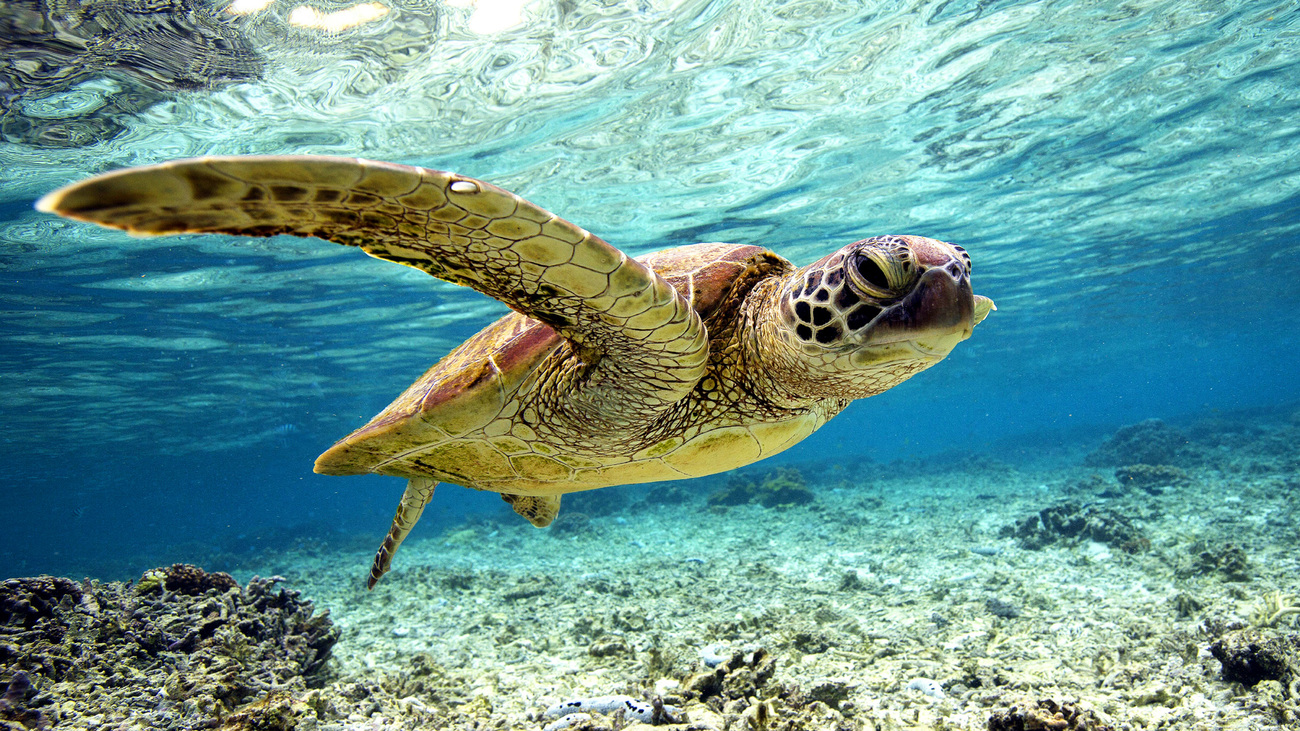
Animals threatened by disasters, endangered species caught up in the illegal wildlife trade, dolphins, turtles, whales and other marine life facing lethal threats just off our shores, terrestrial animals trapped in shrinking natural habitats—all of them need our help. IFAW and our partners are responding on a daily basis, rescuing, rehabilitating and releasing animals into safe habitat areas around the world.
This lifesaving work is vitally important. But for sustained and lasting change, informed and timely actions are needed by elected and appointed government officials and other stakeholders to ensure US conservation leadership, at home and abroad, and effective conservation policies.
ICAN advocates play a critical role in this work by helping educate local, regional and national policymakers on key initiatives and opportunities, driving change to protect animals and the wild places on which their survival and our own depend. Well-timed outreach to your elected and appointed government officials through calls, personal correspondence, petition signatures, letters to the editor and social media all make a difference. By engaging in these activities, ICAN advocates help ensure progress on issues and policy decisions that matter.
November 10, 2025
New national poll finds overwhelming support among Americans for wildlife protections and nature‑based policymaking
June 16, 2025
Pangolins proposed for U.S. Endangered Species Act protections
May 22, 2025
New “Wildlife Confiscations Network Act” will help save smuggled animals across the US
May 20, 2025
What a halt of US conservation funding means for national security and the illegal wildlife trade
May 13, 2025
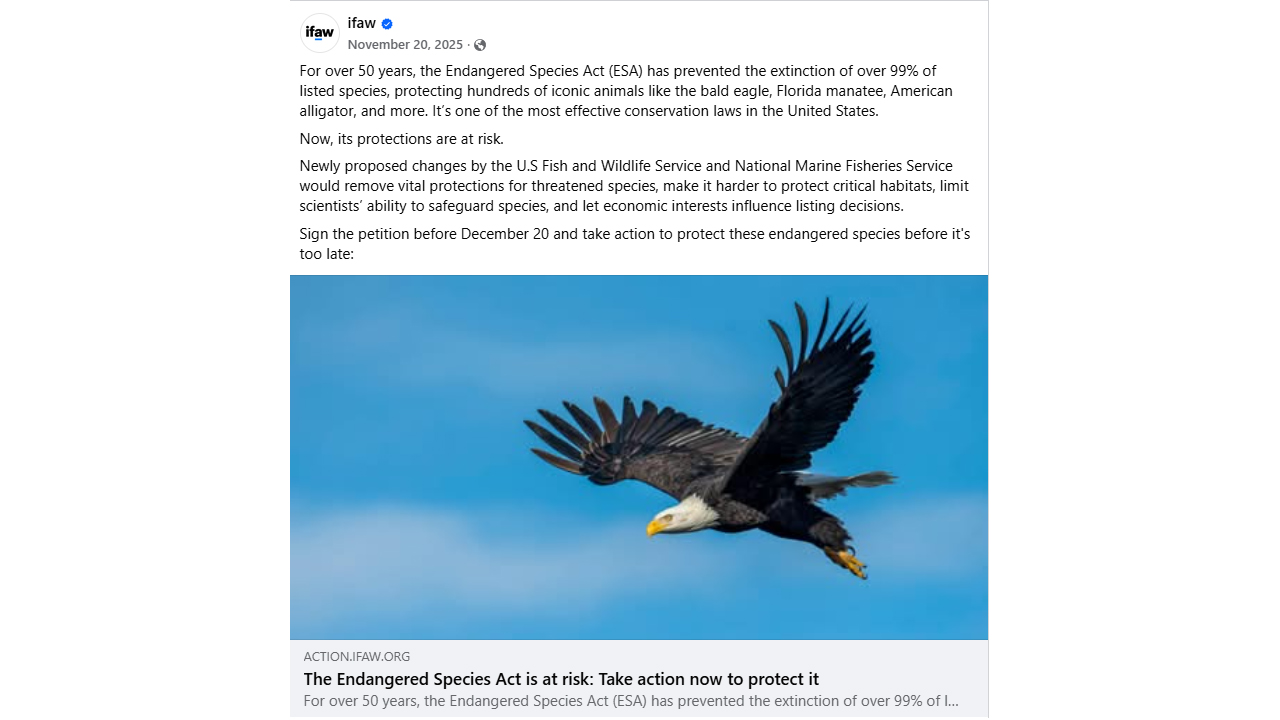
Safeguard the Endangered Species Act, a vital shield for wildlife and ecosystems
May 5, 2025
Protecting people and primates: IFAW stands against the “pet” primate trade
See our current opportunities to voice your support for wildlife to your elected representatives and government officials. Visit our Take Action page to see all global action opportunities.
ICAN provides you with opportunities to participate in collective advocacy activities. But if there is an issue you particularly care about, you can conduct impactful outreach as an individual. Local, state, and federal elected officials want to hear their constituents' stances on issues, and there are many ways to be heard.
Use the Find Your Members tool on Congress.gov to identify your members of Congress and view their contact information.
You can use one of the methods below to make your position known. Your elected officials are concerned with their constituency, so make sure to identify yourself as a member of their district or state.
Do your research! Gather key facts about the issue you are advocating for, and the person you are addressing. Find out what Committees and Caucuses your representative sits on, if they have sponsored relevant legislation, and if they have any connections to the issue.
However, you don’t need to be an expert - provide personal stories and give your perspective on why it matters to you as a member of their district. Elected officials often hear from experts about wildlife issues, so your job is to be a local voice on the matter.
Make an ask when you reach out to elected officials. Whether it is to support or oppose a piece of legislation or simply to speak to their colleagues about an issue, providing a clear and achievable ask is a critical component to advocacy. If applicable, include the name of the legislation that you are contacting them about.
Congressional staffers consider regular phone calls the most effective form of constituent communication. Find your members’ contact information above or call the Capitol switchboard at (202) 224-3121 and ask to be connected with their office.
Here is a sample script you can adapt for any advocacy ask:
“Hello, my name is [NAME] and I am a constituent from [CITY, STATE]. I am contacting your office to ask [SENATOR OR REPRESENTATIVE NAME] to [ADVOCACY ASK].
As a voter, I am concerned about [ISSUE] because [IMPACT]. [OPTIONAL – ADD ANY OTHER RELEVANT BACKGROUND, EVIDENCE, or PERSONAL STORIES].
Again, I urge [SENATOR OR REPRESENTATIVE NAME] to [ADVOCACY ASK].
Thank you for your time and consideration.”
Here’s an example:
“Hello, my name is Katie, and I am a constituent from Washington, D.C. I am contacting your office to ask Representative Norton to oppose the ESA Amendments Act of 2025 (H.R 1897).
As a voter, I am deeply concerned about this bill because it would gut the Endangered Species Act and put our endangered animals at risk of extinction. The Endangered Species Act has prevented the extinction of over 99% of its listed species. My community in D.C is passionate about animal welfare, and we strongly support our bedrock environmental laws like the Endangered Species Act.
Again, I urge Representative Norton to oppose the ESA Amendments Act of 2025 (H.R 1897). Thank you for your time and consideration.”
Tip: You can ask to leave a message for your representative’s staffer who deals with the issue you are calling about – for IFAW, this is typically this is the Animal Welfare and/or Environment staffer.
Social media is a convenient tool for delivering messages farther and faster. Raise awareness about threats to wildlife within your communities by posting or reposting about key issues and sharing opportunities to engage via ICAN or other action platforms.
You can also address your elected officials directly on their public platforms to get your opinions seen. You can ask them to vote a certain way if they sit on key Committees, draw attention to potential threats that they can act upon, and share messages of appreciation celebrating wins for wildlife, like pro-environmental legislation getting passed.
Meeting with your representatives and their staff in person or virtually is a powerful method to communicate your concerns. By putting a face to the issue, they can see firsthand how their voters feel about certain actions. You can call or email offices to ask for a meeting or show up in person at town halls and other public events.
The script above can be used as a starting point for meetings. Personalize your message by including how the issue impacts your district or state and make a clear ask. If you are interested in meeting with your Congressperson to represent an issue you care about, we can help you prepare. Contact us at sseaberg@ifaw.org to get started.
Become a member of ICAN to be notified of opportunities to take action and protect animal welfare. By signing up you will receive:
If you're facing any issue with the above form, please try using the online form here.
Unfortunately, the browser you use is outdated and does not allow you to display the site correctly. Please install any of the modern browsers, for example:
Google Chrome Firefox Safari