Matt Collis
Policymakers’ decisions about wildlife have to be seen as an integral part of governance—not just an add-on.
Wildlife wins and warnings: what this year’s decisions mean for animals
As world leaders gathered in Samarkand for the Convention on International Trade in Endangered Species of Wild Fauna and Flora (CITES), one message came through clearly. Wildlife is in crisis, and world leaders know they need to act.
Over two weeks of negotiations, governments agreed on new protections for hundreds of species threatened by international trade. IFAW welcomed a wave of decisions that will offer wildlife better protections—especially sharks and wild animals in demand from the exotic pet trade.
The convention delivered some major victories, but in doing so, also exposed the urgent and growing pressures facing many species.
Below is an overview of the biggest wins—and the stark warnings—from this year’s CITES meeting.
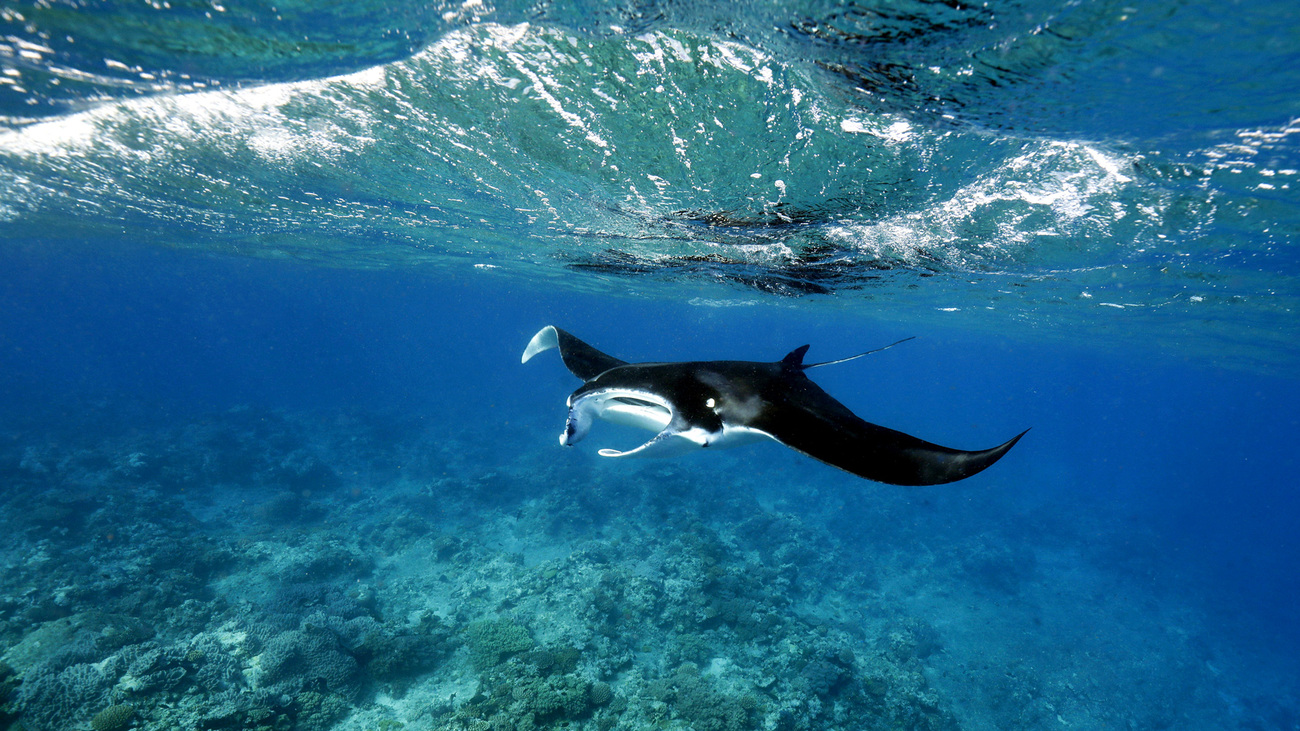
In one of the most consequential outcomes of the conference, governments voted to list a number of the most endangered shark and ray species to Appendix I—the highest level of protection CITES can offer.
The critically endangered Oceanic whitetip was the first shark granted this protection—which was dubbed as the “last hope” for the species. While conservationists celebrated this result, this species is still at risk of extinction, and they face a long road to recovery ahead.
Following this, whale sharks—the world’s largest fish—that are still heavily targeted for their fins were also granted this protection. Manta and devil rays (mobulids) were also granted Appendix I protections. All nine known species are threatened with extinction with some even declining by over 90%. This decision shuts down commercial international trade in whale sharks and mobulids and could help pull these species back from the brink.
Guitarfishes and wedgefishes received a zero-export quota, effectively halting legal international trade.
Tope and smooth-hound sharks were added to Appendix II for the first time, meaning their trade will be regulated and managed. The mysterious deepwater gulper sharks, which are targeted for their liver oil that is used in cosmetics, were also given this level of protection.
These decisions mark a crucial turning point for some of the ocean’s most threatened animals.
Proposals were put forward to enable stockpiled rhino horn and elephant ivory to be traded from Namibia. But IFAW stressed that attempts to reopen the ivory and rhino horn trade would hand traffickers exactly what they want—a convenient cover to launder illegal horn and ivory.
Elephants and rhinos have endured decades of intensive poaching for their tusks and horns, pushing populations to the brink. Past CITES decisions to allow sales of stockpiled ivory in 2008 triggered a surge in poaching as traffickers exploited the difficulty of distinguishing legal from illegal ivory.
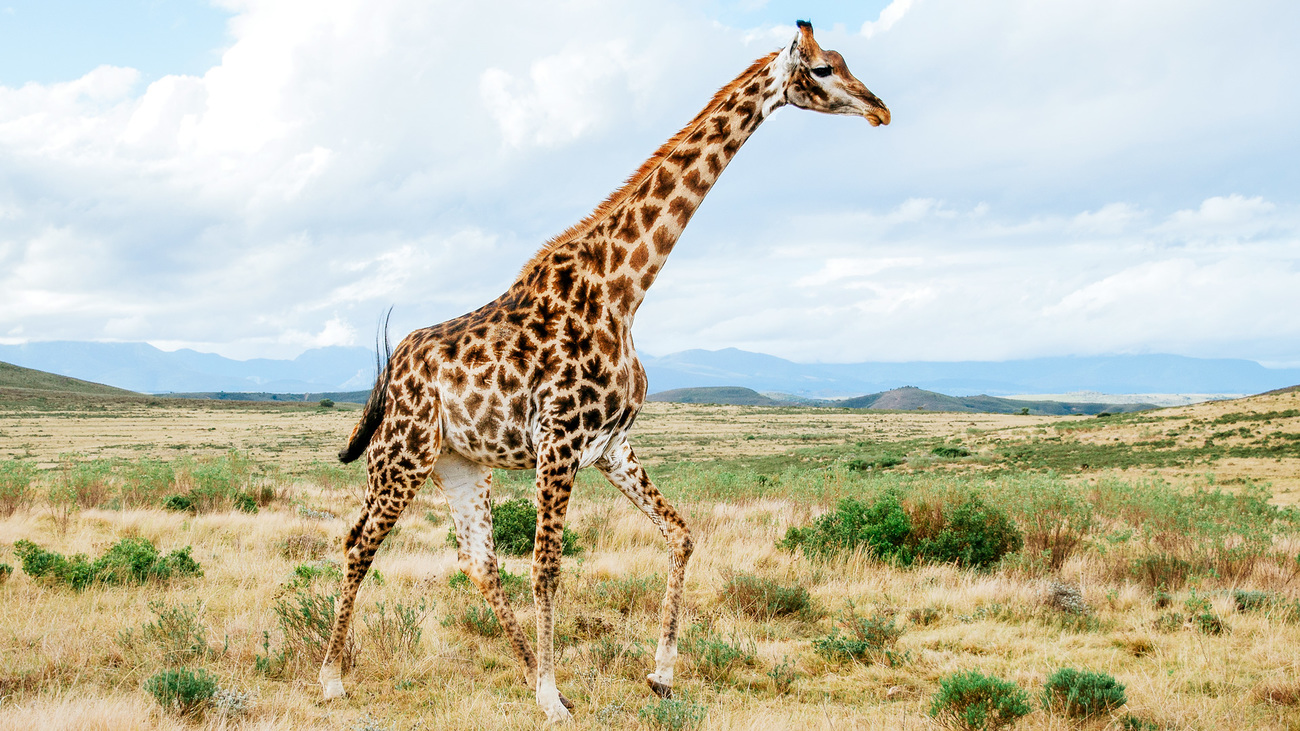
Giraffes have also suffered a dramatic decline in numbers, with some scientists referring to it as a “silent extinction”. However, until recently, the extent to which giraffe products were in international trade was relatively unknown. Their CITES listing in 2018 means there is now evidence showing the extensive trade in bones, bone carvings and skin pieces—highlighting the ongoing international demand. Governments over the past two weeks agreed to keep these vital protections in place.
Leaders agreed these animals are already up against numerous challenges, so everything must be done to protect them.
This year’s conference delivered significant progress for wildlife threatened by the exotic pet trade. Of the 51 proposals received, 12 of the proposals related to wild animals traded as pets.
This covers over 80 species—including reptiles, primates, songbirds and sloths.
Historically, discussions have primarily focused on animals traded for their parts and derivatives, like ivory or horns. This conference solidifies a concerning growing trend for the demand in live wild animals traded as pets, especially reptiles and birds, that jeopardises the future survival of wild populations.
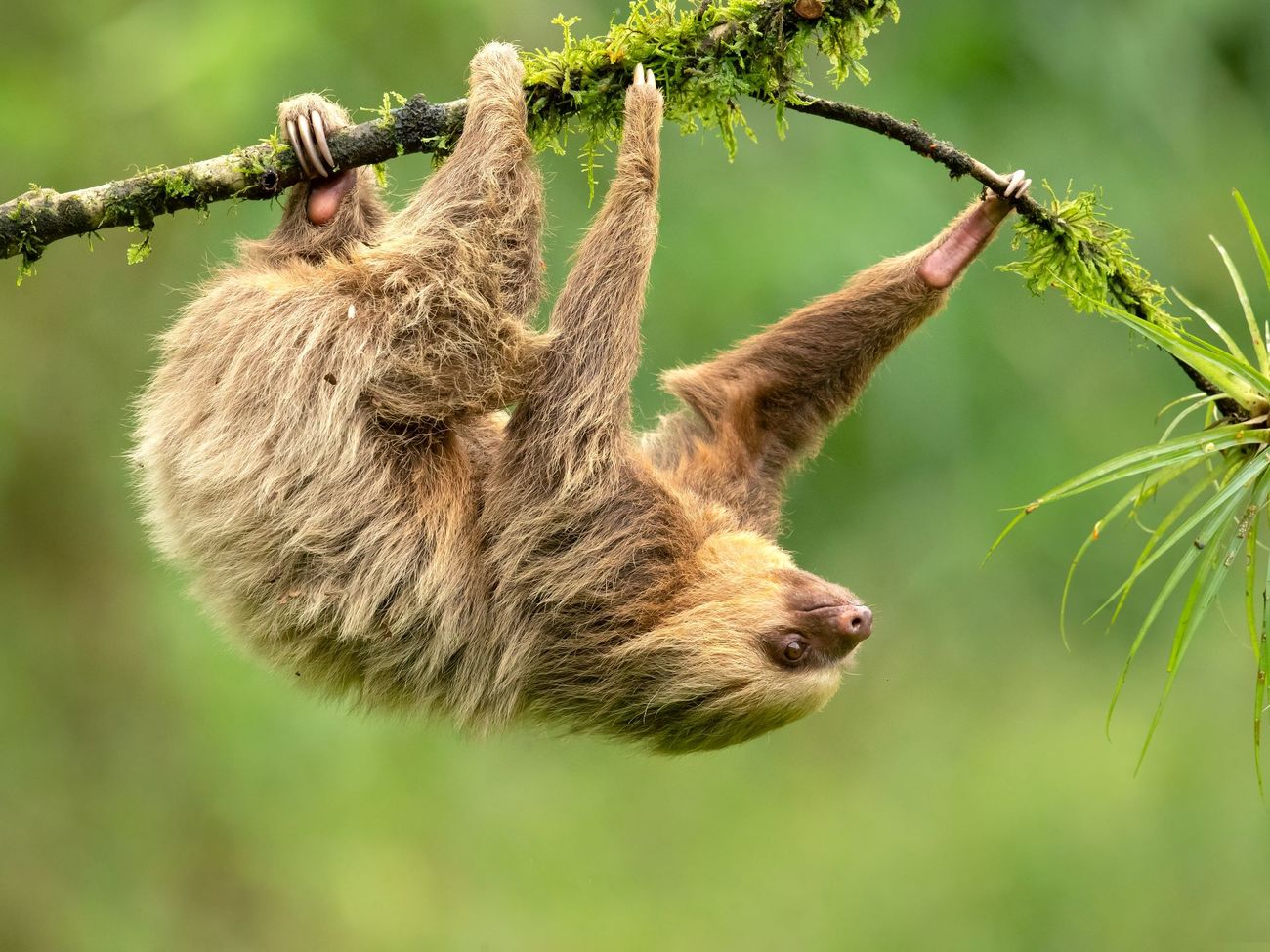
Two species of sloths—Linnaeus’ and Hoffmann’s—were added to Appendix II. Although globally two-toed sloths are currently considered as ‘least concern’, populations in some countries are threatened and they’re on a concerning downward trajectory. These sloths are increasingly being taken from their natural habitats, and sold—either into the exotic pet trade, or displayed in roadside “sloth encounter” attractions, particularly in the United States.
For songbirds, the great-billed seed-finch was moved from Appendix II to Appendix I and other seed-finches are included on Appendix II. These birds are celebrated for their beautiful songs and traded for traditional singing competitions, but the growing popularity of such practices has led to rapid decline in populations.
A number of reptiles were also granted Appendix I level protections, including the Hispaniolan giant galliwasp, Bale Mountains adder and Ethiopian mountain adder, home’s hinged tortoise and the Galápagos marine and land iguana.
Galápagos iguanas—found nowhere else on earth other than isolated islands that form the Galapagos archipelago in Ecuador—have become highly sought-after pets. Despite Ecuador’s strict laws banning the export of iguanas for commercial purposes, they continue to be found for sale in online marketplaces, often falsely declared as captive bred.
Also granted stronger protections were the Australian Mount Elliot leaf-tailed gecko and ringed thin-tailed gecko that were listed on Appendix II.
While many species gained protections, this conference also underscored how deeply wildlife trafficking has infiltrated the global pet market.
Not every proposal passed. Several South American tarantula species failed to secure Appendix II listings, leaving them vulnerable to rapidly growing international trade.
Still, this CITES delivered far more wins than losses.

Every listing, every regulation, and every loophole closed has real-world consequences for wildlife. From the smallest gecko to the largest shark, species pushed toward extinction by human demand are finally gaining the protections they need.
But these protections are only the beginning.
At IFAW, we’ll continue working with governments, communities, and partners to ensure these decisions translate into meaningful action on the ground and in the water —and to push for even stronger safeguards in the years ahead.
Matt Collis
Policymakers’ decisions about wildlife have to be seen as an integral part of governance—not just an add-on.
Our work can’t get done without you. Please give what you can to help animals thrive.
Unfortunately, the browser you use is outdated and does not allow you to display the site correctly. Please install any of the modern browsers, for example:
Google Chrome Firefox Safari