Blog
Australia's ivory trade didn’t disappear, it went online
Read moreWhat elephant numbers really tell us
Counting elephants is complex, but understanding how populations grow, move, and recover is the key to their survival.
By Peter Borchert, writer and conservationist
Africa's elephants are endlessly debated, frequently miscounted, and often misunderstood. Headlines swing between claims of runaway population growth and warnings of imminent collapse. Yet the truth lies somewhere in between. To make sense of the numbers—and to protect elephants wisely—we must look beyond the totals. How elephant populations change over time, move across landscapes, and respond to human pressure matters far more than a single count.
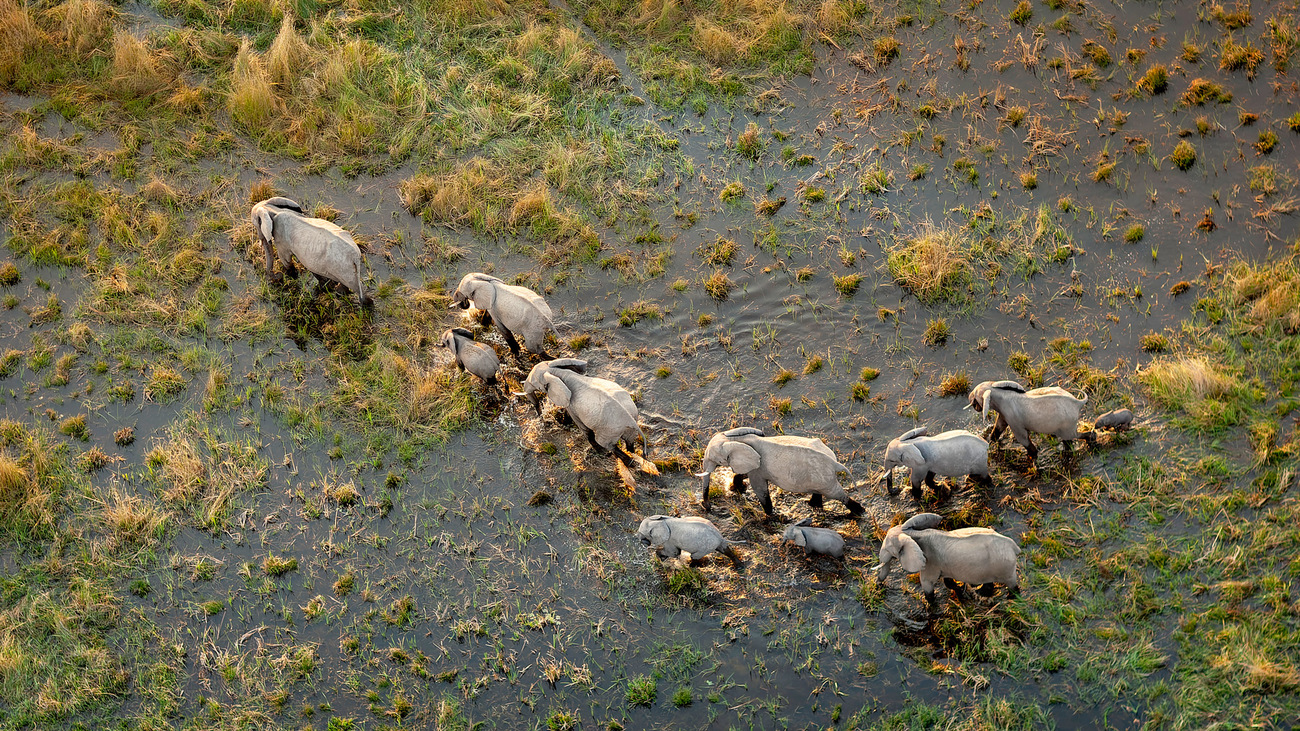
Of the many divisive issues that regularly surface in African conservation circles, elephants—or to be more precise, their numbers—are certainly one. Mainstream media, social platforms, and public debate often fall into the binary trap of "too many" or "too few" elephants. But numbers without context can do more harm than good.
It does matter how many elephants there are, and where. These numbers guide decisions—where to protect, when to intervene, how to manage land, and whether to justify actions like ivory trade. Large populations can trigger fears of habitat damage. Small populations raise alarms about extinction.
We know elephant numbers have crashed. From an estimated 25 million in pre-colonial times to just 1.3 million by the late 1970s, and now fewer than 500,000 remain. This loss, driven by habitat destruction and ivory poaching, is staggering.
Since the 1960s, numerous attempts have been made to estimate Africa's elephant population. But counting elephants isn't easy. Aerial surveys are the most common method, but accuracy varies due to weather, visibility, observer skill, and funding. Elephants often roam in low densities over vast areas, making them even harder to track.
The ongoing Pan-African Great Elephant Census, the most comprehensive survey to date, estimated 352,271 savannah elephants across 18 countries. Worryingly, it revealed a 30% decline between 2007 and 2014 and an ongoing annual decline of 8%. In some places, elephant populations could collapse within decades, and poaching remains the biggest threat.
Calls to restore elephant numbers to historical highs may be well-meaning, but they're unrealistic. What matters now is protecting the elephants we still have—and that means understanding their movement, growth, and the pressures they face.
Elephants are scattered across 5.2 million square miles of Africa’s grassy woodlands—about half the continent's land area. Some populations thrive inside protected areas. Others, especially in central and western Africa and parts of East Africa, are declining.
Extensive research by the Conservation Ecology Research Unit (CERU) at the University of Pretoria, led by the late Professor Rudi van Aarde, tracked 50 populations over 25 years. Most were stable. Some were growing. Only one showed consistent decline. Studying over 100 populations revealed that management should focus less on numbers, more on ecological impact—and on connecting habitats.
In fact, CERU found that elephant numbers inside many protected areas are far below what the land can support. Seventy-three major reserves could hold 800,000 more elephants than they currently do. But poaching, habitat loss, and human-elephant conflict hold populations back. Only in places like northern Botswana, Hwange in Zimbabwe, and the Great Limpopo Conservation Area are numbers close to their ecological potential.
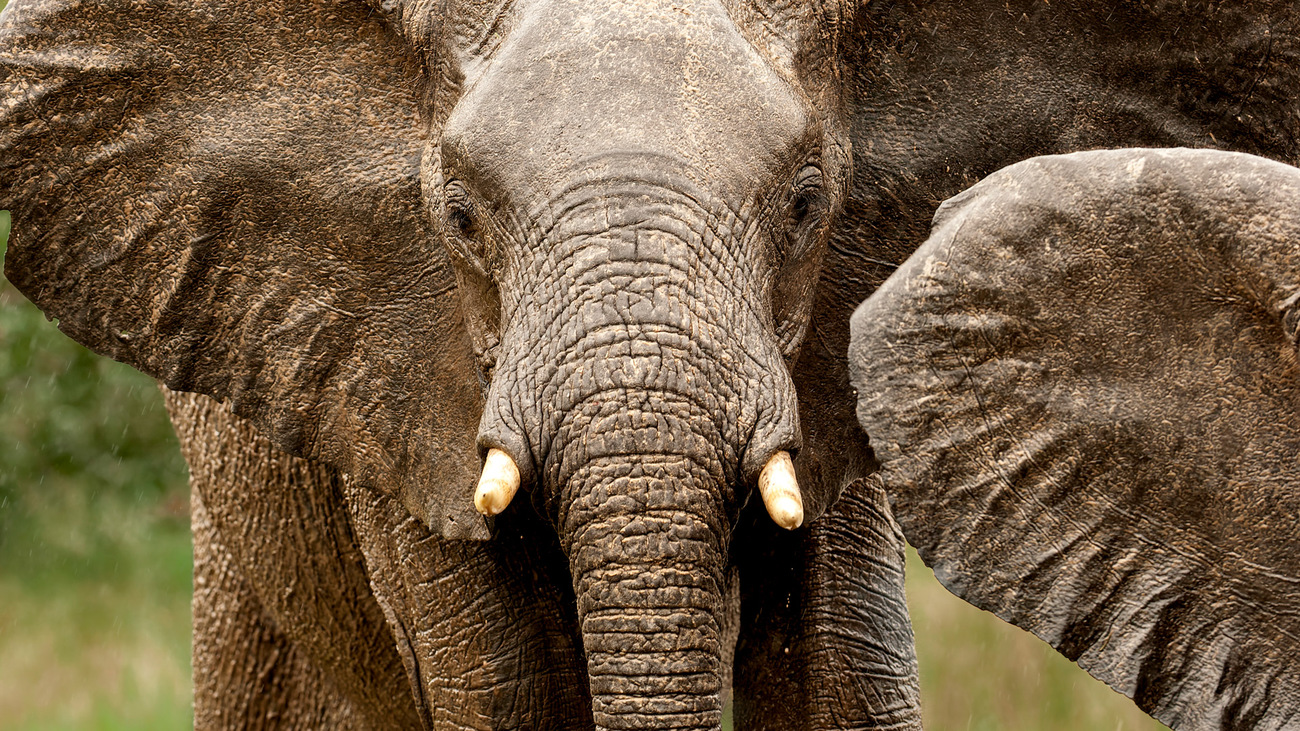
Some conservation managers worry that fast-growing elephant populations could actually damage ecosystems, but this risk is mainly in fenced or isolated reserves. The best long-term solution is connectivity—linking protected areas with safe corridors, so elephants can move freely. This means facilitating linkage between protected areas so elephants can disperse naturally, though the elephants in these buffer zones are especially vulnerable to poaching, community conflicts, and habitat loss from farming.
The resolution of human-wildlife conflict is a critical issue. About half of southern Africa's elephants live in core protected areas where numbers are stable. But roughly 40% live in these buffer zones and urgently need better protection.
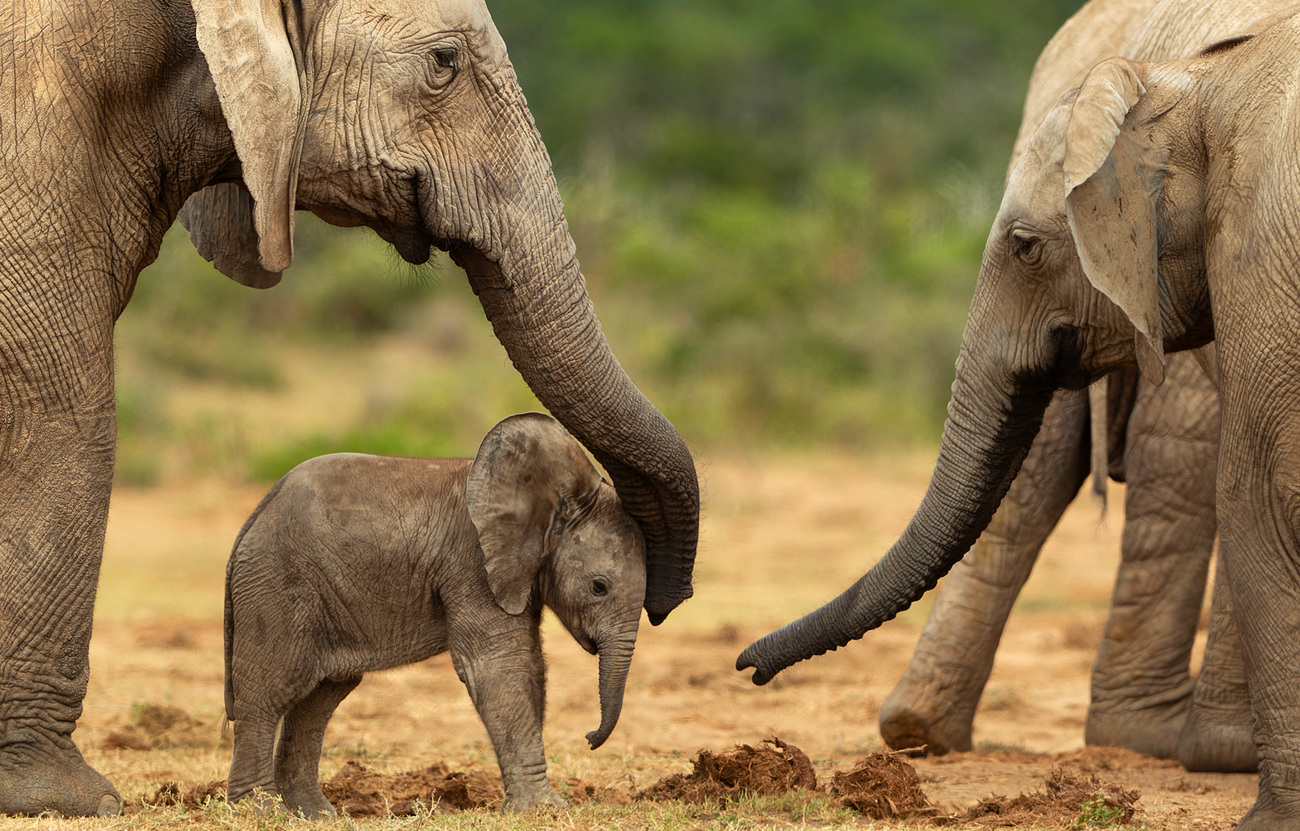
Much is made of "burgeoning" elephant populations in certain parts of southern Africa. But elephants are slow breeders. Females start giving birth around age 12 or 13, only once every four years. Even in perfect conditions, populations rarely grow faster than 5% a year. Temporary spikes can happen when many females reach breeding age at once, or when elephants move into new areas. But high growth rates can also be exaggerated by poor data.
CERU's studies looked at age structures, survival rates, and births. The research shows that droughts impact calves the most. Adults are resilient, but young elephants struggle to survive long journeys for water and food in dry seasons. Reproduction doesn’t slow much in tough times, but calf survival does. In the long term, adult female survival is what allows populations to recover.
Larger, connected populations are more stable, while isolated herds are at greater risk. Studies in Botswana's Chobe National Park and Moremi Game Reserve show how connectivity helps regulate and stabilise populations. Keeping migration routes open is key to long-term survival.
Elephants can recover from major disturbances when given time and space. In 2005, a fire swept through South Africa's Pilanesberg National Park, killing nearly 18% of the elephants—mostly young animals. Growth resumed briefly, but long-term instability followed.
In Addo National Park, 16% of the population was removed in 2003. Managers expected growth to continue, but drought caused a surprising dip in survival rates.
Poaching, however, has the most enduring effect. When adult elephants are killed, age structures collapse and population recovery slows dramatically. Kasungu National Park in Malawi lost nearly 99% of its elephants by the 1990s. Though anti-poaching efforts have since improved, recovery is estimated to take at least 28 years—even if no more elephants are lost. In 2022, conservationists moved 263 elephants to Kasungu from Liwonde. The population is now around 350, but long-term success depends on reconnecting the park with other habitats.
Some parks are shifting away from heavy-handed management. Instead of culling, they're allowing nature to regulate populations. Fences have been removed, and many artificial water points have been closed. In Kruger National Park, for example, elephant culling ended in 1995. Since then, the population has more than doubled, growing at about 4% annually. Growth is slowing naturally as the population stabilises—evidence of what long-term protection can achieve.
Climate-related disasters also play a role. In Zimbabwe's Hwange, calves died when waterholes dried up. In dry areas, calf survival drives trends. In wetter areas, birth rates matter more. Understanding these dynamics helps inform better, more adaptive conservation strategies.
Elephants are not immune to crisis, but they are remarkably resilient—if given the chance.
Elephants mature late and reproduce slowly. It can take decades to rebuild stable populations, and studies show it may take 24 years or more for age structures to stabilise. The survival of adult elephants—especially females—is the single most important factor in long-term recovery. Without them, recovery may never come.
If we want future generations to see elephants roaming Africa's savannahs, we must act now to:
Because when we give elephants space and safety, they come back.
Author’s note:
This article is based primarily on the research findings by the late Professor Rudi van Aarde and his team at the Conservation Ecology Research Unit of the University of Pretoria, which is presented in his book, Let Elephants Roam. IFAW supports this body of science, which has formed the basis of its “Room to Roam” initiative, an ambitious and urgent vision for Africa’s surviving savannah elephants and the human communities who live alongside them.
Backed by 20 years of science and engagement with local communities, Room to Roam is working to secure and connect habitats across their home ranges in East and southern Africa. The positive outcomes of this far-reaching initiative will be greater biodiversity, natural resilience to climate change, and a future where animals and people can coexist and thrive.
Our work can’t get done without you. Please give what you can to help animals thrive.
Unfortunately, the browser you use is outdated and does not allow you to display the site correctly. Please install any of the modern browsers, for example:
Google Chrome Firefox Safari