Henry Ndaimani
Vultures: Nature’s cleanup crew and wildlife detectives
Vultures: Nature’s cleanup crew and wildlife detectives
Henry Ndaimani | 11 December 2025
Soaring and swooping like tiny specks across Africa’s blue skies, vultures are hard to miss and an essential part of any game-tracking experience. Where they gather, you’d naturally expect to find carnivores like lions nearby, with other scavengers like hyaenas soon to follow.
Never birds to pass up a free meal, vultures are nature’s clean-up crew—and field experience shows they are also exceptional wildlife detectives.
Among the most important yet least celebrated species in African ecosystems, vultures rapidly remove carcasses, halt the spread of disease, and help keep ecosystems stable, healthy, and resilient. Once widespread across sub-Saharan Africa, they now cling to survival mostly within protected areas. White-backed vultures are the most common species, but across Africa, only about 270,000 remain.
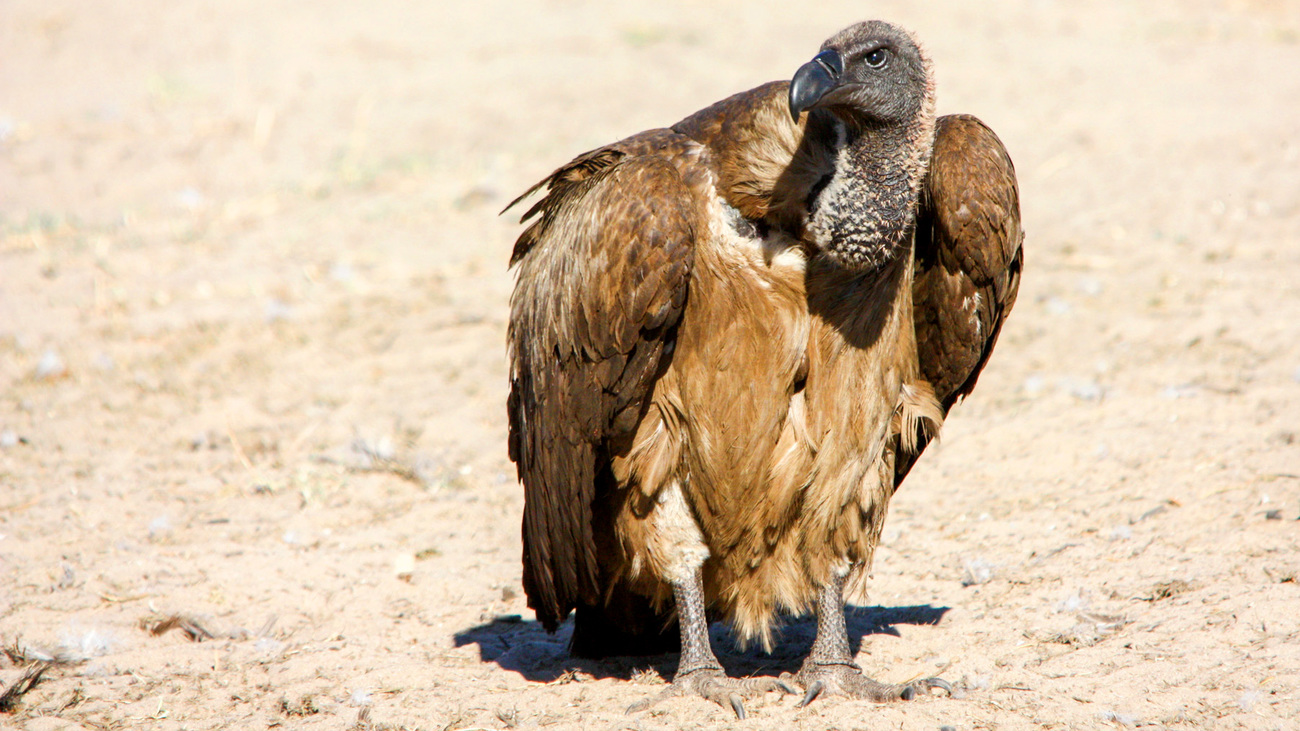
White-backed vultures, a critically endangered species vital to ecosystem health, together in southern Africa. Photo: © Neil Greenwood
At the 2025 CITES CoP20, both the African white-backed vulture and Rüppell’s vulture were uplisted from Appendix II to Appendix I—the highest level of protection—reflecting catastrophic declines: white-backed vultures have dropped by up to 81% in 40 years, and Rüppell’s vultures by up to 92.5% over the same period. Poisoning, habitat loss, and poaching remain the leading causes. In one notorious incident in Zimbabwe’s Gonarezhou National Park, between 181-190 vultures were poisoned at once. Similar tragedies have occurred in South Africa’s Kruger National Park.
A victory at CITES CoP20
“Vultures are on the brink of extinction. They have suffered catastrophic declines due to poisoning, habitat loss, and illegal trade,” says Jason Bell, IFAW Executive Vice President.
“The decision to uplist them to Appendix I is a victory for their survival. It bans almost all international trade and gives these critically endangered birds a fighting chance. Vultures are synonymous with the African landscape—essential for preventing disease and maintaining ecological balance. They belong in the wild, free to fly, not in markets, medicines, or private collections.”
Tracking vultures in Hwange: science in action
In November 2025, IFAW partnered with BirdLife Zimbabwe and ZimParks to fit six vultures with satellite transmitters—four captured in Hwange National Park and two rehabilitated birds from Kuimbashiri near Harare. African white-backed vultures now number only around 40,000 in southern Africa. Tracking their movements will help identify threats, hotspots, and areas needing protection.
The capture team began early in the morning before vultures started foraging. Noose traps were set near a bait—a kudu carcass salvaged from elsewhere in the park. From high above, vultures spot the bait and descend, often following bolder species like kites. After about an hour, four vultures were gently tangled in the noose network. They were carefully freed, their vital samples taken, and satellite trackers fitted. These devices ping the bird’s location every hour, revealing flight paths and distances traveled.
“Watching a vulture up close is extraordinary,” says Benhilda Antonio of BirdLife Zimbabwe. “The tagging work reminds us how science and fieldwork come together to give these birds a future.”
Within days, the team was astonished by the vast distances the vultures covered. Two birds flew deep into Botswana, while three logged more than 1,000 kilometers in less than three days. All returned to Hwange National Park.

A white-backed vulture is gently held before release, ensuring the GPS tag is secured and the bird is ready to rejoin the skies at Hwange National Park. Photo: Tawanda Muhamba / © IFAW
Vultures as wildlife detectives
Vultures can detect carcasses up to 10 kilometers away, making them unparalleled biological sensors of wildlife deaths. When satellite-tagged birds stop moving, the data registers as a cluster, pinpointing potential carcass sites. These clusters help rangers determine where deaths have occurred, whether they were natural or linked to poaching, and which areas require intensified patrols.
“IFAW and ZimParks use real-time geospatial tools to allow rangers to focus on verified hotspots. Vultures, in effect, help us find what poachers try to hide,” says Dr Henry Ndaimani, IFAW’s Global Programs Manager for Landscape Conservation.
In Hwange, the EarthRanger platform provides cutting-edge technology that helps us keep a close eye on vulture movements. From the EarthRanger Operations Control Room set up at Hwange Main Camp, conservation teams can monitor the birds around the clock. The command centre staff not only see real-time vulture movements on their screens but also receive instant alerts on their phones whenever clusters form. This means critical behaviors like gathering at carcasses are rarely missed—giving us near real-time insights that make a big difference in protecting these vital scavengers.
For park rangers, the data is transformative. Cluster mapping builds a near-complete record of wildlife mortality in the park—an invaluable tool for conservation and anti-poaching operations.
Looking ahead
Vulture monitoring is a vital part of IFAW’s Room to Roam initiative, which works to secure connected landscapes where wildlife can move freely and safely. By combining technology, science, and on-the-ground patrols, Room to Roam strengthens entire ecosystems—not just for elephants and predators, but for the scavengers that underpin ecological health.
The collaboration between IFAW, BirdLife Zimbabwe, and ZimParks marks a critical step forward. Africa’s vultures are at a crossroads—but with science, community partnerships, and strong international protections, their story can shift from decline to recovery.
Related content
Our work can’t get done without you. Please give what you can to help animals thrive.