Carole Mercier
Putting animal welfare first in wildlife crime enforcement
Putting animal welfare first in wildlife crime enforcement
Carole Mercier | 3 September 2026
Approximately 4,000 species of animals and plants are trafficked illegally throughout the world every year, according to UN estimates. Trafficking threatens many species’ survival—and it’s only further compounded by improper handling when live animals are seized from traffickers by authorities.
While rescuing animals from trade is a noble cause, inadequate care and housing can cause prolonged stress, injury, and even death. That’s where IFAW’s CARE comes in.
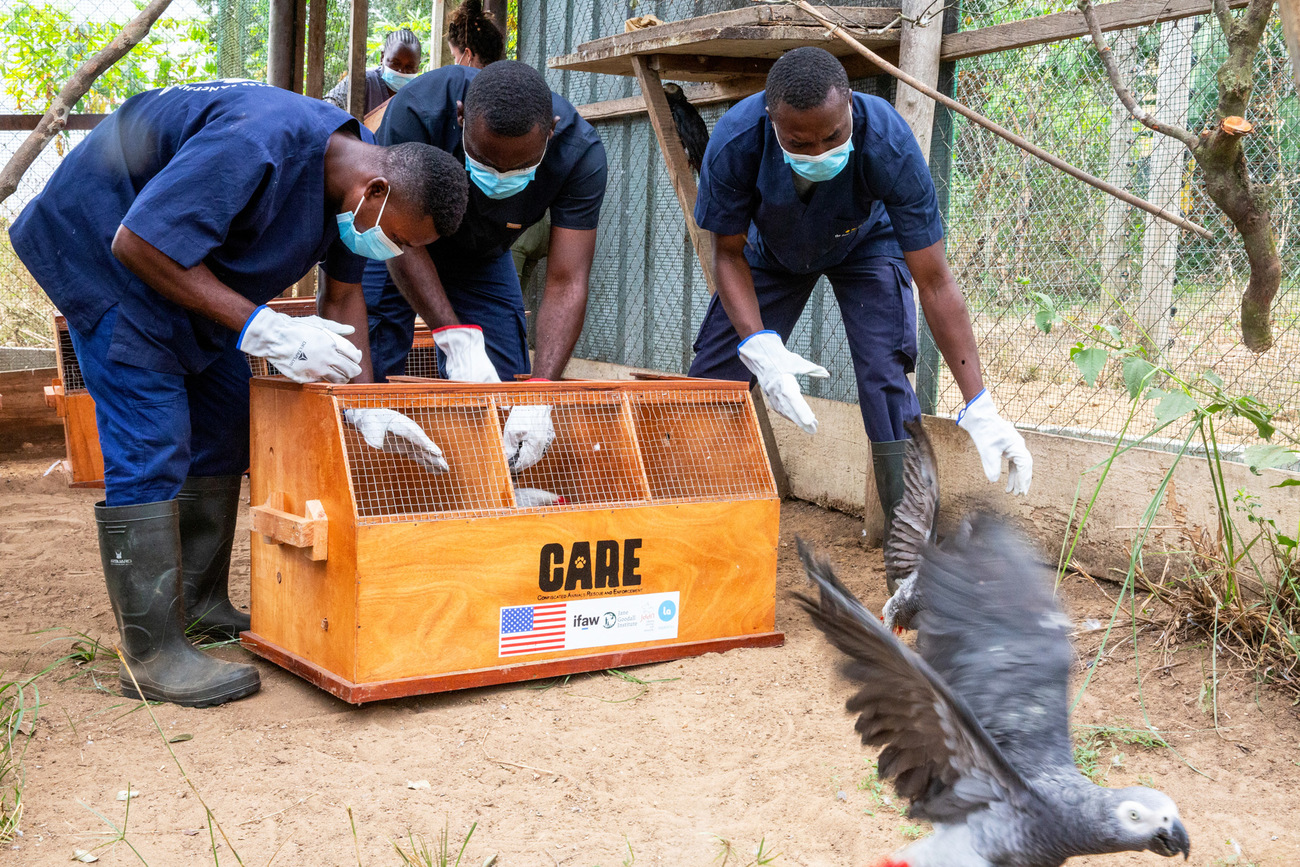
African grey parrots seized from the illegal wildlife trade are moved from CARE bird-specific transport cages into a quarantine holding cage at JGI’s Tchimpounga Chimpanzee Rehabilitation Center. Photo: Fernando Turmo / © Jane Goodall Institute
Helping frontline officers handle live animals
Since 2021, IFAW’s Confiscated Animals – Rescue and Enforcement (CARE) project has worked with government agencies and frontline officers across 10 countries to improve the care, handling, and management of wildlife seized from traffickers.
I was fortunate enough to become part of the CARE project and oversee its continued development and implementation.
Over the past five years, I have worked with frontline officers in these countries to collaborate and share expertise in the humane and safe handling of seized trafficked wildlife.
What struck me most when meeting with enforcement officers across the world is how much they value animal welfare within confiscation operations. Every day, they might encounter animals transported in unsafe, unsanitary, and downright horrifying conditions. It’s their job to ensure traffickers face penalties, communities see justice, and wild animals receive the rehabilitation they need to return someday to their rightful homes.
A flexible approach
Part of CARE involved delivering in-person training across multiple countries, which requires flexibility. The participating agencies brought diverse experience, knowledge, and operational capacity, so we tailored each workshop to local needs rather than relying on a standardised approach.
Each country presents a different operating environment. Some already have strong animal welfare legislation and established procedures for caring for seized wildlife, while others continue to develop the legal frameworks and practical expertise needed to protect animals.
More importantly, the wildlife involved also vary from region to region, meaning each training programme must focus on the identification and handling of the particular species that might be trafficked in that region.
We adapted the content and delivery of each session to the unique context of each country at hand. In some countries, the agencies and frontline officers already had basic knowledge on the handling and care of seized wildlife, while in others, this was a new topic.
Careful preparation was essential. Working closely with trusted local partners helped us understand each country's cultural norms, institutional structures, and decision-making processes. Their knowledge ensured the right agencies and frontline officers took part, strengthening both participation and the long-term impact of the training.
Building confidence and capacity
The results speak for themselves. Through CARE, IFAW has trained more than 500 frontline officers across 28 trainings and distributed hundreds of pieces of specialised equipment to help officers handle wildlife safely and humanely. IFAW has also assisted with conducting legal gap analyses for Brazil, Congo, Guyana, and Uganda, to enable legislative reform that embeds animal welfare into national regulations and standard operating procedures.
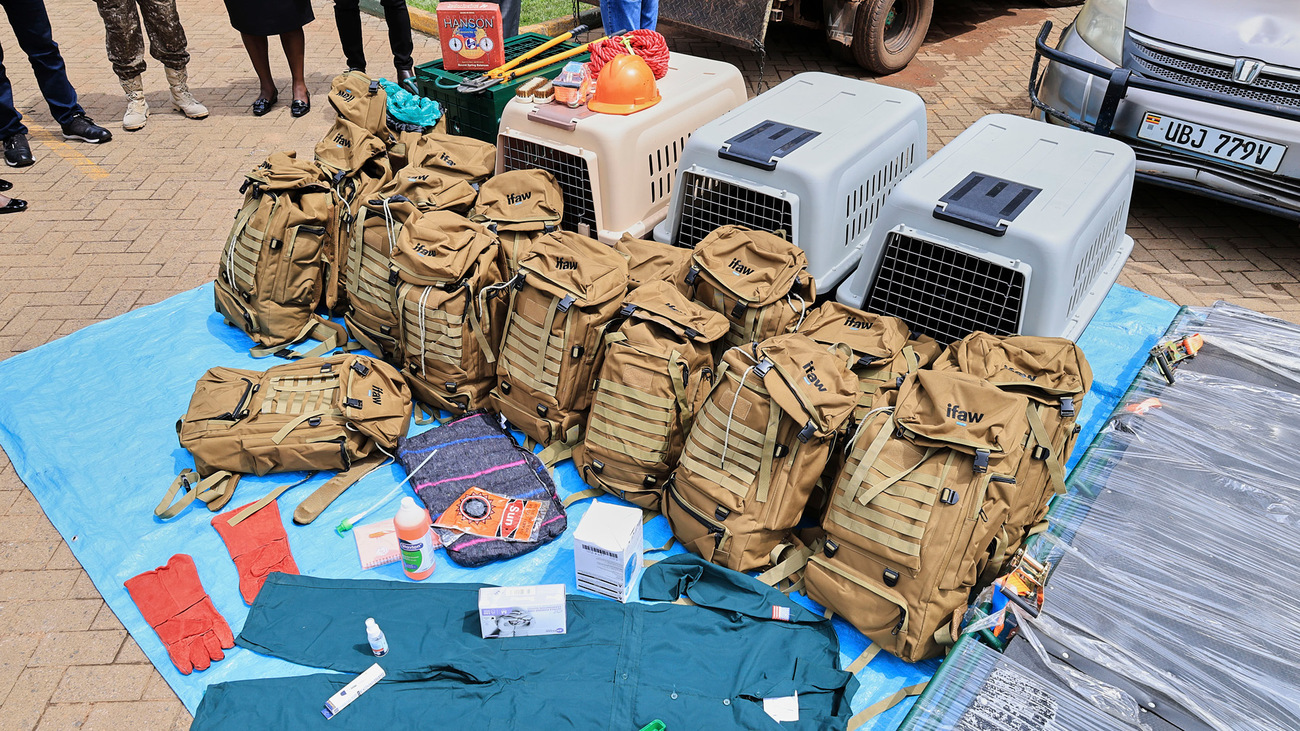
Through the CARE project, IFAW provided the Uganda Wildlife Authority (UWA) with specialised animal rescue and handling equipment, intended to improve field operations, enhance animal welfare standards, and reinforce UWA’s capacity to manage wildlife emergencies. Photo: © IFAW
Participants tell us that these trainings have improved their ability to identify signs of wildlife trafficking. They also feel that they’ve improved their ability to handle and transport seized animals more safely and humanely and to provide adequate conditions for animal care and transport, while simultaneously preserving the evidence to support successful prosecutions.
“I felt safer in relation to the work and, as a result, improved the animals’ chances of survival through the care provided to them,’ shared a Brazilian frontline officer.
"The workshop improved the welfare of the animals and the people involved, as well as the evidence in the legal process, by ensuring proper chain of custody,” reported another officer from Brazil.
80% of trainees who completed the post-workshop technical test showed marked improvement of their knowledge of intercepting, confiscating, handling, and caring for live animals from illegal trade. They also show meaningful gains in their knowledge of procedures for evidence collection and legal prosecution.
In addition, 80% of CARE participants reported greater confidence in determining when live animals were sick, injured, or stressed and how to handle and care for animals in their custody.
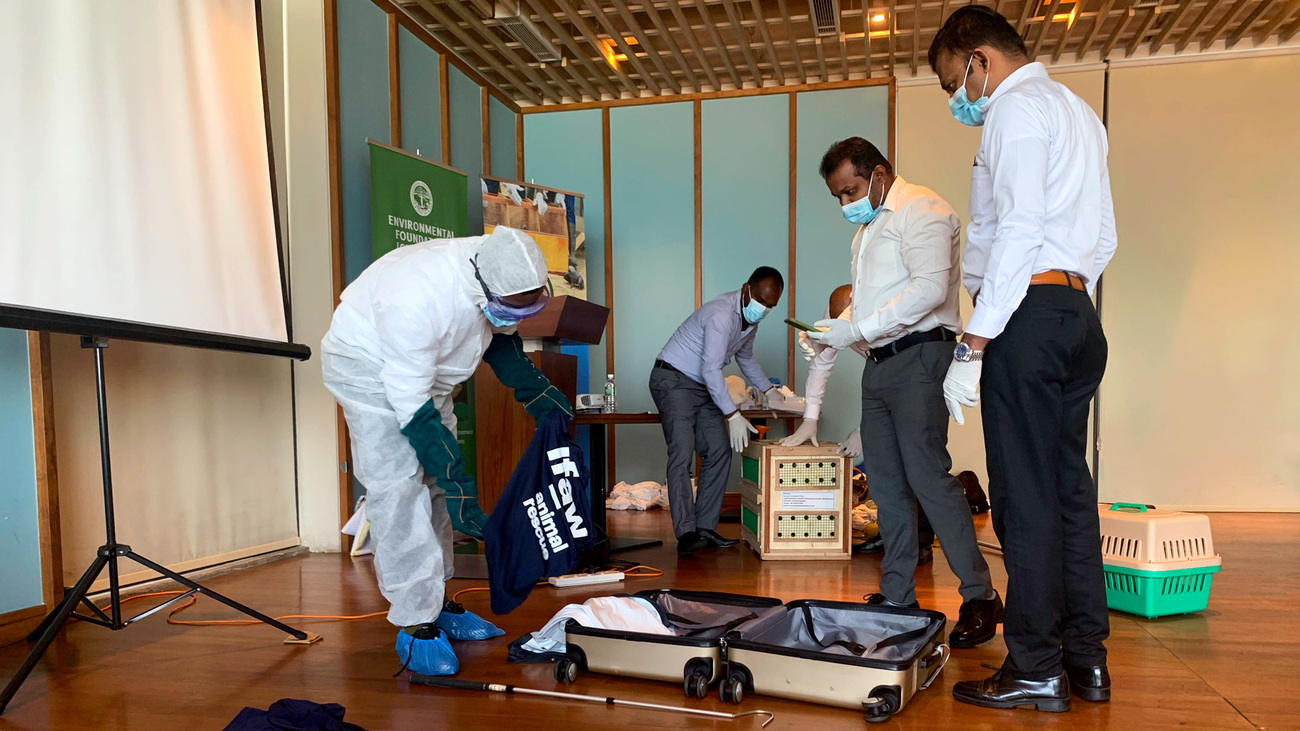
A handling and biosafety demonstration at one of the CARE trainings held in Sri Lanka. Photo: © IFAW
Creating lasting networks and partnerships
Beyond building technical skills, the CARE workshops strengthened collaboration across the wildlife crime response community.
Each workshop brought together the full range of professionals involved in responding to wildlife crime and caring for seized animals, including veterinarians, police and customs officers, airport personnel, wildlife rangers, zoo staff, and NGO partners. By learning alongside one another, participants gained a better understanding of each other's roles and responsibilities, building relationships that can make future wildlife rescue and enforcement efforts faster and more effective.
In some countries, these agencies already worked closely together. In others, the workshops connected participants with other organisations for the first time. By strengthening existing networks and helping build new ones, the CARE project laid the foundation for more coordinated responses to wildlife trafficking.
In fact, many CARE trainees said they not only felt much more competent and confident in their daily encounters, but now they also knew how to get help with species identification, animal care, and identifying where and how to send confiscated animals.
"I now have knowledge about where to send seized animals. Contact networks and exchange of knowledge with people from different institutions,” says one officer who participated in the trainings in Brazil.
Another shared, “I seek more contact with other institutions and colleagues in the field whom I met.” While another reported that there was ‘greater collaboration and contact with partners who also work with wildlife.’
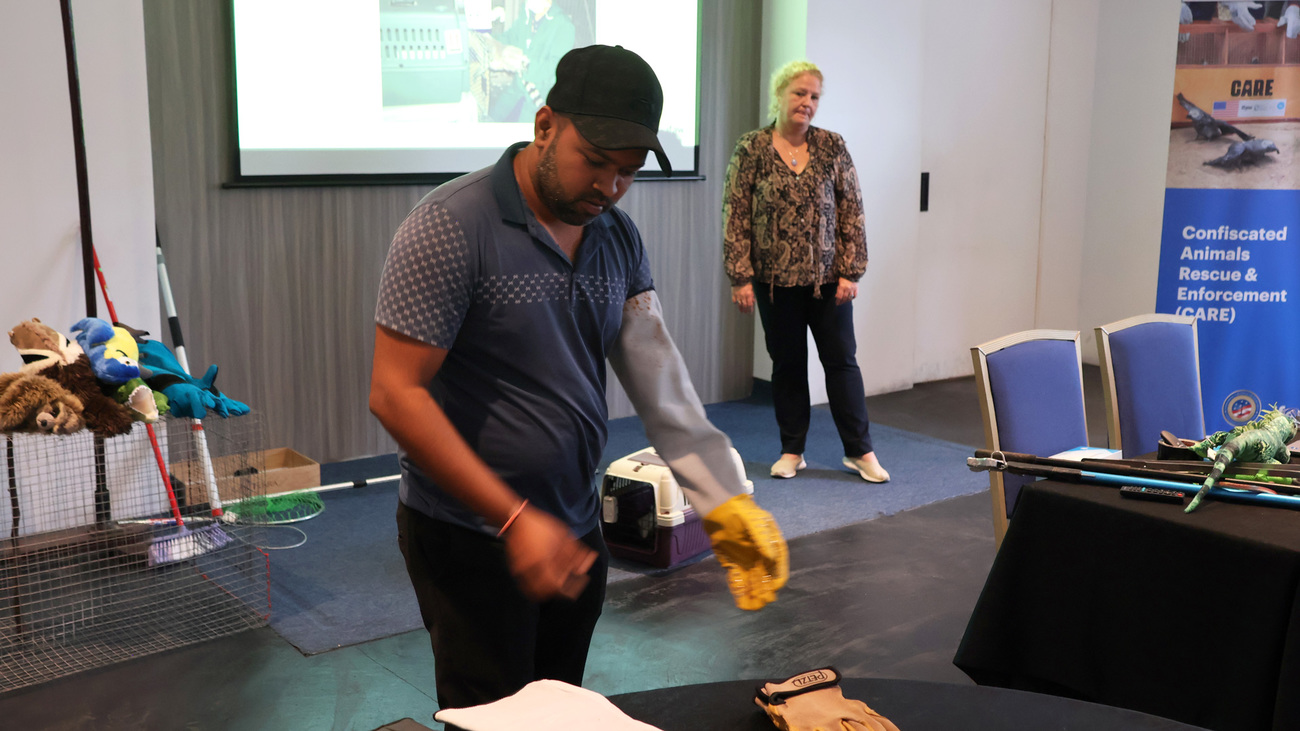
A CARE participant prepares for an animal handling mock exercise at the CARE training held in Suriname in 2025 Photo: © IFAW
Looking forward
Through CARE, we reached local partners and enforcement agencies and offered knowledge, information, equipment—all free of charge and with the associated expenses for participating covered. We offered the whole package of something incredibly useful for so many people in this line of work. And it’s been incredibly well received.
Although CARE has concluded, IFAW continues to provide invaluable trainings, equipment, and other support to countries around the world to keep animal welfare at the centre of efforts to combat wildlife trafficking. Our regional trainings will bring together countries that share joint borders with wildlife trafficking hotspots. This regional approach will help enforcement agencies keep pace with wildlife trafficking networks, while simultaneously improving the chances of survival and final outcomes for confiscated animals rescued from illegal trade.
The CARE programme was made possible through the funding from the United States Department of State’s Bureau of International Narcotics and Law Enforcement Affairs (INL).
Related content
Every problem has a solution, every solution needs support.
The problems we face are urgent, complicated and resistant to change. Real solutions demand creativity, hard work and involvement from people like you.