Wildlife Crime
Liked to death: Europeans’ love of wild animals is fuelling a largely hidden wildlife trafficking crisis
Liked to death: Europeans’ love of wild animals is fuelling a largely hidden wildlife trafficking crisis
April 28, 2026
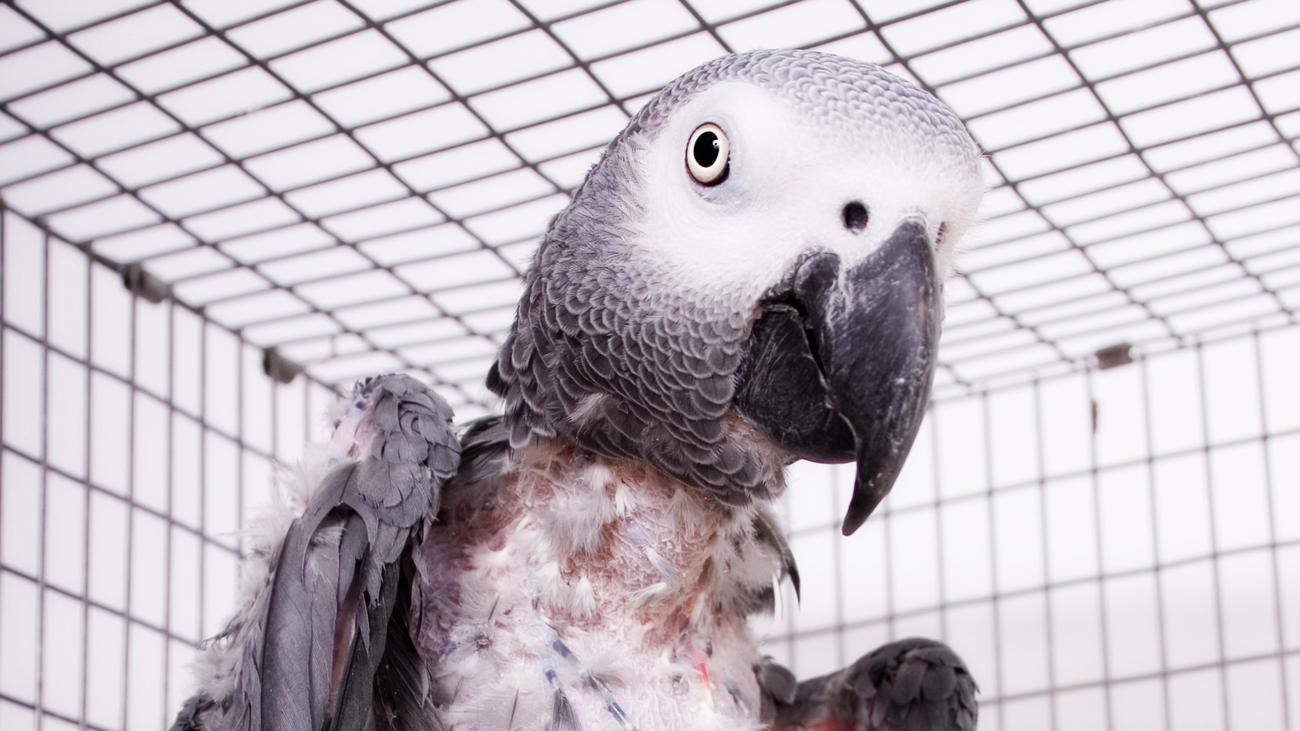
Portrait of a pathetic African grey parrot who has plucked his own feathers off his body.
(London, 28 April 2026) – New research shows overwhelming public concern about wildlife trafficking, yet many people do not connect it to the wild animal pet trade — a major driver of the crisis.
The independent behavioral research, commissioned by the International Fund for Animal Welfare (IFAW) reveals that people are deeply concerned about wildlife trafficking and its links to animal suffering and extinction. Yet limited awareness leaves many feeling unable to take meaningful action to disrupt the trafficking.
The findings form the basis of IFAW’s new Liked to death campaign, which aims to challenge public perceptions around wildlife exploitation. The research was implemented in five European countries, with over 3,700 respondents and carried out by market research company, Sapience. It found that:
- 70% of people disagree that wild animals make good pets.
- 82% believe wildlife trafficking is a serious global problem that needs greater attention.
- Only one in three people realize Europe is a major hub for wildlife trafficking or that online platforms play a significant role.
- Three in four people say they know little or not much about wildlife trafficking.
- 84% believe European wildlife protection laws need strengthening.
- Only 54% believe individuals can play a role in reducing wildlife trafficking.
Millions of wild animals are exploited for the wild animal pet trade - commonly known as the ‘exotic pet’ trade - suffering extreme cruelty while ecosystems and biodiversity are placed at risk. Animals are captured from the wild or bred in captivity, with many dying during trafficking and others suffering lifelong welfare problems once sold.
Online platforms and social media influencers producing viral content have helped normalize and glamorize the ownership of wild animals as pets.
African grey parrots, for example, have seen wild populations plummet by about 90% in some regions in some regions over the past 50 years, largely driven by the pet trade. Yet public understanding of their conservation status remains limited, with many respondents unaware the species is endangered and some still believing they can be suitable pets.
Global wildlife trafficking is estimated at US$7–23 billion annually, making it one of the world’s largest illicit markets and a major driver of organized crime.
Despite increased enforcement efforts under the EU Action Plan against Wildlife Trafficking , prosecution and conviction rates remain low. Only around 10% of reported wildlife trafficking incidents result in convictions, fines, or prison sentences.
“Wildlife criminals are exploiting the lucrative opportunities created by viral videos featuring wild animals kept as pets. Well-meaning animal lovers are engaging with content that on the surface appears ‘cute’ or ‘innocent’, but in reality, masks a story of suffering”, Ilaria Di Silvestre, IFAW’s Director of Policy and Advocacy, Europe said.
“Our research shows a clear disconnect – people care deeply about wildlife trafficking and its consequences, yet many feel powerless to stop it. Individuals can play a vital role and be part of a bigger movement of change. As a society – we need to think twice about the wildlife content we see on our screens and question why those animals are not in the wild, where they belong”, Di Silvestre added.
To tackle this growing crisis, IFAW is calling on European policymakers to strengthen wildlife trade legislation and close loopholes that enable trafficking. Key recommendations include:
- Criminalizing the import, trade and possession of all species protected in their country of origin.
- Introducing ‘positive lists’ identifying which species can legally be kept as pets.
- Strengthening monitoring systems to track wildlife trade to/from and across Europe.
- Supporting international protections for threatened wildlife species.
IFAW is also urging citizens to help combat wildlife trafficking by avoiding engagement with wild animal pet content online, resisting the purchase of wild animals as pets, reporting suspicious wildlife sales online, and supporting conservation campaigns such as those initiated by IFAW.
ENDS
Notes to editors:
IFAW’s report also highlights the growing role of online platforms in facilitating wildlife crime, with social media operating as a virtual marketplace connecting buyers and sellers across borders. In 2025, IFAW became the first wildlife conservation organization designated as a Trusted Flagger under the EU Digital Services Act, allowing the organization to directly report illegal wildlife trade content to online platforms.
Between March and December 2025, IFAW reported 118 suspicious wildlife sale advertisements to five online platforms. Nearly 75% of these listings were removed following Trusted Flagger notices. However, in approximately one in four cases, platforms failed to remove content or respond, allowing potentially illegal sales to continue.
Related content
every problem has a solution, every solution needs support.
The problems we face are urgent, complicated, and resistant to change. Real solutions demand creativity, hard work, and involvement from people like you.