Exotic pets and wildlife trafficking: why wild animals are being liked to death
Exotic pets and wildlife trafficking: why wild animals are being liked to death
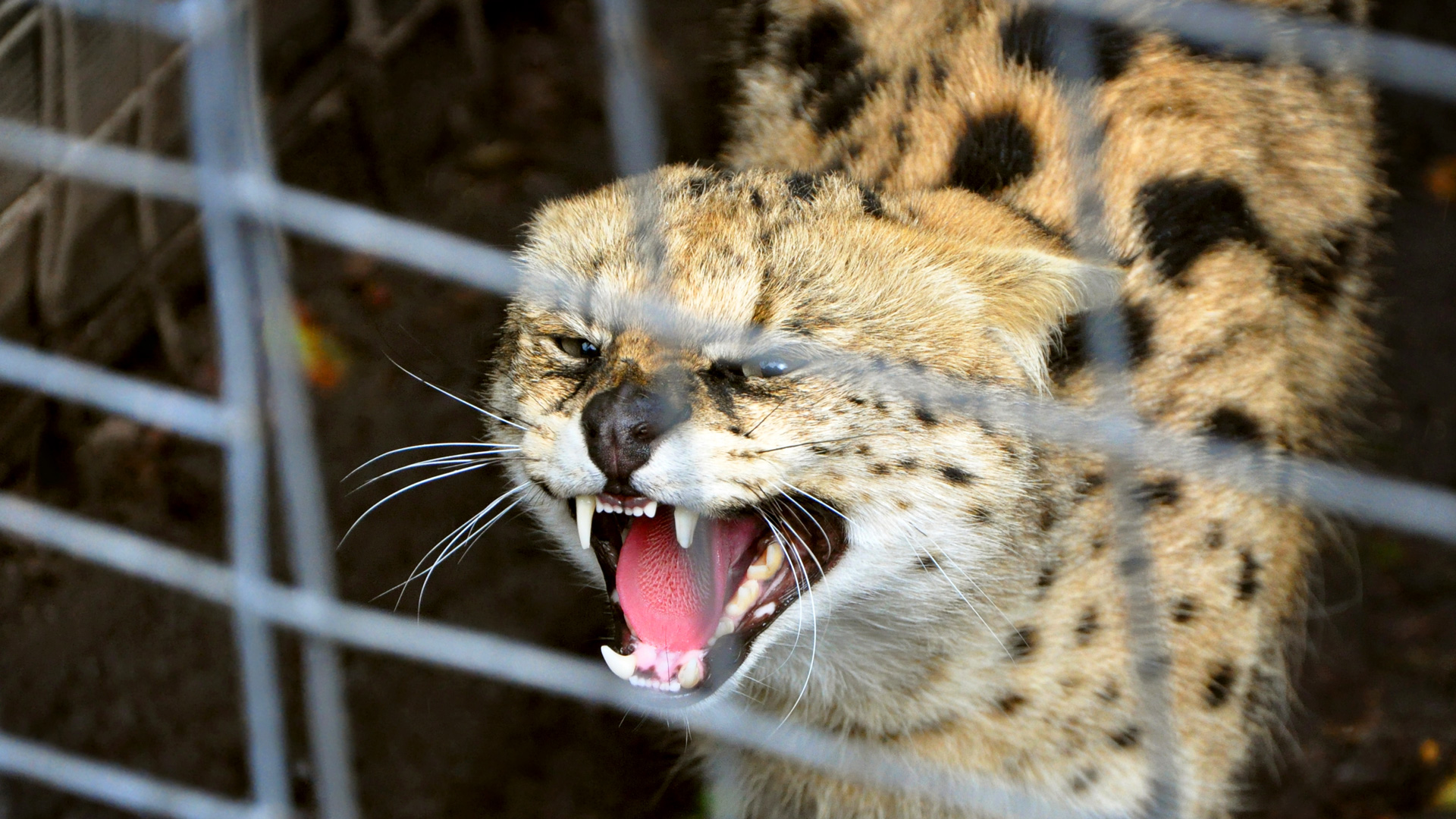
Often referred to as exotic pets, these wild animals are kept in captivity, and their trade is fuelling wildlife trafficking, animal suffering, and biodiversity loss.
From African grey parrots to serval cats, wild animals are being captured, bred, and sold as pets, often promoted through viral social media content. What looks harmless on your phone’s feed can help drive a global illegal wildlife trade.
Wild animals are being liked to death.
Dangerous myths about exotic pets and the wildlife trade
The wild animal pet trade survives because of powerful myths—ideas that feel comforting, but aren’t true.
Myth 1: Captive-bred wild animals are domesticated
Domestication takes thousands of years: it is a genetic, population-level change over many generations in which humans shape a wild species so that it becomes adapted to living alongside people. Wild animals bred in captivity remain biologically wild.
Myth 2: Good care is enough
Wild animals have complex social, dietary, and environmental needs that cannot be met in a typical home.
Myth 3: Legal wild animals kept as pets don’t harm wild populations
Legal trade can easily create cover for illegal wildlife trafficking and increase demand for wild-caught animals.
Myth 4: Watching or liking exotic pet videos is harmless
Engagement boosts visibility through algorithms and visibility drives demand.
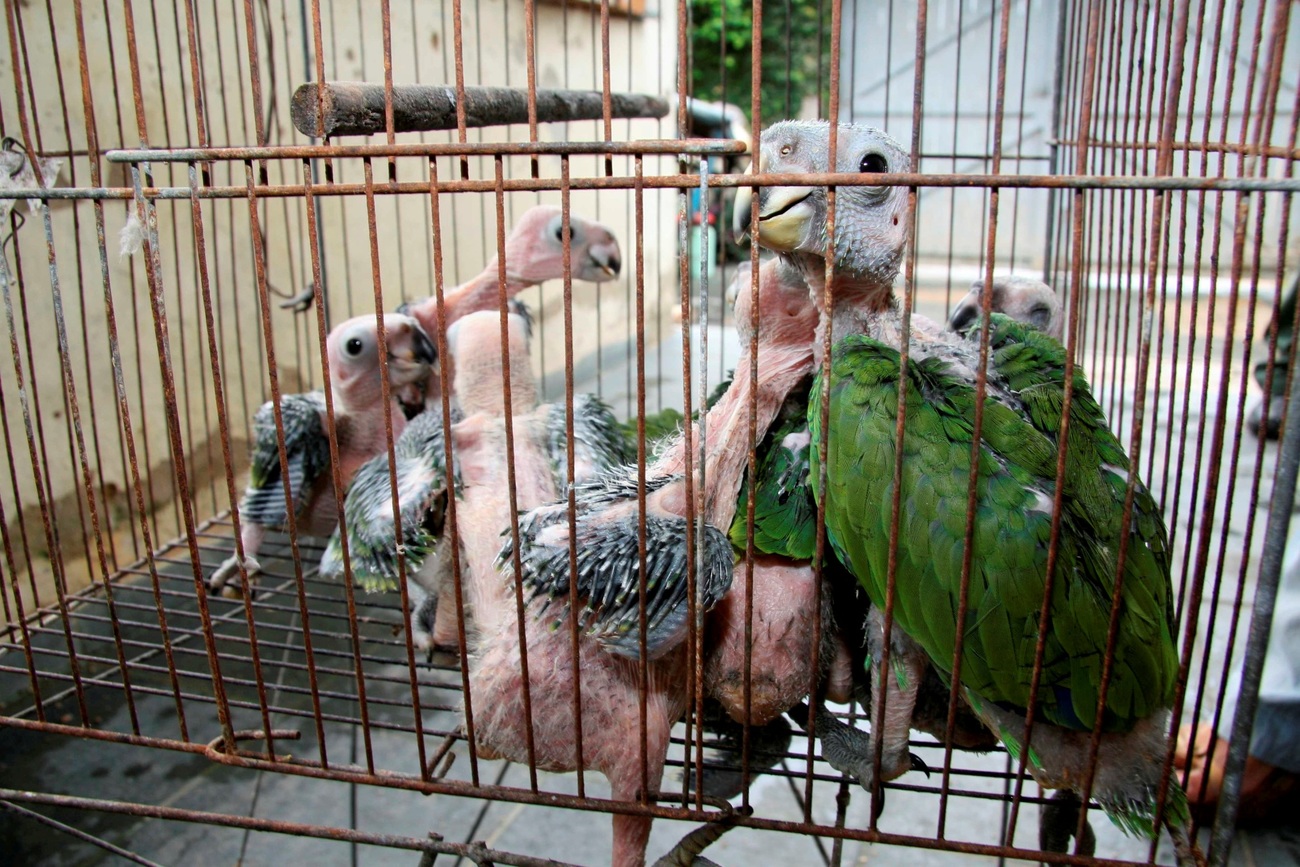
In reality, wild animals remain wild, no matter where they’re born. Their instincts, social needs, and behaviors are shaped by evolution, not life in a human home.
Our blog breaks down the most common misconceptions behind the exotic pet trade and exposes the real cost to animals, ecosystems, and people.
Read the truth about wild animals kept as pets >>
What this means for animals
Behind every viral exotic pet video is an individual animal, often suffering far more than viewers realize.
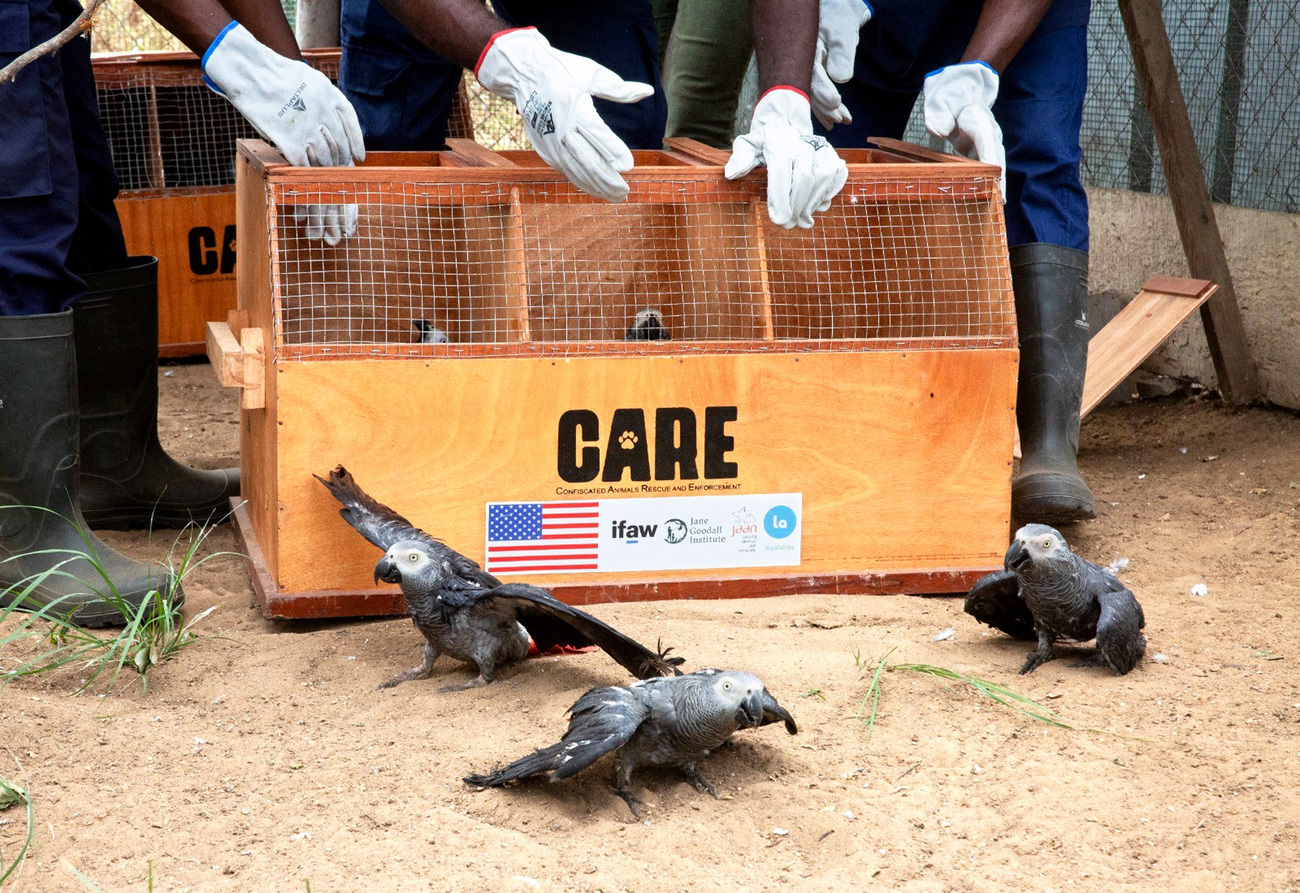
African grey parrots: one of the most affected species
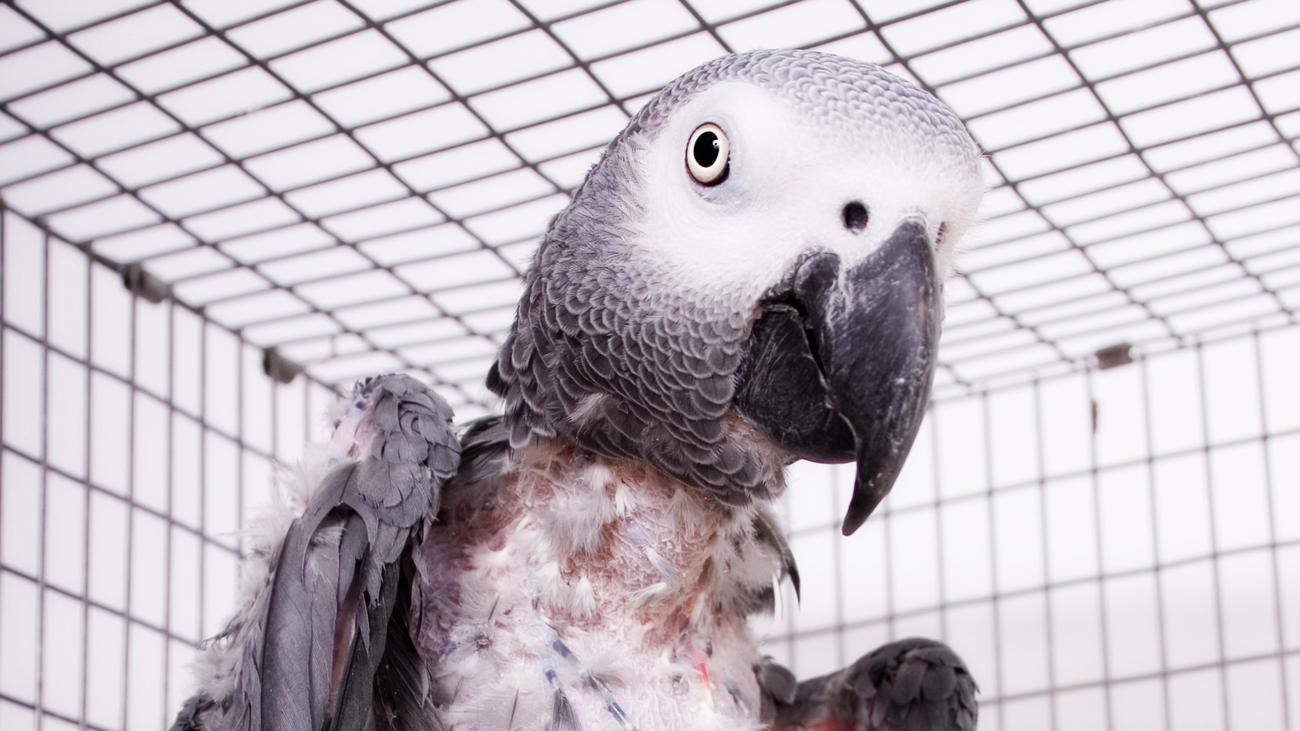
African grey parrots are among the most intelligent birds in the world. They form complex social bonds and live in forest ecosystems across Central and West Africa.
But they are also one of the species most affected by the pet trade.
International trade records show that over 1.3 million African grey parrots entered global trade between the 1970s and early 2000s. Many die during capture and transport before ever reaching market. In parts of West Africa, heavy trapping for the pet trade has contributed to severe population declines.
In captivity, African grey parrots are often confined to cages for decades. Deprived of flock interaction and mental stimulation, many develop chronic stress behaviors such as feather plucking and self-harm.
Serval cats: wild but marketed as companions
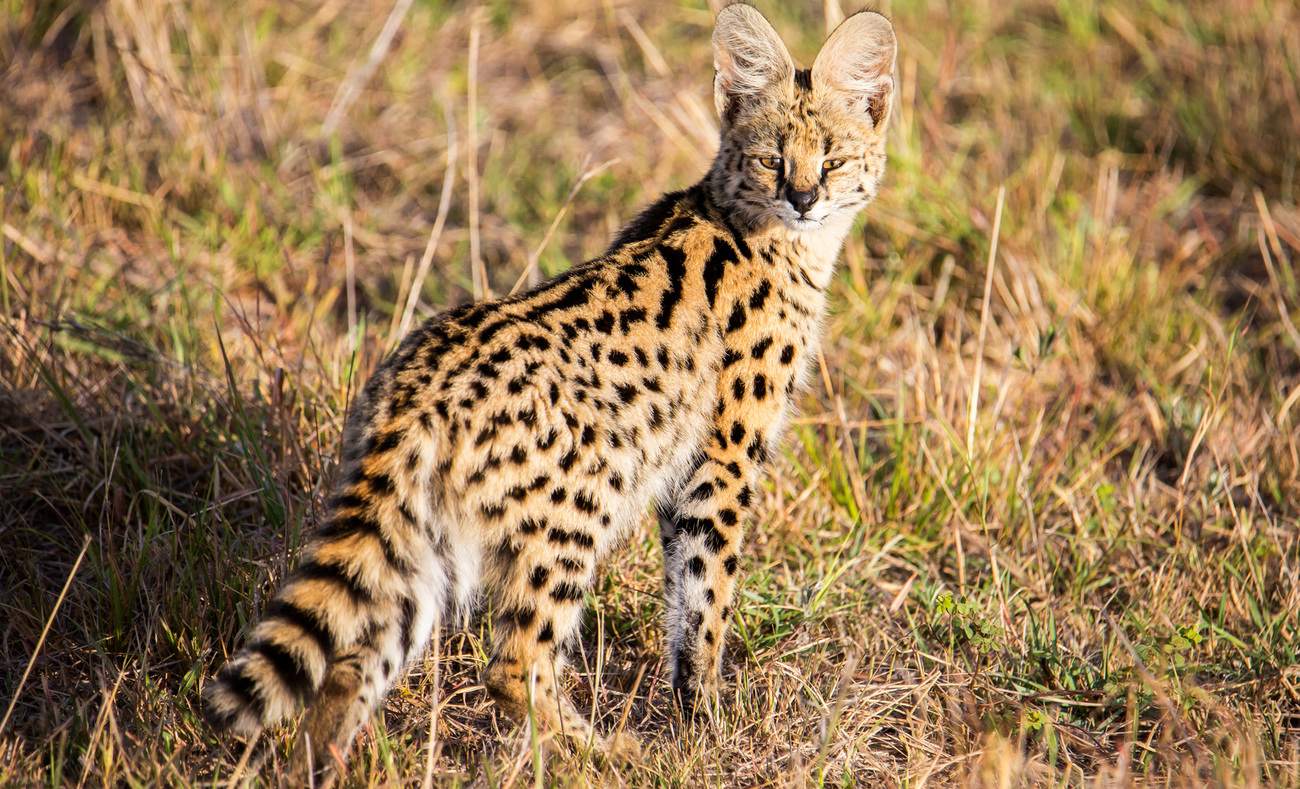
Serval cats are wild African carnivores protected under international trade controls. In the wild, they roam large territories, hunt independently, and rely on specialized diets.
Yet servals are sometimes sold as pets because of their striking appearance, or used in captive breeding facilities to generate savannah cats—a hybrid resulting from a cross between a domestic cat and a serval.
Online videos can make servals appear playful and manageable, but they retain powerful hunting instincts and complex behavioral needs that cannot be replicated in a domestic setting.
Keeping a serval as a pet does not domesticate the animal; it confines a wild predator.
Transport and captivity drive suffering across species
Whether birds like the African grey, wild cats like the serval, reptiles, primates, or other wild species, the journey from wild to ‘pet’ is fraught:
- Animals are frequently crammed into small boxes or crates with little ventilation.
- Many die from stress, starvation, dehydration, or injury long before they ever reach an owner.
- Even survivors face environments that cannot meet their complex social, dietary, behavioral, or spatial needs, leading to chronic stress and poor welfare.
The wider ecosystem pays a price too
Every animal taken for the trade is one fewer contributing to a healthy, functioning ecosystem. In species like the African grey, heavy capture not only reduces numbers but disrupts flock structures and breeding cycles, accelerating decline.
How IFAW is tackling wildlife crime
IFAW works globally to combat wildlife trafficking and reduce demand for wild animals as pets.
Our work includes:
- Rescuing, rehabilitating and, whenever possible, releasing confiscated wild animals
- Protecting natural habitats through conservation efforts and collaboration with local stakeholders
- Investigating and stopping illegal wildlife trade online
- Collaborating with online platforms to address illegal wildlife sales
- Working with governments to strengthen wildlife protection laws
- Supporting enforcement agencies to disrupt trafficking networks
- Raising awareness about the risks of keeping wild animals as pets
By tackling both supply and demand, we are working to protect wildlife and keep wild animals in the wild.
What you can do to help stop the exotic pet trade
Ending wildlife trafficking and the trade of wild animals for the pet market starts with everyday choices.
- Protect wild animals by refusing to like, comment on or share content online, that shows wild animals kept as pets. Every single engagement increases visibility and demand.
- Never buy a wild animal as a pet, and challenge misinformation when you see it promoted on social media.
- Support stronger wildlife protection laws and help raise awareness about the harms of the trade of wild animals for the pet market. You can play a direct role in reducing demand and keeping wild animals where they belong—in the wild.