Blog
Vultures: Nature’s cleanup crew and wildlife detectives
Read moreGlobal youth invited to illustrate the hidden world of plants and wildlife in the 2026 World Wildlife Day art contest
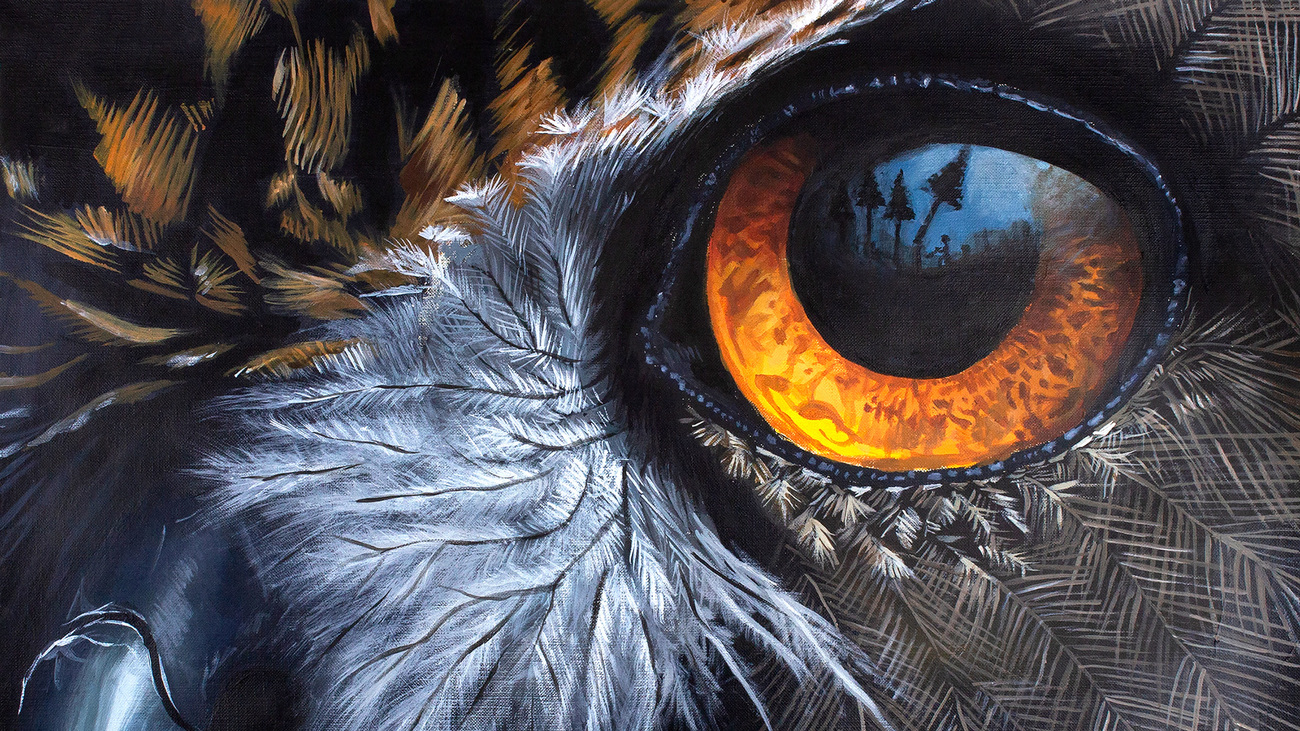
(Washington, D.C. – December 16, 2025) – Young artists across the globe are invited to explore the vital, yet often overlooked, connection between plants and wildlife in this year's eighth annual United Nations World Wildlife Day International Youth Art Contest.
The 2026 theme for World Wildlife Day (3 March 2026) is Medicinal and Aromatic Plants: Conserving Health, Heritage, and Livelihoods, recognizing the critical role of medicinal and aromatic plants in human health, biodiversity and livelihoods. The contest is hosted by the International Fund for Animal Welfare (IFAW) in partnership with the Convention on International Trade in Endangered Species of Wild Fauna and Flora (CITES) Secretariat, and the United Nations Development Programme (UNDP).
“Art allows young people to imagine new futures for nature—this year we invite them to bring plants into the picture, because without plants there is no habitat, no biodiversity and no thriving wildlife or human communities,” said Azzedine Downes, CEO & President of IFAW. “Through this contest, we encourage the next generation to express the dynamic connections between wildlife, plants, and people, and to envision how each of us can be a steward for conservation.”
Medicinal and aromatic plants are essential to both human well‑being and ecological balance: they form the foundation of many traditional healthcare systems, contribute to modern medicine and support industries ranging from cosmetics and food to agriculture and luxury goods. Globally, approximately 50,000‑70,000 species of medicinal and aromatic plants are harvested, of which almost 1,300 are estimated to be listed in the CITES Appendices (including over 800 in Appendix II). Yet many of these species face growing threats from habitat loss, over‑harvesting, and illegal trade. Over 20% of species used globally are considered threatened with extinction on the IUCN Red List, making their conservation a global priority.
“Medicinal and aromatic plants embody one of the most tangible connections between biodiversity and human well‑being,” said CITES Secretary-General Ivonne Higuero. “As we open this year’s contest, we are reminded that young people already understand this truth—and that their creativity reflects the innovative, sustainable solutions needed to conserve the plants and animals we all depend on.”
The contest closes on February 1, 2026 (11:59 p.m. GMT). Young artists aged 4‑18 are eligible and invited to submit an original artwork that features wildlife together with plants. Detailed guidelines and submission instructions are available at https://www.ifaw.org/wwd-art-contest.
Participants are encouraged to think creatively about the relationships between plants, animals and people—for example wildlife using plants for shelter, animals interacting with aromatic vegetation, or human communities harvesting medicinal and aromatic plants in ways that support both biodiversity and livelihoods.
Last year, the contest received over 3,400 entries from 140 countries and sovereign areas, showcasing the extraordinary talent and passion of young conservationists across the world.
For more details and submission guidelines, visit https://www.ifaw.org/wwd-art-contest.
//ENDS
Visual assets from the 2025 contest, courtesy of IFAW, can be viewed and downloaded here: https://spaces.hightail.com/space/94F9ePoIJx
How to enter:
Press contact:
Stacey Hedman
Senior Communications Director
m: +1 508 737 2558
e: shedman@ifaw.org
World Wildlife Day
CITES Secretariat Media Team
e: wildlifeday@un.org
About IFAW (International Fund for Animal Welfare)
IFAW is a global non-profit helping animals and people thrive together. We are experts and everyday people, working across seas, oceans, and in more than 40 countries around the world. We rescue, rehabilitate, and release animals, and we restore and protect their natural habitats. The problems we’re up against are urgent and complicated. To solve them, we match fresh thinking with bold action. We partner with local communities, governments, non-governmental organisations, and businesses. Together, we pioneer new and innovative ways to help all species flourish. See how at ifaw.org
About World Wildlife Day
On 20 December 2013 at the 68th Session of the United Nations General Assembly (UNGA), March 3 was declared United Nations World Wildlife Day (WWD). This day holds significance as the day that the Convention on International Trade in Endangered Species of Wild Fauna and Flora (CITES) was signed in 1973. The UNGA Resolution designated the CITES Secretariat as the facilitator for the global observance of this special day for wildlife on the UN calendar. UN World Wildlife Day has now become the global annual event dedicated to wildlife.
People everywhere rely on wildlife and biodiversity-based resources to meet our needs - from food, to fuel, medicines, housing, and clothing. For us to enjoy the benefits and the beauty that nature brings us and our planet, people have been working together to make sure ecosystems are able to thrive and plant and animal species are able to exist for future generations. So, let’s celebrate wildlife and the important conservation work being done around the world! Learn more at wildlifeday.org.
Our work can’t get done without you. Please give what you can to help animals thrive.
Unfortunately, the browser you use is outdated and does not allow you to display the site correctly. Please install any of the modern browsers, for example:
Google Chrome Firefox Safari