Ben Wandago
How underwater noise pollution threatens marine life in the Western Indian Ocean
How underwater noise pollution threatens marine life in the Western Indian Ocean
Ben Wandago | June 16, 2026
Recent conflict in the Middle East has created a surge in marine cargo traffic with more ships rerouted to Mombasa and Lamu, according to the Kenya Ports Authority. While this brings economic benefits to Kenya and the region, it also exposes a significant but often overlooked environmental issue: underwater noise pollution.
Many marine species depend on sound for survival. Whales, dolphins, fish, and invertebrates use acoustic signals to communicate, navigate, find food, locate mates, and avoid predators. When shipping and industrial noise overwhelm these natural soundscapes, the effects can disrupt entire ecosystems.
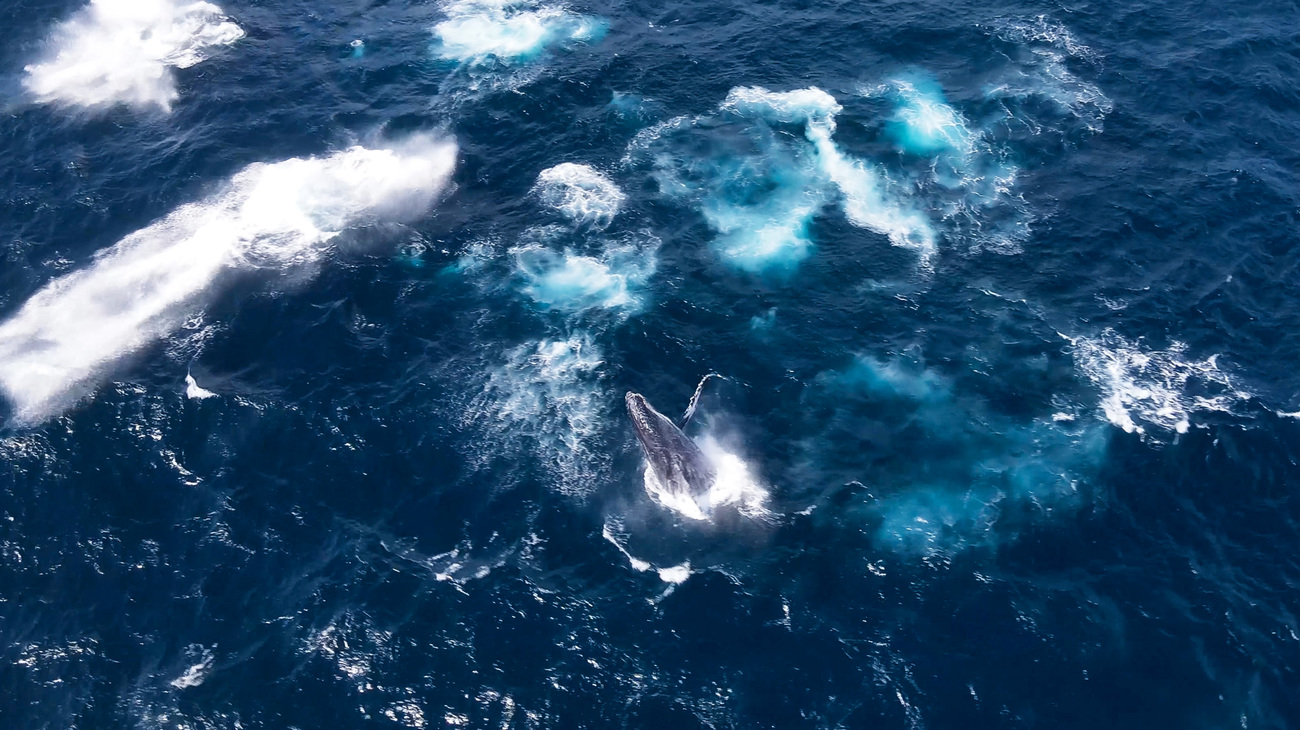
A humpback whale off the coast of Kenya. Photo: Michael Mwang'ombe / © KMMREC
The upcoming 11th Our Ocean Conference in Mombasa, Kenya, offers governments, businesses, and conservation organizations a chance to highlight ocean noise and prioritize it on the regional agenda.
At IFAW, we believe ocean noise pollution requires greater attention, especially in the Western Indian Ocean, one of the world’s most biologically diverse marine regions. Spanning Somalia to South Africa and including Madagascar, Mauritius, and Seychelles, this area supports over 65 million people who rely on a healthy ocean.
The world faces interconnected crises of biodiversity loss, pollution, and climate change. A healthy ocean is vital in addressing these challenges. Coral reefs, mangroves, and seagrass meadows support marine life and store significant amounts of carbon. Protecting marine ecosystems is essential for coastal communities and climate resilience.
However, ocean noise continues to rise as global shipping, offshore industries, and coastal developments expand. Scientists, Multilateral Environmental conventions, and international organizations, such as the Convention on Biological Diversity, the International Whaling Commission, the International Union for Conservation of Nature, and the Convention on Migratory Species, have repeatedly called for urgent action to reduce ocean noise.
The High Ambition Coalition for a Quiet Ocean promotes international cooperation, policy development, and technological solutions to reduce ocean noise. Membership to this global initiative is voluntary and free, but as yet, no Western Indian Ocean countries have joined.
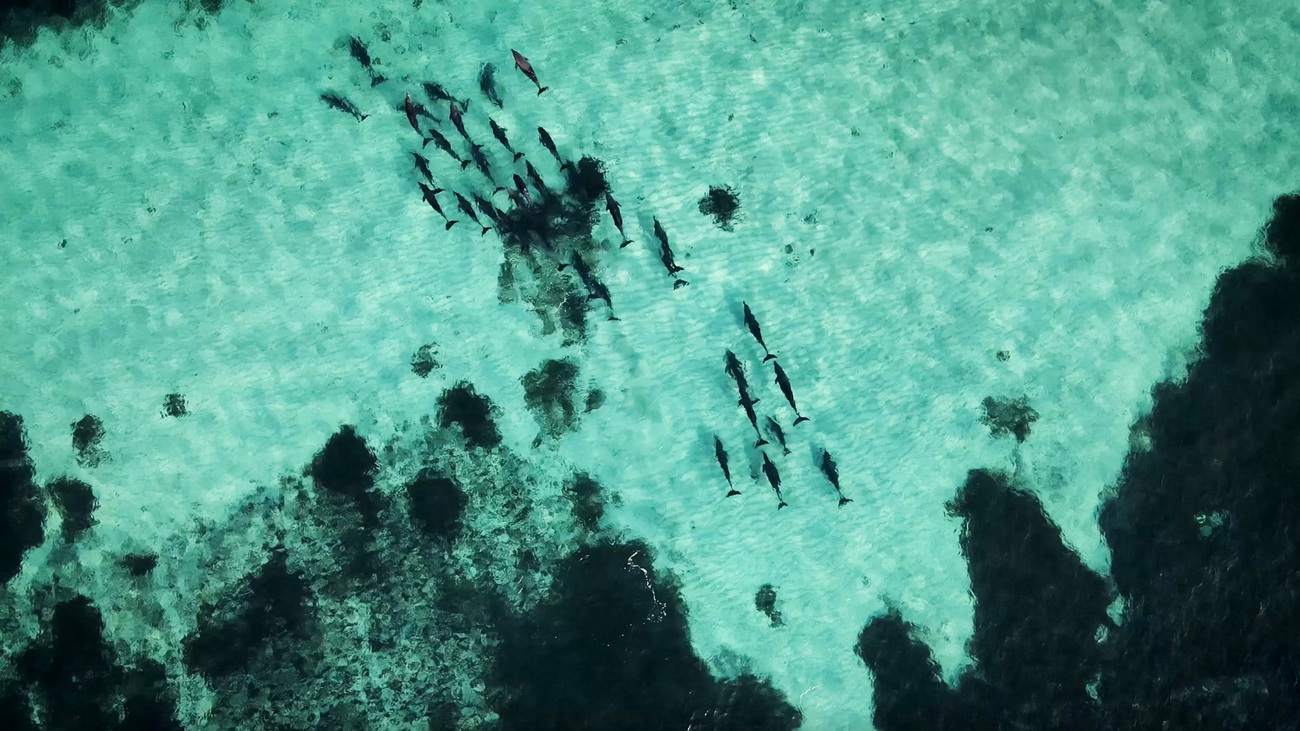
Dolphins off the coast of Kenya. Photo: Michael Zomer / © IFAW
This gap presents an opportunity
To implement effective mitigation measures, we must first understand the scale of the problem. This requires investment in research and monitoring, and collaboration among governments, scientists, coastal communities, and civil society to gather data on the scale of ocean noise as a regional issue.
These efforts demand political will, financial investment, and international cooperation. They also provide an opportunity to strengthen marine conservation and ensure economic development does not compromise ocean health.
As governments, businesses, and conservation organizations convene at the Our Ocean Conference, there is an opportunity to prioritize ocean noise on the regional agenda.
The Western Indian Ocean is one of the world's great marine treasures. Preserving its productivity, health, and acoustic environment for marine life will require collaboration, scientific research, and sustained commitment.
The sounds beneath the waves may be invisible to us, but for the species that depend on them, they are nothing less than the soundtrack of survival.
Related content
every problem has a solution, every solution needs support.
The problems we face are urgent, complicated, and resistant to change. Real solutions demand creativity, hard work, and involvement from people like you.