Inua Kijiji: Uplift a village
Empowering women in Kenya with sustainable livelihoodsHow Inua Kijiji is empowering women and protecting wildlife in Kenya
How Inua Kijiji is empowering women and protecting wildlife in Kenya
April 28, 2026
By Daisy Ochiel, IFAW Gender & Youth Officer, and Victor Murunga, IFAW Planning, Monitoring, Evaluation & Learning Manager
Across Kenya’s Amboseli and Loita landscapes, where elephants and other wildlife roam, women have long played a vital role in caring for households, managing natural resources, and supporting community wellbeing. Yet many have had limited access to economic opportunities and less influence in public decision-making.
Through IFAW’s Inua Kijiji project, that is changing.
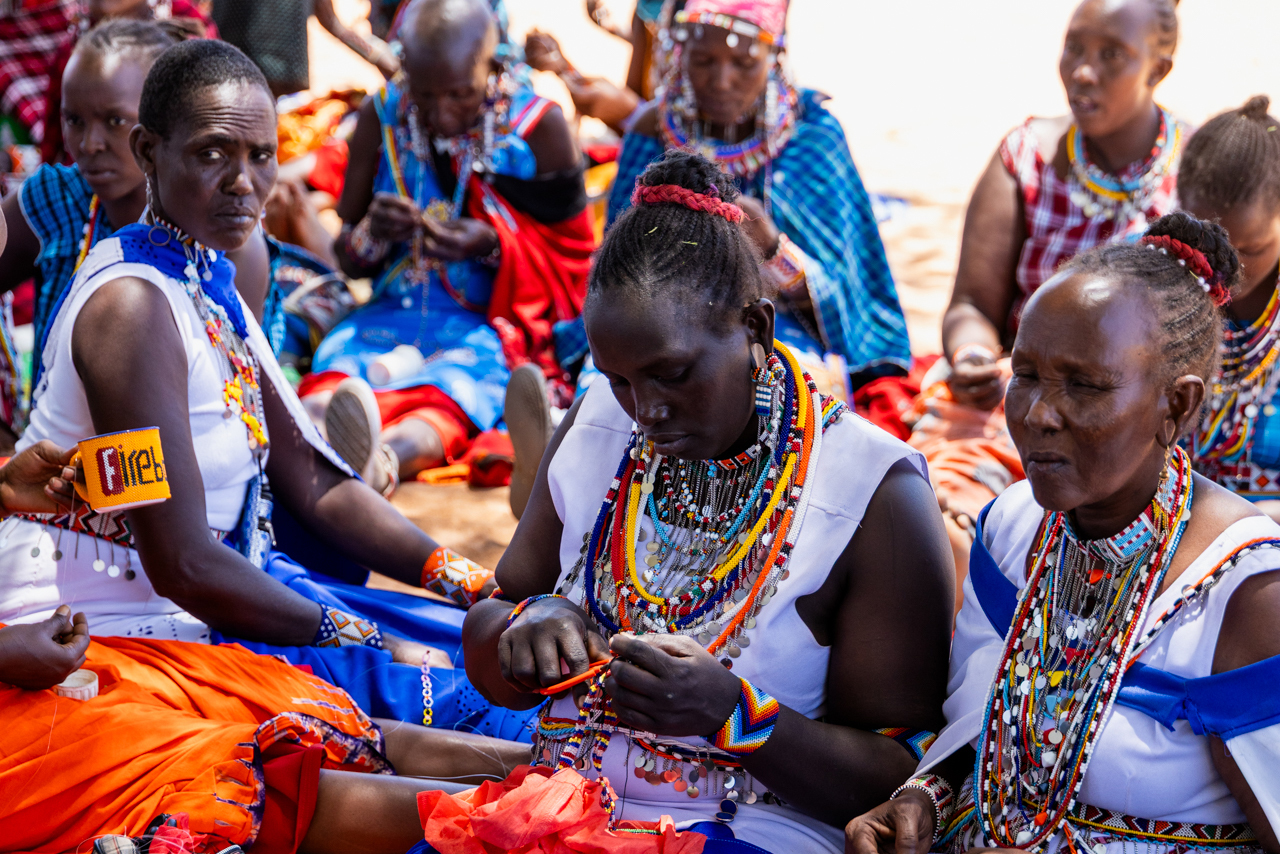
Beadworking with the Inua Kijiji women’s group in Amboseli, Kenya. Photo: Michael Zomer / © IFAW
By supporting women-led enterprises, building practical skills, and working within existing community structures, the initiative is helping families increase their incomes, strengthen resilience, and create stronger foundations for conservation.
Since launching in 2018, Inua Kijiji has grown from a small pilot into a thriving network across both landscapes. The initiative began with just three women’s groups, two in Loita and one in Amboseli, bringing together 248 women and indirectly supporting around 1,240 household members.
Seven years later, the project now supports eight women’s groups in Amboseli involving about 1,200 women, and five groups in Loita involving around 600 women. In total, Inua Kijiji now reaches an estimated 9,000 beneficiaries across the two landscapes.
Amboseli and Loita are in southern Kenya, along the Kenya–Tanzania border, forming part of a wider transboundary ecosystem that includes Amboseli National Park and stretches towards Mount Kilimanjaro. These landscapes are vital wildlife corridors, allowing animals such as elephants, lions, giraffes, cheetahs, zebras, and wildebeest to move between protected areas and community lands. This connectivity helps maintain healthy wildlife populations while reducing human-wildlife conflict.
Built on community leadership
From the beginning, Inua Kijiji was designed to work through existing community institutions and local leadership structures. In areas where traditions and decision-making systems shape everyday life, lasting progress depends on trust, collaboration, and inclusion.
By engaging women and men alike, the project has helped open new opportunities for women while fostering broader community support. This approach has strengthened local ownership and helped shift perceptions about the role women can play in household prosperity, community leadership, and conservation.
Through partnerships with organisations including Olgulului Land Trust and Ikimpa Community Conservancies Association, women involved in Inua Kijiji have also become more active in wider community development efforts.
Economic empowerment creating real change
One of the clearest signs of the project’s success is the income it has generated for women and their families. Since 2023, with support from the David Rio Foundation, IFAW and our partners have secured a market in the US for handmade bracelets produced by women in the project. More than 30,000 bracelets have been produced, generating KES 24 million, approximately US$186,000, in revenue.
That income is creating visible change in daily life. Women report being better able to pay school fees, meet household needs, and invest in new income opportunities. Some have purchased livestock, while others have bought land or invested in small businesses such as hiring out tents and chairs for community events.
Many are also participating in table-banking groups, helping members save money, access small loans, and build financial security.
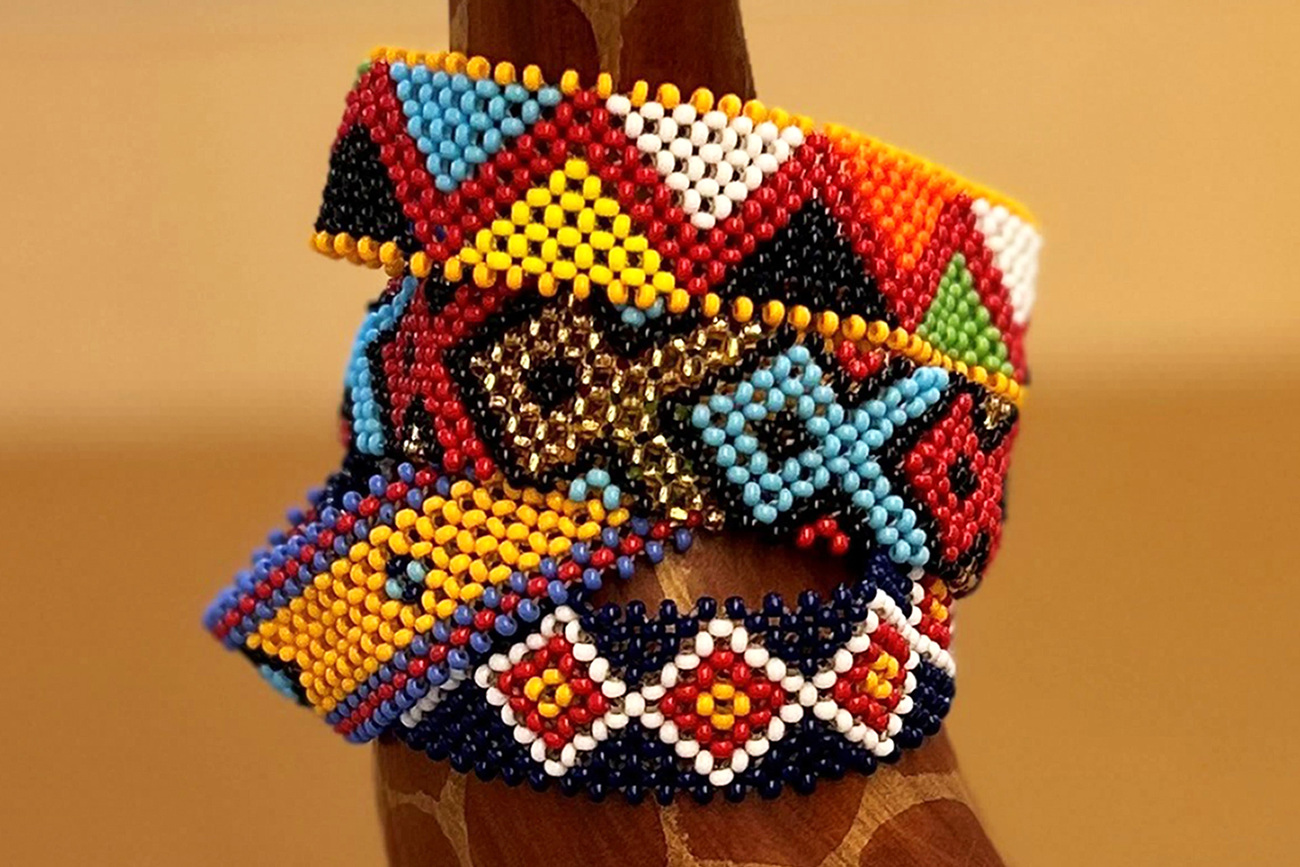
Bracelets made by Inua Kijiji project participants in Amboseli, Kenya. Photo: © IFAW
Shifting norms at home and in the community
The benefits of Inua Kijiji extend beyond individual households. Members have created a welfare initiative called Inua Mwenzako, meaning uplift one another. Through shared contributions, women support vulnerable members of their communities, including helping to cover hospital bills and school fees for children in need.
This spirit of mutual support reflects a wider truth about women’s economic empowerment: when women thrive, families, and communities often thrive with them.
The project is also helping reshape household dynamics. Women involved in Inua Kijiji report growing support from male partners, including greater willingness to share domestic responsibilities. This has enabled more women to participate fully in income-generating work, training opportunities, and leadership roles.
These changes may seem small, but they can be transformative. When responsibilities are shared more fairly, women have more time, confidence, and freedom to contribute their skills and ideas beyond the home.
Why women’s empowerment matters for conservation
When communities have sustainable livelihoods and stronger financial security, they are often better placed to live alongside wildlife and protect natural resources.
That is why initiatives like Inua Kijiji matter far beyond household income. By helping families diversify earnings and build resilience, women’s enterprises can reduce economic pressures that contribute to habitat loss and land fragmentation, while strengthening support for community-led conservation.
This is especially important in Amboseli and Loita, where elephants and other wildlife move across shared landscapes of community land, grazing areas, and protected habitat. Keeping these landscapes connected is essential for wildlife survival.
Inua Kijiji contributes directly to IFAW’s Room to Roam vision by helping secure community-owned rangelands that serve as critical wildlife corridors. By investing in women and communities, the project supports greater landscape connectivity, enabling wildlife such as elephants to move more safely across ecosystems.
Women also bring valuable knowledge, perspectives, and leadership to decisions about land, resources, and the future of their communities.
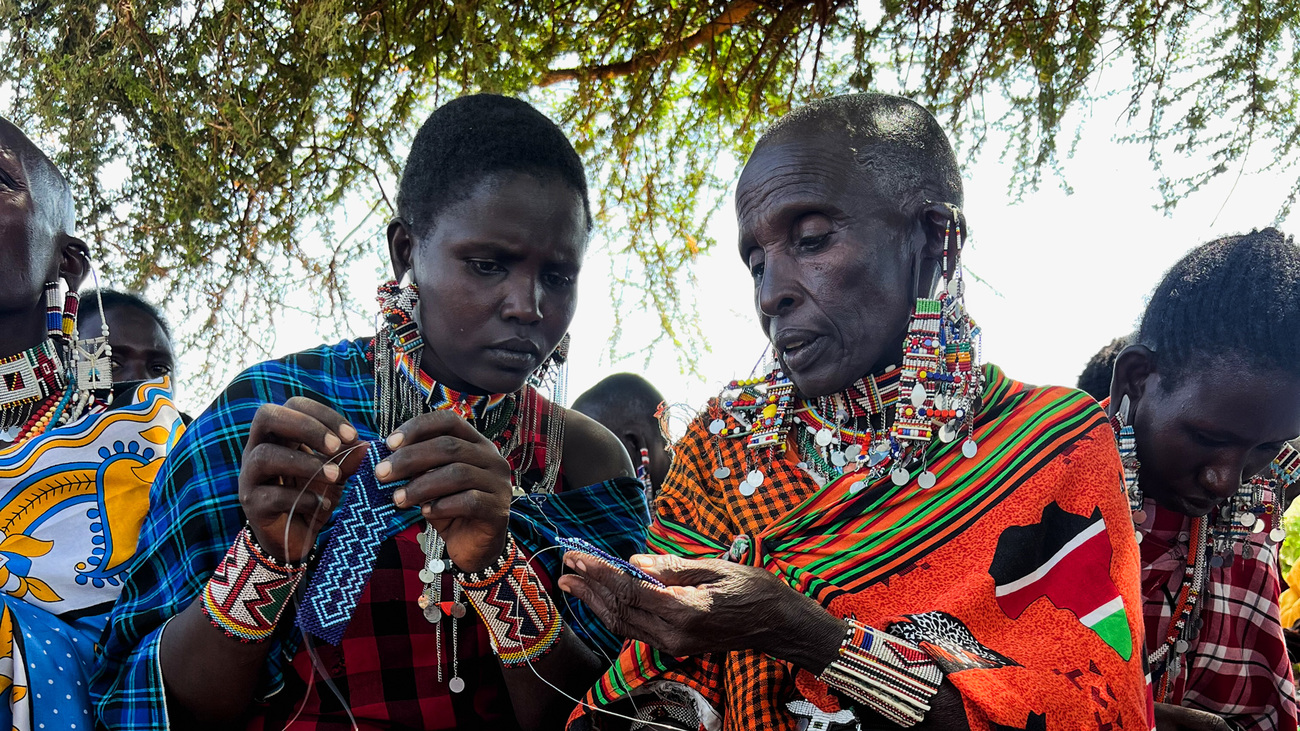
Inua Kijiji project participants inspect their beadwork. Photo: Daisy Ochiel / © IFAW
Looking ahead
The future of Inua Kijiji is full of promise. The David Rio Foundation has expressed interest in placing additional orders, signalling continued demand for the women’s products. In a strong demonstration of community ownership, local leaders have donated one acre of land for a dedicated worksite.
The site is expected to become more than a production space. It could also serve as a cultural stopover, giving visitors the opportunity to experience a traditional manyatta and meet the women artisans behind the products.
A model for lasting change
Inua Kijiji shows what is possible when conservation is rooted in community priorities and inclusive opportunity. By investing in women’s leadership, supporting sustainable livelihoods, and strengthening local partnerships, the project is helping build a future where people and wildlife can thrive together.
From three small groups in 2018 to a growing movement across two landscapes today, Inua Kijiji is improving lives, strengthening communities, and helping protect the connected habitats wildlife need to roam.
Related content
Our work can’t get done without you. Please give what you can to help animals thrive.