Robert Leach
How communities came together for wildlife after ex-tropical cyclone Narelle
How communities came together for wildlife after ex-tropical cyclone Narelle
Robert Leach | June 2, 2026
When ex-tropical cyclone Narelle swept across northern Australia earlier this year, it left more than storm damage in its wake. Across Queensland, the Northern Territory, and Western Australia, wildlife responders found themselves facing very different emergencies, each shaped by geography, timing, and local capacity.
What connected them all was the determination of people on the ground to help animals survive.
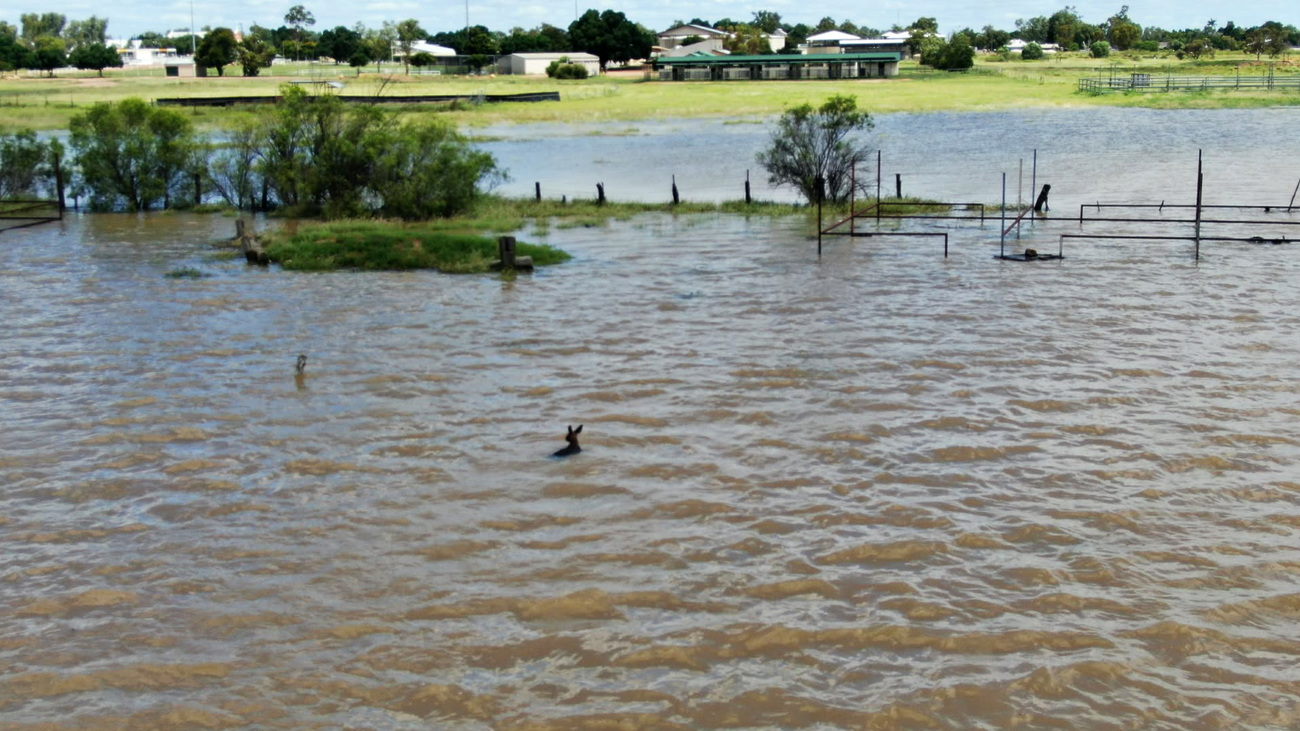
A kangaroo in floodwaters in Queensland in March, 2026. Photo: © Western QLD Wildlife Rehabilitation
For those working in wildlife rescue and rehabilitation, Narelle was not a single event. In many places, the pressure had already begun long before the cyclone arrived.
When disasters overlap
In Queensland, record-breaking floods had already inundated remote inland communities, isolating carers and overwhelming wildlife rescue networks. Macropods that would normally remain within local rehabilitation systems had to be transported hundreds of kilometres to find available care, placing additional strain on wildlife hospitals and carers further north.
IFAW partners, including The Agile Project and broader macropod rehabilitation networks, were already managing significant numbers of orphaned kangaroos, wallabies, and wallaroos before cyclone warnings were issued. As forecasts for Narelle intensified, preparations accelerated across the region.
Working alongside local partners, we helped strengthen outdoor enclosures, secure equipment, and expand rehabilitation capacity so carers could safely take in more animals once the storm hit. By the height of the response, one IFAW-supported partner alone was caring for more than 100 orphaned joeys, alongside other native wildlife.
The experience highlighted an increasingly familiar reality in disaster response: emergencies rarely happen in isolation. Pressure builds over time, often long before public attention turns to the crisis.
A quieter crisis in the Northern Territory
Further west in the Northern Territory, the impacts unfolded more quietly, but the consequences for wildlife were devastating.
As Narelle moved through the Pine Creek and Katherine regions, flying fox colonies already weakened by seasonal food shortages came under enormous environmental stress. Thousands of bats died, while orphaned pups began appearing in backyards, playgrounds, and streets across affected communities.
Local carers worked around the clock as dehydrated, hypothermic, and exhausted animals arrived in growing numbers. Ahead of the cyclone’s arrival, IFAW had worked with response partners to position teams safely near anticipated impact areas so they could begin assessments and rescues as soon as conditions allowed.
Even with that preparation, the scale of the event quickly overwhelmed local capacity.
To help support the response, specialist flying fox rehabilitators and educators travelled from Queensland to assist local carers. Alongside providing hands-on care, they shared skills and training designed to strengthen long-term local response capacity, helping ensure communities are better prepared for future emergencies.
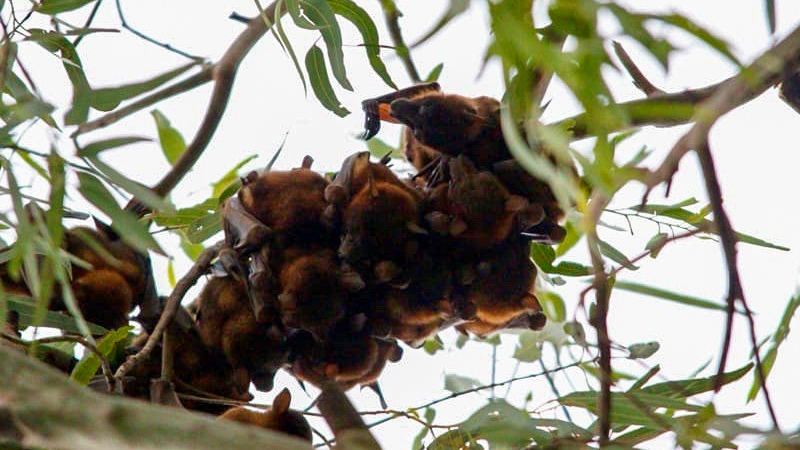
Flying fox pups impacted ex-tropical cyclone Narelle where NT Fauna Solutions, with support from IFAW, is providing emergency assistance. Photo: © NT Fauna Solutions
Responding under isolation in Western Australia
In Western Australia, the cyclone brought a different set of challenges again.
When Narelle returned to the coast as a Category 4 system, it caused widespread damage and isolated communities almost immediately. With roads cut off and emergency efforts focused on human safety and essential services, wildlife responders faced significant barriers accessing affected areas.
Along the coastline, injured and stranded seabirds, turtles, sea snakes, and other marine wildlife began washing ashore. In the early days after the storm, much of the response was community-led, with volunteers walking beaches searching for surviving animals and local wildlife carers working tirelessly to provide emergency treatment.
One licensed wildlife rehabilitator transformed her home into an improvised care facility as more animals continued to arrive.
Behind the scenes, IFAW worked alongside WA Wildlife and government partners to help coordinate wildlife rehabilitation supplies into Exmouth. In a highly restricted operating environment, those supplies were included alongside essential relief flights supporting the wider community response.
At the same time, the IFAW–WA Wildlife disaster response team remained on standby, ready to deploy as soon as access became possible. While access restrictions ultimately meant veterinary support was delivered through a locally sourced government-contracted veterinarian, the experience reinforced a challenge often seen during wildlife emergencies: community-led wildlife care and formal emergency systems do not always integrate as closely or as quickly as they could.
Recovery continues after the headlines fade
For IFAW, disaster response does not end once the immediate crisis passes.
In Exmouth, we have since delivered wildlife rescue and rehabilitation training that was originally planned before the cyclone. Community interest was extraordinary, with more than 250 expressions of interest received, representing around 10% of the town’s population.
That level of engagement speaks to something powerful: people want to help wildlife when disaster strikes.
Strong local networks make future responses faster, more sustainable, and more resilient. But training is only one part of the equation. Equipment, infrastructure, and long-term support are equally important, which is why IFAW continues working with local organisations and WA Wildlife to identify how funds raised during the disaster can best support future preparedness and recovery.
Related content
Our work can’t get done without you. Please give what you can to help animals thrive.