Centre for Bear Rehabilitation and Conservation - India
A cub that loses its mother shouldn’t have to lose its homeYoung tiger cub returns to the wild after rescue in India
Young tiger cub returns to the wild after rescue in India
28 September 2026
A three-month-old tiger cub is back in the wild after becoming separated from its mother and stranded near a village in Assam, India.
The young tiger was discovered in the early hours of 17 September in Natugaon Village, in the Biswanath area of the Kaziranga landscape. Trapped among agricultural and fishing nets in a household kitchen garden, the cub was far from where a tiger of this age should be, alongside its mother in the wild.
Strong currents in the nearby Brahmaputra River may have separated the cub from its mother. The challenge for responders was not only to bring the young tiger to safety, but to give it the best possible chance of finding its mother again.
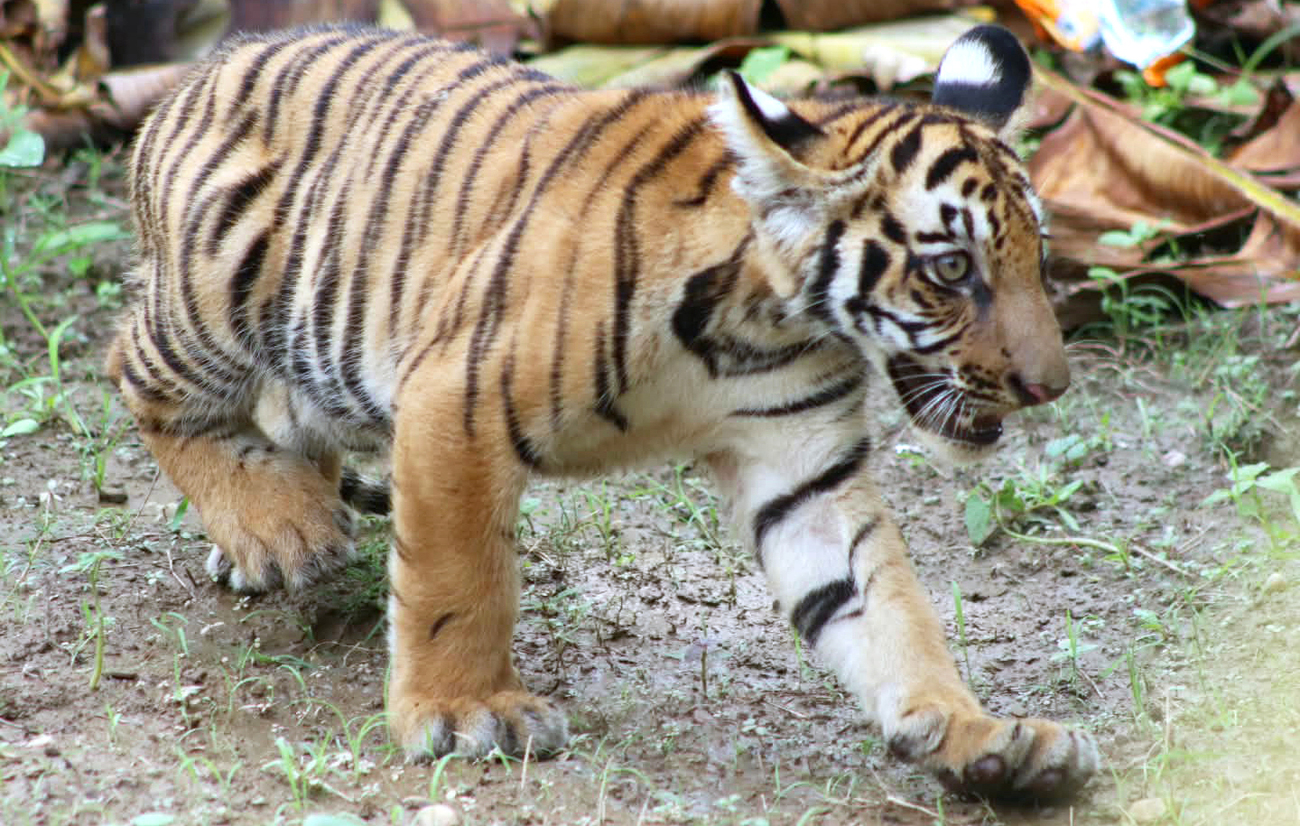
Juvenile tiger trapped in a kitchen garden in Biswanath, Assam Photo: © Kaji Jeidul Islam
A tiger rescue focused on returning the cub to the wild
Working alongside the Assam Forest Department, police, and district administration, the IFAW-Wildlife Trust of India team helped secure the area around the cub while experts surveyed nearby riverine islands for signs of its mother.
The rescue team was able to carefully guide the cub into a transport crate without using chemical immobilisation, an important consideration given the animal's young age. The cub was then moved to the Central Range Office for veterinary observation.
But rescue was only the first step. For a tiger this young, the team's hope was to return it to suitable habitat where a reunion with its mother might be possible.
Recent reports and evidence suggested that a mother with cubs had been seen in the area. Led by Dr Panjit Basumatary of IFAW-WTI's Centre for Bear Rehabilitation and Conservation, the team set out for a riverine island upstream. The cub travelled along the Brahmaputra aboard a bhut-bhuti, a mechanised country boat commonly used on the waterways of Assam, while the team provided food and hydration along the way. Once at the selected site, they installed a camera trap to watch for signs of an adult tigress.
“For a cub this young, its mother is still its best chance of survival in the wild. Our priority was to minimise human intervention while creating the safest possible opportunity for them to find one another again. Every decision we made, from where we placed the cub to how we monitored the area, was guided by the goal of keeping this young tiger wild,” said Dr Panjit Basumatary of WTI’s Centre for Bear Rehabilitation and Conservation.
Responding as conditions changed
Wildlife rescue rarely follows a predictable path. The following afternoon, a drone survey showed that the cub remained at the site, but it revealed another concern. Rising river levels threatened to submerge the area around the transport crate.
The team responded quickly, moving the cub to more secure ground. The new location was selected with both the surrounding habitat and likely tiger movement routes in mind. The crate was positioned beneath a tree to shelter the young tiger from direct sun and rain, while still allowing the team to monitor from a distance and provide food and care when necessary.
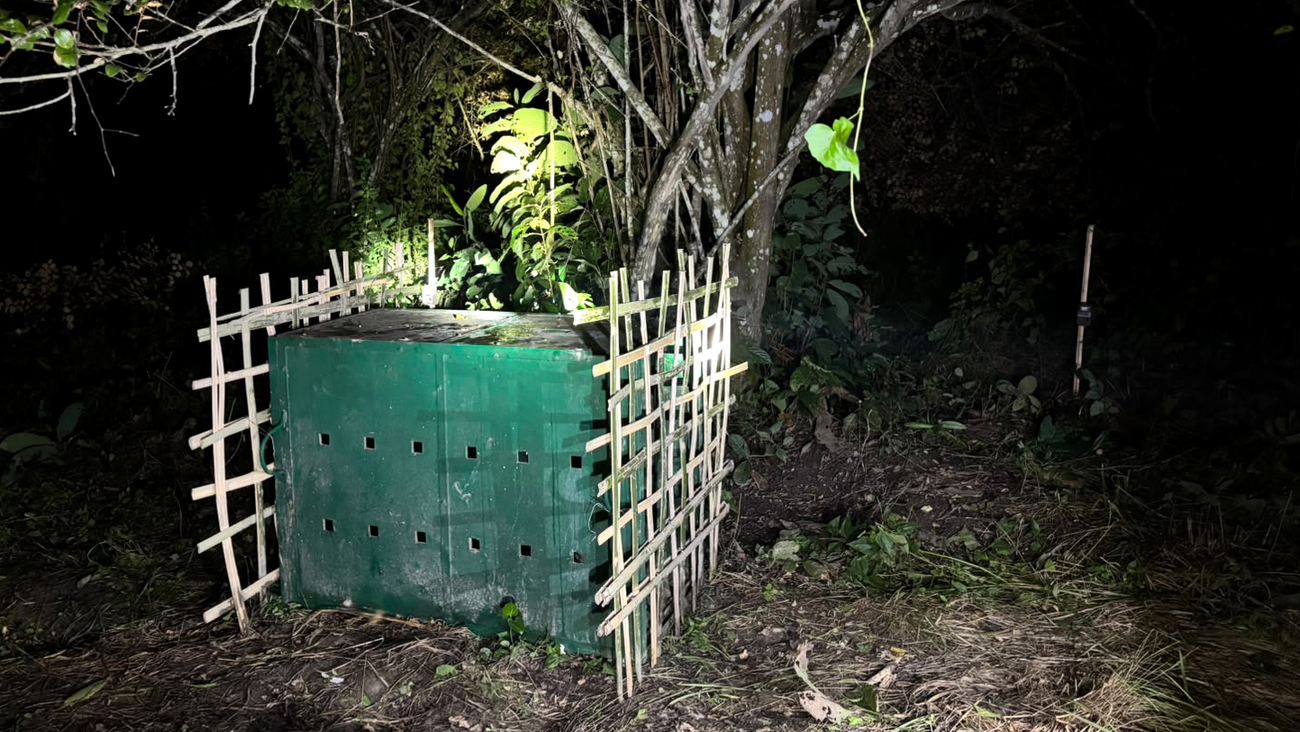
Camera traps have been installed around the release site, and surveillance is ongoing. Photo: © Nayanjyoti Gogoi
Two days after the rescue began, the team discovered that the cub had left the crate.
They searched the surrounding area for pugmarks and other signs of its movement and reviewed footage from the camera trap. Although neither provided immediate confirmation of the cub's whereabouts, the condition of the crate, including damaged ventilation openings and a bamboo barrier, indicated that the tiger had most likely made its way out independently.
Several days later came an encouraging sign. Tiger pugmarks were discovered approximately 200 metres from the release crate.
Camera traps remain in place, and monitoring by the Forest Department is continuing in the hope of capturing images of the young tiger in the weeks ahead.
Protecting individual tigers and the landscapes they share with people
This rescue shows how quickly circumstances can change when responding to wild animals in distress. The goal is not simply to remove an animal from immediate danger. It is to understand what happened, minimise stress and intervention, and, whenever possible, give that animal the chance to continue its life in the wild.
That work is particularly important in the Kaziranga landscape, where shifting river conditions can displace wildlife and bring animals closer to neighbouring communities as they search for safe ground. IFAW and WTI work alongside government authorities and communities to respond when wildlife is in trouble and help people and animals safely share these dynamic landscapes.
Across India, our work to protect tigers also includes mitigating human-tiger conflict, helping maintain safe passage through fragmented landscapes, strengthening frontline wildlife protection, and building local support for conservation.
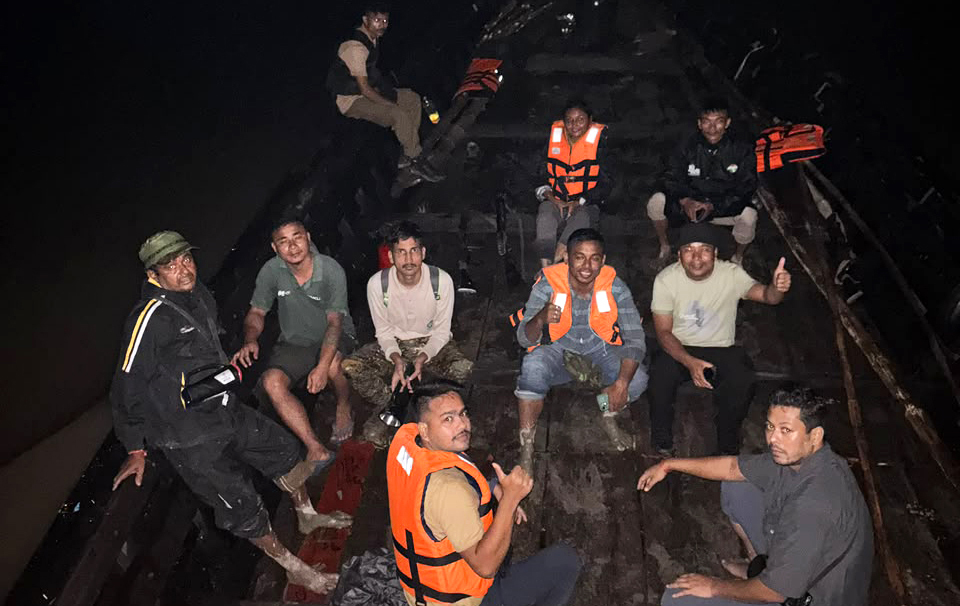
Members of the rescue team and local partners who helped give the young tiger cub a chance to return to the wild. Photo: © Nayanjyoti Gogoi
Every individual tiger matters. Each animal plays a role in the future of its population and the health of the ecosystems tigers help sustain. For this young cub, veterinarians, wildlife experts, government authorities, and local responders came together around one goal, to give it the best possible chance to remain a wild tiger.
For now, camera traps will keep watch as the cub moves through the landscape on its own.
Related content
Every problem has a solution, every solution needs support.
The problems we face are urgent, complicated, and resistant to change. Real solutions demand creativity, hard work and involvement from people like you.