Read more
Climate change: terms and definitions
Climate change: terms and definitions
29 November 2025
What do we mean by nature-based solutions to climate change? Why might we consider an animal an ecosystem engineer? Here are some common terms used by IFAW when discussing our work to combat climate change. Because other organisations and stakeholders may refer to these terms as well—or use different ones—we want to help clarify what they mean.
Adaptation
The impacts of climate change are constantly evolving and hard to predict, especially when it comes to changing weather patterns. When we’re not prepared for extreme weather like droughts, floods, and heat waves, it’s much harder to protect our crops when they happen. Adaptation is about preparing for these weather events so we can minimise their effects on things like food production and distribution.
Similarly, ecosystem-based adaptation is about using natural ecosystems to help combat the effects of climate change. For example, instead of building a dam to store water that we can use during droughts, an ecosystem-based approach would involve regenerating nearby forests and wetlands to naturally collect water and recharge groundwater supplies. Coral reefs and mangrove trees can also break up and disperse the force of waves before they hit the shore, providing a natural defence against coastal flooding, so supporting mangroves and coral to prevent flooding is another example of ecosystem-based adaptation.
Adaptive capacity
Adaptive capacity refers to the ability to react and adapt to changes caused by climate change. An example of adaptive capacity is how well a village can react to increased droughts and implement new strategies to keep their crops healthy. Another example could be the abilities of cities in traditionally cooler climates to adapt to more frequent heat waves. To prevent damage, they need systems that won’t overheat and tarmac that won’t melt during heat waves. They also need ways for their population to stay cool and avoid potentially fatal conditions like heat stroke.
We don’t always know exactly what changes will occur and where, so we need the ability to react quickly when we can’t plan ahead.
For a community or city to have a higher adaptive capacity, they need to know how to design new strategies, have the power to make changes, and have the money to implement them. By measuring adaptive capacity, we can figure out who needs help with what. An area with high adaptive capacity can be considered safe for the time being, and we can instead help a community with greater need improve its adaptive capacity.
Afforestation or reforestation
The terms afforestation and reforestation both refer to planting trees and regenerating forests. If the land was non-forested to start with (or hasn’t been forested for more than 50 years), it’s afforestation. If the land was recently deforested and is being restored, it’s called reforestation.
Reforestation is simpler because there aren’t many downsides to restoring a forest that existed until very recently. However, land for afforestation has to be chosen carefully because it likely houses other non-forest ecosystems.
There are many benefits to increasing the amount of forested land on Earth. More forests means more plants, trees, and animals, which is good for preserving biodiversity and sequestering carbon. Capturing and storing more carbon in plants and animals means less carbon in the atmosphere.
Agroforestry
Agroforestry involves integrating trees and shrubs into agricultural practices. Agroforestry can provide many benefits to agriculture and the climate—for example, trees can shield livestock from the sun, wind, and extreme weather. Trees and shrubs also provide habitats for crucial pollinators, strengthen soil health, sequester carbon, slow runoff, reduce erosion, and improve water quality around crops and livestock.
Agroforestry can take many different forms, but they all involve planting crops or sheltering livestock around or in between trees. Trees are crucial for our planet, and they can help our agriculture, too.
Biochar
Biochar is a carbon-rich ash product made by heating biomass (including wood chips, plant residue, and manure) at very high temperatures. It is a solid material that is a form of charcoal.
The main purpose of biochar is carbon sequestration. It can also be used as a soil supplement. Using it as fuel, however, would release carbon into the atmosphere, which negates the goal of carbon sequestration.
Biodiversity
Biodiversity refers to the variety of animal and plant species living in a given ecosystem—or globally. The biodiversity of many ecosystems is threatened by rising temperatures and changing weather patterns, as is global biodiversity—1 million species face the threat of extinction as they prove unable to adapt to climate change.
Blue carbon
Blue carbon refers to carbon dioxide that is stored in the ocean after being absorbed from the atmosphere. Most blue carbon dissolves directly into the ocean, but it is also stored in sediment, vegetation, soil, DNA and protein molecules, and organisms ranging in size from phytoplankton to whales.
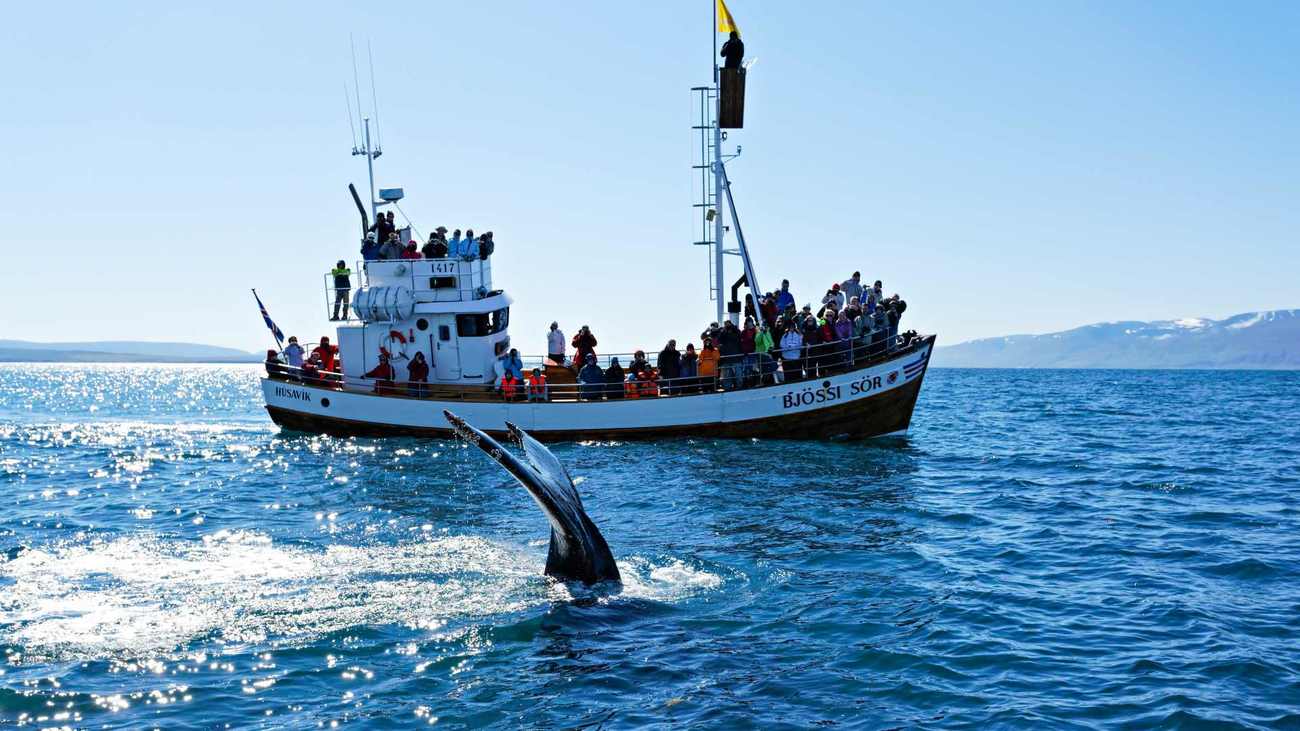
Humpback whale and boat, Húsavik, Iceland. Photo: © ullstein bild via Getty Images
Carbon credits
Carbon credits are a bit like ‘permission slips’ from governments that companies or individuals can purchase when they generate CO2 emissions. For every carbon credit a company or individual purchases, they can produce one tonne of CO2 emissions. Many corporations use carbon credits to help offset emissions that they consider ‘unavoidable’. Then, the government uses this money to offset the carbon produced or fund projects related to carbon removal.
Carbon dioxide
Carbon dioxide is a greenhouse gas produced when we burn carbon-based materials and when humans and animals breathe.
We call it a greenhouse gas because having too much of it in the atmosphere traps heat from the sun and warms up the planet—just like a greenhouse. The accumulation of too much carbon dioxide in the air is part of what causes climate change.
There is always some carbon dioxide in the atmosphere, but there should only be a small amount. We need to reduce the amount of carbon dioxide in our atmosphere to reverse or halt the effects of climate change.
Carbon sequestration
Carbon sequestration is the capture and storage of carbon in plants and animals. Since plants absorb and store carbon dioxide, and animals eat these plants, animals help store and cycle carbon.
By protecting and conserving wildlife, we help sequester carbon from the atmosphere. Whales are an example of major contributors to carbon sequestration, as the largest animals on Earth. When a whale dies, it brings tonnes of carbon to the bottom of the ocean and stores it there for centuries.
Carbon sink
A carbon sink is something that absorbs and stores more carbon than it releases. Some natural examples include plants, soil, and the ocean. We can also create artificial carbon sinks.
Protecting natural carbon sinks is incredibly important because no matter how many artificial solutions we devise, they can never match the sheer scale of the entire ocean or all the Earth’s soil. Natural carbon sinks have kept the Earth and its atmosphere healthy for hundreds of millions of years.
To put things into perspective, forests across the world absorb just over 2.5 billion tonnes of carbon dioxide each year, the soil absorbs around 25% of all human emissions each year, and the ocean has absorbed 25% of all the carbon dioxide we’ve emitted since we started burning fossil fuels around 200 years ago.
Climate change
Climate change refers to long-term shifts in temperature and weather patterns (rather than short-term or day-to-day changes). Since the 1800s, human activity has largely been the driver of climate change. Burning fossil fuels—coal, oil, and gas—contributes to the greenhouse effect, which has been rapidly changing the climate of our planet.
Climate resilience
Climate resilience describes landscapes, communities, and individual livelihoods that are well-suited to face rising temperatures, changing weather patterns, droughts, and other effects of climate change.
Climate-smart agriculture
Right now, our food systems produce 34% of all greenhouse gas emissions. They are the leading cause of biodiversity loss because we keep converting natural habitats into space for crops and livestock. Keeping the food systems running also requires 70% of the world’s freshwater—and it’s not used very efficiently.
Climate-smart agriculture is all about changing how we grow and produce food to reduce these impacts. We need to increase productivity and efficiency to make sure we’re getting the most value possible out of the resources we use. This means using better irrigation systems to waste less water, planting more resilient crops that won’t die during extreme weather events, and generating less greenhouse gas emissions. These changes are essential if we want to reach the goals of the Paris Agreement.
COP
A conference of the parties (COP or CoP), broadly speaking, is the supreme governing body of an international convention (also known as a treaty). Representatives from member states of the convention comprise the COP. Their concern is the treaty’s implementation, and they make decisions in order to support this.
COPs are not just used for conventions on climate change—they might also focus on treaties about nuclear weapons, hazardous chemicals, or tobacco, to name a few—but the United Nations Climate Change Conference (UNFCCC) is held annually and has been since 1992. COP30 was held in Brazil in November 2025.
Ecosystem engineer
Ecosystem engineers are animals that modify their ecosystems in significant ways, often by creating or altering their habitats. They affect other species by creating and maintaining these habitats. There are two types of ecosystem engineers: Allogenic engineers physically change biotic and abiotic materials in their habitats (e.g., beavers), while autogenic engineers make changes to themselves as organisms (e.g., trees).
Elephants are one example of ecosystem engineers. Through their diet, they gather and disperse seeds, which grow plants that are crucial for other species. In addition, as they travel through forests or savannahs, they bring brush and trees lower to the ground, which allows smaller animals to eat them. In this way, other animals rely on elephants for their survival. Sharks are another example, as their diet allows certain populations of algae-eating fish to thrive, which keeps our oceans healthy.
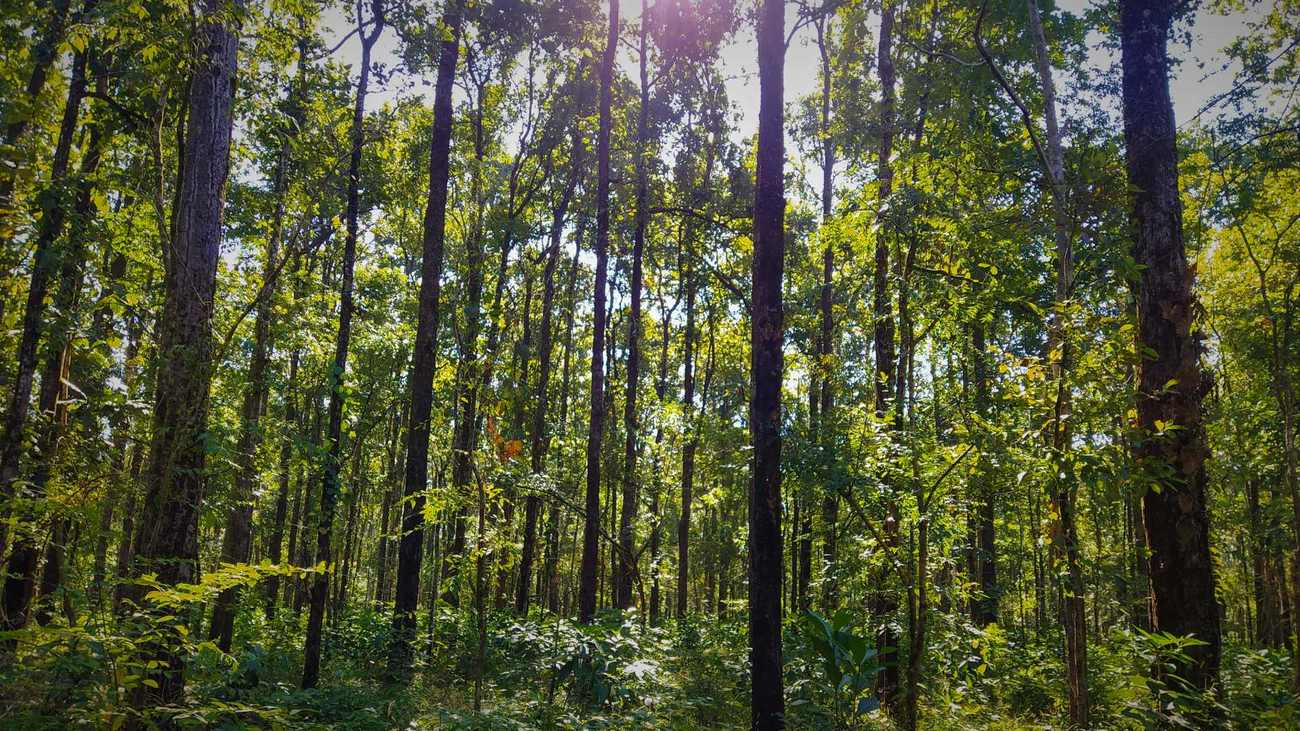
Sal trees in Raimona National Park's forest, a special plant species valued for its medicinal and cultural importance. Photo: Nazrul Islam / © WTI
Ecosystem services
Ecosystem services are benefits produced by nature on which our survival depends, including water, shade, soil, and organic matter. If we continue to degrade biodiversity on a global scale, we will lose access to these ecosystem services.
Ecotourism
Ecotourism is the tourism of natural environments, often involving the observation of wildlife. Not only does ecotourism serve to raise awareness about threatened ecosystems and the conservation of vulnerable species, but it also provides alternative livelihoods and forms of income to communities living in these environments. An example of ecotourism is whale watching, which provides an alternative form of income for places that previously generated income from whaling.
Energy efficiency
Energy efficiency describes home appliances and other items designed to use less energy and create less emissions. One example is the energy-efficient stoves IFAW and WTI installed in Assam, India. Previously, families in Assam cut down significant amounts of trees for fuel for these stoves. The energy-efficient stoves IFAW helped this community install have helped them save more than 10,000 trees. Not only do energy-efficient appliances reduce emissions, but they also have economic benefits and help preserve important ecosystems.
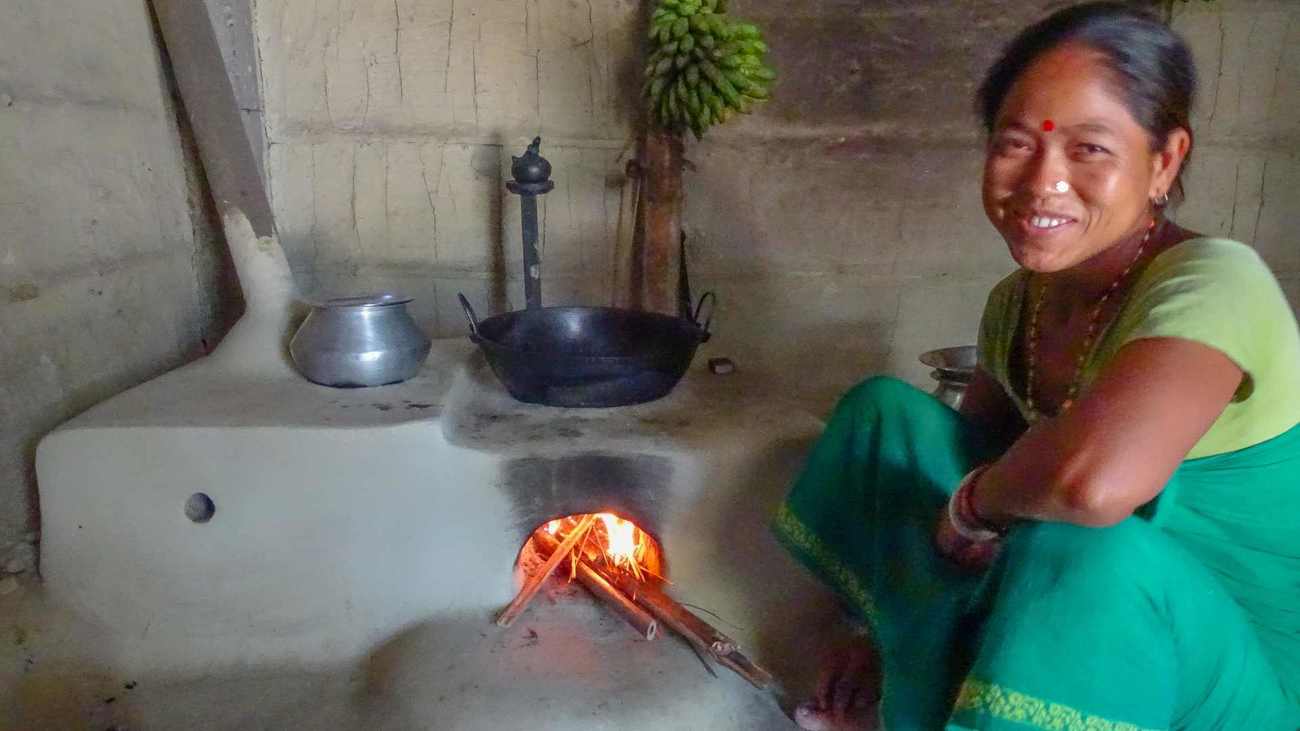
Improved cookstove design for domestic use, installed in Barpathar village in 2012 and still in use. Photo: Sanatan Deka / © IFAW-WTI
Fossil fuels
Fossil fuels are exactly what they sound like—fuels obtained from fossils. Specifically, they come from the fossilised remains of plants and animals that lived and died hundreds of millions of years ago. Because they were formed from living things, fossil fuels have a very high carbon content. Coal, crude oil, and natural gas are all examples of fossil fuels.
Burning fossil fuels creates heat energy that we can use for various applications, but it also releases greenhouse gases into the atmosphere. Another problem with fossil fuels is that they’re not renewable—it took hundreds of millions of years for them to form, and it will take hundreds of millions of years to create more.
Framework Convention on Climate Change
The United Nations Framework Convention on Climate Change (UNFCCC) is an international treaty to combat ‘dangerous human interference with the climate system’.
It was drafted in 1992 and signed by 154 members of the United Nations. Since then, the number of party states has increased to 198.
The convention decided several things, including the following:
- It recognises that climate change is a real problem.
- It sets a goal to stabilise greenhouse gas concentrations in the atmosphere.
- It decided that developed countries should lead the way because they have already benefited from years of unregulated emissions.
- It directed developed countries to financially support climate change efforts in developing countries.
- It ensures that industrialised countries report regularly on the climate change policies they design and implement and submit an annual inventory of their greenhouse gas emissions.
Global warming
Global warming is the increase in global average temperature we have witnessed due to the changing climate. Global temperatures are expected to rise by 1.5°C by 2040. Already, 2024 marked the first year where global average temperatures remained at least 1.5 °C above pre-industrial times for all 12 months.
Greenhouse gases
Greenhouse gases are gases that contribute to the greenhouse effect by trapping infrared radiation—which comes from the sun and warms the planet—in our atmosphere instead of allowing it to be radiated back into space.
Integrated landscape and water resource management
Integrated landscape management involves linking and balancing the protection and effective management of wildlife and their habitats to the wide range of other land uses. Integrated landscape management should take into consideration the livelihoods of people who rely on the land as well as the survival of wildlife.
Integrated water resource management describes practices such as building dams, using agricultural techniques to increase water retention, and planting trees. These methods allow water to sink into the landscape so it can be retained from one rainy season to the next. This minimises the impact of droughts and allows both people and animals to survive off the land.
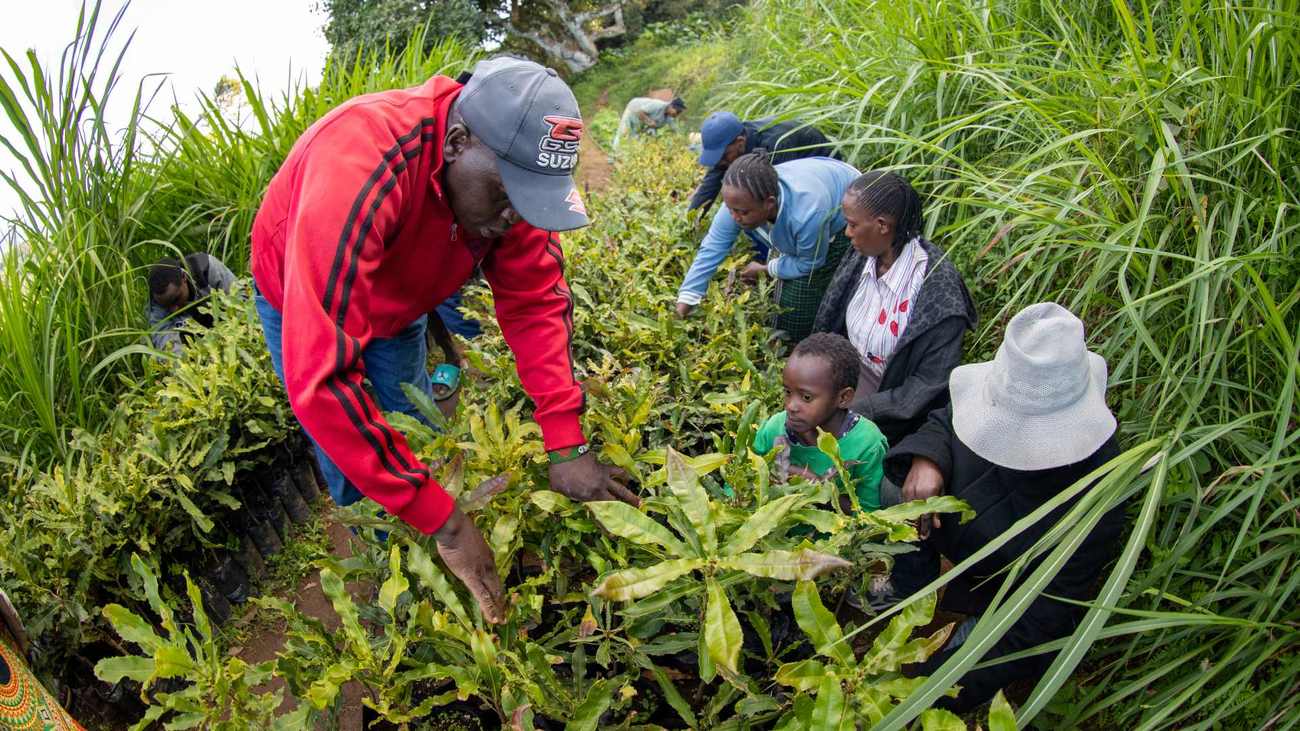
Macadamia farmers tending to seedlings. Photo: Moses Matofu / © IFAW
Land use change
Land use change refers to how human activity has impacted land and ecosystems worldwide. Over the last millennium, land use change has affected almost 75% of the Earth’s surface. Humans affect the land they use and live on in all sorts of ways—we build houses and infrastructure, plant crops, keep livestock, cut down trees, disturb animals, spread diseases, and much more. Some of these changes are sudden, some are gradual, some are permanent, and some are reversible.
Examples of land use change include cutting down a forest to clear space for agriculture, reforestation or afforestation (see above), urbanisation, and rewilding. Land use change often disrupts the natural functioning of ecosystems and can degrade, fragment, or completely destroy them.
Properly assessing the amount of land use change we’ve caused and how much of it is truly necessary is an important part of designing climate-smart strategies to reduce emissions and combat climate change.
Loss and damage
In UN climate negotiations, loss and damage refers to the impacts of climate change to which communities cannot adapt and we cannot mitigate. This includes the loss of homes to extreme flooding or severe weather, damage to the environment, loss of lives, and more.
Nationally determined contributions
Under the Paris Agreement, each country’s nationally determined contribution (NDC) is its self-defined climate pledge. Each NDC details what that particular country pledges to do to help reduce emissions and mitigate climate change. NDCs also outline how each country will secure the finances to reach these goals.
Nature-based solutions
Nature-based solutions focus on protecting nature as a means of mitigating, adapting to, and addressing loss and damage from climate change. These solutions involve putting measures in place that protect and conserve nature, wildlife, and key ecosystems, all of which are important for our climate. Nature-based solutions include wildlife conservation, marine conservation, ecosystem reservation, blue carbon projects, and more.
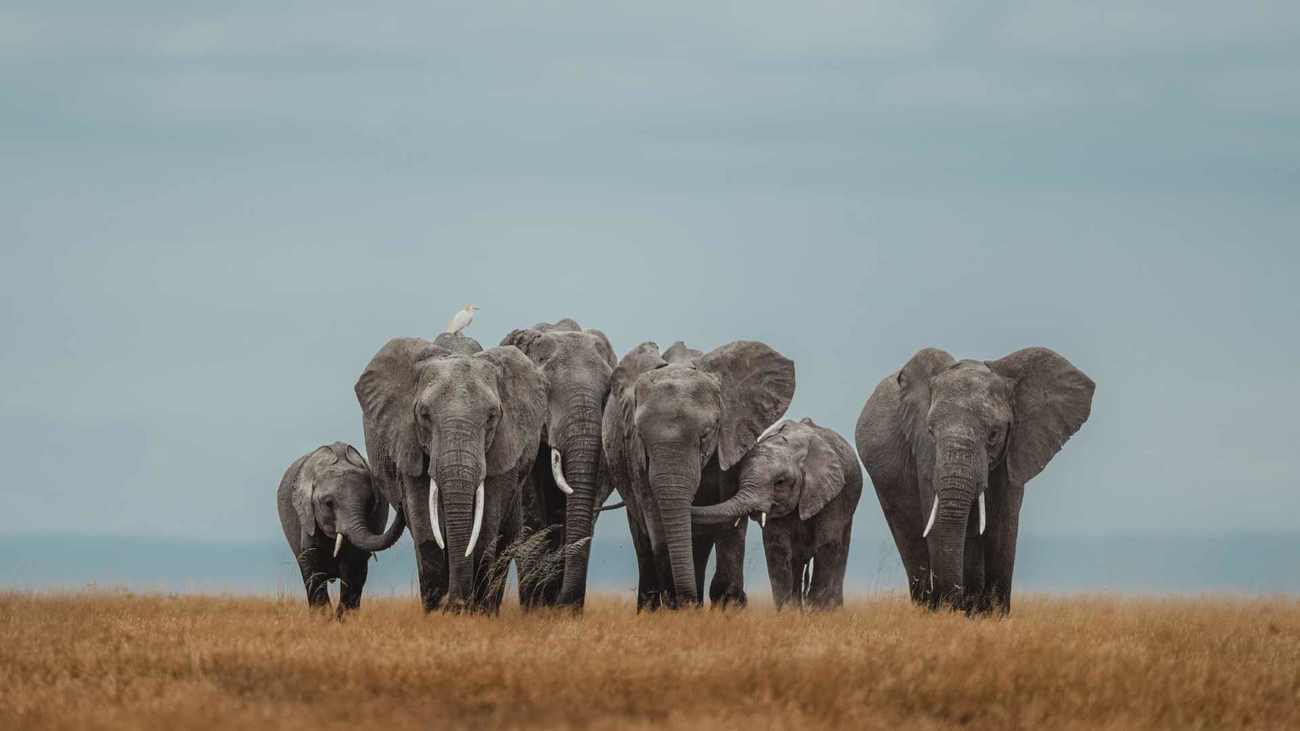
A herd of elephants in Amboseli National Park, Kenya. Photo: © Donal Boyd
Net zero
Net zero is a state that will be achieved when every bit of carbon humans release is counterbalanced by removing an equal amount of carbon from the atmosphere. The two main ways to do this are by reducing emissions (i.e. releasing less carbon into the atmosphere in the first place) and by offsetting emissions with an equal amount of carbon removal.
There are various methods for carbon removal, which include natural solutions like reforestation (restoring forests after they’ve been damaged or destroyed), restocking (increasing the density of forests), and agroforestry (incorporating trees into agriculture systems). Planting cover crops when agricultural fields are otherwise bare can also help remove carbon from the atmosphere—this allows the field to photosynthesise throughout the year.
Paris Agreement
The Paris Agreement is a significant treaty that came into effect in 2016 and was signed by 195 parties (194 countries plus the EU).
The goals of the agreement are:
- to substantially reduce greenhouse gas emissions and achieve a global temperature of 1.5 degrees Celsius above pre-industrial levels
- to regularly assess the progress being made towards this goal
- to provide financial help to developing countries so they can adapt to climate impacts and help mitigate climate change
The agreement is legally binding, so every country that signed must do their part to help it succeed.
Renewable energy
For a source of energy to be considered renewable, it has to replenish itself at a higher rate than we consume it. For instance, sunlight and wind will keep being replenished no matter how quickly we use them. On the other hand, fossil fuels have taken hundreds of millions of years to develop under the Earth’s surface, and we can use only a finite amount of them.
The fact that renewable energy sources never run out is only one benefit. They also produce far fewer greenhouse gases than burning fossil fuels, so they help us stop contributing to the carbon content in the atmosphere.
Renewable energy types include solar, wind, geothermal, hydropower, ocean energy, and bioenergy. Researching and implementing renewable energy also creates new jobs.
One thing we need to be careful about regarding renewable energy is its effect on natural habitats. Since we’re using nature to collect energy, the infrastructure and operations can disturb animals and ecosystems if we don’t consider their well-being during the design process.
Related content
Our work can’t get done without you. Please give what you can to help animals thrive.