Blog
Weakened US protections put marine wildlife at greater risk
Read moreUS endangered species protections are dealt another catastrophic blow
Just days after implementing policy changes that dramatically weakened the Endangered Species Act (ESA), US regulators have taken another unprecedented step to undermine longstanding, widely celebrated, and highly successful protections for imperiled wildlife.
Earlier this week, our nation’s most vulnerable species lost critical protections for the places they call home. Now, federal regulators plan to further undermine the ESA by excusing the direct killing of endangered animals. Under the proposed re-interpretation of the law, actions that foreseeably harm or kill endangered species but were not specifically undertaken to do so will not be considered ESA violations.
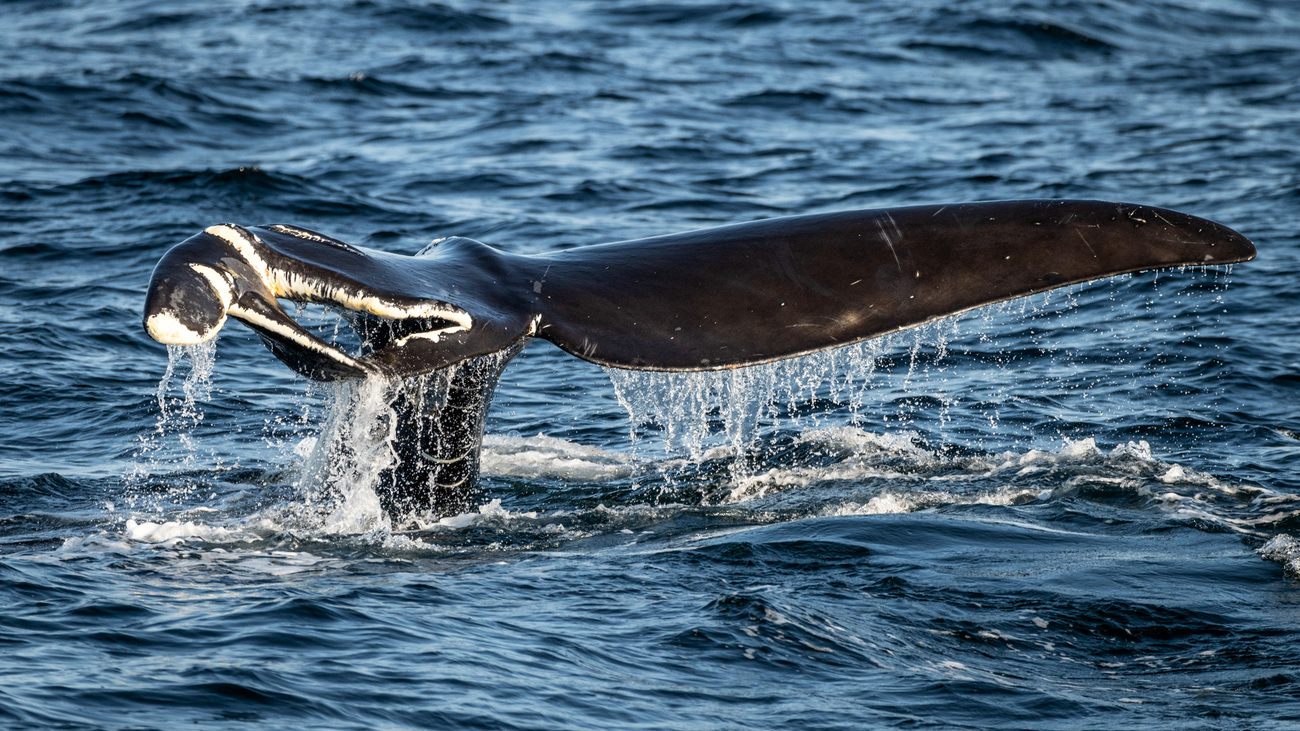
In starker terms, a leaked memo from the US Fish and Wildlife Service states: “A vessel that inadvertently strikes a whale has not taken it, because the vessel’s course was not set against the whale…. Felling a tree is not a take of the bats roosting in it unless the tree is felled for the purpose of killing or capturing them.”
“Most endangered animals harmed by human activity are not deliberately targeted. They are killed or injured as collateral damage from activities like development, resource extraction, and transportation,” said Carson Barylak, senior campaigns manager at IFAW. "This reinterpretation of the law disregards that reality and undermines the very purpose of the ESA.
The ESA has worked for more than 50 years because it requires us to anticipate harm and find ways to avoid it. Removing that responsibility does not balance conservation with human activity; rather, it removes a powerful incentive to prevent needless deaths in the first place.”
The potential adverse impacts on ESA-protected species are staggering, and this reinterpretation of the law will magnify the damage done by other recent deregulatory actions directed at ESA implementation, public lands management, and extractive industry activities. In addition, the policy change will destroy current and future work and partnerships formed to protect species under an ESA permitting system that is designed to balance wildlife protection with competing land and resource uses.
The ESA has prevented the extinction of more than 99% of the species it protects. The law has broad, enthusiastic support among the public—understandably so, as the ESA has saved iconic animals like the bald eagle, no longer classified as endangered, from disappearing from our landscape. Indeed, a recent survey found that 84% of Americans believe it is important that the US focus on saving endangered species from extinction. Yet the US government flouts the will of the people it represents by undermining the law’s fundamental purpose and weakening its implementation.
“Congress created a system specifically to address situations where lawful activities may unintentionally kill endangered wildlife,” added Barylak. “That system has enabled businesses, landowners, communities, and conservationists to plan ahead, reduce harm, and protect species. An interpretation that simply writes incidental killing out of the equation undermines decades of conservation planning and partnerships.”
The administration’s intent to dismantle the ESA altogether seems clear. On September 14, regulatory changes to the ESA’s definition of “harm” went into effect. The law’s prohibition against harming endangered species had long been interpreted to include disruption and destruction of key habitat—which is the greatest threat to most endangered wildlife—but, following the recent unscientific and unpopular definitional change, that habitat safeguard has vanished.
Despite federal agency officials’ willingness to ignore public outcry, leaders from both parties and both chambers of Congress seem to be listening. Measures have been introduced in the US House and Senate to reestablish habitat safeguards for imperiled animals. In addition, 20 states and the District of Columbia are challenging the relevant regulatory changes in court.
IFAW is galvanizing its supporters to vigorously oppose these dangerous attacks on the ESA, joining people across the US who care deeply about imperiled species and the habitats they call home. IFAW is calling on the public to defend the nation’s longstanding wildlife protections and urge decision-makers to uphold the ESA’s fundamental purpose of preventing extinction and helping vulnerable species recover.
Press contact:
Laury Marshall, lmarshall.contractor@ifaw.org, +1 301 706 2262
Our work can’t get done without you. Please give what you can to help animals thrive.
Unfortunately, the browser you use is outdated and does not allow you to display the site correctly. Please install any of the modern browsers, for example:
Google Chrome Firefox Safari