Disaster Response
Ex-tropical cyclone Narelle impacts wildlife in northern Australia
Ex-tropical cyclone Narelle impacts wildlife in northern Australia
April 10, 2026
Moving from response to preparedness
April 10, 2026
Communities in Western Australia are continuing to recover after ex‑tropical cyclone Narelle devastated the town of Exmouth, leaving widespread damage and isolating the region in the critical days immediately following the storm.
The cyclone’s ferocity had tragic consequences for wildlife. Many animals were found washed up along beaches already deceased, while others were injured, stranded, and in urgent need of help. At the height of the crisis, IFAW’s partner Balu Blue Foundation — the region’s only licensed wildlife rehabilitation organisation — was the sole lifeline for surviving animals.
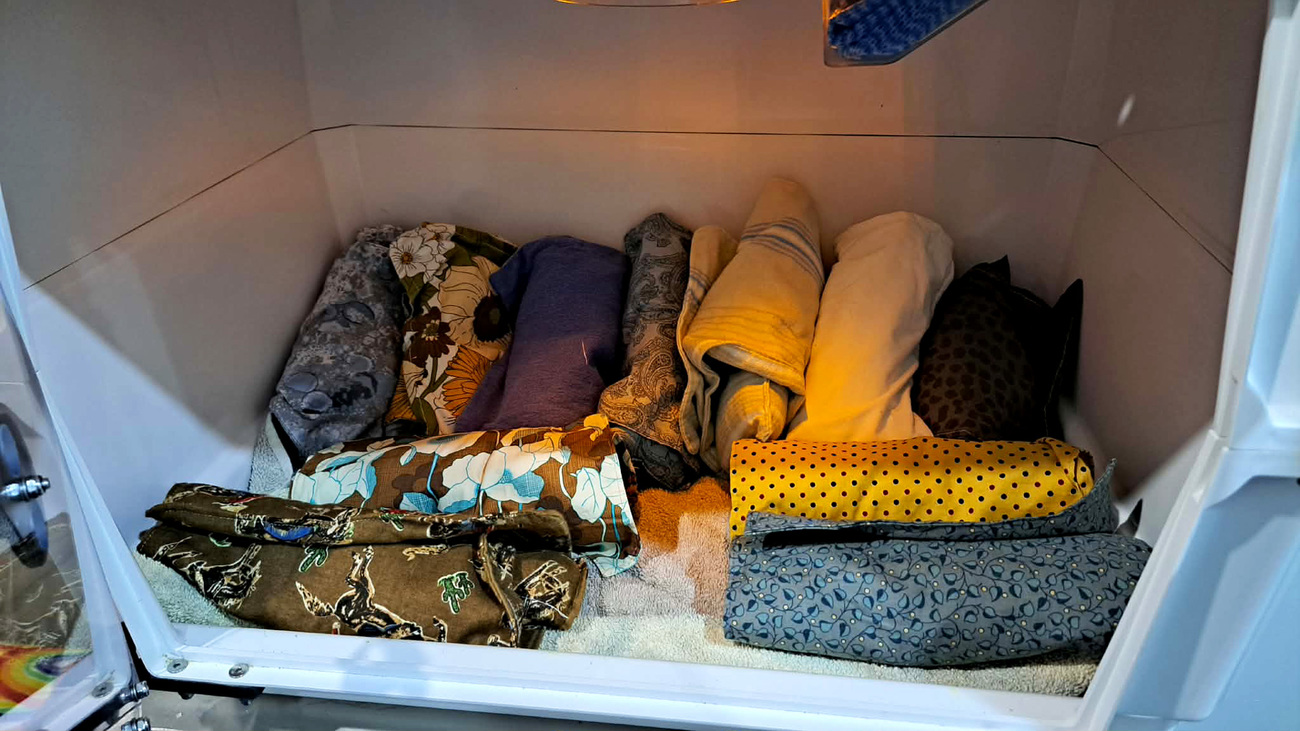
Orphaned flying fox pups undergoing rehabilitation with Wild North Veterinary Hospital, with support from IFAW. Photo: © Wild North Veterinary Hospital
IFAW acted quickly. Working closely with partners WA Wildlife, Balu Blue Foundation, and government, we helped coordinate the delivery of critical wildlife supplies by helicopter into the cut‑off community, ensuring life‑saving equipment reached the region when no other access was possible.
IFAW also sponsored additional veterinary support to assist with the rescue and care of injured wildlife during this critical period.
As Exmouth moves from response into recovery, IFAW’s work is focused on the future.
Alongside WA Wildlife, we’ll be supporting Balu Blue Foundation to rebuild and establish strengthened wildlife rehabilitation facilities, equip carers with essential resources, and deliver rescue and care training for local volunteers. The goal is to leave the region with more trained rescuers and carers, improved rehabilitation facilities and equipment, stronger working relationships with government agencies, and ultimately better frameworks to support wildlife in remote communities, both day‑to‑day and during disasters.
Meanwhile, in the Northern Territory, wildlife carers remain under significant pressure following the cyclone’s severe weather exacerbating an existing seasonal starvation event for flying foxes. More than 100 flying‑fox orphans have now been rescued and are in care, pushing local carers well beyond sustainable capacity. To support these carers, IFAW funded the deployment of expert flying‑fox specialists from Bat Conservation and Rescue Queensland. Their hands‑on training and support are helping to improve coordination of care and care outcomes, strengthen local skills, and ensure exhausted carers are not left to cope alone.
As recovery continues across multiple states, IFAW remains on alert. A Category 5 system, Cyclone Maila, is currently developing offshore and may impact parts of Australia, — including regions and our partners still recovering from Cyclone Narelle. We are closely monitoring the situation and stand ready to support wildlife and the people who care for them, wherever the need arises.
Thousands of animals impacted by catastrophic storm
March 30, 2026
Ex-tropical cyclone Narelle has continued its destructive path across Australia, re-intensifying into a Category 4 system as it struck parts of Western Australia over the weekend.
Exmouth was among the worst-hit areas, with catastrophic damage reported. Roads remain inaccessible, the local airport has been damaged, and roofs have been stripped from homes. Our thoughts are with the communities impacted.
This region is also home to the world-famous Ningaloo Reef. The coastline and heritage-listed reef have been battered by heavy surf and high winds, with dead fish, dolphins, turtle hatchlings, seabirds, and coral washing up along the shore.
IFAW partner Balu Blue Foundation has reported hundreds of dead animals across the region and limited capacity to respond due to the area’s remoteness and inaccessibility.
IFAW and our key disaster response partner WA Wildlife will deploy a team to the area as soon as roads reopen to support rescue and treatment efforts. One veterinarian and two expert wildlife rehabilitators will deploy with critical supplies to aid response operations.
Additionally, IFAW partner Wildlife Recovery Australia is preparing to deploy its mobile veterinary hospital, Matilda, to the region. The Byron Bay Wildlife Hospital veterinary team will be on board to help triage and treat animals rescued by Balu Blue Foundation, IFAW, and WA Wildlife.
We are encouraged to see Western Australian government departments stepping forward to support the wildlife response, with potential for veterinary and field personnel to be integrated into ongoing efforts in the coming days. As a core member of the state’s Committee for Animal Welfare in Emergencies, IFAW continues to work closely with government and partners on the ground to ensure wildlife needs are met in these challenging conditions.
Meanwhile, in the Northern Territory, IFAW continues to support local wildlife groups caring for flying foxes impacted by ex-tropical cyclone Narelle. More than 100 flying fox pups have been rescued by IFAW-supported teams and are now receiving specialized intensive care.
However, carers are stretched to the limit due to the high number of animals requiring treatment, and there is currently no suitable location for large-scale flying fox releases in the region. IFAW is working with our partner Bat Conservation and Rescue Queensland to explore a charter flight to safely transport bats to Queensland, where carers have capacity to continue their rehabilitation.
Sadly, thousands of dead bats continue to be found in public and private spaces, including playgrounds, schoolyards, parks, backyards, restaurants, and roadways. This is not only an animal welfare crisis, but also a serious public health concern, as flying foxes can carry zoonotic diseases.
IFAW urges the public to exercise caution. Please do not touch flying foxes and keep pets away from them. If you encounter a dead or injured flying fox, the free IFAW Wildlife Rescue App can be used to contact the nearest licensed wildlife rescue group.
Cyclone downgraded but wildlife still impacted
March 25, 2026
The powerful storm was downgraded from a category 5 cyclone to ex-tropical cyclone Narelle before it made landfall in Queensland and the Northern Territory over the weekend.
It caused severe winds and heavy rainfall leading to flooding, leaving a trail of destruction in its wake.
Flying foxes are among the most vulnerable with a large colony bearing the brunt of the ex-tropical cyclone’s force in Pine Creek, Northern Territory. Up to 100 dead flying fox pups are being found by local rescuers every day.
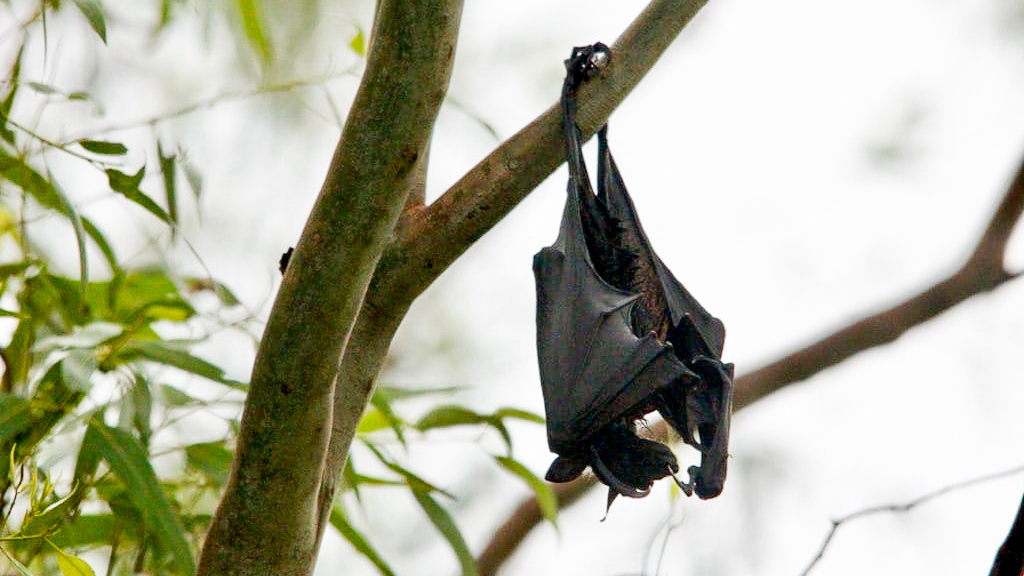
Flying fox pups impacted ex-tropical cyclone Narelle where NT Fauna Solutions, with support from IFAW, is providing emergency assistance. Photo: © NT Fauna Solutions
IFAW is providing emergency support to local group NT Fauna Solutions which is working tirelessly to rescue orphaned pups in need of immediate care and treatment. So far more than 30 pups have been rescued and sent to receive treatment from specialised carers.
With food scarce, many pups are being abandoned by their mothers and left alone in trees. Without immediate help, they risk dying and falling onto the ground. Many have already been found near a local pub, school, and restaurants.
While flying foxes can carry zoonotic diseases, simple precautions can help keep communities safe.
Please avoid touching flying foxes and ensure pets are kept away from them. If you come across a dead or injured flying fox, the free IFAW Wildlife Rescue App can be used to contact the nearest licensed wildlife rescue group.
Flying foxes are vital for our ecosystems. They help regenerate our forests and keep ecosystems healthy by pollinating plants and dispersing seeds. Communities living alongside them are urged to do so peacefully and safely.
In Queensland, our partners are responding to wildlife impacted by severe flooding. IFAW has provided emergency support to our long-term partners, the Agile Project, to build temporary housing to protect animals in care.
As ex-tropical cyclone Narelle continues to travel across the country, IFAW remains ready to provide emergency assistance where it is needed most.
Cyclone Narelle threatens wildlife in northern Australia
March 19, 2026
Record flooding across northern Australia is isolating communities, displacing wildlife, and cutting off wildlife carers from critical supplies—now compounded by category 5 Cyclone Narelle making landfall this week.
Heavy rainfall from two tropical low-pressure systems has already pushed rivers in the Northern Territory and north Queensland to record or near-record levels, closing roads and leaving some rescuers stranded with animals in their care. With the cyclone expected to bring destructive winds and further flooding, IFAW is working alongside trusted local partners to support wildlife responders and prepare for what comes next.
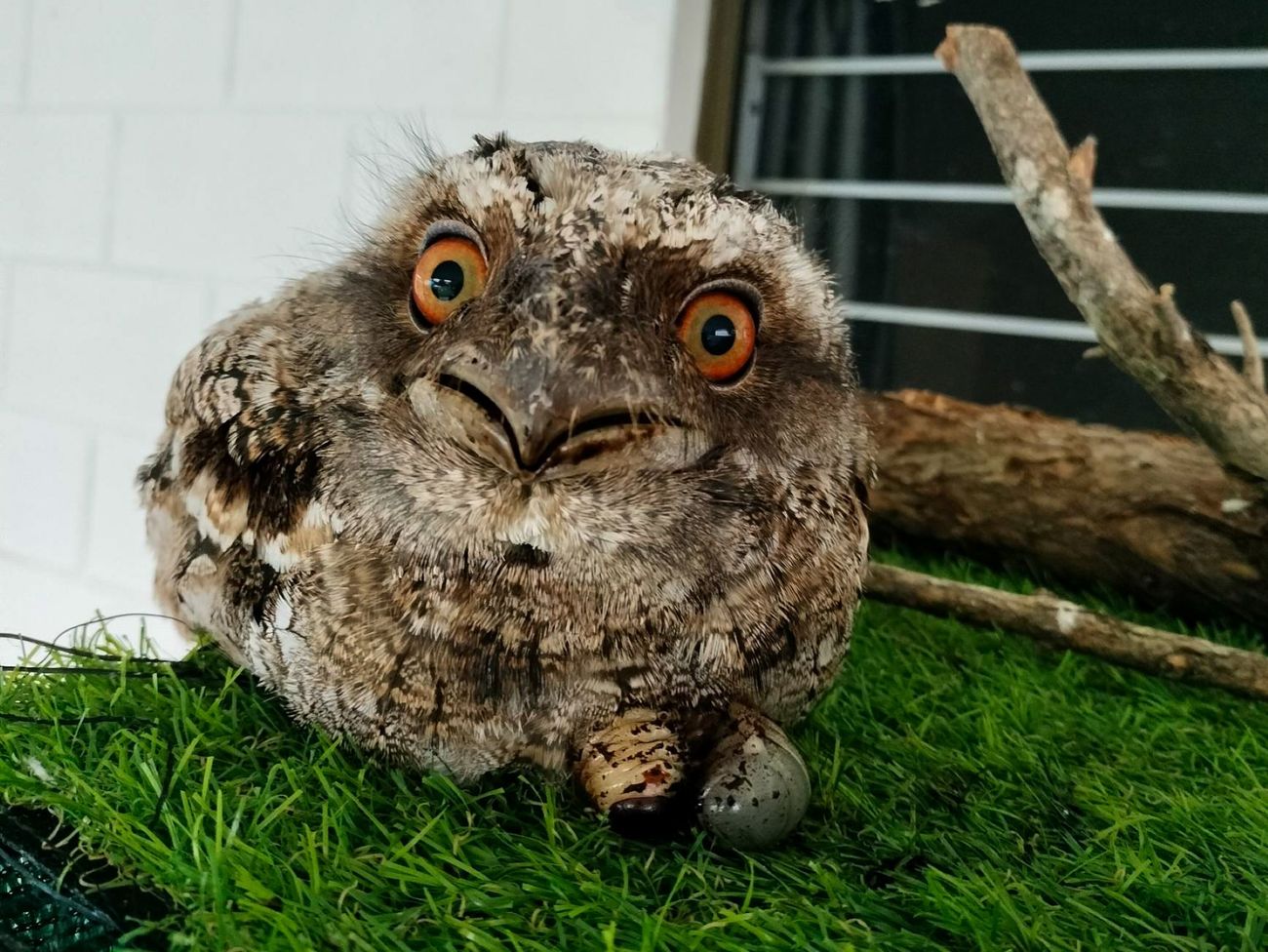
Far North Queensland Wildlife Rescue sees an influx of animals as Cyclone Narelle approaches Far North Queensland Wildlife Rescue
For wildlife, the impacts are immediate. Floodwaters force animals from their habitats, separate mothers from their young, and leave already overwhelmed rescue networks caring for an influx of displaced animals.
Over recent weeks, we’ve already been responding to the impacts of these floods. With areas still underwater, ground saturated, and communities isolated, the approaching cyclone is expected to significantly worsen conditions for both animals and the people working to protect them.
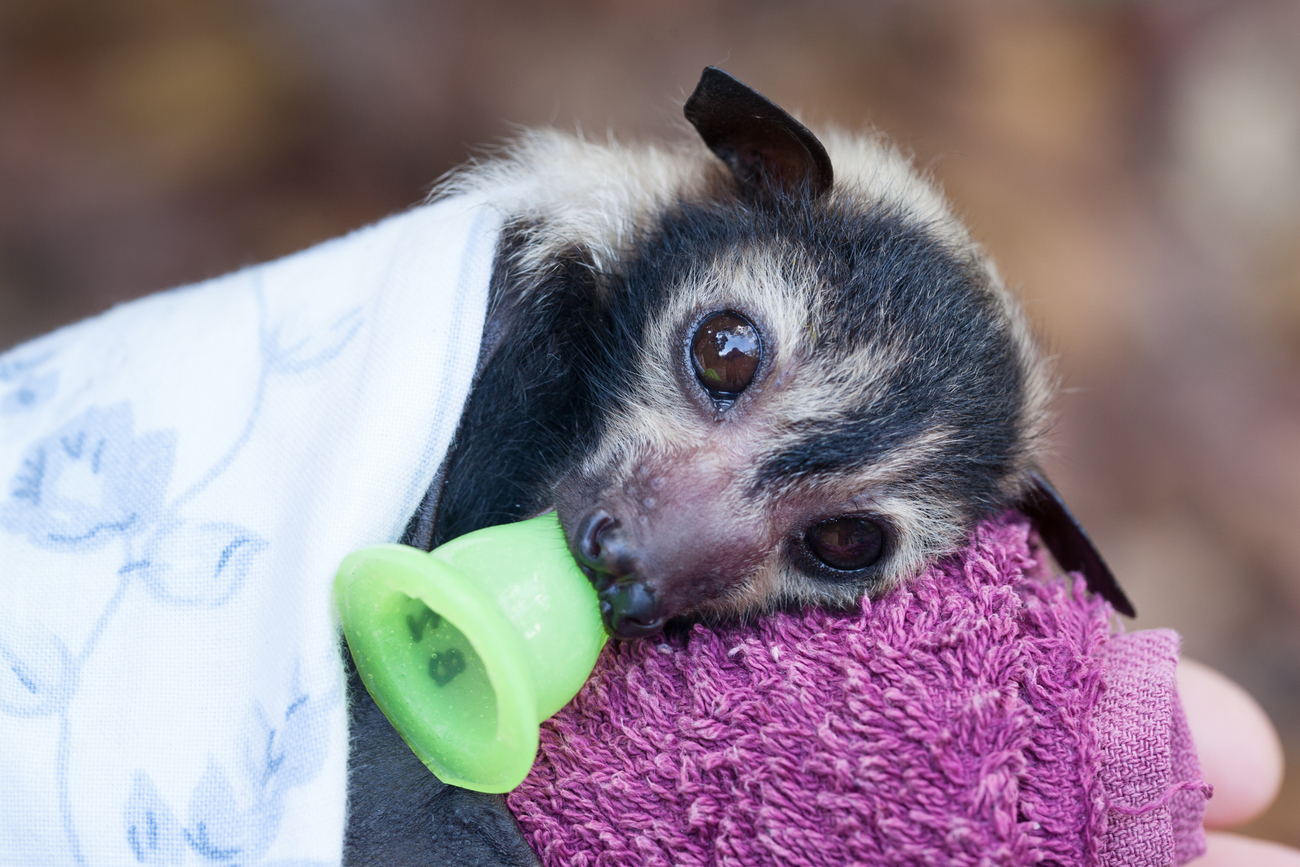
Flying Fox from a previous disaster reponse in Queensland © Dave Pinson
Standing with wildlife rescuers
When disasters strike, local wildlife carers and rescuers are often the first to respond to animals in danger. Through emergency grants, critical supplies, and long-standing partnerships, IFAW helps ensure these frontline responders have the resources they need to act quickly and care for animals safely.
As the situation continues to intensify across northern Australia, IFAW will remain in close contact with partners on the ground and provide additional support where it is needed most.
Support from around the world makes this rapid response possible, helping wildlife rescuers care for animals when they need it most and ensuring help can reach wildlife quickly when disasters strike.
In Queensland, wildlife rescue organisations are already responding to a growing number of flood-displaced animals. The Agile Project, a long-time IFAW partner, requested urgent supplies including milk formula and enclosure equipment upgrades as they care for more than 100 orphaned joeys.
Further north, Far North Queensland Wildlife Rescue is also seeing an influx of animals arriving in care. We are providing food supplies to support this surge and remains in close contact with the team to expand support as needs evolve, particularly as the cyclone approaches.
As the Cyclone Narelle approaches, preparations are intensifying across both regions. In the Northern Territory, National Parks rangers are monitoring bat colonies in high-risk areas, while a local wildlife veterinary hospital that previously partnered with IFAW is on standby to triage injured animals. Across Queensland, we remain in close contact with partners to assess needs in real time and provide additional support as conditions worsen.
Related content
every problem has a solution, every solution needs support.
The problems we face are urgent, complicated, and resistant to change. Real solutions demand creativity, hard work, and involvement from people like you.