Marine Conservation
European Parliament backs science-led recovery for the Baltic Sea
European Parliament backs science-led recovery for the Baltic Sea
May 21, 2026
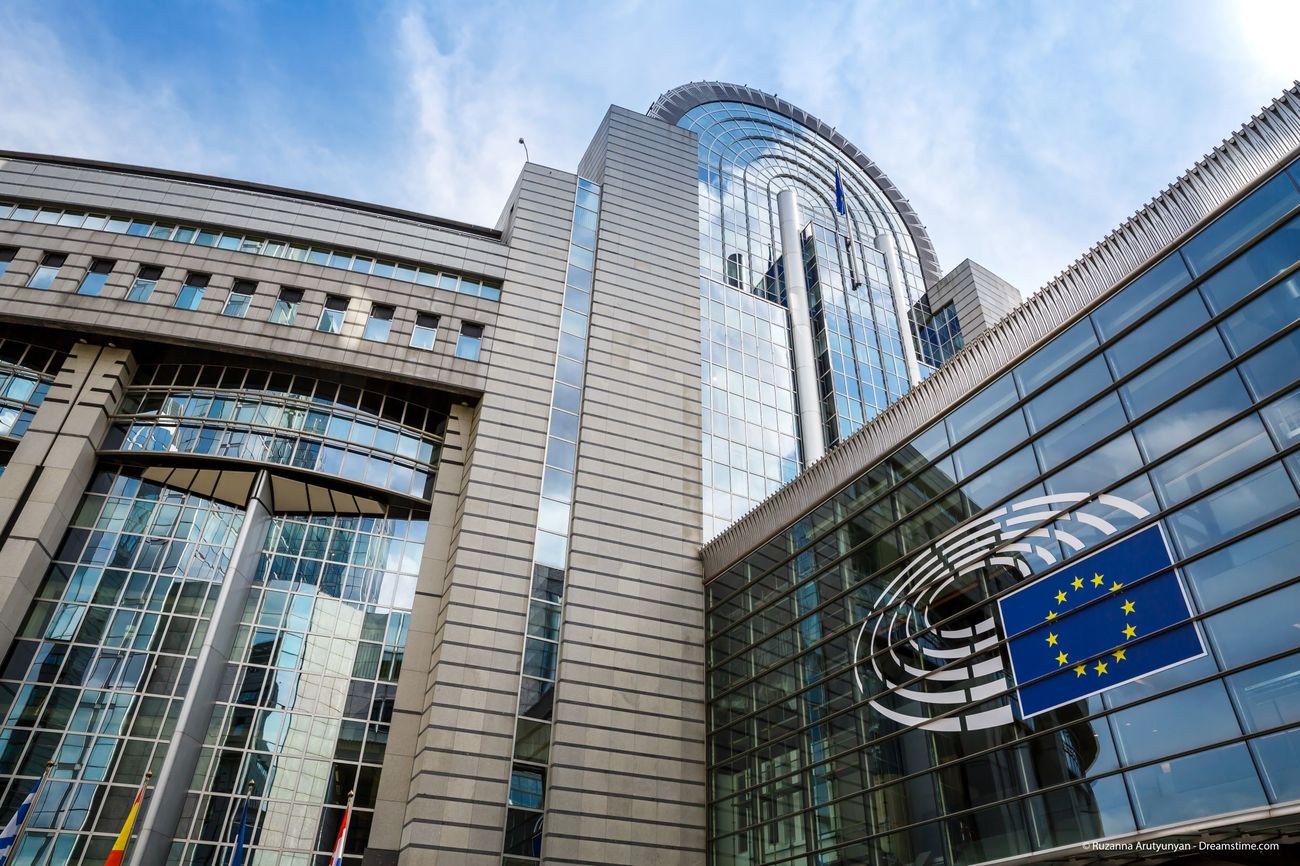
The European Parliament in Brussels. © Ruzanna Arutyunyan - Dreamstime.com
Brussels, 21 May 2026. The European Parliament today adopted a report on the Baltic Sea that calls for evidence-based fisheries management and for preventive measures, including non-lethal mitigation practices—such as deterrents or physical exclusion—to address the impact of marine predators on fish stocks.
The own-initiative report voted today sets out the Parliament's recommendations to the European Commission and EU Member States on the long-term plan for managing the Baltic Sea's fisheries and wider marine ecosystem.
“The European Parliament has today recognised that you cannot rebuild a damaged sea by simply blaming its wildlife. Any response must be guided by evidence, and not by myth or politics,” said Ilaria Di Silvestre, Director of Policy and Advocacy, Europe at the International Fund for Animal Welfare (IFAW).
Members of the European Parliament (MEPs) agreed that natural predation is part of a healthy Baltic ecosystem. They also agreed that fish populations should be rebuilt by looking at every factor, from pollution to climate change and overfishing, adopting the precautionary approach that is enshrined in the EU Treaties.
The report calls on the Commission and Member States to base any response to natural predation on science and on proper consultation with affected stakeholders. It asks for stronger monitoring, dedicated funding, and closer cooperation between countries.
Although the European Parliament acknowledged that seal populations in the Baltic Sea region had been driven to the brink of extinction, it rejected, in its final vote, the call on the Commission and Member States to maintain existing measures to protect seals.
“Seals – just like cormorants – have lived in the Baltic Sea for thousands of years, and they are not the cause of the collapse of fish stocks,” added Di Silvestre. “The European Parliament’s decision not to call for the protection measures for seals to be maintained is a missed opportunity at a time when the Commission is currently reviewing the EU regulation on seal products, a law that has long banned the sale of seal products across Europe. This is one of the EU’s strictest animal welfare laws, backed by EU citizens, and we will be watching closely to ensure that the progress made is not undone.”
Overall, IFAW sees the vote as a signal that Europe’s response to the Baltic crisis must focus on ecosystem recovery, sustainable fisheries management, and coexistence with protected species—not politically motivated calls to blame wildlife for wider environmental decline.
The organisation is now calling on the Commission and Member States to follow through on the report by investing in stronger scientific monitoring, supporting non-lethal measures to protect fishing gear, and tackling the real drivers of fish stock decline in the Baltic, including overfishing, underwater noise pollution, bycatch of sensitive species, habitat degradation, and climate change.
Related content
Every problem has a solution, every solution needs support.
The problems we face are urgent, complicated, and resistant to change. Real solutions demand creativity, hard work, and involvement from people like you.
DonateIFAW affiliates are registered as tax-exempt nonprofit organizations in several countries. Depending on where you reside, your donation may qualify for a tax deduction or benefit. See the pull-down menu at the bottom right of this page to see how IFAW operates in your country.