Disaster Response
Strengthening local Ebola response as needs evolve
Strengthening local Ebola response as needs evolve
July 23, 2026
Across parts of central Africa, communities and animals are facing the combined challenges of conflict, displacement, and a confirmed Ebola outbreak. Working alongside local partners, IFAW is helping ensure animals continue to receive care, even under extraordinarily difficult circumstances.
Last month, in collaboration with Animal Kind International, IFAW supported the purchase of a rescue vehicle for local partner Sauvons Nos Animaux (SNA). That investment made an immediate difference.
While staff were completing the vehicle's registration, local authorities approached them about a dog that had been left behind when his family fled the conflict. Although the authorities had been providing him with food, they did not have the expertise or resources to care for him properly.
The dog was found living in extremely poor conditions and in urgent need of veterinary care. With permission from the authorities, the newly acquired vehicle made its very first mission, transporting the dog safely to SNA's shelter.
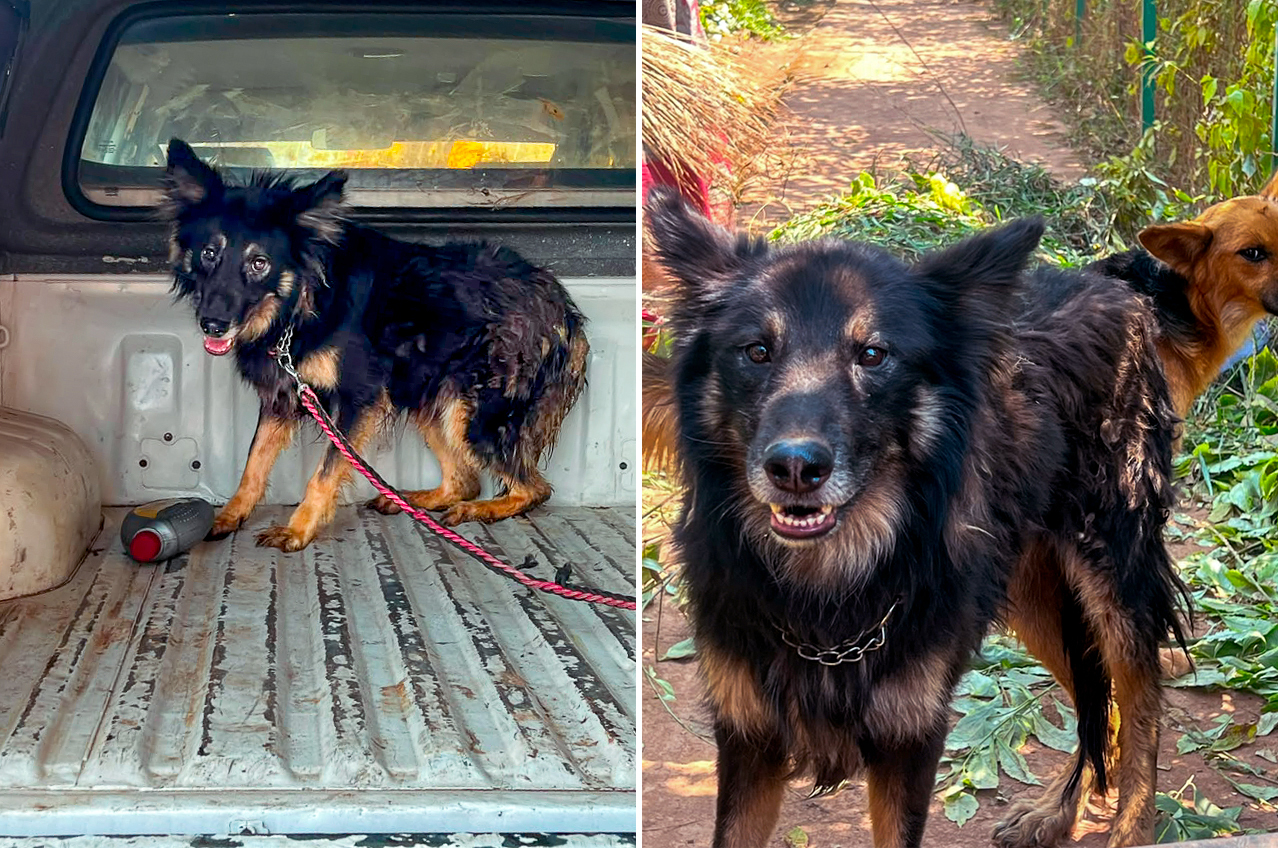
Lucky recovers at the Sauvons Nos Animaux shelter after being rescued with support from IFAW, following his abandonment during conflict in central Africa. Photo: © Sauvons Nos Animaux
Soon named Lucky, he is now recovering with the care and attention he needs while the vehicle completes the remaining administrative requirements before entering regular operations.
Lucky's rescue demonstrates how investments in local organisations can have an immediate impact. By providing trusted local partners with essential resources such as vehicles and equipment, IFAW is helping ensure they can respond quickly when unexpected emergencies arise and individual animals need urgent help.
Protecting rescued animals from the threat of Ebola
Approximately two kilometres from Lwiro Primates Rehabilitation Center, home to more than 240 rescued primates and other wildlife, a confirmed Ebola outbreak is creating an urgent threat for surrounding communities, sanctuary staff, and the animals in their care.
The outbreak comes amid ongoing insecurity, the presence of armed groups, and regular clashes in nearby areas. Together, the public health emergency and conflict are disrupting supply chains, limiting access to essential goods, and increasing the difficulty and cost of maintaining safe, uninterrupted care for rescued wildlife.
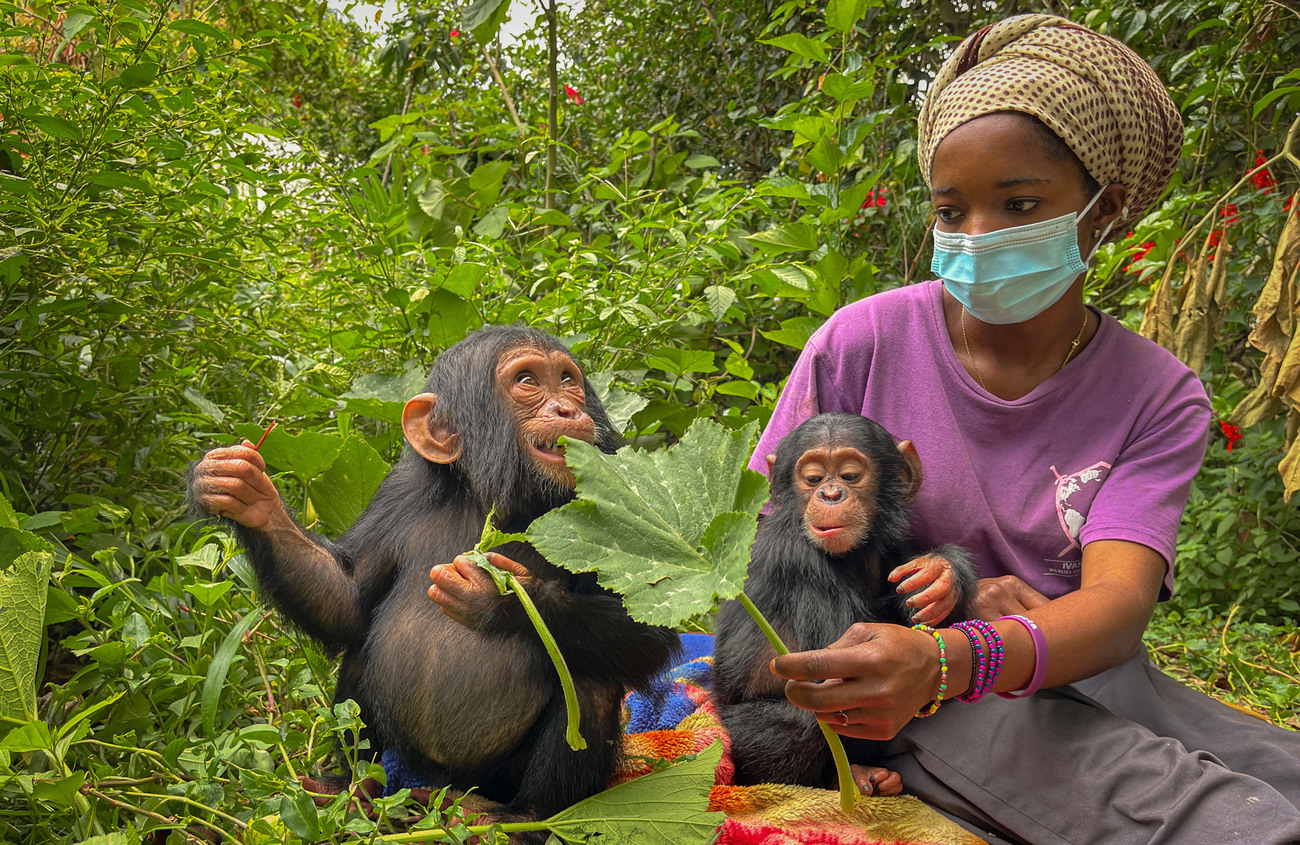
Rescued primates at Lwiro Primate Rehabilitation Centre, DRC, receive ongoing care as the sanctuary strengthens Ebola prevention measures with support from IFAW. Photo: © Lwiro Primates
To address those challenges, IFAW has provided emergency funding to strengthen Ebola prevention and transmission measures while ensuring continued care for the sanctuary's rescued wildlife.
A core team of 15 staff members is currently living in full confinement on site, providing round-the-clock care with no external contact. Biosecurity measures have been strengthened through additional handwashing stations, mandatory hygiene protocols, personal protective equipment, and enhanced disinfection procedures for materials entering the sanctuary. Veterinary staff are monitoring both animals and personnel twice daily, while all food and enrichment materials are disinfected before use.
Maintaining these precautions depends on reliable access to supplies at a time when markets, transport, banking services, and the movement of goods and funds are increasingly constrained. Shortages of protective and veterinary materials could jeopardise both Ebola prevention efforts and the sanctuary's ability to continue providing essential care.
IFAW's emergency support is helping secure personal protective equipment, disinfectants, hygiene infrastructure, health monitoring equipment, and other critical supplies. Funding is also helping Lwiro maintain emergency stocks of food, fuel, and operational supplies during confinement, ensuring continuity of care should supply routes become further disrupted.
Preventing Ebola from reaching the sanctuary protects more than individual animals. It helps safeguard the people providing their care while reducing risks at the intersection of wildlife, animal welfare, and community health. By supporting Lwiro's rigorous prevention measures and uninterrupted animal care, IFAW is helping local experts respond to emerging threats while continuing lifesaving work for animals affected by conflict, disease, and displacement.
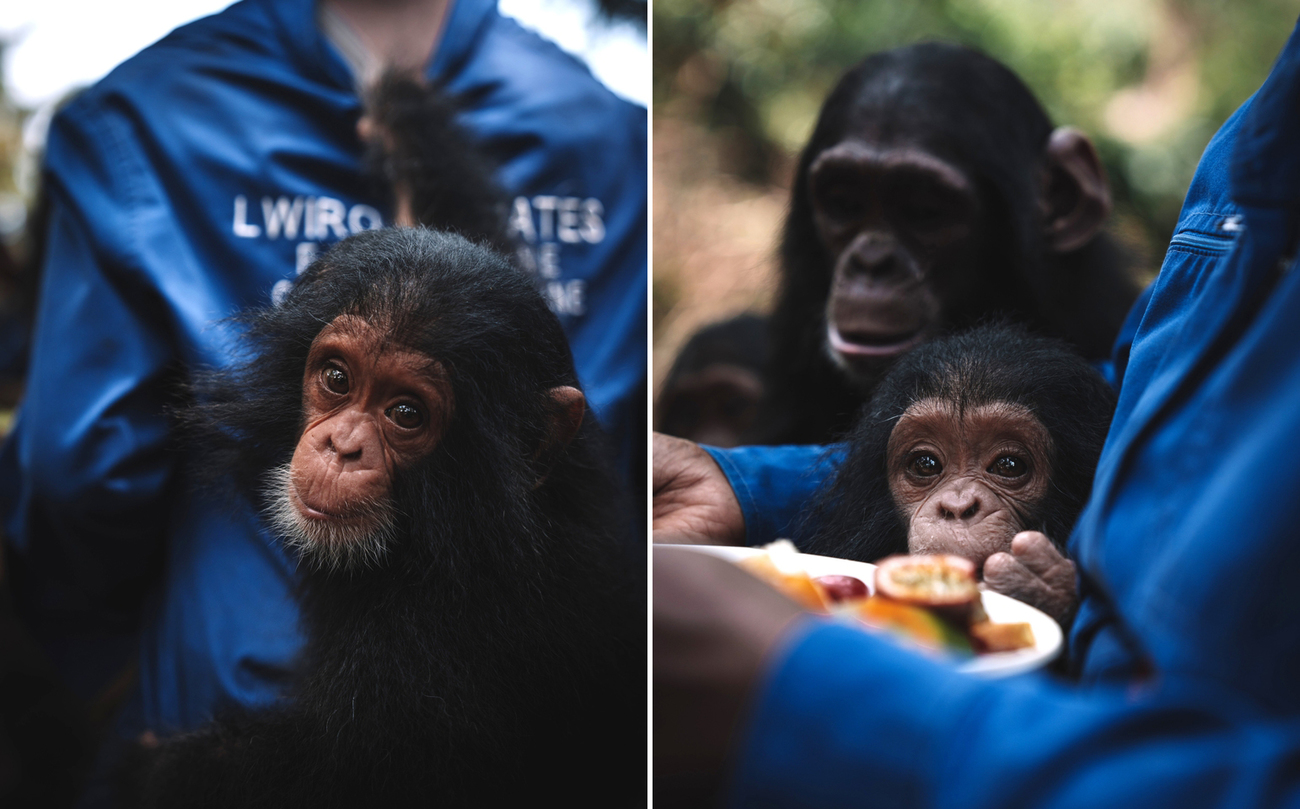
Rescued primates at Lwiro Primate Rehabilitation Centre in the Democratic Republic of the Congo receive ongoing care as the sanctuary strengthens Ebola prevention measures with support from IFAW. Photo: © Lwiro Primates
From transporting one abandoned dog to safety to protecting more than 240 rescued primates and other wildlife from the threat of Ebola, local responders are safeguarding animals under extraordinarily difficult conditions. Through emergency support for trusted local partners, IFAW is helping ensure they have the resources to respond when animals need them most, protecting wildlife, supporting the people who care for them, and strengthening resilience in the face of conflict and disease.
Frontline animal care as Ebola outbreak unfolds in Central Africa
May 22, 2026
Recent reports of Ebola cases in eastern Democratic Republic of Congo (DRC) and Uganda are raising concern across the region, particularly for communities already facing instability, displacement, and limited access to healthcare. The World Health Organization has declared the outbreak a public health emergency of international concern as health officials work to contain the spread of the Bundibugyo strain of Ebola virus, a rare strain for which there is currently no approved vaccine.
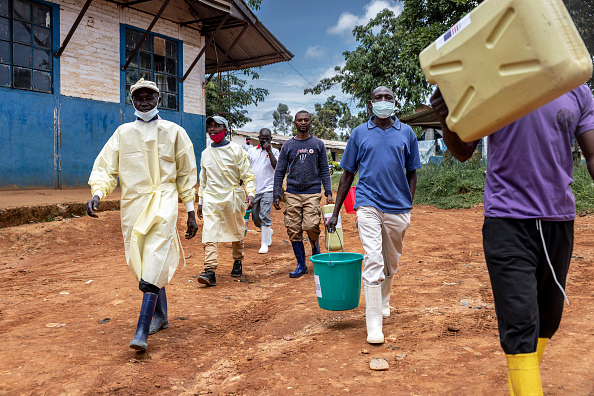
Health workers and local volunteers carry disinfectant containers and sanitation equipment outside the General Referral Hospital during the Ebola outbreak response on 21 May, 2026 in Mongbwalu, Democratic Republic of Congo. Photo: © 2026 Getty Images
IFAW is in direct contact with partners in both DRC and Uganda to assess evolving needs and help support the safety of frontline teams caring for animals in affected areas.
Supporting frontline partners in DRC and Uganda
In DRC, cases have now been reported beyond Ituri Province, including in South Kivu, where IFAW partner Sauvons Nos Animaux (SNA) operates an animal shelter and conducts rescue activities supporting vulnerable communities and their animals.
For SNA and other local animal welfare organisations, daily operations continue even during public health emergencies. Animals still require food, medical care, rescue, and shelter, while communities facing crisis often rely heavily on trusted local organisations for stability and support.
One immediate concern is transportation safety. SNA team members currently depend largely on crowded public transportation to travel to the shelter, obtain supplies, and respond to animal welfare emergencies, creating additional challenges as health officials work to contain the outbreak.
In Uganda, where authorities have already activated surveillance and response measures, IFAW is checking in with partners to help ensure they have appropriate protective equipment, health protocols, and contingency plans in place as the situation develops.
Protecting animals and communities during Ebola outbreaks
Public health emergencies can also fuel fear and misinformation around animals. Ebola is a zoonotic disease, meaning it can spread between animals and humans, with fruit bats believed to be the virus’s natural reservoir. Outbreaks are thought to begin when the virus passes from infected wildlife to humans, often through close contact with wild animals or contaminated bodily fluids.
During previous outbreaks in the region, misinformation and stigma have sometimes led to harmful responses toward wildlife, domestic animals, and even the people caring for them. IFAW is therefore also discussing potential support for community awareness efforts led by local partners, helping to share accurate information about disease prevention, animal welfare, and coexistence during outbreaks.
Monitoring evolving needs as the outbreak develops
Eastern DRC has faced repeated humanitarian and public health crises in recent years, including conflict, displacement, and previous Ebola outbreaks. Despite these challenges, local responders and community organisations continue working under extraordinarily difficult conditions to support both people and animals.
As the situation evolves, IFAW will continue coordinating closely with partners on the ground and assessing where support can be most effective in helping communities and their animals remain safe.
Related content
Every problem has a solution, every solution needs support.
The problems we face are urgent, complicated, and resistant to change. Real solutions demand creativity, hard work, and involvement from people like you.
DonateIFAW affiliates are registered as tax-exempt nonprofit organizations in several countries. Depending on where you reside, your donation may qualify for a tax deduction or benefit. See the pull-down menu at the bottom right of this page to see how IFAW operates in your country.