Disaster Response
Cyclone Fina’s impact on people and wildlife
Cyclone Fina’s impact on people and wildlife
December 9, 2025
Local action leads to lasting impact for wildlife after Cyclone Fina
December 9, 2025
In the days since Cyclone Fina hit Australia’s Northern Territory, IFAW has taken swift action to support local partners responding to the influx of injured and displaced wildlife. Our focus remains on enabling urgent care and longer-term recovery for affected animals.
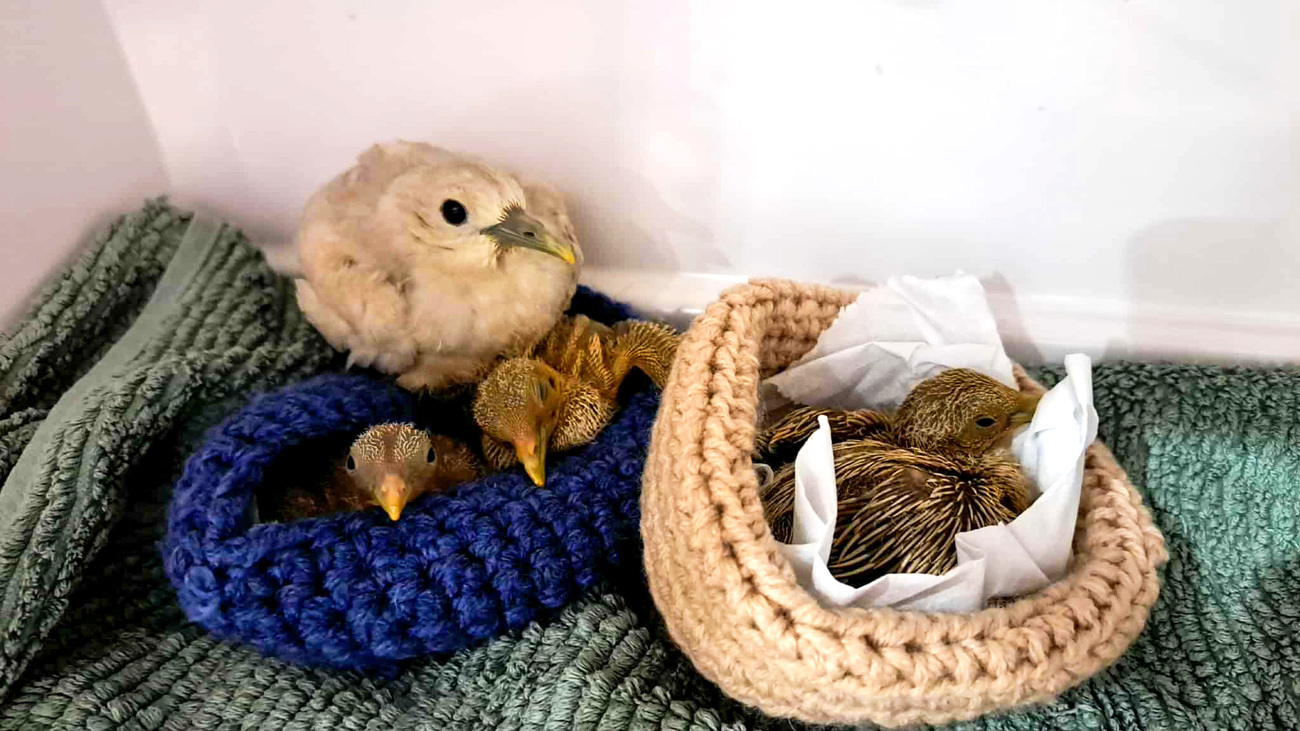
Australasian figbirds and a barbary dove at Wild North Veterinary Hospital receiving care after Cyclone Fina struck Australia’s Northern Territory. Photo: Lana Frew / © Wild North Veterinary Hospital
At Wild North Veterinary Hospital, IFAW contracted wildlife veterinary nurse Jaimee Blouse to assist with the growing case load. Since arriving on site on Friday 28 November, Jaimee has played a critical role in triage and patient management, helping to stabilise and treat animals arriving in the aftermath of the cyclone. Dr Rebecca Webster, head veterinarian at the hospital, shared that “having Jaimee has been a godsend. It has freed me up to reassess treatment plans and move forward with patient care and appropriately triage and provide analgesia and first aid to new incoming patients.”
The hospital initially received more than 80 patients in the days following the cyclone. Thanks to coordinated efforts, the current number of animals under care has decreased to 33—demonstrating both the scale of the initial need and the success of the care provided so far. IFAW also provided essential supplies such as medications and food to help meet the sudden increase in demand.
Beyond the hospital, IFAW has extended support to several wildlife rehabilitation groups also facing overwhelming caseloads. Woollybutt Wildlife Rescue, which is caring for over 30 birds and other animals, received an emergency grant to secure equipment and consumables to manage the crisis. Meanwhile, Wildcare Darwin—a longstanding IFAW partner—reached out for assistance after struggling to meet care demands for another 30+ birds in the region. With most local carers already at full capacity, IFAW is helping Wildcare Darwin secure portable aviaries and other critical equipment to support ongoing rehabilitation efforts.
Together, these actions represent hope in motion—practical, immediate relief for wildlife in crisis, and a testament to the strength of local responders when equipped with the right tools and support. As the situation continues to evolve, IFAW remains on the ground and committed to ensuring that every animal receives the care it deserves.
Cyclone Fina’s impact on people and wildlife
November 26, 2025
When Cyclone Fina tore through Australia’s Northern Territory on 22–23 November 2025 as a Category 3 cyclone, it left widespread destruction in its wake—damaging homes, downing trees, cutting power to 19,000 people, and putting immense pressure on emergency services. While damage assessments are ongoing and no human fatalities have been reported, another crisis has been unfolding quietly—one threatening the region’s wildlife and the ecosystems they call home.
Thanks to our renewed partnership with NT Fauna Solutions—reinvigorated at the July 2025 Australian Wildlife Rehab Conference—IFAW was able to act quickly. Through this network, we were introduced to several local wildlife groups and Northern Territory National Parks and Wildlife Service (NT NPWS), who are working to assess needs among Indigenous rangers and their communities impacted by the storm.
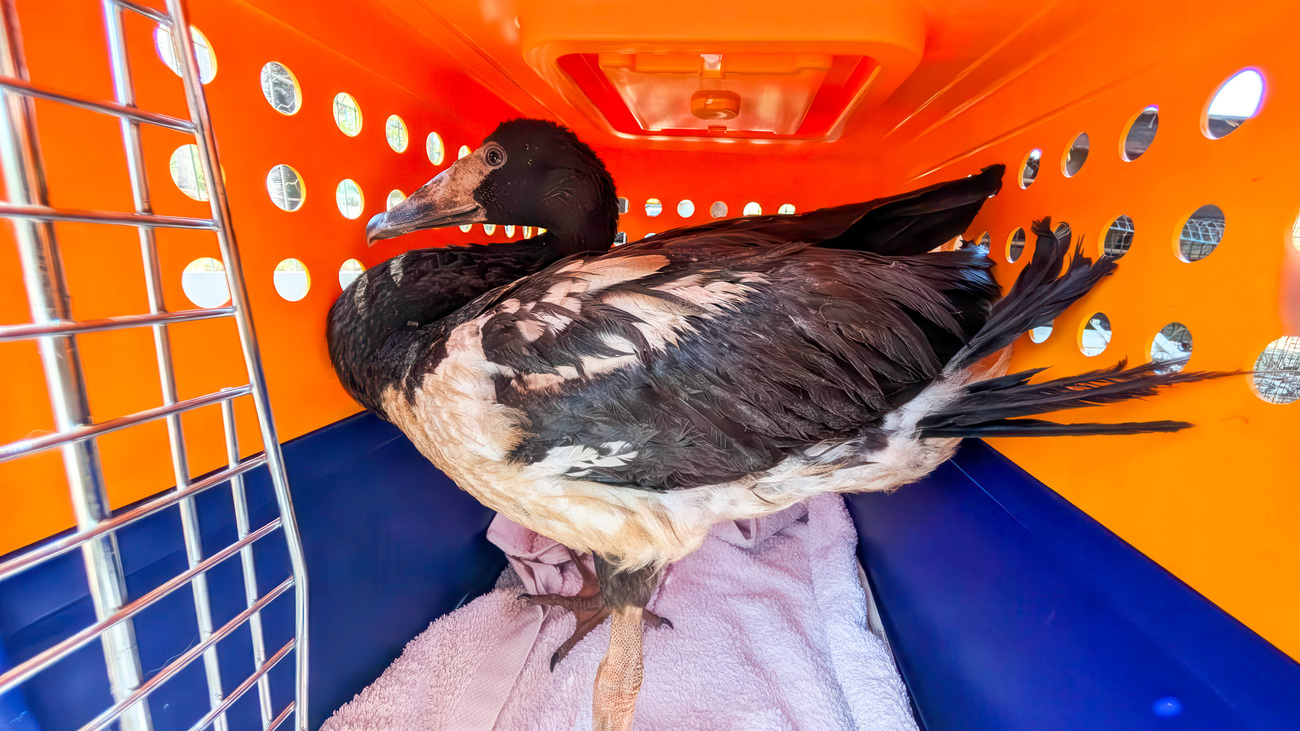
A Magpie Goose is receiving emergency care at WoollyButt Wildlife Rescue after Cyclone Fina swept through the region. Photo: © WoollyButt Wildlife Rescue
Among those groups is Woollybutt Wildlife Rescue, now caring for more than 30 animals injured or displaced by the cyclone. After a swift due diligence process, IFAW awarded an emergency grant to support urgent needs—food, consumables, and essential equipment—giving those animals a better chance to recover and return to the wild.
Expanding support for one of the region’s wildlife hospitals
In Darwin, the Wild North Veterinary Hospital, admitted more than 80 wild animals in under 48 hours. The influx continues, and their small team is already under heavy pressure.
IFAWs disaster response team is arriving on the ground Friday to help manage this case load and provide critical support for the impacted wildlife. We’ve also supported the hospital with additional supplies of vital veterinary consumables for this influx, and we’re in discussions for bolstering this support for outstanding equipment needs.
Why this response matters
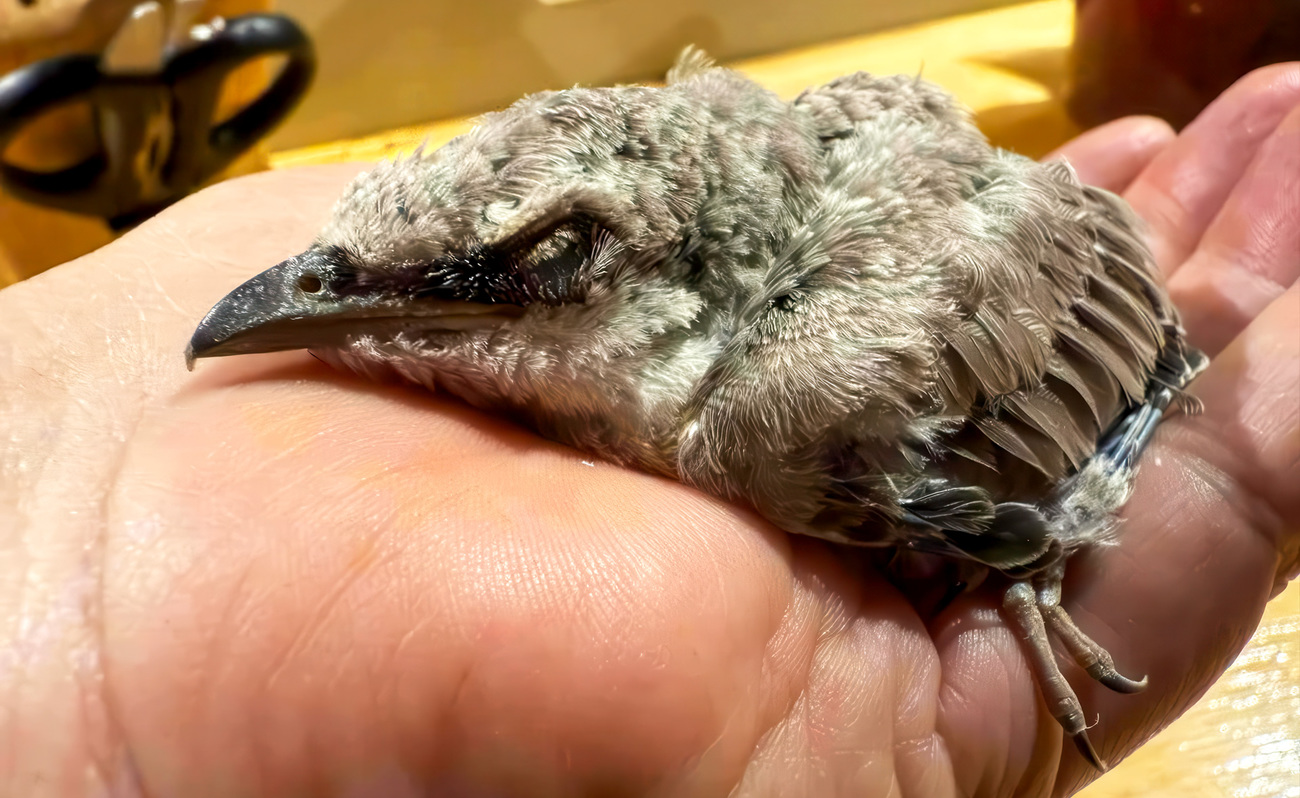
A Common Nightingale is receiving emergency care at WoollyButt Wildlife Rescue after Cyclone Fina swept through the region. Photo: © WoollyButt Wildlife Rescue
Disasters like Cyclone Fina don’t only harm people—they put wildlife, ecosystems and communities that depend on them at grave risk. By acting fast, IFAW helps ensure that wild animals affected by the storm don’t suffer alone.
Our support offers hope: rescued wildlife have a chance to recover, rehab groups have the supplies they need, and local hospital staff can get extra help during a critical influx of cases.
We believe in solutions rooted in partnership—with local wildlife rescuers, Indigenous ranger services, veterinary networks, parks and wildlife authorities, and communities. This collaborative approach helps deliver tangible, timely aid where it is most needed.
What comes next
Over the coming days, IFAW will be on the ground supporting the wildlife. We’ll continue coordinating with Northern Territory NPWS, wildlife rescue groups, and veterinary teams to closely monitor additional needs, from food and medical supplies to personnel.
Your support can make a difference. Together, we can help turn disaster into hope—for wildlife, people, and the ecosystems they share.
Related content
Every problem has a solution, every solution needs support.
The problems we face are urgent, complicated, and resistant to change. Real solutions demand creativity, hard work, and involvement from people like you.
DonateIFAW affiliates are registered as tax-exempt nonprofit organizations in several countries. Depending on where you reside, your donation may qualify for a tax deduction or benefit. See the pull-down menu at the bottom right of this page to see how IFAW operates in your country.