Azzedine Downes
I have never been satisfied with just fighting the good fight. We need to actually make a difference.
Who gets to be a conservationist?
I was asked to reflect on this year’s IFAW Animal Action Awards, which took place recently at BAFTA in London, and to ponder the evening from the perspective of someone attending for the first time—a rather challenging task considering the awards have taken place every year for 26 years, but interestingly enough, it wasn’t as hard as I expected because I truly feel as though I am attending for the first time each and every year.
I’ll be the first to admit that the format of the Animal Action Awards has not changed dramatically over the years, and we are thinking about how we might shake things up a little in the future. But I have also come to realise that the format is not what gives this event its identity—the people and their stories do.
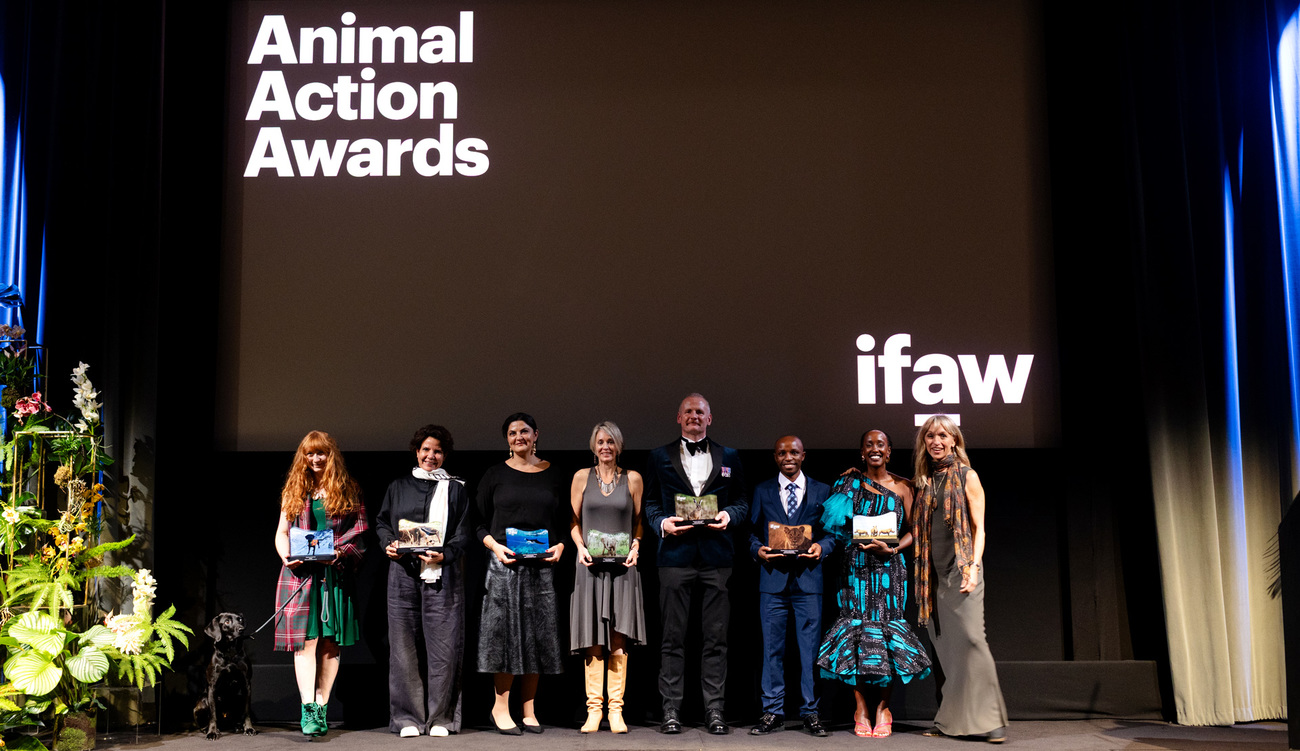
Every year, new people walk through those doors with stories I have never heard before. They have encountered different problems, come from different backgrounds, and found completely different ways to act for animals, or, better said, to have an impact on animals and the natural world. And without fail, they give the event a new face.
For over a quarter century, IFAW’s Animal Action Awards have celebrated people and animals making extraordinary contributions to animal welfare and wildlife conservation. But what makes the evening particularly meaningful to me is the opportunity to meet the selfless individuals behind that work and hear directly from them what brought them there in the first place.
And every year I am reminded of the same thing: there is no single path to making a difference for animals and the natural world.
We tend to categorise people, and I understand how it helps us make sense of the world around us. We are scientists, conservationists, veterinarians, researchers, community leaders, law enforcement officers—the list goes on.
But the longer I work in conservation, the less interested I become in those boundaries, because conservation does not belong to one profession, one discipline or even one type of person. One need only look at this year’s Animal Action Award winners to understand what I mean.
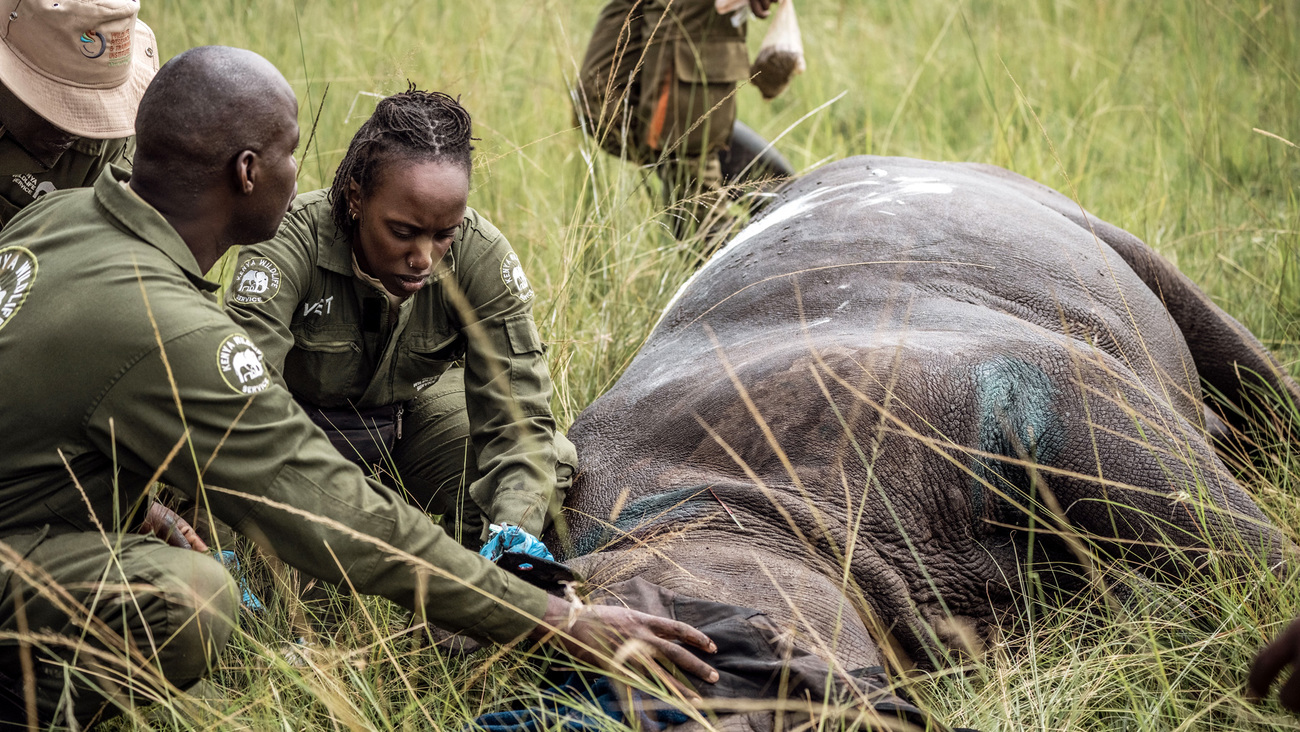
Rachael Murton’s work with Game Rangers International has given orphaned elephants in Zambia the opportunity to return to the wild. Dr Mukami Ruoro-Oundo’s veterinary work is helping injured and sick wildlife while advancing our ability to treat vulnerable species. Liomba-Junior Mathe is working with communities in Zimbabwe to protect livelihoods while reducing conflict with lions.
Dr. Flávia Miranda has expanded our scientific understanding of anteaters while championing the conservation of sloths and armadillos. Dr Rima Jabado has spent years advancing the protection of sharks and rays through science and international cooperation. Chief Inspector Kevin Lacks-Kelly has dedicated more than two decades to tackling wildlife crime and its connections to organised crime.
And then there is Sgiath, a labrador whose remarkable sense of smell is helping researchers detect an invasive marine organism alongside marine ecologist Dr Texa Sim.
What connects them is that they saw something that needed to be done and they acted.
What we know is that some people plan from a very young age to dedicate their lives to animals or conservation, and others stumble into this work almost by accident, but there are also people all over the world who are protecting wildlife, defending habitats or helping communities coexist with animals without ever thinking to describe themselves as conservationists.
I find this incredibly inspirational because perhaps too much time has been spent asking people to join the conservation movement, when we should also be asking conservation to make room for them.
The challenges facing animals and our natural world are simply too great to believe that conservation can belong only to those of us who have made a career of it.
We certainly need scientists, veterinarians and rangers, but we also need lawyers, teachers, policymakers and communicators. We need communities and people who understand technology, finance and human behaviour. And, as Sgiath rather wonderfully reminds us, sometimes we need the extraordinary abilities of animals themselves. In essence, we need engagement from all walks of life.
You do not have to change who you are to have a place in conservation. Sometimes it is about asking how who you already are—and what you already know how to do—can contribute.
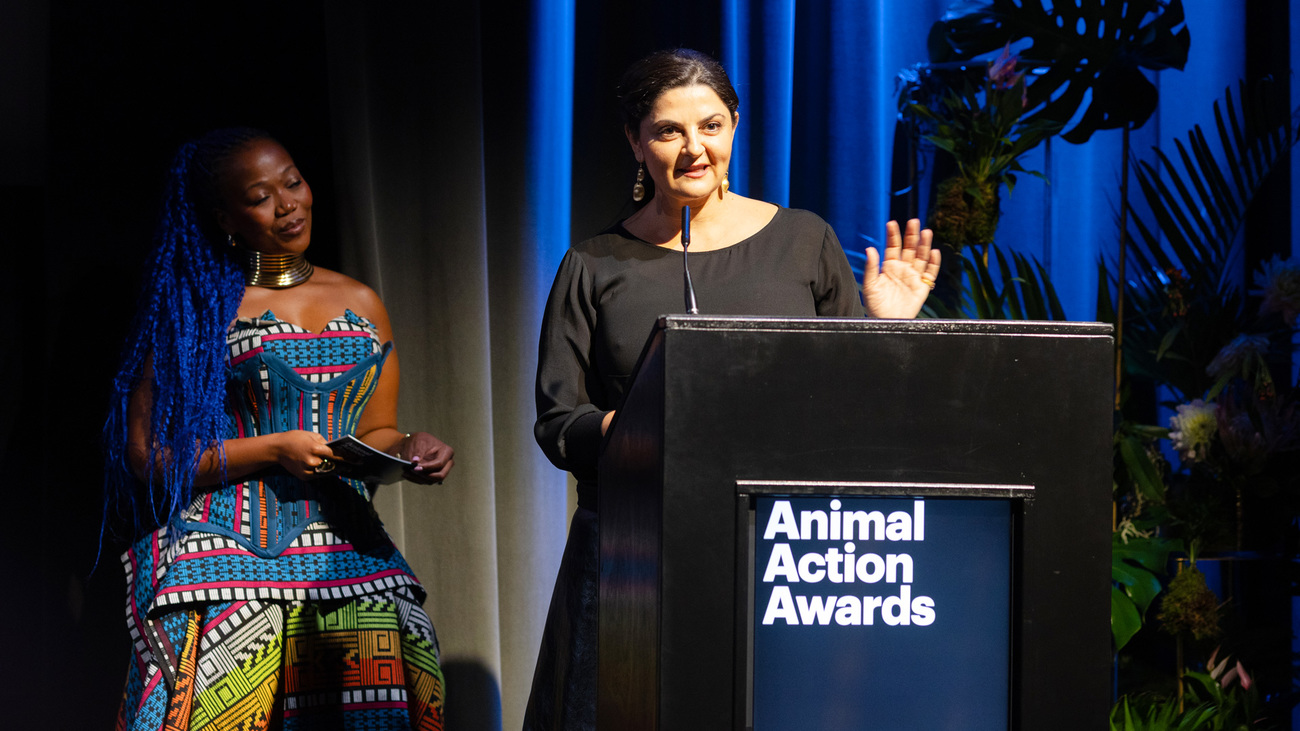
There is another reason these awards remain important to me after 26 years. It is because much of the work we celebrate happens quietly. It happens far away from stages and cameras. It happens through difficult decisions, long days, setbacks, persistence and people continuing to show up when very few others are watching. This deserves to be noticed, to be seen. Recognition is not why any of our winners do what they do. That is clear after so many years of meeting various winners from across the globe. But it is also true that what we choose to celebrate says something about what we value.
And increasingly, I believe that creating a space for that recognition should be a shared effort too. For 26 years, IFAW has given these stories a platform, and as we think about the next chapter of the event, I would like to see more partners standing alongside us because they, too, believe these people and the work they represent deserve to be seen.
We live at a time when the challenges facing wildlife can seem overwhelming. Climate change, habitat loss, wildlife crime, and species disappearing before many people have even had the chance to know they even existed. It is very easy to look at the scale of all of this and wonder: what difference can one person possibly make? But the response is that each person can make a literal world of difference.
One person can rescue an animal, change how a community lives alongside wildlife, advance our understanding of a species or expose wildlife crime. One person can develop an idea that eventually changes how an entire problem is approached.
And perhaps most importantly, one person’s actions can inspire another person to act, and that is how progress is achieved.
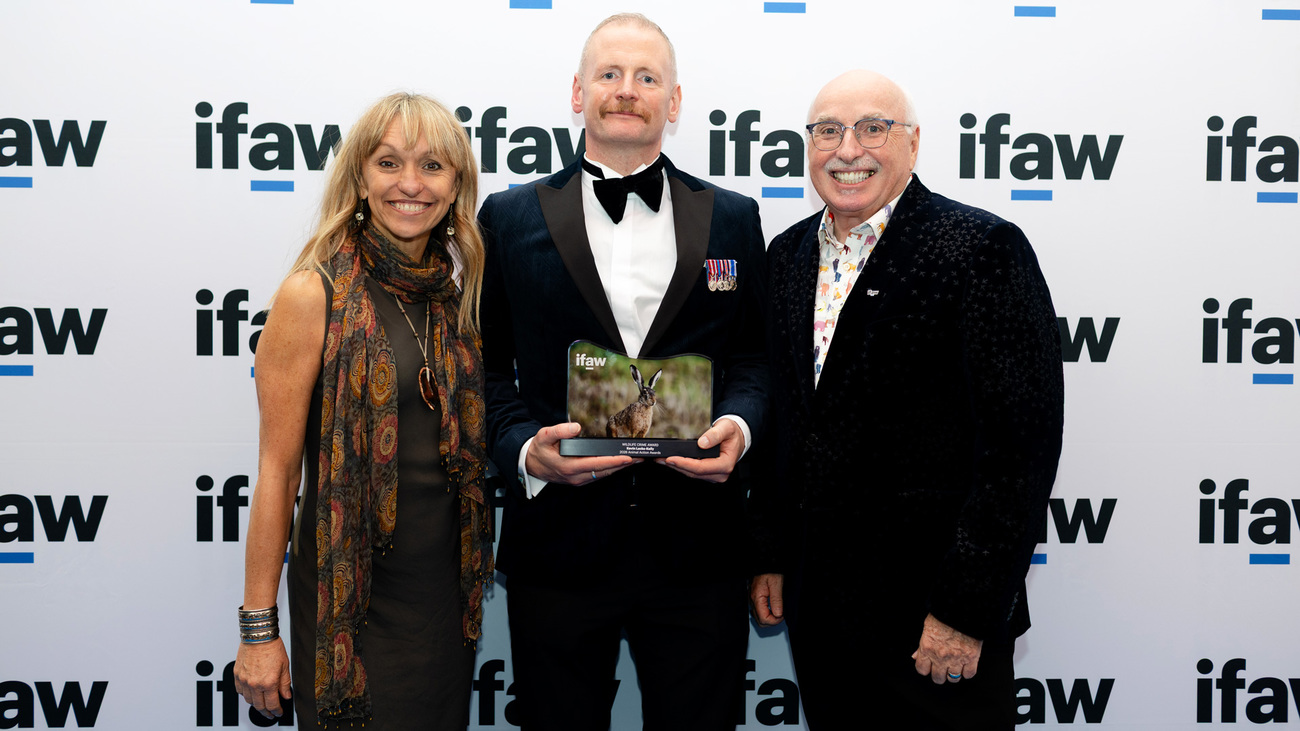
After attending so many Animal Action Awards, you might expect the evening to eventually become familiar, and parts of it are. I know the stage, many of the people in the room, and I know roughly how the evening will unfold. But then somebody steps onto that stage and tells us about a problem I may have known little about, a solution I had never considered, or a journey into conservation that looks nothing like my own, and suddenly I am learning again. That is what keeps this event new for me.
It is also why I remain proud that, after 26 years, there is still a stage where these people and their actions are applauded. Not because awards change the world but because stories can change the person listening to them.
Perhaps someone listening will recognise a little of themselves in one of this year’s winners. Perhaps they will realise that they already have something to contribute. Or perhaps they will simply walk away believing that individual action still matters.
Any one of those would be enough for me. Because conservation has never belonged to one kind of person. It belongs to anyone willing to act.
Azzedine Downes
I have never been satisfied with just fighting the good fight. We need to actually make a difference.
Every problem has a solution, every solution needs support.
The problems we face are urgent, complicated, and resistant to change. Real solutions demand creativity, hard work, and involvement from people like you.
Unfortunately, the browser you use is outdated and does not allow you to display the site correctly. Please install any of the modern browsers, for example:
Google Chrome Firefox Safari