Blog
Weakened US protections put marine wildlife at greater risk
Read moreHow Maasai women are shaping a more resilient future for Amboseli
In the heart of Kenya’s Amboseli landscape, a new initiative is taking shape, one rooted in cultural heritage, economic resilience, and wildlife conservation.
In May, IFAW and partners officially broke ground on a new Beadwork Development Hub in Meshenani, Amboseli. Designed to support Maasai women artisans, the hub represents a new model for conservation-led development, one that intentionally connects sustainable livelihoods with healthier landscapes for people and wildlife.
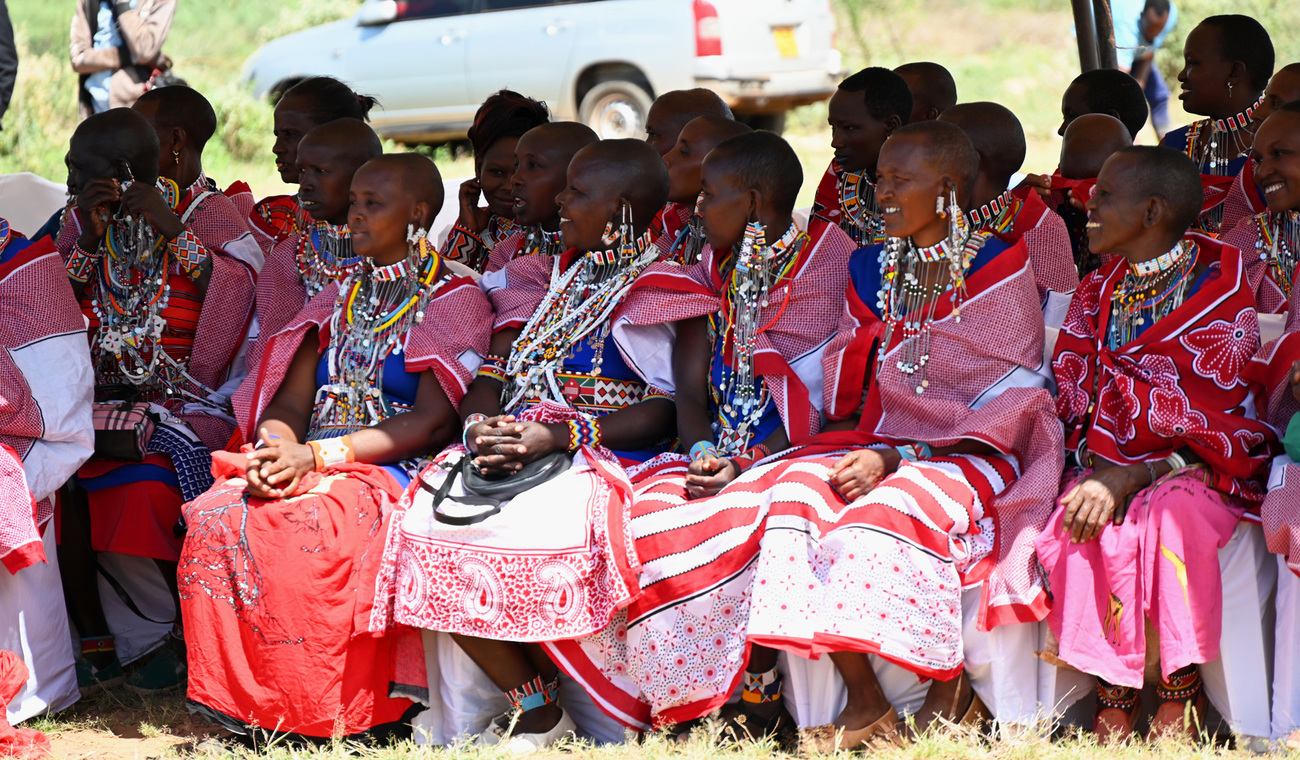
For generations, beadwork has been an important expression of Maasai identity and culture. Yet despite the artistry and skill behind the work, bead-making has often remained informal and fragmented, limiting women’s ability to generate stable income from their craft.
The new hub aims to change that. Rather than treating beadwork as a casual trade, the initiative is designed to professionalise the entire bead value chain. Women participating in the project will have access to structured value-addition training, quality control support, and digital market opportunities through a planned Bead Market Web that will help connect local artisans to broader markets.
The goal is simple, but transformative: ensuring traditional craftsmanship becomes a sustainable source of financial independence for women and their families.
Across Amboseli, climate change is placing growing pressure on communities, livestock, and the landscape itself. Longer droughts and increasingly unpredictable weather patterns are creating economic uncertainty for many households that rely heavily on pastoralism.
By creating an additional and more stable source of income, the beadwork hub helps strengthen household resilience during difficult seasons. Income generated through beadwork can help families pay for essentials such as education and healthcare, while reducing vulnerability to climate-related shocks.
For many women in the community, the project also represents recognition of their leadership and contributions.
The Olgulului-Ololarashi Land Trust generously provided the land for the working shades where the hub will operate, reinforcing strong community ownership and support for the initiative. At the groundbreaking ceremony, the atmosphere reflected excitement, pride, and optimism about what the future could hold.
Women gathered at the event spoke about feeling valued, empowered, and eager to embrace their roles not only as entrepreneurs, but also as champions for conservation.
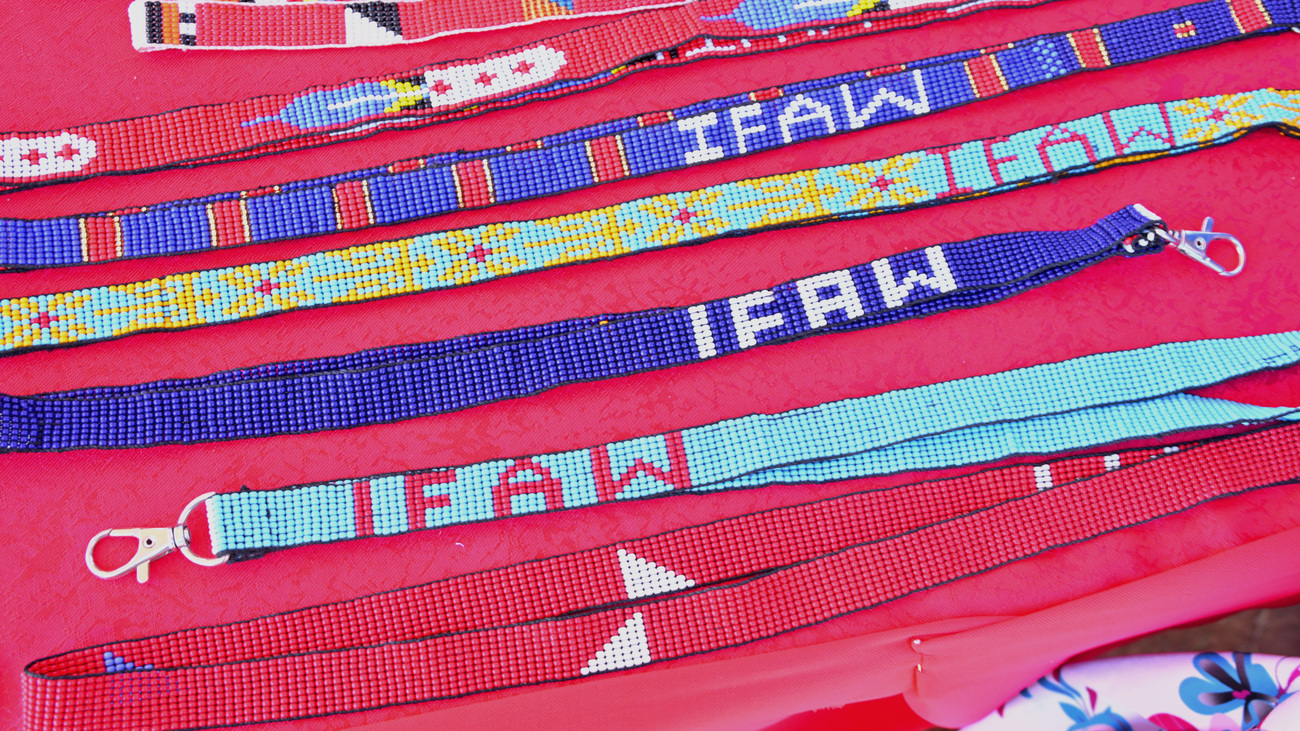
At IFAW, we know conservation works best when communities have sustainable opportunities to thrive alongside wildlife. The connection between economic empowerment and conservation outcomes is especially clear in landscapes like Amboseli, where people, livestock, and wildlife share the same ecosystem.
When families have reliable alternative income streams, pressure on natural resources can decrease. Reduced dependence on extractive land use and unsustainable grazing practices helps support healthier habitats for elephants and other wildlife that move across the Amboseli ecosystem.
In this way, investing in women’s economic resilience is also an investment in long-term landscape conservation. The Beadwork Development Hub reflects a growing recognition that protecting wildlife and supporting communities are not separate goals—they are deeply interconnected.
Over the coming months, work will continue to complete the fabrication of the working shades, fencing, and site preparation. Training modules focused on value addition and enterprise development will also begin rolling out, alongside the development of the digital market infrastructure.
As the project grows, the vision remains firmly centred on the women leading it: preserving cultural heritage, creating economic opportunity, and helping build a more resilient future for Amboseli’s people and wildlife.
Our work can’t get done without you. Please give what you can to help animals thrive.
Unfortunately, the browser you use is outdated and does not allow you to display the site correctly. Please install any of the modern browsers, for example:
Google Chrome Firefox Safari