Wildlife Crime
Why wildlife protection needs more than international agreements
Why wildlife protection needs more than international agreements
November 19, 2026
As governments met to review international wildlife trade protections, IFAW called for stronger enforcement, greater accountability, and practical support to protect animals.
International agreements play an essential role in protecting wildlife, particularly when threats such as illegal trade cross national borders. But establishing protections is only part of the challenge. Governments must also have the laws, resources, expertise, and political commitment to put those protections into practice.

Barbary macaque in its distinctive Cedar Atlas habitat. Photo: George Turner / © IFAW
This was a central issue at the 81st meeting of the Standing Committee (SC81) of the Convention on International Trade in Endangered Species of Wild Fauna and Flora (CITES), held in Geneva, Switzerland, from 2 to 6 November 2026. The committee examined countries' progress in implementing international wildlife trade regulations, including efforts to combat ivory trafficking, strengthen controls on shark products, address wildlife crime online, and improve the care of confiscated animals.
For IFAW, as official observer organisation attending SC81, these discussions highlight the importance of ensuring that international commitments lead to measurable improvements for wildlife. Effective implementation requires sustained cooperation among governments, enforcement agencies, conservation organisations, and the communities who live alongside wildlife. It also requires a willingness to address shortcomings when existing protections are not delivering the intended results.
At SC81, governments agreed to undertake further work examining trade in threatened endemic species, meaning species found naturally in only one country or geographical area. Because these animals have such limited natural ranges, unsustainable or illegal international trade can pose a particularly serious threat to their survival. Governments also agreed to strengthen monitoring of illegal ivory trade and continue discussions on the long-term financial sustainability of CITES.
These developments were accompanied by concerns about the Convention's reliance on external funding, limited capacity to support implementation, and gaps in the information countries provide about their progress. Together, the discussions highlighted the importance of ensuring that CITES has the resources, reliable information, and sustained commitment from governments needed to translate international wildlife trade protections into effective action.
Progress for elephants, but important challenges remain
There are encouraging signs in the fight against elephant poaching. Information presented for consideration at SC81 indicates that the proportion of illegally killed elephants has continued to decline across Africa. However, these continental trends conceal significant regional differences, with poaching remaining a particular concern in Central Africa. Recent large-scale ivory seizures in Asian markets also demonstrate why continued vigilance is essential.
At SC81, Parties reviewed progress under National Ivory Action Plans, which are designed to help countries address their roles in illegal ivory trafficking. While these plans remain an important mechanism for strengthening national responses, IFAW has raised concerns about whether reported progress adequately reflects ongoing trafficking threats. The discussions also addressed the need for more transparent reporting and effective management of ivory stockpiles, both essential to understanding the scale of illegal trade and identifying gaps in enforcement. Continued scrutiny and stronger follow-through will be important, particularly where countries have made limited progress in addressing longstanding concerns.
Protecting elephants requires effective law enforcement, efforts to reduce demand for ivory, and conservation initiatives that support both wildlife and the people sharing their landscapes. Together, these efforts can help safeguard individual elephants, sustain healthy populations, and reduce conflict between people and wildlife. Through our Room to Roam initiative, IFAW works with governments and local communities to reconnect elephant habitats, reduce human–elephant conflict, and support the long-term conservation of elephant populations across Africa.
Closing enforcement gaps in the shark fin trade
At SC81, the Standing Committee considered ongoing compliance matters involving Ecuador and Peru, including concerns about the legality and sustainability of trade in certain shark species.
IFAW's recommendations emphasised the need for greater transparency around export quotas, stronger verification of the legal origins of shark products, and more consistent reporting on enforcement measures.
We also highlighted cases in Peru that raise serious concerns about whether penalties for illegal shark fin trafficking provide an adequate deterrent.
One case involved an attempted export of 41.6 kilograms of hammerhead shark fins without the required CITES permit. According to the information presented, the resulting penalty was equivalent to approximately US$100. The case illustrates how inadequate sanctions risk becoming an acceptable cost of doing business for those involved in illegal wildlife trade.
At SC81, governments agreed to keep the compliance matters involving Ecuador and Peru under review, maintaining existing trade restrictions on certain shark species from Ecuador and requesting further progress reports from both countries ahead of the next meeting. These reports will address efforts to strengthen national enforcement systems, including controls relating to seized and confiscated specimens. Effective trade controls depend on authorities being able to verify documentation, investigate suspected offences, and impose meaningful penalties. Without these measures, international protections risk being undermined by weaknesses in national enforcement.
Tackling wildlife trafficking in an increasingly digital world
Online marketplaces and social media platforms have created new opportunities for wildlife traffickers to advertise illegal products and reach buyers across international borders. Investigating these activities presents particular challenges for enforcement authorities, especially where national laws, technical expertise, and resources have not kept pace with the growth of online trade.
At SC81, governments considered regional studies examining wildlife crime linked to the internet, which highlighted the prominent role of social media platforms—including Facebook, responsible for about 85% of all ads—and gaps in countries' ability to investigate and prosecute online offences. Parties also agreed to consider updates to the CITES resolution addressing internet-related wildlife crime, with a focus on legislation, electronic evidence, investigative capabilities, and cooperation with online platforms.
IFAW is helping address these challenges through AI Guardian, developed in partnership with technology company Baidu. Since its internal deployment in 2020, the tool has screened more than 500,000 images and contributed to the removal of over 18,000 illegal wildlife trade posts. In August 2026, IFAW launched a dedicated portal to make the technology more accessible to conservation professionals and law enforcement investigators.
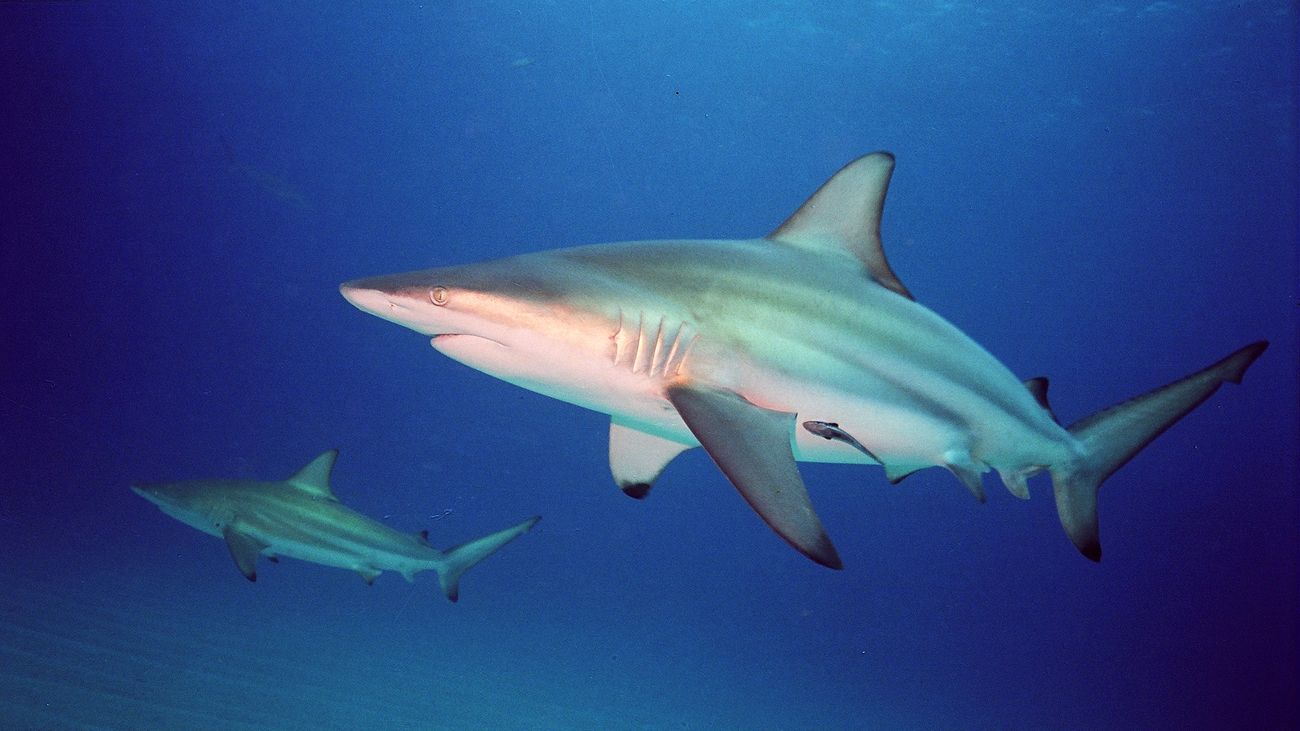
A CITES protected shark underwater. Photo: © Tom Burns
Ensuring protection continues after animals are confiscated
Enforcement is also about what happens to animals after they are removed from illegal trade. Confiscating a live animal can be a critical intervention, but authorities must then determine how to provide appropriate veterinary care, housing, rehabilitation, and longer-term placement. These decisions can be particularly challenging when specialist facilities or trained personnel are unavailable.
At SC81, the Standing Committee considered the practical difficulties countries face in managing confiscated live animals, including the need for stronger networks of qualified care providers and clearer guidance on appropriate placement. The CITES Secretariat has been developing a resource toolkit to help countries meet these responsibilities.
IFAW welcomed this initiative and encouraged the use of established animal welfare guidance and lessons from its Confiscated Animals – Rescue and Enforcement (CARE) project. Drawing on the experience of organisations directly involved in wildlife rescue and rehabilitation can help ensure that international guidance is practical and responsive to the needs of individual animals.
International leadership requires participation and commitment
The effectiveness of CITES also depends on countries remaining actively engaged in the international processes that govern wildlife trade. This includes contributing expertise, supporting collective decisions, meeting financial commitments, and helping strengthen the Convention's capacity to respond to emerging challenges.
The United States has generally offered deep technical expertise and has historically been a leader in conversations around ivory trade, sharks and rays, and confiscated wildlife. At SC81, as well as the recent Animals and Plants Committee meetings, however, many of the US technical experts were absent from the delegation. While the US does continue to provide support as a dues-paying member of the Convention, the current Administration’s commitment to upholding long-standing US positions and providing scientific and technical expertise remains unclear.
The question of participation is particularly relevant at a time when CITES faces significant financial and operational pressures. The Convention's ability to support countries, monitor compliance, and address illegal trade depends on adequate resources and continued cooperation among its Parties.
For an agreement built on international cooperation, the continued engagement of its Parties is fundamental. When countries contribute their expertise, resources, and leadership, they help strengthen the collective response to threats that no government can address alone.
From international commitments to effective protection
SC81 made incremental but important progress on several longstanding challenges. Governments advanced work on trade in threatened endemic species, strengthened oversight of elephant conservation and illegal ivory trade monitoring, and took steps to address wildlife trafficking online. Yet questions remain about countries' compliance with CITES obligations, the resources available to support enforcement, and whether existing measures are sufficient to deter wildlife crime.
Much of the work now moves to the period between meetings, when countries will be expected to report on progress and address the gaps identified in Geneva. IFAW will continue to advocate for stronger accountability while working alongside governments, enforcement authorities, conservation partners, and local communities to put wildlife protections into practice.
For the animals affected by illegal trade, the consequences of these decisions are immediate and tangible. Effective implementation can mean an elephant protected from poaching, a shark spared from illegal trafficking, or a confiscated animal receiving the care it needs. Ensuring that international agreements deliver those outcomes must remain the priority.
Related content
Every problem has a solution, every solution needs support.
The problems we face are urgent, complicated, and resistant to change. Real solutions demand creativity, hard work, and involvement from people like you.
DonateIFAW affiliates are registered as tax-exempt nonprofit organizations in several countries. Depending on where you reside, your donation may qualify for a tax deduction or benefit. See the pull-down menu at the bottom right of this page to see how IFAW operates in your country.