Protect mariners and North Atlantic right whales
Protect mariners and North Atlantic right whales
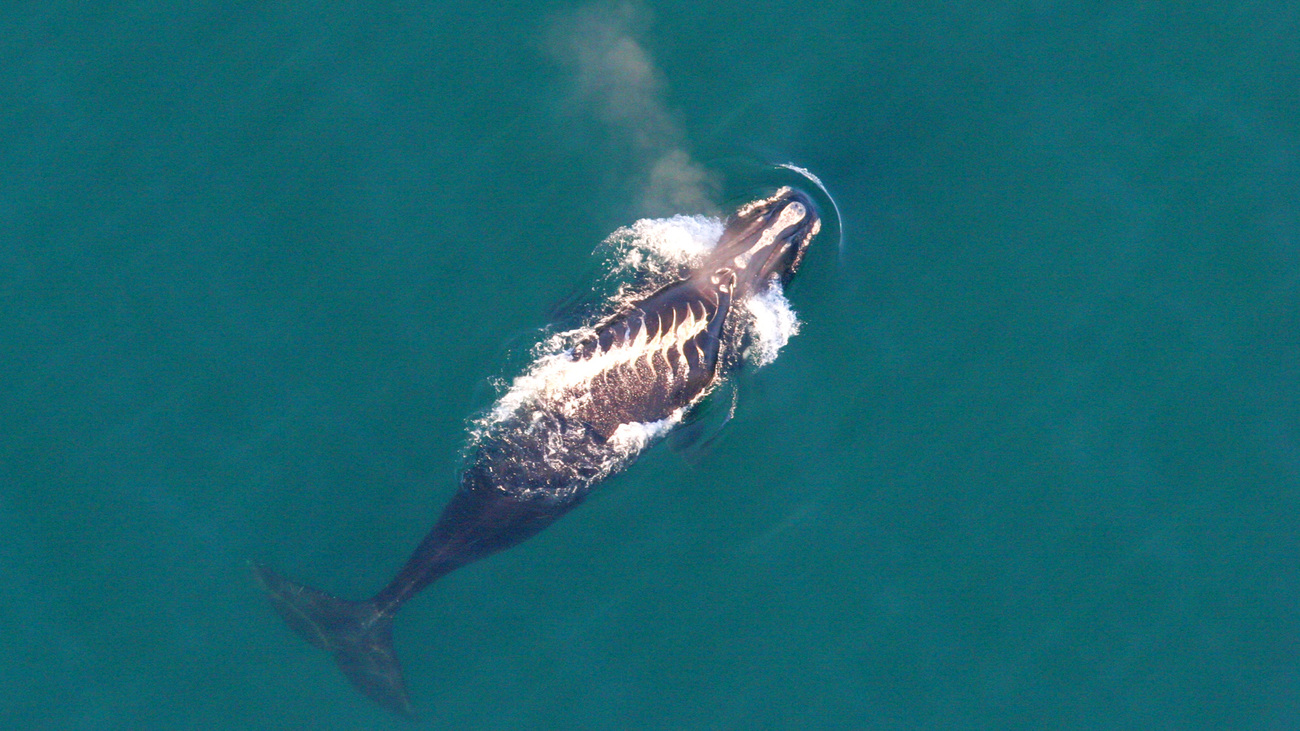
Defend the 2008 Vessel Speed Rule
The 2008 North Atlantic Right Whale Vessel Speed Rule (VSR) is one of the most effective tools we have to reduce lethal vessel strikes along the US East Coast. This rule requires vessels 65 feet and longer to comply with a 10-knot speed limit in designated Seasonal Management Areas (SMAs) when right whales are known to be present. The VSR also establishes temporary and voluntary slow down zones in Dynamic Management Areas (DMAs) triggered by real time or near-real time detections of at least three right whales.
On March 2nd, NOAA released its Advance Notice of Proposed Rulemaking to amend the VSR. This proposal is the first attempt at moving away from mandatory speed reductions in favor of technology-based measures. While innovation is essential to advancing marine conservation, no technology is ready for prime time—this deregulatory action could prove deadly for the critically endangered North Atlantic right whale. With an estimated population of only 384 individuals, vessel strike risk reduction is essential to the survival of this species.
Why is NOAA’s proposal dangerous?
- Technology is not ready to replace speed reductions. No technology has been demonstrated successfully in an operational environment. Relying on inefficient technologies is not a sensible or safe approach when the lives of both mariners and right whales are at stake. Reducing speeds is proven to protect both.
- Mariner safety is already a priority. The VSR includes safety exemptions to the 10-knot speed limit during hazardous conditions and for medical emergencies.
- The rule is economically practical. According to a NMFS 2020 report, the vessel speed rule has shown no measurable impact on economic activity within the commercial shipping industry.
- North Atlantic right whales urgently need continued protection. Now is the time to bolster right whale protections by using proven conservation techniques like the VSR alongside technology.
Vessel strikes are one of the leading causes of serious injury and death for this species and must be mitigated for the right whale population to recover. Maintaining the 2008 VSR helps give North Atlantic right whales a future.
Submit your public comment to NOAA by June 2nd to make your voice heard
Suggested advocacy letter:
With 23 calves to date, this years North Atlantic right whale calving season was the most productive in 17 years, demonstrating that recovery is possible when proven conservation measures remain in place. Despite this encouraging sign, this critically endangered species continues to face serious threats, particularly from vessel strikes, one of the leading causes of serious injury and mortality. The 2008 North Atlantic Right Whale Vessel Speed Rule (VSR) is the only existing regulation designed to reduce the risk of vessel strikes by requiring vessels 65 feet and greater to travel below a seasonal 10-knot speed limit in designated critical habitat. For nearly two decades, the VSR has proved an effective tool for protecting right whales while improving mariner safety; however, NOAA’s Advanced Notice of Proposed Rulemaking suggests a dangerous change: replacing the VSR with underdeveloped, unproven technology.
While technology is a valuable tool in North Atlantic right whale conservation, it should not be the sole strategy in vessel strike reduction. According to NOAA’s MITRE report, no currently available technology is ready to replace the VSR. Each detection system has significant limitations and has not yet been demonstrated in operational environments, and, therefore, cannot adequately replace the effectiveness of slowing down.
North Atlantic right whales are difficult to detect due to their appearance and behavior. Spending prolonged periods of time at the surface and with no dorsal fin, they can be difficult to see on even the clearest of days. Acoustic detection is a useful tool but has its challenges, as right whales are often silent while feeding, not typically vocal while traveling, and mother-calf vocalization is like a whisper to avoid predators. Environmental conditions also play a role in detection, and fog, humidity, and severe weather may interfere with infrared technology on the water. Reduction of speeds under the VSR is a reliable and effective tool to reduce the occurrence of lethal vessel strikes in right whales. While technology is a good addition to the current rule, it should not be used to replace reducing speeds.
In addition, weakening or replacing the VSR would increase risk for both mariners and whales. The 2008 rule includes safety provisions which exempt mariners from the 10-knot speed limit in hazardous conditions and medical emergencies. Replacing seasonal speed limits with unreliable technological systems would place mariners at a greater risk. The VSR is also economically practical. According to the North Atlantic Right Whale (Eubalaena glacialis) Vessel Speed Rule Assessment (NOAA Fisheries, 2020), the VSR has had no measurable impact on volume or economic activity along the East Coast. The rule’s predictable SMA structure allows commercial shipping companies to plan their routes years in advance. The VSR demonstrates that effective conservation and safe, efficient maritime operations can coexist.
I urge NOAA to uphold the 2008 Vessel Speed Rule as the foundation of right whale protection and to continue advancing technological tools as complementary measures, not substitutive. Maintaining the VSR protects mariners, supports innovation, and helps ensure the survival of the critically endangered North Atlantic right whale.