Updates
Renewed flooding in Nepal leaves communities and animals facing further challenges
Read moreVets gain new wildlife skills after mentoring program
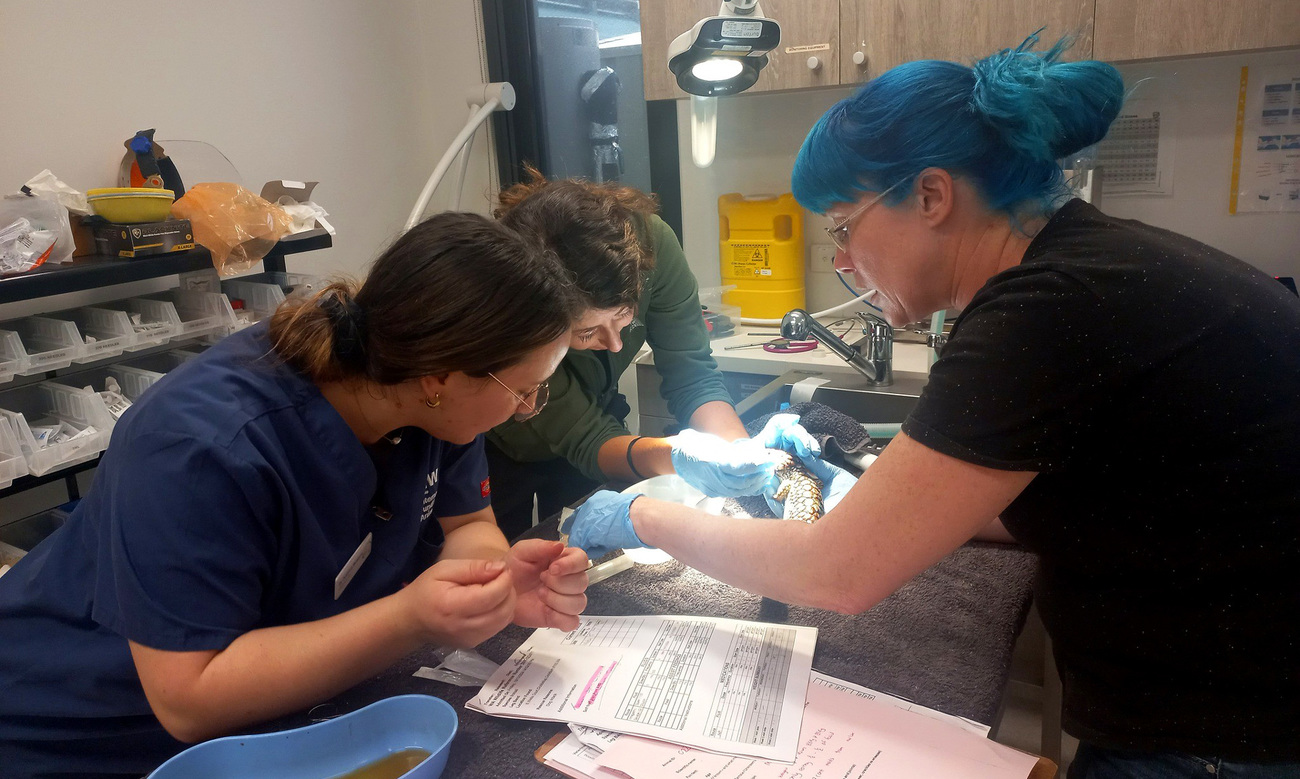
Close to 100 vets and vet nurses now have the knowledge and skills in emergency wildlife medicine to assist in disasters such as bushfires, floods, and oil spills.
For the past year, WA Wildlife Hospital, in partnership with the International Fund for Animal Welfare (IFAW), has been running the IFAW Veterinary Mentorship Program, a fully subsidised, hands-on mentorship course in wildlife treatment and care.
IFAW’s animal rescue program officer Robert Leach said to increase the chances of injured wildlife being released back into the wild where they belong, IFAW was keen to support the experts who treat and care for them.
“There’s a nationwide shortage of veterinary professionals with wildlife expertise, and Western Australia faces this challenge acutely. Its vast geography and scattered urban centres make access to wildlife veterinary care even more difficult. Through this mentorship program, we’re helping build a network of wildlife-capable veterinary professionals across WA, so rehabilitators have more local options for wildlife referrals,” he said.
“The program equips general and mixed practice veterinary professionals with the skills to become ‘wildlife-capable’. These professionals can now provide essential first-line care—such as assessment, basic diagnostics, and treatment—for native animals.
“We believe every individual animal matters. By building wildlife capability in everyday veterinary settings, the mentor program increases the chances of each injured native animal receiving quality and timely care—whether it’s a routine case or part of a scaled-up response during a disaster.”
Hospital and veterinary programs manager at WA Wildlife Dr Meg Rodgers said the primary goal of the mentorship program was to equip veterinary professionals with the necessary skills and knowledge to provide high-quality care to wildlife.
“The program started last September and was so popular, we ran a second intake earlier this year. Most are professionals based in WA, as one of our aims is to create a network of veterinary professionals who can be mobilised quickly to support WA Wildlife during emergencies,” Meg said.
“Our research with potential program candidates showed that 88% of vets considered hands-on wildlife emergency response training highly relevant to their professional development. This was echoed in early in-house workshops, where participants consistently rated the content as valuable — particularly in areas such as triage, anaesthesia, euthanasia and fluid therapy.”
The program covered a wide range of essential skills, including emergency response, triage, examination, treatment decision-making, and anaesthesia.
“This means wildlife can receive timely care locally, and complex cases can be escalated to dedicated wildlife hospitals such as the WA Wildlife Hospital. The mentorship also helps build strong relationships with local vets, creating a supportive network where they feel comfortable reaching out for advice when needed,” Meg said.
The program was completed by 86 attendees, most of whom were from Western Australia, with seven from other parts of Australia (New South Wales, Queensland and Victoria).
ENDS
Press contact:
Dominica Mack
dmack@ifaw.org
0460 432 901
About the International Fund for Animal Welfare: IFAW is a global non-profit helping animals and people thrive together. We rescue, rehabilitate and release animals, and we restore and protect their natural habitats. We partner with local communities, governments, non-governmental organisations and businesses. See how at ifaw.org.
IFAW acknowledges the Traditional Custodians of country and their connection to land, waters and culture. We pay our respects to their Elders, past and present.
About WA Wildlife: WA Wildlife is dedicated to the rescue and rehabilitation of sick, injured, displaced, and orphaned native wildlife. Formerly known as Native ARC, WA Wildlife has been operating for more than 25 years as a not-for-profit organisation. Their mission is to conserve and protect the unique native wildlife of Western Australia through rescue, rehabilitation, education, and research. They operate one of the largest wildlife hospitals in the state, caring for a diverse range of species.
Every problem has a solution, every solution needs support.
The problems we face are urgent, complicated, and resistant to change. Real solutions demand creativity, hard work and involvement from people like you.
Unfortunately, the browser you use is outdated and does not allow you to display the site correctly. Please install any of the modern browsers, for example:
Google Chrome Firefox Safari