Press releases
Governments urged to turn wildlife commitments into action at biodiversity COP17
Read moreWild animals are not pets: the dangerous myths behind the ‘exotic’ pet trade
Cute, cuddly, and clickable—a wild animal in a living room on our social media feed may look harmless, even heartwarming. But what we don’t see is the forest it was taken from, the animals that died along the way, the ecological damage left behind, or the miserable life some of these animals spend in captive breeding facilities. This trade thrives on misinformation, presenting wild animals as suitable companions while obscuring the true cost to animals, ecosystems, and people.
Behind the viral videos are the dangerous myths that keep the trade in wild animals as pets alive.
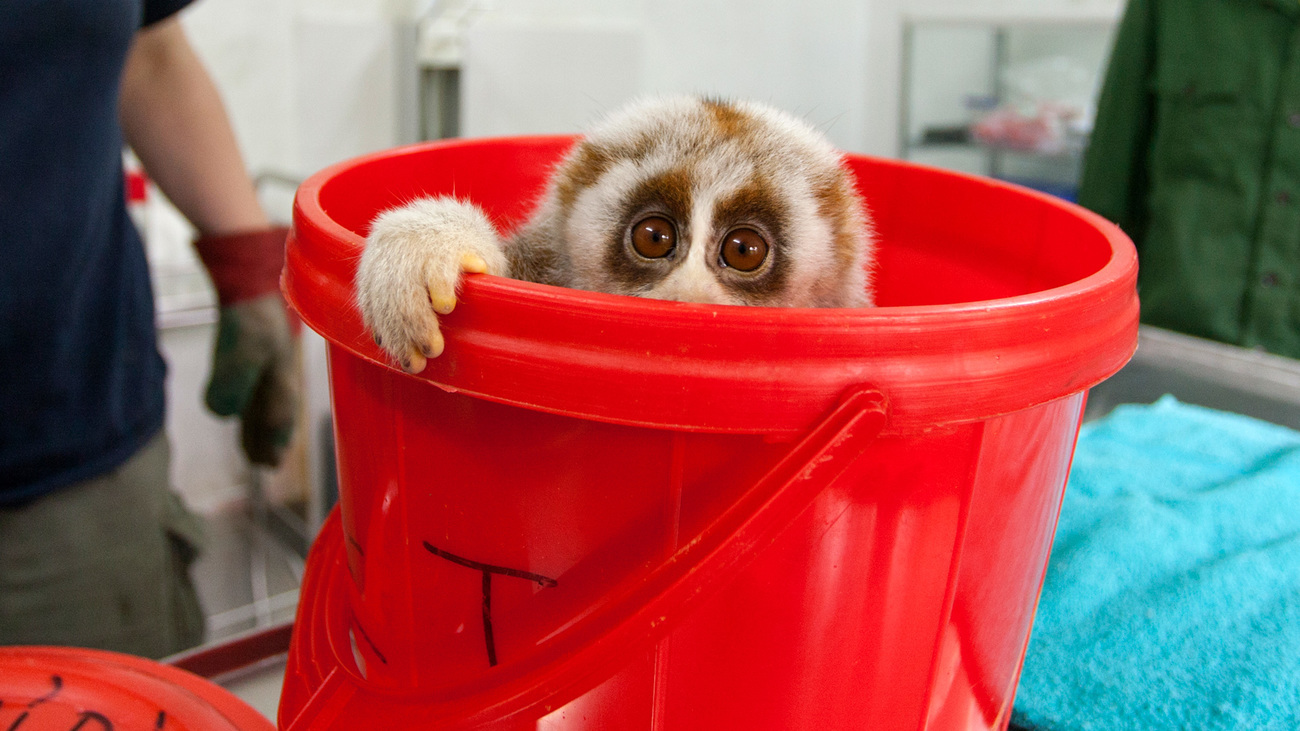
Wrong.
Captive-bred does not mean domesticated. Domestication is a complex, multi-generational process that takes thousands of years, during which animals are selectively bred for traits that allow them to live alongside humans. Dogs, cats, and livestock have co-evolved with people over millennia, gradually adapting their behaviour, physiology, and social needs. Wild animals in the pet trade have not.
Even when born in captivity, reptiles, parrots, primates, and wild cats remain biologically wild. Their instincts, needs, and behaviours are shaped by evolution in the wild, not by life in a human household. This is why wild animals kept as pets often exhibit stress-related behaviours, aggression, self-harm, or chronic health problems, even in well-intentioned homes.
In short, an animal may be born in captivity, but that doesn’t make them suited to life as a pet.
Wrong.
Good intentions and affection cannot replace specialised care. In fact, they can sometimes mask serious welfare issues.
Captive wild animals have highly specialised needs, including complex diets, environmental conditions, social structures, and space requirements. These needs are extremely difficult—often impossible—to meet in a domestic setting.
Some owners may go to great lengths to pamper their animals, providing luxury foods or elaborate enclosures. But too much, or the wrong kind of care can be harmful. Improper diets, inadequate lighting, lack of space, or absence of social interaction can all lead to serious physical and psychological suffering.
Take one case from the UK: an African grey parrot named Tarbu was rescued as a chick in Tanzania in 1957 and spent his entire 55 years living in a cage. While his owner believed she cared for him well—even feeding him treats like KitKats—decades in confinement cannot substitute for the complex physical, social, and mental life these birds are adapted for in the wild. Parrots are highly intelligent, social animals that spend their days flying, exploring, foraging, and interacting in large flocks in the wild. A lifetime in a cage, with limited stimulation and freedom, deprives them of fundamental behavioural needs and can lead to serious issues.
This illustrates a common disconnect—even when an animal survives under human care, it doesn’t necessarily mean its welfare needs were met.
Many wild animals naturally roam territories spanning miles, spending their lives foraging, hunting, migrating, and socialising. No enclosure, however well meaning, can replicate this complexity.
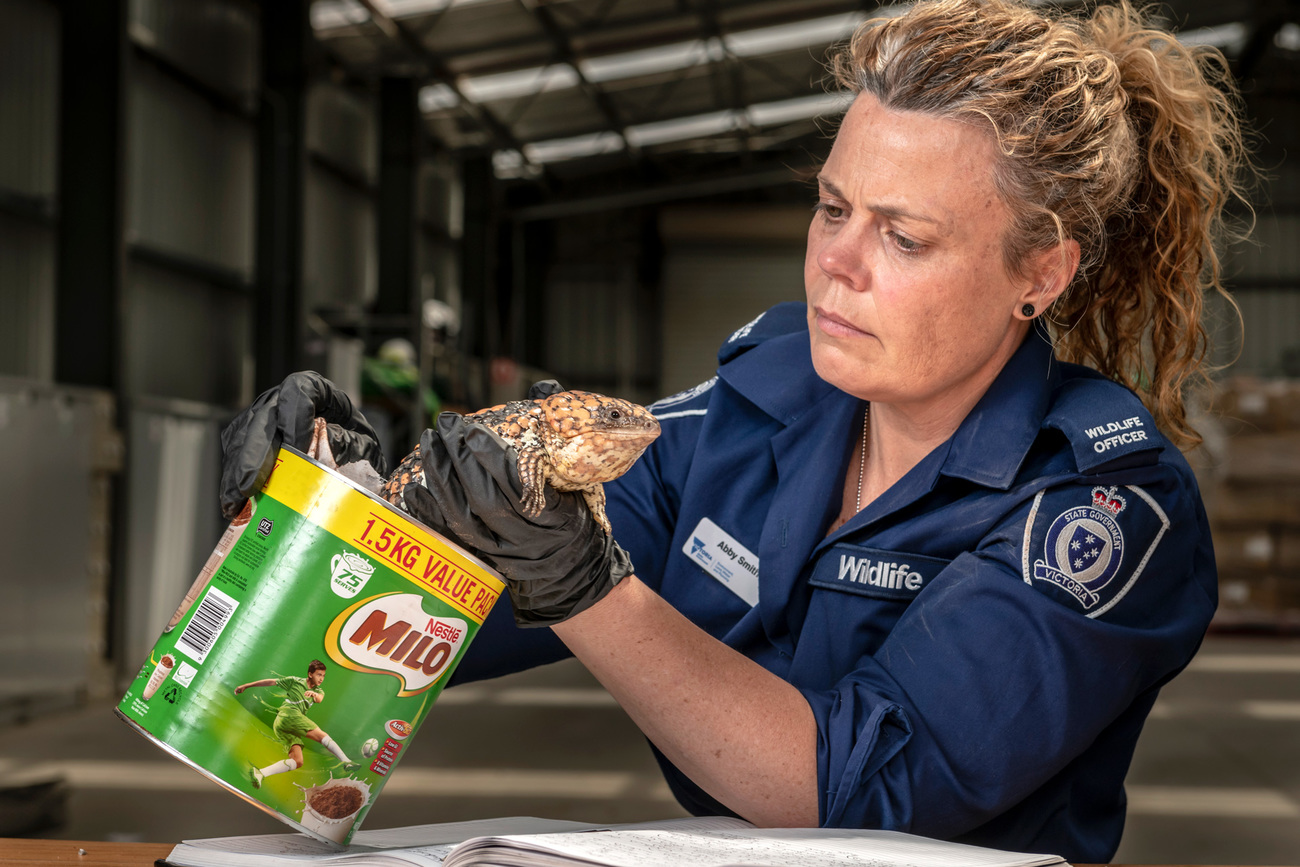
Not necessarily.
In theory, captive breeding for the pet trade could reduce pressure on wild populations—but the reality is, it often does the opposite. It is almost impossible for buyers to verify whether an animal has genuinely been bred in captivity. Many captive-bred animals are visually indistinguishable from wild-caught ones, making laundering into the legal trade easy.
Take Galápagos iguanas—found nowhere else on earth other than isolated islands that form the Galápagos archipelago in Ecuador—that have become highly sought-after pets. Despite Ecuador’s strict laws banning the export of iguanas for commercial purposes, they have been traded in online marketplaces, often falsely declared as captive bred. Even where animals are claimed to be captive bred, they all descend from animals that were illegally exported in the first place. A recent change in international policy will now ban all international trade though, closing the loophole.
Wild-caught animals can be easily falsely declared as captive bred, after which their offspring illegitimately receive international trading permits because origin checks are weak or inconsistently enforced. This creates a legal façade that allows illegal wildlife trade to continue, while wild populations silently decline.
No—but the wildlife trade does.
In the trade of wild animals as pets, animals are reduced to commodities with a price tag. African grey parrots, for example, sell for thousands of dollars on international markets. That financial incentive—particularly driven by demand in wealthier countries—creates enormous pressure to take birds from the wild, regardless of whether it’s illegal or not. Poachers who take these animals from the wild will only see a fraction of this price, while organised criminal networks reap the rewards. Taking from the wild is often cheaper than obtaining from a breeder.
But the cost to nature is far greater than any sale price. Populations of many species popular in the pet trade have plummeted across much of their natural range. Yet demand remains high. In fact, too often, rarity only increases value.
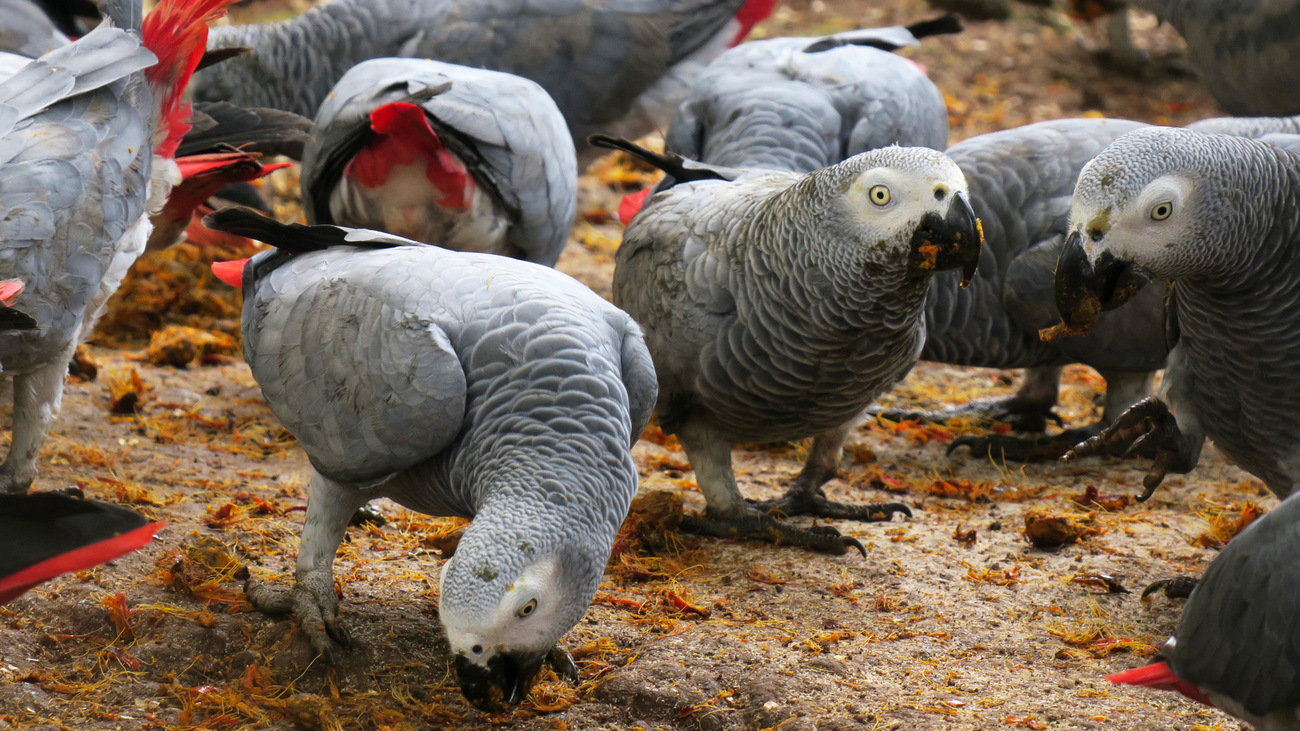
Many don’t.
What is rarely seen by consumers is the enormous suffering and even loss of life that occurs before an animal ever reaches a pet shop or home. For every wild animal that survives long enough to be sold, countless others die during capture, transport, or confinement—a harrowing sight that border force officials frequently witness.
Animals, especially if illegally caught, are often taken from the wild using brutal methods, crammed into crates or containers, deprived of food, water, and veterinary care, and subjected to extreme stress. Many die from injuries, disease, or sheer exhaustion along the way. Their deaths are treated as an acceptable loss—a cost of doing business—because the high prices fetched by survivors still make the trade profitable.
This hidden toll means that even a single wild animal may represent the suffering and death of many unseen animals.
Not necessarily.
This is a complicated and emotionally charged issue. Some wild animals do end up in shelters after being confiscated from the illegal wildlife trade or surrendered by owners that can no longer care for them. Unfortunately, there are far fewer legitimate sanctuaries than there are animals in need of lifelong care.
As a result, legitimate rescue facilities are sometimes faced with impossible decisions: euthanasia, overcrowding, or rehoming animals to individuals who appear capable. While these situations may arise out of necessity, they should never be confused with justification for ownership or used to normalise that wild animals are kept as pets.
When influencers present these animals online—with or without context—they risk glamorising ownership and unintentionally encouraging others to seek out similar animals. This can inadvertently fuel demand and perpetuate the very trade that put the animal at risk in the first place.
There is real harm.
When wild animals are portrayed online as cuddly, playful, or low-maintenance, they become more desirable. Every view, like, comment, or share boosts visibility through social media algorithms, pushing this content to wider audiences and encouraging potential buyers.
Some content creators even generate significant revenue from these animals. Take the African grey parrot Apollo who has over 1.5 million Instagram followers. Apollo’s owners have estimated earnings of around $120,000 per year from his online presence.
What may seem like innocent entertainment can fuel an entire industry built on exploitation. Engaging with this content helps sustain demand and, ultimately, the wildlife trade, regardless of whether it’s legal or illegal.
Wrong.
Regulation alone does not equal protection. Weak enforcement, legal loopholes, inconsistent laws between countries, and corruption allow illegal trade to thrive under the guise of legality. Many species traded legally today were once abundant in the wild—and now are at risk of extinction fuelled in part by demand for pets. In addition, many species that are protected in their country of origin but not by international law, can be legally traded once smuggled into a consumer country, due to national legal loopholes.
Alarmingly, new species are often being discovered, immediately exposed by a lack of protections by default. Due to their novelty, they are in high demand among collectors, and by the time regulations catch up, it could be too late.
The trade in wild animals as pets doesn’t just exploit animals—it erodes ecosystems, endangers species, and puts public health and safety at risk. To stop it, we need more than enforcement. We need a collective shift in awareness, attitudes, and behaviour.
Where there is demand, there will be supply, so ultimately everyone has a collective responsibility to turn their backs on this cruel and harmful pet industry.
Our work can’t get done without you. Please give what you can to help animals thrive.
Unfortunately, the browser you use is outdated and does not allow you to display the site correctly. Please install any of the modern browsers, for example:
Google Chrome Firefox Safari