Blog
Australia's ivory trade didn’t disappear, it went online
Read moreCommunities leading the future of conservation in Kenya
By Ben Wandago, Kenya country director for IFAW, and contributing writer Edward Indakwa
Across Kenya, the future of wildlife is increasingly being shaped not in protected areas, but in the communities that live alongside it.
With more than 65% of wildlife found on community and private land, conservation success depends on local stewardship, shared benefits, and inclusive decision-making. At IFAW, this understanding guides our work across key landscapes like Amboseli and Tsavo.
For me, this is not a new idea. It is a lesson I have seen reinforced throughout my career: conservation only works when it works for communities.
Early in my career as a government forest officer, I worked within a system that approached conservation through a “command-and-control” model. Decisions were made centrally, and communities were expected to comply. Local knowledge, cultural practices, and livelihoods were rarely part of the equation.
Over time, it became clear that this approach could not deliver lasting results. Forests, wildlife, and ecosystems cannot be protected without the people who live closest to them.
As I deepened my understanding of environmental science and economics, I began to see more clearly how ecosystems support livelihoods—and how conservation can deliver tangible value for communities.
In my roles with government—including the International Union for Conservation of Nature (IUCN) and the United States Agency for International Development (USAID)—I have seen how conservation outcomes improve when communities are recognised as partners and leaders.
Across Kenya, this shift is now taking shape. Community forest associations, conservancies, and local resource groups are playing a growing role in managing natural resources. But participation alone is not enough. Communities must also share in the benefits and decision-making that come with conservation.
In many parts of Kenya, communities are already demonstrating what effective stewardship looks like.
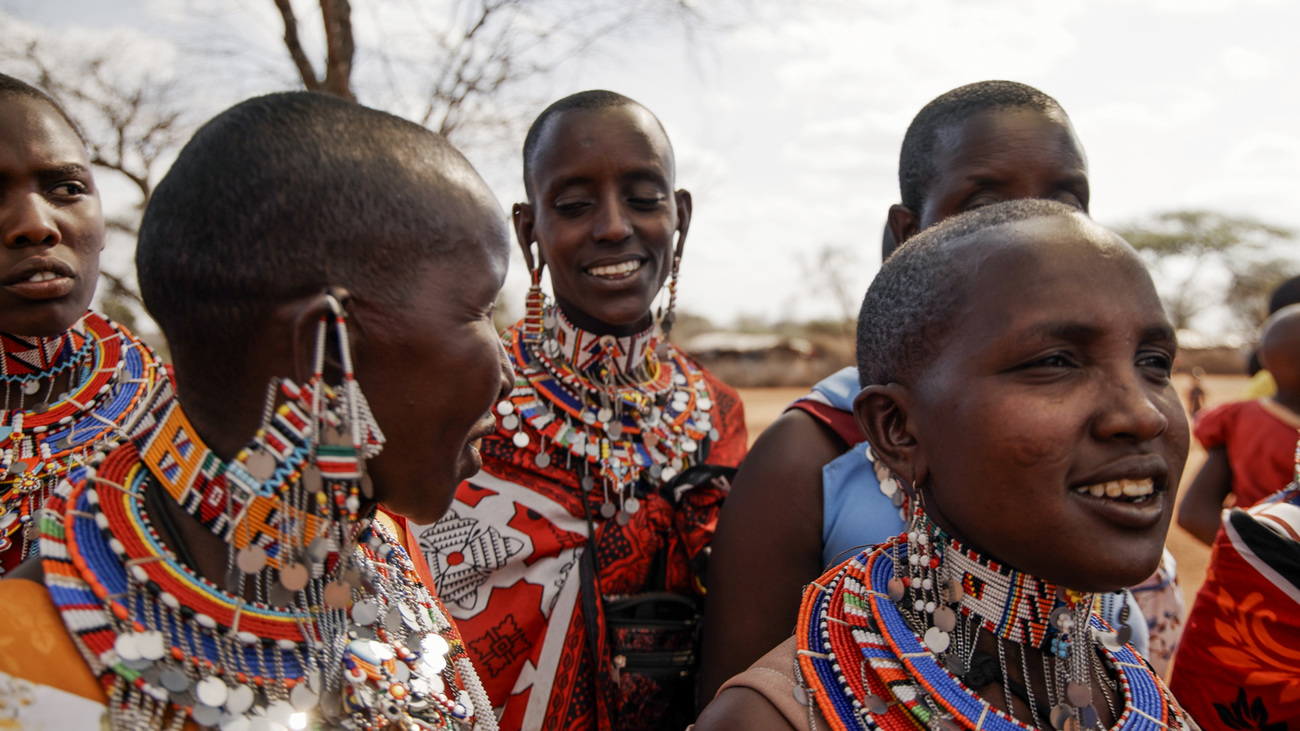
In the Amboseli ecosystem, community-led conservation on group ranches such as Olgulului–Ololarashi is helping to secure vital wildlife corridors while supporting pastoralist livelihoods. Strengthened land-use planning and coexistence efforts are reducing human-wildlife conflict, while keeping rangelands open for elephants and other species to move freely.
I have also seen how cultural and Indigenous knowledge can play a powerful role in conservation. In Kenya’s forest landscapes, elders from the Lembus community have protected forests through traditional practices, even where formal systems have struggled.
This connection between people and nature is equally visible along Kenya’s coast. I have seen how cultural knowledge and traditional practices can safeguard natural resources in ways that formal systems alone often cannot. Community groups are protecting marine ecosystems that sustain both biodiversity and local livelihoods, using locally led management and sustainable fishing practices to support ocean health and improve income stability.
Together, these examples reflect a broader truth: ecosystems are not isolated. They are shaped by the relationships between people, wildlife, and the environment.
These examples are not isolated—they reflect an approach that is increasingly shaping conservation across Kenya. At IFAW, our focus is on strengthening and scaling this connection between communities and the landscapes they depend on.
In Amboseli, Tsavo, and surrounding areas, we work with partners and communities to:
This work contributes to our Room to Roam vision—an effort to secure and connect habitats across Africa so wildlife can move freely and ecosystems remain resilient.
By aligning conservation with community priorities, we are helping to create lasting benefits for both people and wildlife. When conservation delivers tangible value at the local level, it becomes stronger, more sustainable, and more resilient over time.
The need for this approach is only growing.
In my work across conservation and development—including partnerships focused on displacement and environmental change—I have seen how closely climate change, livelihoods, and natural resource management are linked. You cannot address one without considering the others.
Communities are often on the frontlines of these challenges. They are also central to the solutions. This is why conservation must be designed in ways that recognise local realities, support livelihoods, and build resilience.
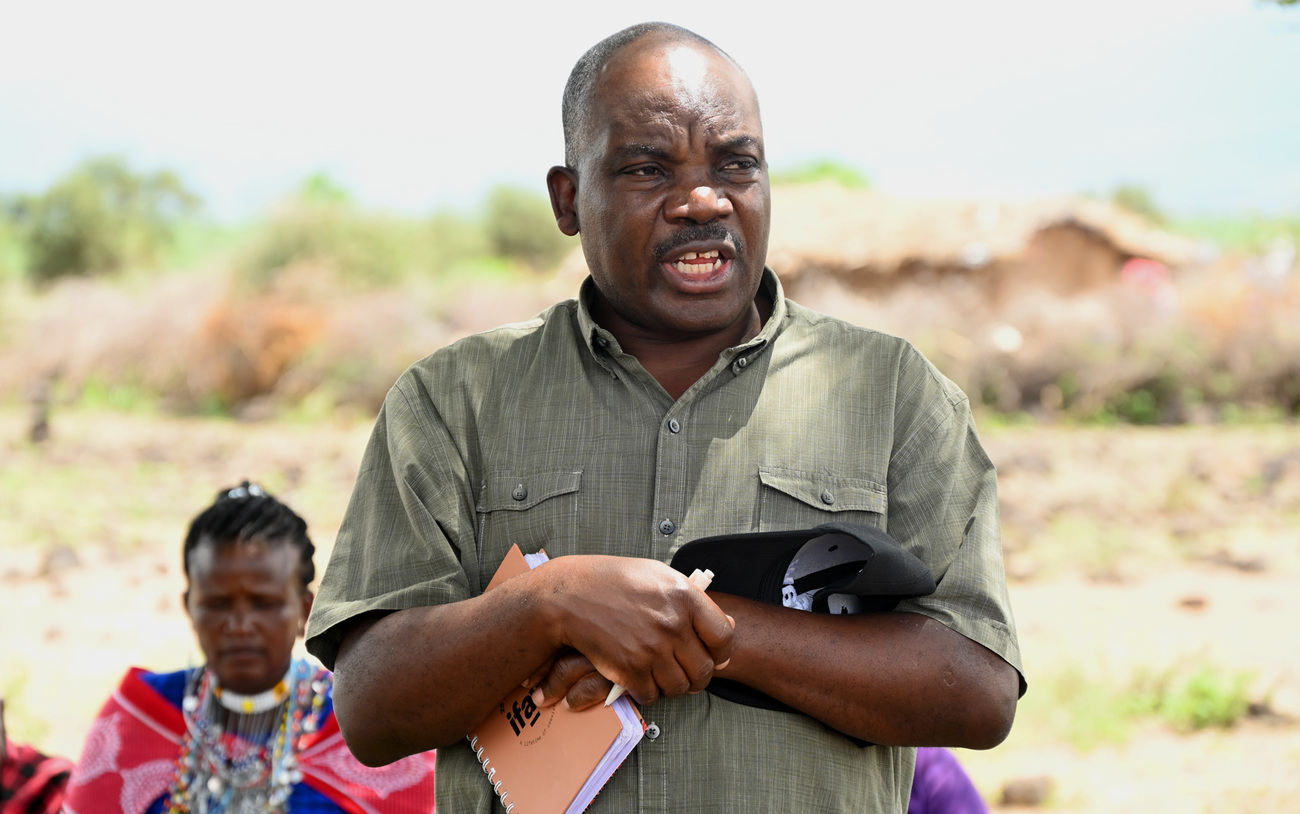
Looking ahead, the future of conservation in Kenya will depend on how well we support communities as stewards of the natural world. That means recognising their knowledge, strengthening their role in decision-making, and ensuring they share in the benefits that conservation creates.
The future of wildlife depends on the choices communities make today. Our responsibility is to ensure those choices are supported, respected, and rewarded.
Across Kenya, I am encouraged by what I see. Communities are not only participating in conservation—they are leading it. And that is where lasting change begins.
Our work can’t get done without you. Please give what you can to help animals thrive.
Unfortunately, the browser you use is outdated and does not allow you to display the site correctly. Please install any of the modern browsers, for example:
Google Chrome Firefox Safari