Policy
High Seas Treaty enters into force, a historic leap for ocean protection
High Seas Treaty enters into force, a historic leap for ocean protection
January 17, 2026
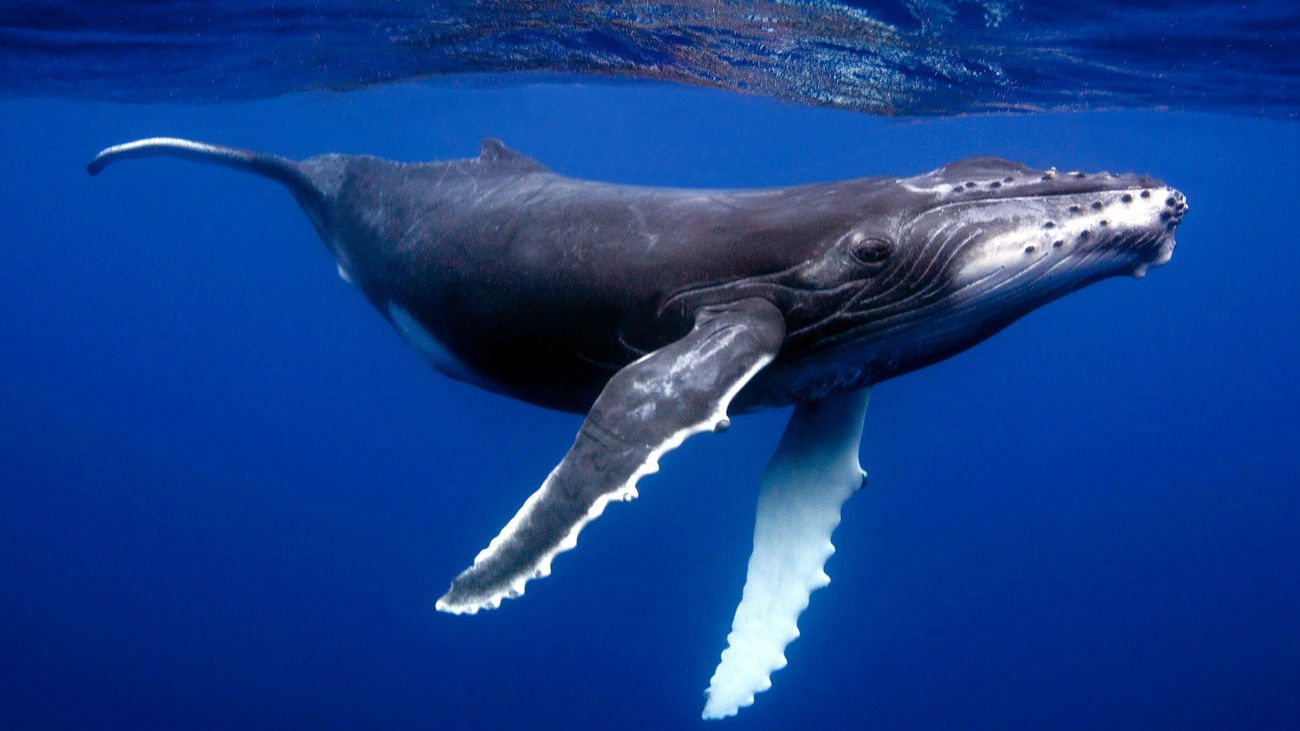
Humpback whale swimming with fins down. Photo: © Vanessa Mignon
(17 January 2026 – New York, US) — Today marks a historic turning point for the global ocean. The High Seas Treaty (BBNJ Agreement) enters into force, unlocking the first legally binding framework to conserve and sustainably use marine biodiversity in areas beyond national jurisdiction—nearly half the planet and one of the last great frontiers of global conservation.
“This is a breakthrough moment for the ocean, marine wildlife, and the billions of people who depend on them,” said Matt Collis, Senior Director of Policy at IFAW. “For ocean giants like whales, sharks, and turtles that have roamed these waters for millions of years, it marks the start of a new era in global ocean conservation.”
From today, countries that have ratified the Treaty must begin delivering on key obligations, including promoting its conservation goals internationally, cooperating on marine science and technology sharing, and ensuring that activities planned in the high seas meet robust environmental standards.
While the Treaty’s permanent institutions—including the Secretariat and other coordinating bodies—are still being developed, many of its core responsibilities come into effect immediately. Entry into force is not just a legal milestone—it signals a major shift in how the global community manages and protects the ocean for wildlife, climate resilience, and future generations.
Over the next year, countries will lay the groundwork for full implementation. The Preparatory Commission will continue setting up the Treaty’s institutions and support the first Conference of the Parties, which the Treaty requires to take place within one year of entry into force i.e. before 17 January 2027. That conference will determine how the Treaty is governed and put in motion efforts to identify and protect marine areas of ecological importance.
“What makes this Treaty so powerful is that it doesn’t stop at promises—it enables action,” said Collis. “Even before all the formal structures are in place, countries can start identifying and proposing marine protected areas. This is our chance to build a connected network of protection that for the first time will conserve marine life once it leaves national waters.”
Several areas—such as the thermal dome off Central America, the Emperor Seamounts, the Sargasso Sea, and the Salas y Gómez and Nazca Ridges—have already been identified as strong candidates for early protection. These ecosystems support rich biodiversity and play a vital role in maintaining ocean health. Protecting them will help bring the Treaty to life as a practical, action-oriented tool from day one.
The work ahead will require leadership, collaboration, and sustained investment. But today’s entry into force is a long-awaited step forward—offering real hope for the future of our ocean.
ENDS
Press contact:
Stacey Hedman
Senior Communications Director, IFAW
m: +1 508 737 2558
e: shedman@ifaw.org
About the High Seas Treaty
The Agreement under the United Nations Convention on the Law of the Sea on the Conservation and Sustainable Use of Marine Biological Diversity of Areas beyond National Jurisdiction (BBNJ Agreement), or High Sea Treaty as it is known, was adopted on 19 June 2023. It’s entry into force comes into effect 120 days after the 60th ratification of the treaty, which happened on 19 September 2025. Further ratifications have taken place since then with now over 80 countries ratifying the agreement – the full list f countries ratifying the agreement is available on the UN treaty page.
Related content
Our work can’t get done without you. Please give what you can to help animals thrive.