Policy Conventions & Agreements - Global
Protection for wildlife & habitats is preserved in global agreementsGalapagos iguanas given strongest protection possible
Galapagos iguanas given strongest protection possible
December 3, 2025
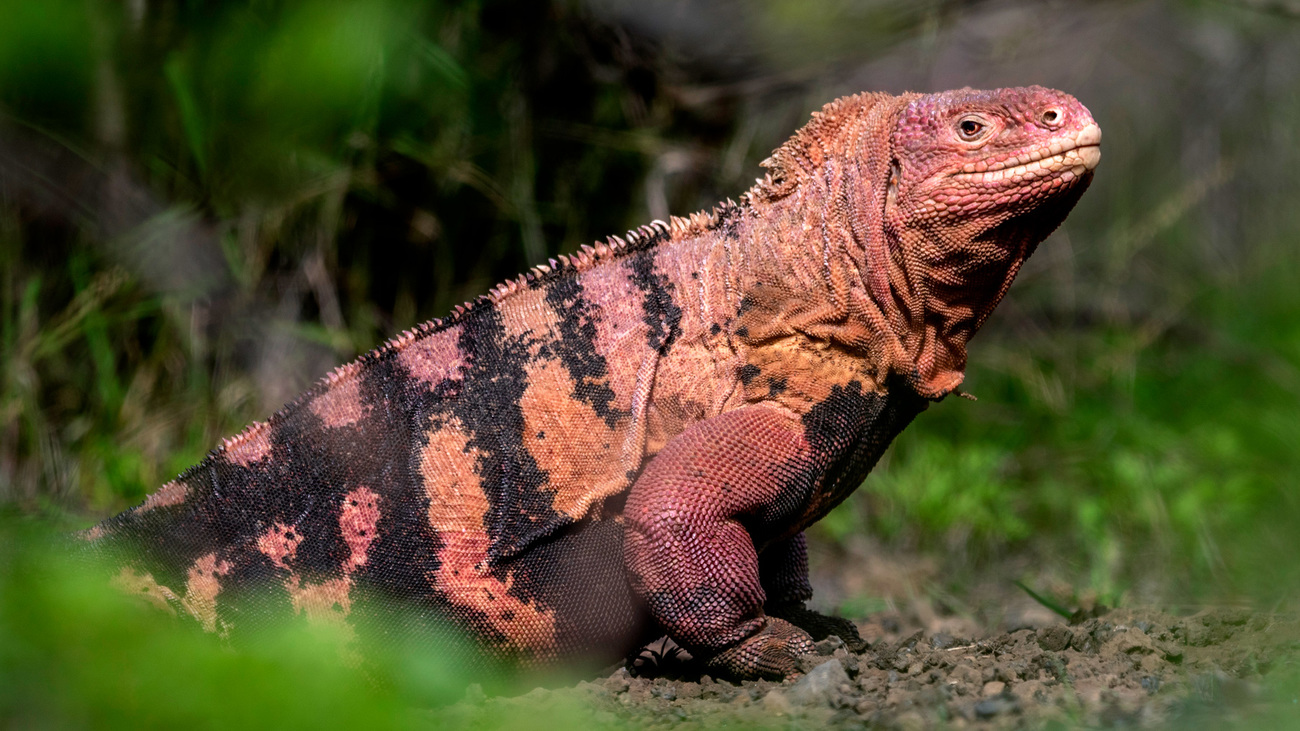
Galapagos pink iguana (Conolophus marthae), Isabela Island, Galapagos National Park, Galapagos Islands. Photo: Lucas Bustamante / © www.naturepl.com
Galapagos marine and land iguanas, which are highly sought after in the exotic pet trade, have been given the strongest protection possible at a UN wildlife conference.
The iguanas are endemic to the isolated islands that form the Galapagos archipelago in Ecuador, but they are highly sought after as pets, with hatchlings and juveniles being the primary targets. Despite Ecuador’s strict laws banning the export of iguanas for commercial purposes, they continue to be found for sale in online marketplaces, often falsely declared as captive bred.
To protect the species from the ongoing threats of the pet trade, they were given Appendix I protections today at the 20th Conference of the Parties (CoP20) of the Convention on International Trade in Endangered Species of Wild Fauna and Flora (CITES).
The International Fund for Animal Welfare (IFAW) supports this greater protection as it will bring greater scrutiny to illegitimate claims of trade in captive-bred animals.
“This is a win for wildlife while also sending a strong message to ruthless traffickers that land and marine Galapagos iguanas should not be found anywhere else but their home country islands,” IFAW’s Latin America regional representative Joaquin de la Torre Ponce said.
“The fact we continue to see persistent trade and laundering of wild-caught marine and land iguanas falsely declared as captive-bred is concerning. An Appendix I listing will help curb this dodgy practice by imposing stricter scrutiny on commercial trade.”
Marine and land Galapagos iguanas are listed globally as vulnerable, but some subspecies are critically endangered. They live in small, isolated islands and are at risk of extreme weather due to climate change.
Given the often terrible conditions they’re exposed to when they are smuggled out of Ecuador – it's estimated that eight out of 10 die during transportation.
“These iguanas are already under immense pressure from climate change, with the pet trade putting them in deadly situations every time they are stolen from the wild. Today's decision at CoP20 will help ensure they don’t plummet towards extinction,” Mr de la Torre said.
CITES trade data shows that live animals have been in the exotic pet trade between Europe and Uganda. In February this year, two marine iguanas appeared in a social media post from an Austrian breeding facility, despite Ecuador not having permitted legal exports since 1959, long before CITES came into force in 1975.
Land and marine iguanas have been included in CITES Appendix II since 1975, with Ecuador submitting proposals to transfer them to Appendix I. They were both accepted by consensus.
CITES CoP20 opened in Samarkand, Uzbekistan on November 24th and runs until December 5th. All decisions taken during the Conference need to be endorsed by the final plenary session at the end of the Conference and will take effect 90 days after the Conference ends.
ENDS
Press contacts:
Dominica Mack dmack@ifaw.org / +61 460 432 901
Kirsty Warren kwarren@ifaw.org / +44 (0) 7809269747
Related content
Our work can’t get done without you. Please give what you can to help animals thrive.