Protecting the Malawi-Zambia Landscape
Habitats cross borders—so do poachersReconnecting elephant habitats in Malawi and Zambia
Reconnecting elephant habitats in Malawi and Zambia
June 23, 2026
At dawn in Kasungu National Park in central Malawi, the landscape is quiet. Then, almost imperceptibly, movement begins. An elephant emerges from the Miombo woodland, following a path shaped by generations—one that long predates the border between Malawi and Zambia.
For centuries, African elephants have moved freely across this landscape. Today, those ancient routes are under pressure. Expanding human settlement, habitat fragmentation, and the persistent threat of poaching have narrowed the space available for wildlife species and disrupted the ecological connections that once linked vast areas of southern Africa.
Through IFAW's Room to Roam initiative, conservationists in Malawi and Zambia are working to reverse that trend by reconnecting habitats and restoring pathways that allow elephants and other wildlife to move safely across borders.
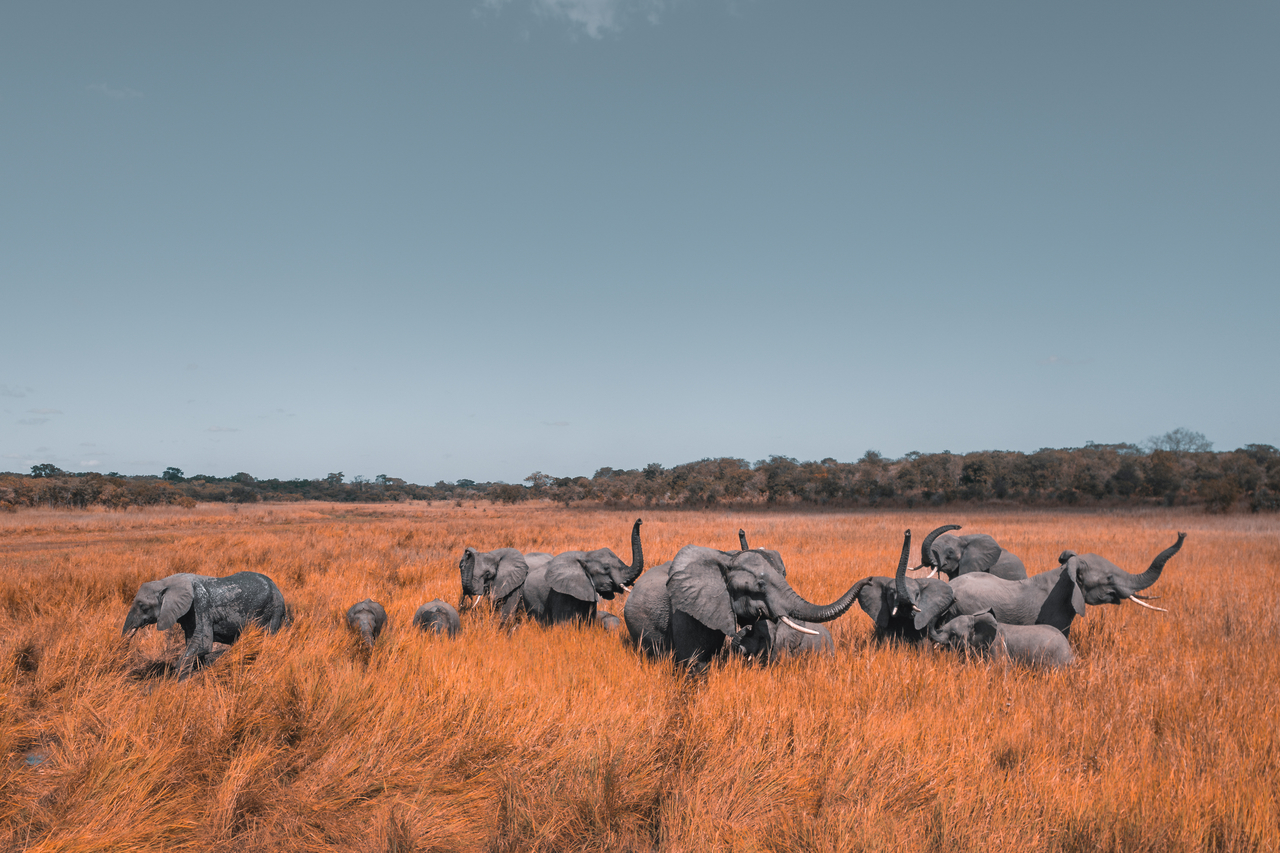
Elephants in Kasungu National Park, Malawi. Photo: Naude Heunis / © IFAW
At the centre of this work is Bruce Sosola, IFAW Country Director for Malawi. With more than two decades of experience in natural resource management, he is helping lead efforts to reconnect the Kasungu–Lukusuzi ecosystem, a critical part of the wider Malawi-Zambia Transfrontier Conservation Area and one of Southern Africa’s most important yet under-recognised conservation landscapes.
The Southern African Development Community , a regional economic bloc of 16 member states, defines a Transfrontier Conservation Area (TFCA) as a large ecological region that straddles the boundaries of two or more countries and includes protected areas and multiple resource-use zones.
These areas are established to support biodiversity conservation while promoting socio-economic development, particularly for rural communities that depend directly on natural resources. By recognising that ecosystems extend beyond political borders, TFCAs provide a framework for collaborative environmental management and shared economic benefits.
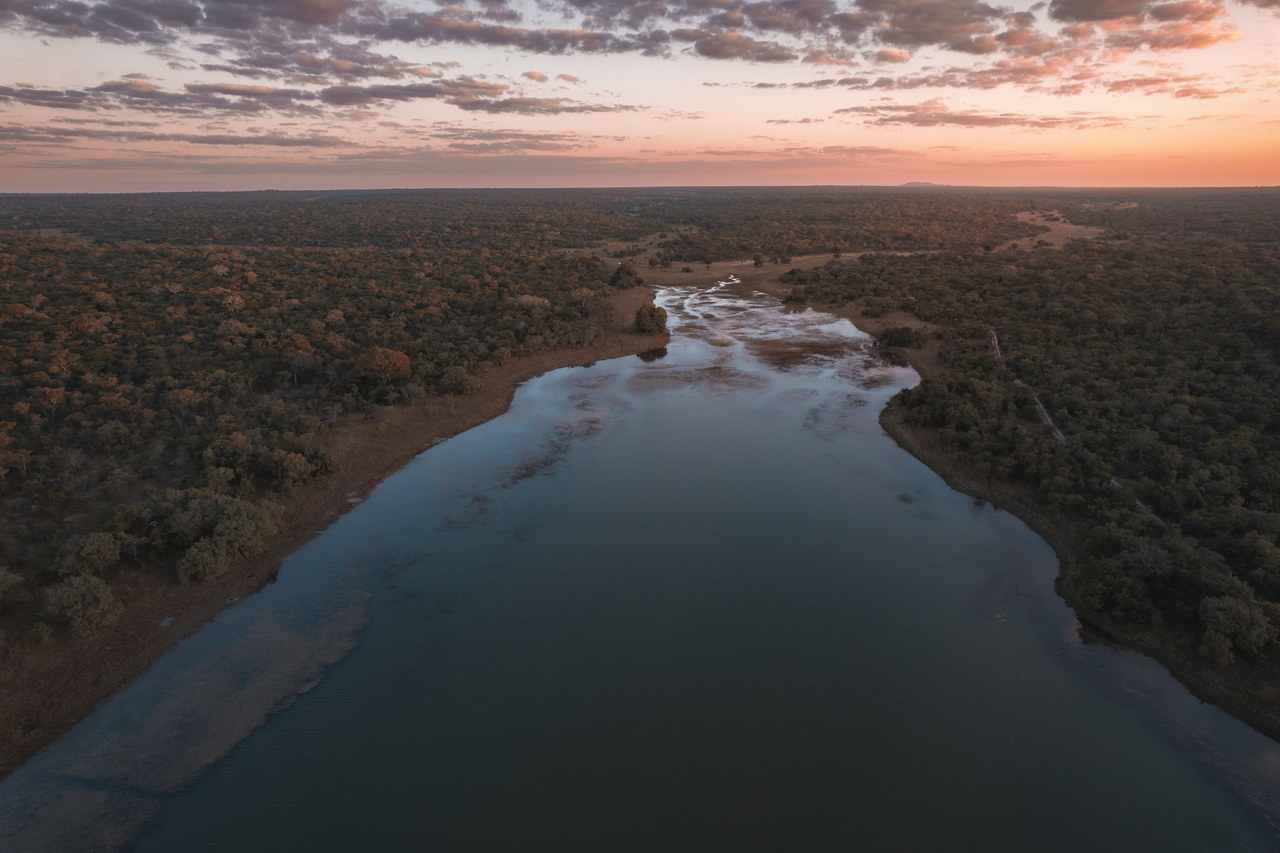
IFAW’s partnerships on the Malawi-Zambia transboundary area help secure 5,366 km² across the Luambe, Lukusuzi and Kasunga National Parks. Photo: Naudé Heunis / © IFAW
Rebuilding a wildlife corridor
Wide-ranging species such as elephants depend on connected landscapes to find food, water, mates, and safe habitat. When those routes are blocked, wildlife populations become more vulnerable, and human-wildlife conflict often increases.
Through Room to Roam, IFAW is helping restore ecological connectivity between Kasungu National Park and Lukusuzi National Park, with the long-term goal of reconnecting the broader Luangwa Valley ecosystem.
The need for this work is rooted in history.
When the present-day Kasungu and Lukusuzi National Parks were established as game reserves during the 1940s, wildlife corridors linking the two protected areas were recognised and preserved. These corridors allowed elephants and other species to move freely across the landscape, and settlements were restricted within these critical movement areas.
Over the decades that followed, however, resettlement programmes and expanding human populations transformed much of the surrounding land. As communities grew, wildlife habitats became increasingly fragmented.
“One of the TFCAs' objectives failed to protect the land that allows elephants and other wildlife species to move safely between the two national parks and beyond through the communal lands in Zambia,” explains Moses Nyirenda, IFAW Country Director for Zambia.
Today, conservationists are working to restore those pathways and reconnect ecosystems that function best as a single, continuous landscape.
That does not mean separating people from wildlife. In many places, elephants will still move through areas where people live and farm. Success therefore depends not only on restoring habitat, but also on strengthening coexistence between wildlife and local communities.
Living with elephants
For the over 105,000 people living along the edge of Kasungu National Park, and the hundreds of thousands more living across the border in Zambian, the return of elephant movement is both a conservation success and a daily reality. .
Elephants can damage crops, raid grain stores, and occasionally threaten human safety. Addressing these challenges has become central to the success of the project.
The results are encouraging.
Human–elephant conflict incidents recorded in Traditional Authorities around Kasungu National Park have fallen dramatically, from 690 cases in 2022 to just 94 in 2025. These figures are collected by park authorities through community outreach and extension programmes conducted with local communities living around the park.
For families who depend on farming for their livelihoods, fewer conflict incidents mean fewer lost harvests, improved food security, and greater confidence that people and wildlife can share the same landscape.
Several measures have contributed to this progress.
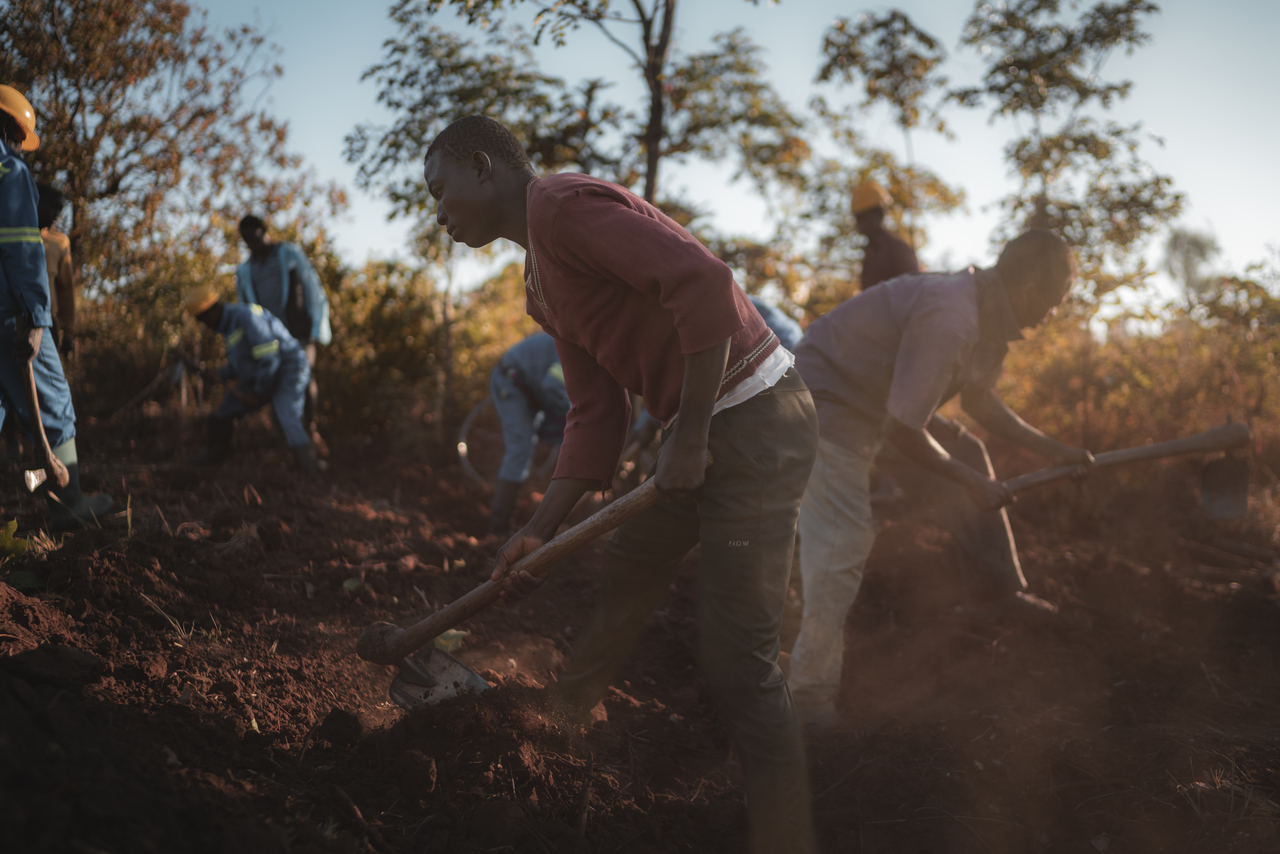
As part of our work to combat wildlife crime in the Malawi-Zambia landscape, along with partner government departments in the two countries, we prevent human-wildlife conflict, poaching, and encroachment into the protected areas in this conservation corridor. This includes the construction of a 130-kilometre fence along the boundary of Kasungu National Park, which helps keep wildlife in the park and nearby communities safe. Photo: Naude Heunis / © IFAW
Along the park's eastern boundary in Malawi, 133 kilometres of physical and virtual fencing have been installed with solar-powered support systems. Authorities are also using EarthRanger technology to monitor wildlife movements. GPS-collared elephants trigger alerts when they approach community areas, enabling rapid-response teams to track animals in real time and help prevent conflict before it occurs.
But technology alone is not enough.
Investing in people and wildlife
Across the landscape, communities are receiving support to adapt to changing conditions and build resilience alongside conservation efforts.
IFAW has helped 2,500 smallholder farmers adopt climate-smart agriculture practices, supported the construction of four elephant-proof grain stores, and funded boreholes that improve access to clean water.
Additional support is provided to families directly affected by human-wildlife conflict, including school bursaries for 40 children. These investments help ensure that families facing losses from wildlife incursions are not forced to withdraw children from education or sacrifice future opportunities.
The approach reflects a growing recognition that successful conservation depends as much on supporting people as it does on protecting wildlife.
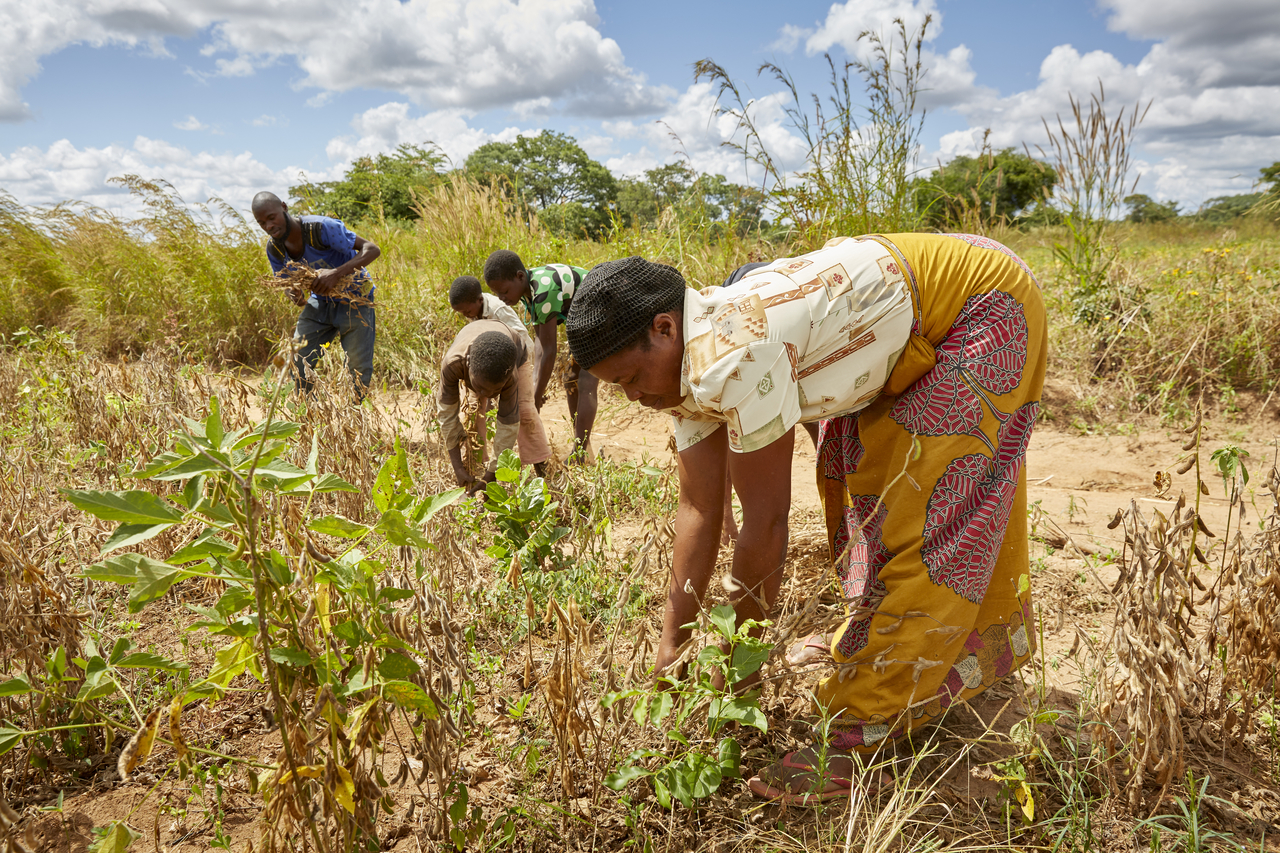
Grace Mtonga is part of the COMACO project. She lives in Chikomeni, Zambia with her extended family. Photo: Julia Gunther / © IFAW
A shared landscape
Restoring this vital ecosystem requires more than local action. It demands coordination between Malawi and Zambia, two countries managing different landscapes within a single ecological reality.
“Wildlife moves instinctively in search of proper habitat that provides food, water, and most importantly, shelter and safety,” says Bruce Sosola. “Elephants do not recognise political borders.”
Sosola sees this as both a challenge and an opportunity.
“This landscape requires a unified approach,” he said. “Even if national strategies differ, the ecosystem is shared.”
Conservation authorities and partners are therefore working to strengthen cross-border monitoring, improve data sharing, and align management approaches across the wider landscape.
Sustaining progress
The challenges facing Kasungu–Lukusuzi are reflected across much of southern Africa, where wildlife continues to face pressure from habitat loss, climate change, and illegal trade.
Sosola believes the response must be equally coordinated. His vision includes a “rangers without borders” approach, in which conservation enforcement operates across national borders to close the gaps traffickers exploit.
Meeting those challenges requires long-term commitment and sustained investment. Protecting large landscapes, supporting local communities, restoring habitats, and maintaining effective law enforcement all depend on strong partnerships and reliable funding.
“We must collectively plan and implement activities that lead to improved outputs, measurable outcomes, and ultimately positive impact—reflected in increased wildlife populations, reduced human-wildlife conflict, and enhanced long-term ecological landscape restoration,” says Sosola.
Sustaining that progress will require investment at a scale that matches the challenge. Conservation today is increasingly complex and resource-intensive, requiring governments and partners to address everything from habitat loss and climate pressures to transnational organised crime. Without long-term financial support, efforts to restore and protect connected landscapes risk falling behind the threats they are designed to address.
Brighton Kumchedwa, Director of National Parks and Wildlife in Malawi and a key IFAW conservation partner, remains optimistic about the future.
“Through partnership with government and local communities, IFAW intervention is expected to significantly reduce human-wildlife conflict around the park and beyond,” he says.
A future in motion
Back in Kasungu, the elephant continues its journey through woodland and open grassland, following routes shaped by instinct and memory. Whether those routes remain open will depend on the work being done today.
For Sosola, conservation partners, government agencies, and local communities, the goal is clear: to ensure wildlife can move freely, ecosystems can recover, and people can thrive alongside nature.
Every elephant that moves safely between habitats represents more than a conservation success. It is evidence that landscapes can be restored, communities can benefit, and wildlife can once again move through ecosystems that have sustained them for generations.
Across the Kasungu-Lukusuzi landscape, that future is already taking shape.
Related content
Every problem has a solution, every solution needs support.
The problems we face are urgent, complicated, and resistant to change. Real solutions demand creativity, hard work, and involvement from people like you.