Updates
Catastrophic Nepal flood leaves communities and animals at risk
Read moreNew poll reveals Australians in the dark on wildlife trafficking
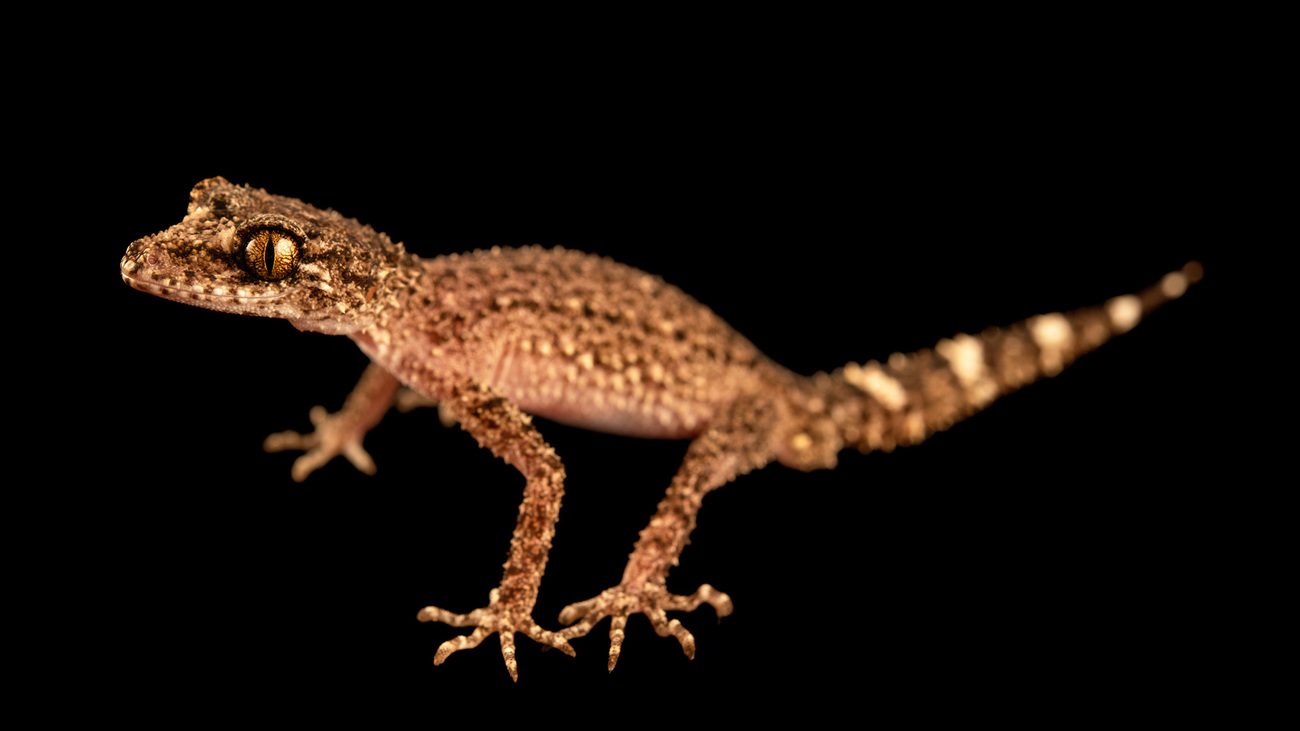
A new poll has revealed Australians are highly concerned about wildlife trafficking, but there are major knowledge gaps around the scale and seriousness of the crime.
The YouGov poll, conducted for IFAW and the Wildlife Crime Research Hub at Adelaide University revealed 86% of Australians are concerned about illegal wildlife trafficking but 64% claim they know little about this serious crime. The survey found 22% of respondents had not heard anything about this crime at all.
Globally, wildlife trafficking is a major type of organised crime, along with drug trafficking, the arms trade and human trafficking. Profits from wildlife trafficking can fuel these other types of crime. However, one in two Australians have no knowledge of the links between illegal wildlife trafficking and organised crime, with 41% saying they have not heard about them at all and only 8% saying they know a lot about this.
“Wildlife trafficking doesn't exist in a vacuum. The networks moving animals across borders are often the same networks moving drugs, weapons, and people,” said IFAW wildlife cybercrime program manager Christian Plowman.
“When half of Australians are unaware of those connections, it means organised crime is operating in plain sight - hiding behind a knowledge gap we can't afford to ignore.”
Groups like INTERPOL and other monitoring organisations estimate that wildlife seizures may represent only about 10% of the total illegal wildlife trade. This suggests that for every 10 interceptions, up to 90 trafficking incidents could go undetected, pointing to the enormous scale of the black market, which is worth as much as USD 20 billion each year.
“Public awareness is one of the most powerful tools available to deter wildlife trafficking. The more people understand how the illegal wildlife trade operates, the better equipped we are as a society to prevent it,” Wildlife Crime Research Hub program manager Katie Smith said.
The polling also revealed that one in two Australians believe Australian Border Force should have the greatest responsibility for preventing the illegal trafficking of Australian animals. This is ahead of the federal government (19%), law enforcement agencies (9%), the Wildlife Crime Research Hub (9%), and state and territory governments (3%).
Preventing animal suffering and cruelty is the leading reason Australians believe wildlife should be protected from illegal trafficking, with 27% ranking it as their top priority. Protecting endangered species from extinction and preserving Australia’s unique wildlife and natural heritage followed closely, with 19% ranking each as their top reason.
“Australians care deeply about wildlife, but concern alone won’t stop trafficking. Closing the knowledge gap and stepping up enforcement will be key to tackling this crime and safeguarding our unique species,” IFAW Oceania program officer Neree Pateman said.
Wildlife Crime Research Hub director Phill Cassey added: “It is encouraging to see that Australians care deeply about wildlife, but the findings also highlight a significant gap between concern and understanding. Many people recognise wildlife trafficking as a problem without realising how extensive and organised it has become.”
The findings underscore the need for greater education, stronger enforcement, and coordinated action to combat wildlife trafficking and protect Australia’s unique species.
ENDS
Notes:
Press contact:
Dominica Mack
dmack@ifaw.org
0460 432 901
Katie Smith
katie.smith@adelaide.edu.au
0401727873
About IFAW (International Fund for Animal Welfare) - IFAW is a global non-profit helping animals and people thrive together. We are experts and everyday people, working across seas, oceans and in more than 40 countries around the world. We rescue, rehabilitate and release animals, and we restore and protect their natural habitats. See how at ifaw.org
IFAW acknowledges the Traditional Custodians of country and their connection to land, waters and culture. We pay our respects to their Elders, past and present.
About the Wildlife Crime Research Hub - Our pioneering research hub at Adelaide University provides vital research support and training to strengthen enforcement and compliance efforts, while also advancing education and public awareness. We are adopting cutting-edge technologies, shaping regulatory and legal frameworks, and translating our findings into practical tools and resources. The Wildlife Crime Research Hub is bolstering Australia’s environmental security and helping to establish a globally exportable wildlife crime technology sector. Website: www.wildlifecrimeresearchhub.org
We respectfully acknowledge the Kaurna, Boandik and Barngarla First Nations Peoples and their Elders past and present, who are the First Nations' Traditional Owners of the lands that are now home to our combined campuses located in Adelaide, Waite, Roseworthy, Mount Gambier and Whyalla.
Our work can’t get done without you. Please give what you can to help animals thrive.
Unfortunately, the browser you use is outdated and does not allow you to display the site correctly. Please install any of the modern browsers, for example:
Google Chrome Firefox Safari