Blog
How education is shaping the future of conservation in Amboseli
Read moreWhy connected ‘megaparks’ matter for elephant conservation in Africa
By Peter Borchert, contributing writer
Elephant herds do not recognise human-imposed boundaries. When free to move, they follow rain, water and food along ancient pathways, crossing landscapes that can stretch for hundreds of kilometres. For millennia, Africa’s elephants moved this way, shaping and sustaining the ecosystems around them. Today, much of that freedom has disappeared. Roads, farms, fences, and political borders have divided once-continuous habitats into isolated fragments. Many elephant populations are now confined to parks that are too small and too disconnected to support them in the long term. As a result, a new conservation idea is gaining ground. Not bigger parks, but connected ones—vast, linked landscapes known as “megaparks”.
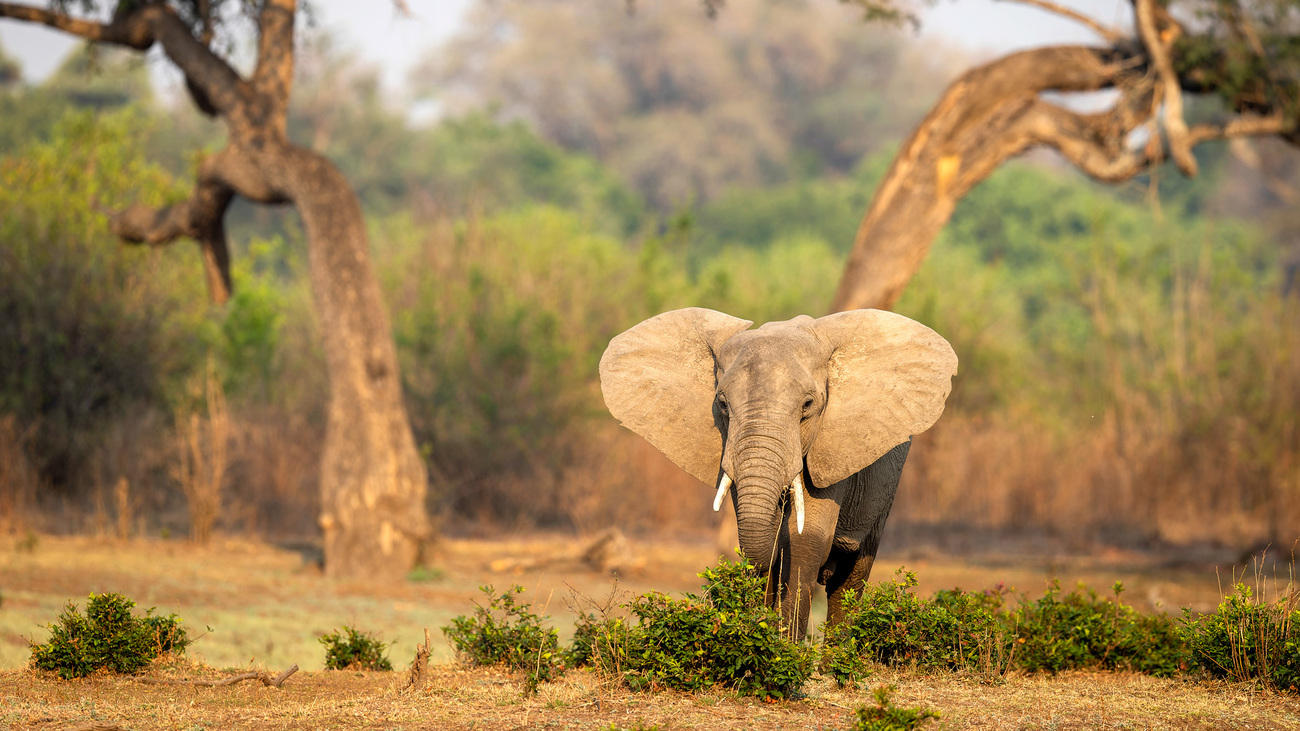
This shift in thinking—linking wildlife habitats through corridors to form larger, connected systems—is central to IFAW’s Room to Roam initiative. Drawing on two decades of research and collaboration with local communities, the initiative focuses on creating safe passages for elephants and other wildlife across East and southern Africa. The goal is to support biodiversity, strengthen resilience to climate change, and enable people and wildlife to coexist more sustainably.
Elephants are among Africa’s most iconic animals. Around 400,000 still roam the continent’s savannahs. To a casual observer, that might sound reassuring. In reality, conserving elephants is far more complex.
Over the past century, roads, fences, farms, settlements, and political borders have broken up the vast landscapes where elephants once moved freely. What remains is a patchwork of isolated populations, many of which are confined to national parks and other relatively small conservation areas.
Previously, a “fortress conservation” model often prevailed, based on the idea that ecosystems function best when protected from human disturbance within clearly bounded reserves. While this can work in the short term, over time, isolation creates serious challenges—for both wildlife and the people who share these landscapes.
Protection rescued Africa's savanna elephants from the brink of extinction. We continue to have thriving populations in many protected areas thanks to early conservation initiatives, but only five of these have elephant populations exceeding 10,000. These I consider the strongholds for elephants.
Professor Rudi van Aarde
In the wild, elephants were never meant to stay in one place. They moved across large areas in response to rainfall, food availability, water, social pressures, and disturbance. When that movement is restricted, the consequences are significant.
Populations confined to small or disconnected parks can become overcrowded, leading to habitat degradation. Inbreeding and loss of genetic diversity may follow. These populations are also more vulnerable to disease, drought, poaching, and other shocks. Ultimately, the risk of local extinction increases.
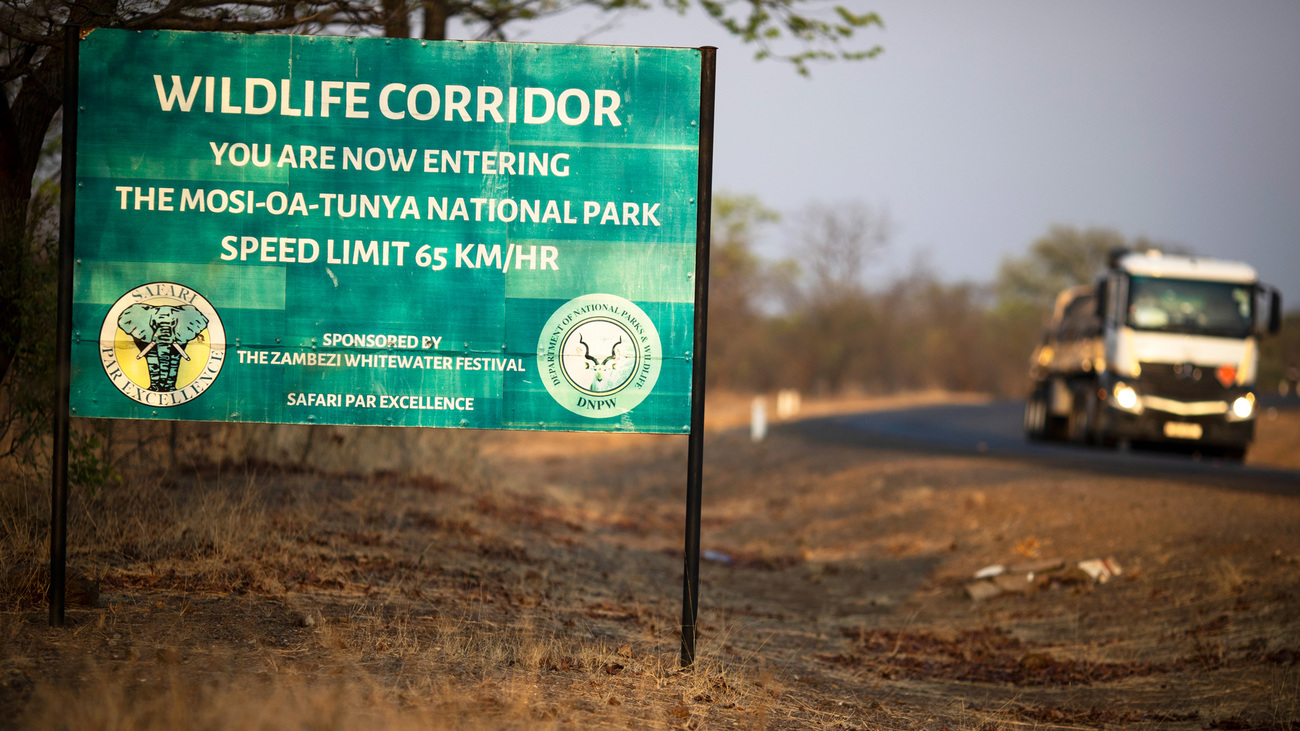
Despite this fragmentation, many of southern Africa’s elephants still occupy large, connected clusters of protected areas. These can span multiple parks, buffer zones, and even international borders. Increasingly, scientists argue that such connected landscapes—sometimes called “megaparks”—are key to elephants’ long-term survival.
A megapark is not a single fenced reserve, but rather a network of connected conservation areas. National parks and reserves form the core, linked by wildlife corridors through surrounding buffer zones and community-managed lands.
Together, these connected areas allow elephant populations to function as a single, larger system rather than as isolated groups.
In a connected landscape, elephants are able to move between different areas. Some local populations may grow, while others decline. What matters is that, despite natural fluctuations, the overall population remains stable.
One way to understand this is as a network of neighbourhoods. Some areas are especially safe and rich in food and water, acting as “source” areas where elephant numbers grow. Others are more challenging—whether due to poorer habitat or human pressure—and act as “sink” areas, where numbers would decline without new elephants arriving.
For several years, I have advocated the ‘megaparks for metapopulations’ as a conservation platform for savanna elephants. The idea has a firm ecological foundation and recognises concepts of change, spatial variation, and connectivity as underpinning conservation management plans. This replaces the agricultural mindset that dominated elephant management across southern Africa during the 1960s and for the next 30 years.
Professor Rudi van Aarde
If elephants can move between these areas, populations in stronger regions can replenish those in weaker ones. Given enough time and opportunity, areas that have lost elephants can also be recolonised. The result is a more stable and resilient population across the entire landscape.
In southern Africa, researchers have identified nine major elephant conservation clusters that function in this way. Together, they cover nearly 276,000 square miles and support about 300,000 elephants—roughly 90% of the subcontinent’s population.
These include well-known conservation areas such as Kruger National Park, Chobe National Park, Hwange National Park, and Gonarezhou National Park.
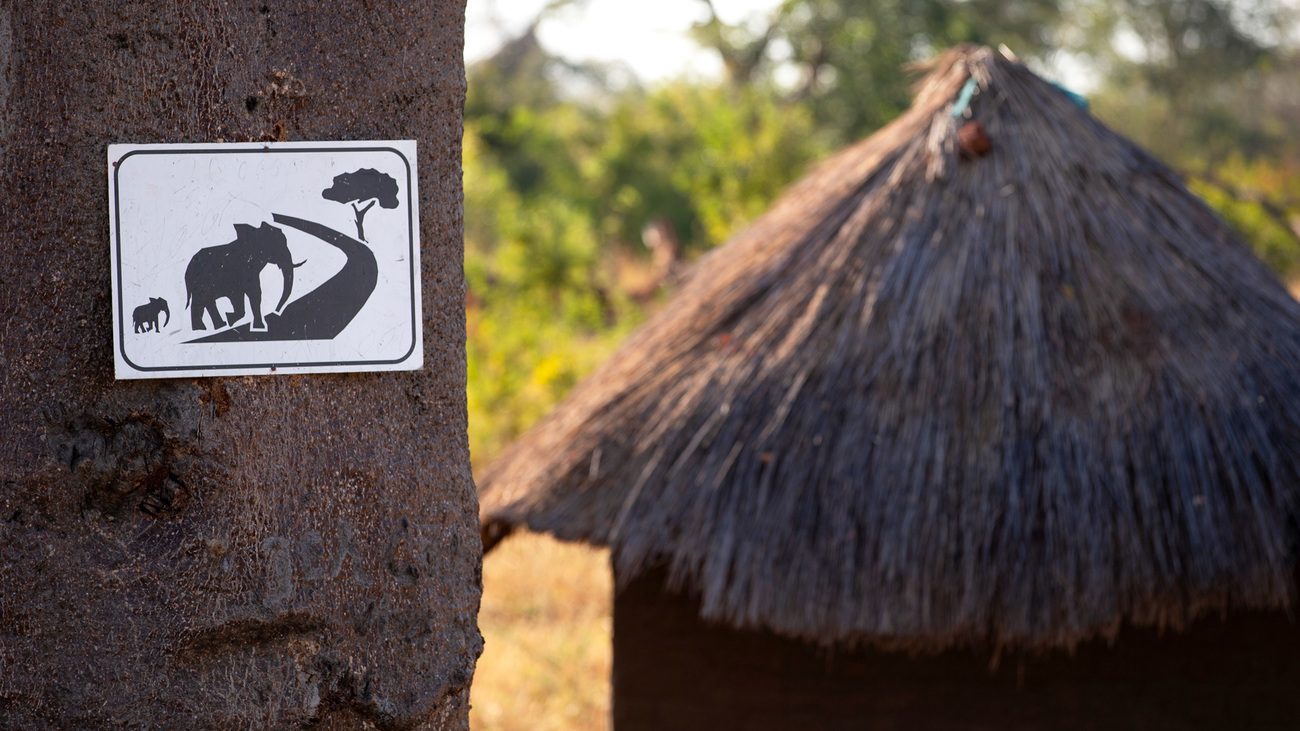
Research using satellite tracking and long-term census data shows that elephants are already moving between many of these areas. Population trends differ locally, but across the wider landscape, they remain relatively stable. This suggests that connected populations function as a single system—a “metapopulation”—rather than as isolated units.
Connectivity does more than stabilise numbers. It also improves the health and resilience of elephant populations. Movement between groups reduces inbreeding and helps maintain genetic diversity, while preventing local overcrowding and the habitat damage that can follow.
Connectivity is more than just moving animals or plants from one patch to another. It is about facilitating natural movement, in other words, enabling dispersal. Connectivity is a priority for elephants and ecosystems in general.
Professor Rudi van Aarde
When conditions deteriorate—because of drought, fire or human activity—elephants can move elsewhere. Over time, they can also return to areas where they have disappeared, provided conditions improve. In short, connected landscapes allow elephants to adapt to change rather than be trapped by it.
Maintaining corridors between conservation areas is essential, but it does not guarantee success. Elephants will only use these routes if they are safe and comfortable. Corridors must be relatively free of disturbance, provide access to water, food, and shelter, and allow animals to move without excessive risk. Even then, ongoing monitoring and active management are needed.
Connectivity creates the possibility of a functioning system, but it does not automatically produce one.
There is also a critical human dimension. Increased elephant movement is not always welcome.
Communities living near conservation areas often bear real costs, including crop damage, property destruction, competition for water and, in some cases, injury or loss of life. It is therefore understandable that proposals to expand connected landscapes can meet resistance.
For connectivity-based conservation to succeed, local communities must see tangible benefits. These may include fair sharing of tourism revenue, compensation for damage, employment opportunities, and support for community-led natural resource management. Strong measures to reduce human–elephant conflict are essential. Without local support, even well-designed conservation strategies are unlikely to endure.
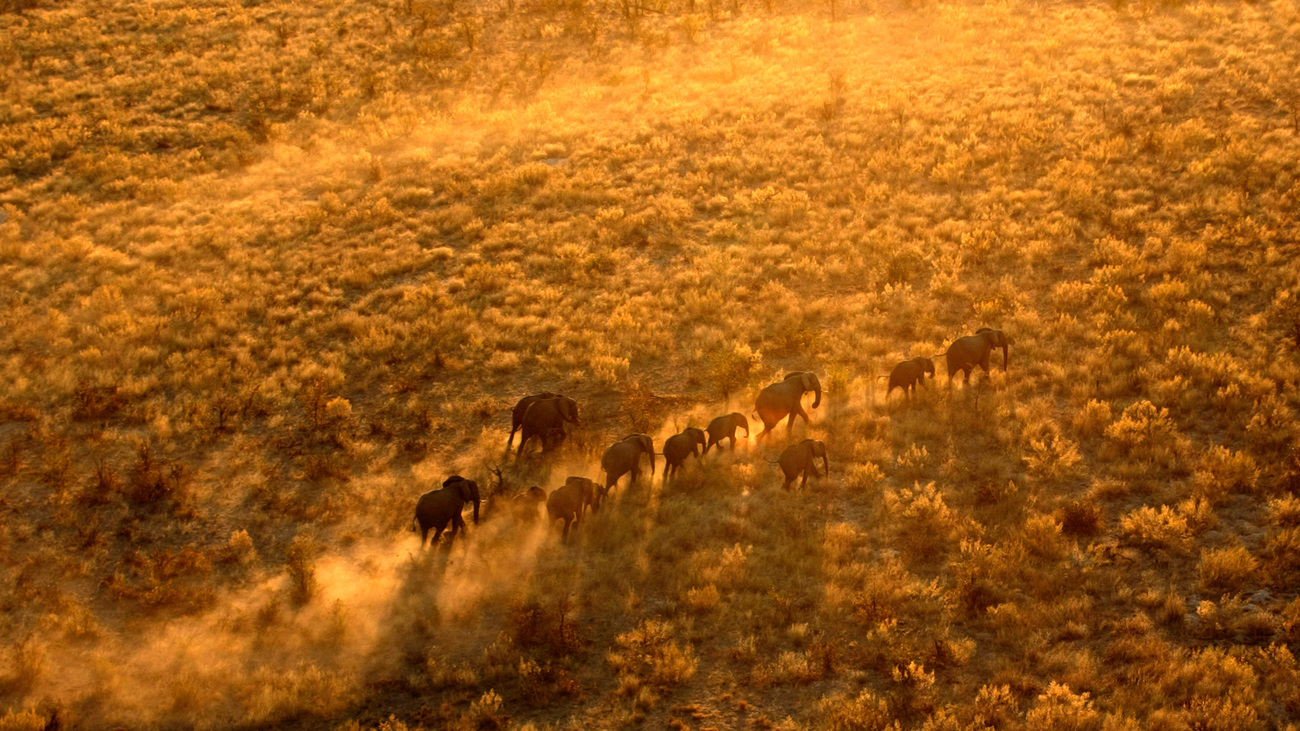
Connectivity plays a significant role in megaparks, but it is not a cure-all.
It cannot, on its own, solve problems such as poaching, wildlife trafficking, weak governance, political instability, or large-scale habitat loss. In some cases, it could even increase risk—for example, if elephants move into areas where these threats are severe. For connectivity to work, the broader landscape must be sufficiently secure.
… the maintenance of elephant populations, small or large, should be the ultimate goal of all conservation incentives. Connectivity is the logic and ultimate goal ahead. In Africa, large, protected areas tend to have large elephant populations. These populations are generally stable, especially where elephants are free to disperse. Connectivity makes sense. Let elephants roam.
Professor Rudi van Aarde
Southern Africa is home to the world’s largest remaining population of savannah elephants. This is no accident. It reflects more than a century of conservation effort, including protected area expansion, anti-poaching initiatives, water provision, and cross-border cooperation.
The challenge now is to build on that foundation by strengthening and expanding connections between these areas. In many regions, this work is already underway.
Megaparks offer a way to move beyond isolated, self-contained reserves towards a more flexible, landscape-scale approach—one that supports both ecological resilience and human needs.
Instead of asking how many elephants a single park can hold, conservationists are beginning to ask a different question: how can elephants be managed across entire landscapes so that populations remain stable on their own?
That is a significant shift—and a necessary one.
Author’s note
This article draws primarily on the research of the late Professor Rudi van Aarde and colleagues at the Conservation Ecology Research Unit (CERU) at the University of Pretoria, presented in Let Elephants Roam. IFAW has supported this body of work, which underpins its Room to Roam initiative—an ambitious, landscape-scale vision for Africa’s remaining savannah elephants and the communities with whom they share the land.
Our work can’t get done without you. Please give what you can to help animals thrive.
Unfortunately, the browser you use is outdated and does not allow you to display the site correctly. Please install any of the modern browsers, for example:
Google Chrome Firefox Safari