Blog
Preparing Mexico’s animal rescuers for the next disaster
Read moreRenewed flooding in Nepal leaves communities and animals facing further challenges
Just two months after devastating floods struck Nepal, communities still struggling to recover are facing another emergency. Heavy rainfall has triggered further flooding, with a major river overflowing its banks and damaging homes and bridges. More than 200 homes have been damaged and over 650 people affected by the latest floods.
In some of the hardest-hit areas, damaged roads and bridges continue to cut communities off from essential supplies and services. Poor weather has also disrupted helicopter access, sometimes preventing flights for days at a time.
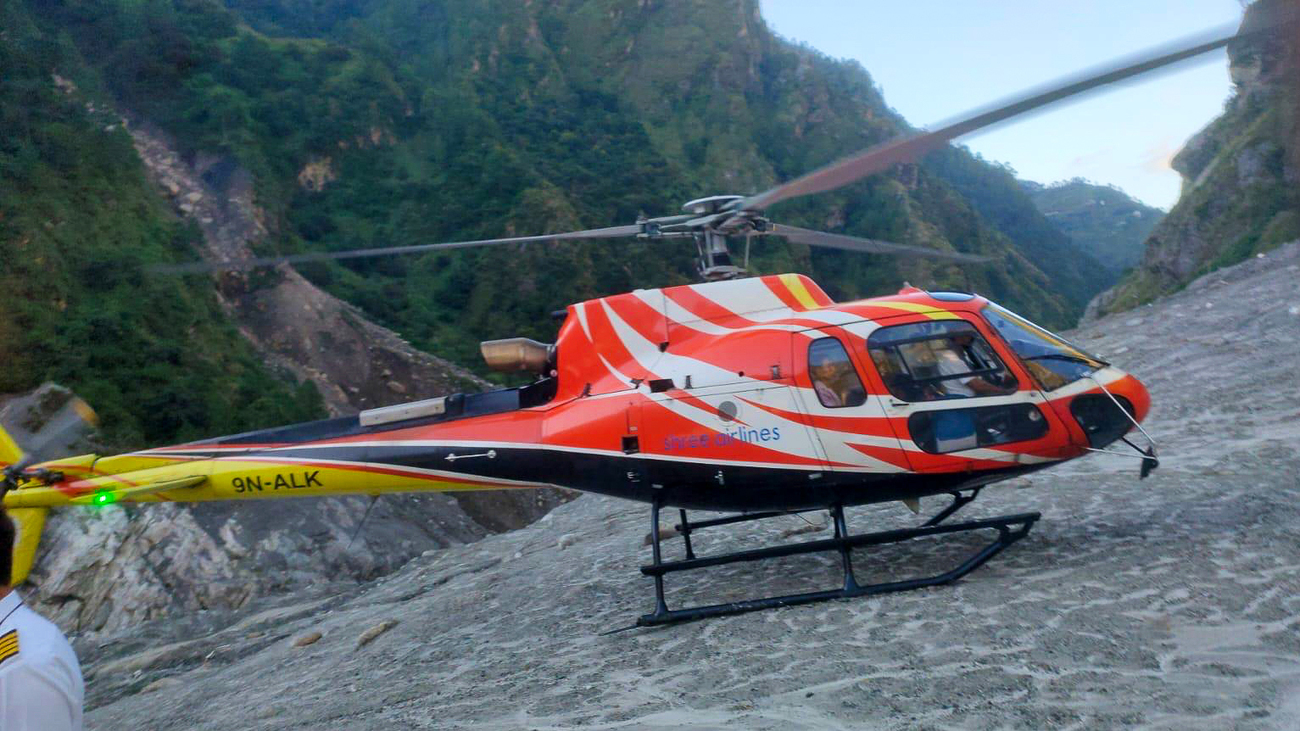
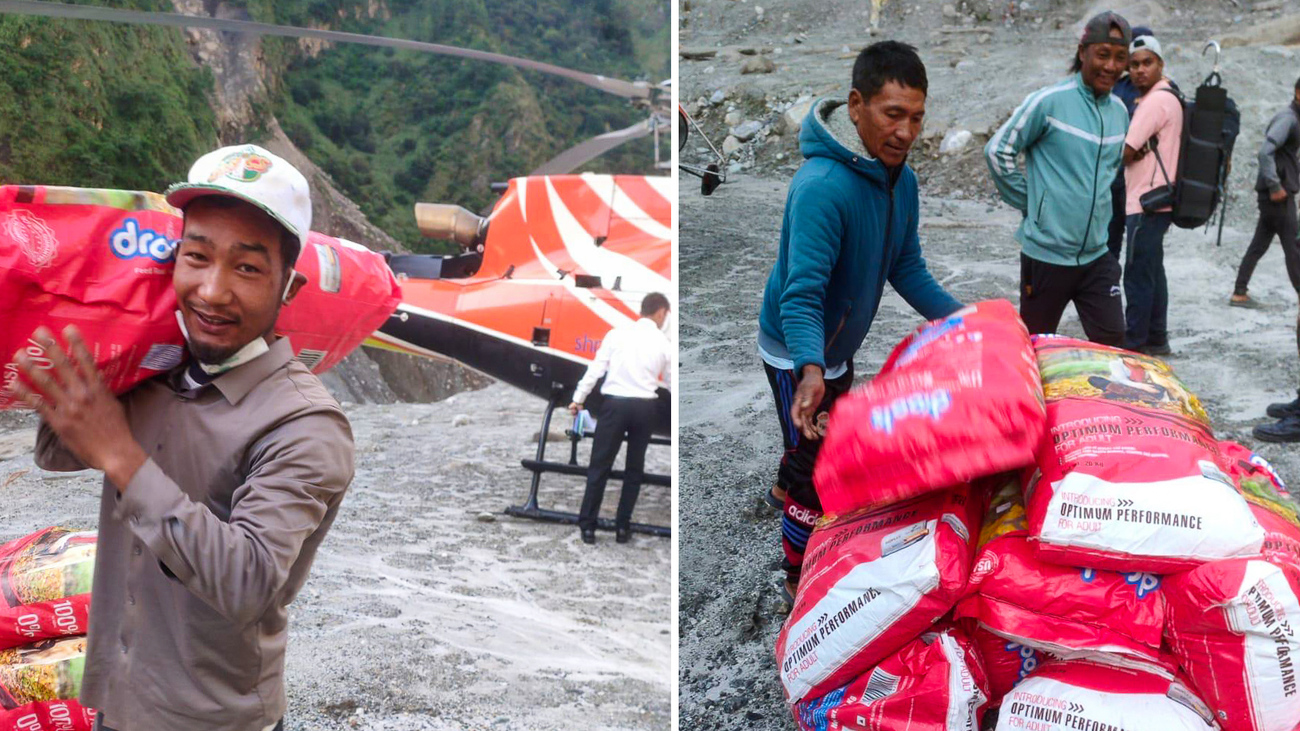
IFAW remains in close contact with our local partners, including Temple Dog Rescue and the Nepal Animal Welfare and Environment Society (NAWES), as they work to reach animals in isolated communities. Together, we are coordinating efforts to deliver dog and cat food to Syafrubesi and Timure, where helicopter transport is currently the only way to bring in supplies. These deliveries are still being arranged, with access dependent on weather conditions.
The challenges extend well beyond the immediate flooding. Families in remote communities are unable to transport agricultural products to markets in Kathmandu, threatening livelihoods already affected by the earlier disaster. As temperatures begin to fall, safe shelter is becoming increasingly important for people and animals alike.
The government is moving forward with temporary housing for families whose homes were swept away. NAWES is advocating for suitable animal shelter to be included in these plans, helping ensure animals are not overlooked as communities begin the long process of recovery.
IFAW continues to work alongside our partners to support animals affected by the floods, while helping strengthen locally led preparedness and resilience for future emergencies.
15 September 2026
As communities in Nepal continue to recover from catastrophic flooding, animal responders are working to reach areas that remain isolated and provide urgently needed care to animals that survived the disaster.
IFAW partner Sneha’s Care has completed an initial rapid assessment in flood-affected communities, providing food and veterinary treatment to animals where possible. The team then returned to Kathmandu to meet with government authorities and other responders to coordinate the next phase of the response.
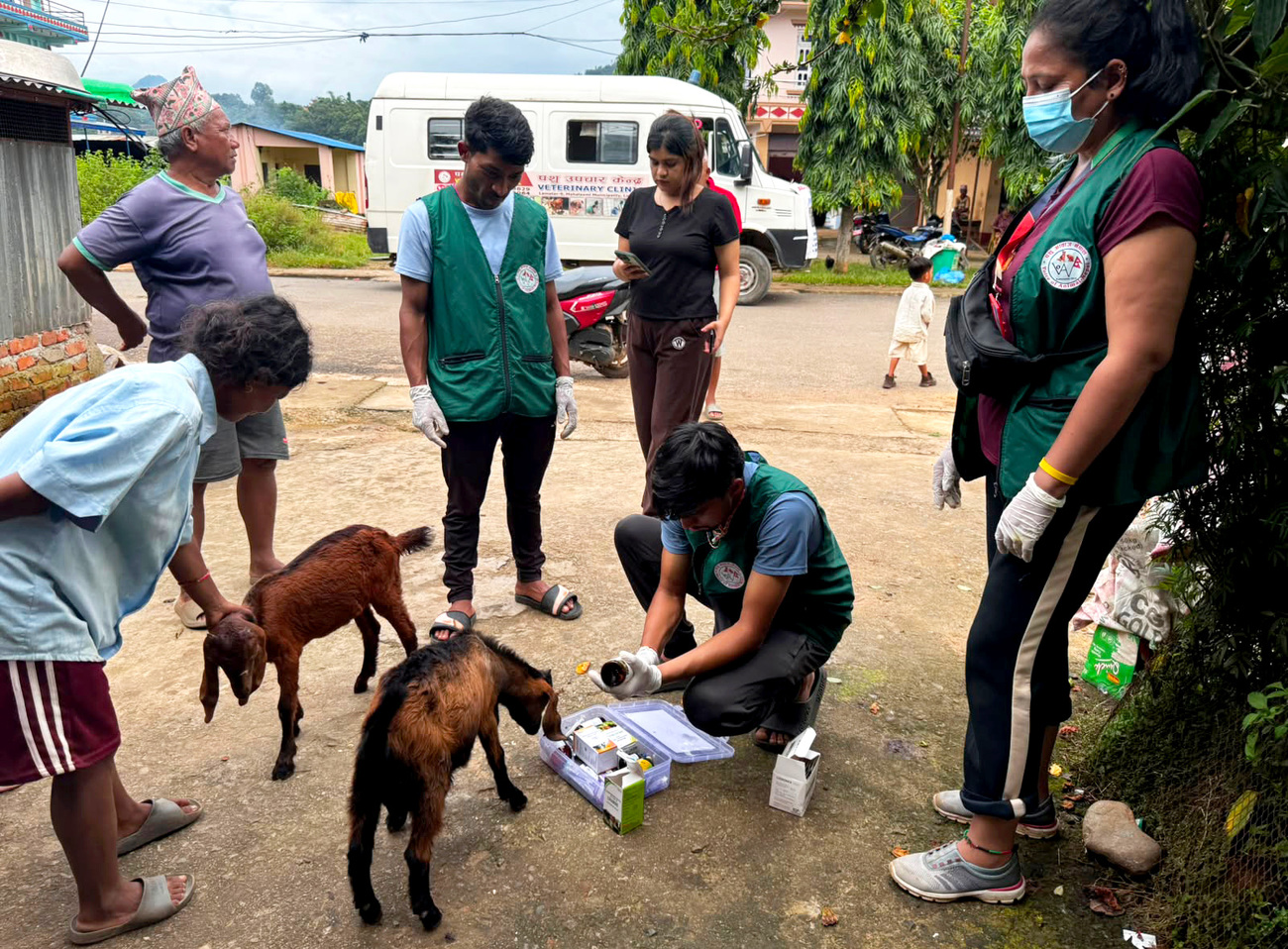
In areas that can be reached by road, local animal welfare organisations are treating farm and community animals, some of which were pulled from the mud by their owners following the floods. Teams are providing veterinary care including fluids, medication, and other supportive treatment, as well as supplemental food.
For families who have lost loved ones, homes, and livelihoods, caring for surviving animals can add another challenge during an already overwhelming time. Helping those animals recover can also help families protect an important part of their lives and livelihoods as they begin the long process of recovery.
Access remains one of the greatest challenges. Roads have been destroyed and many communities remain cut off, making it difficult for responders to understand the full extent of animal needs or deliver supplies.
IFAW is also working with Temple Dog Rescue to explore getting animal food to villages now cut off from main roads. While some pockets of homes escaped the floodwaters, they remain isolated without reliable access to supplies. Animals displaced from surrounding flood-affected areas are also making their way into these communities, adding to the need for food and care.
Local responders are also working through veterinary offices to get supplies to animals in isolated communities. IFAW and partners are exploring opportunities to include animal supplies within humanitarian relief deliveries, which in some areas are still being transported by air because road access has been lost.
As needs become clearer, IFAW is expanding support for Nepalese organisations responding across affected communities.
In addition to our work with Sneha’s Care, IFAW has awarded emergency support to the Nepal Animal Welfare and Environment Society (NAWES), which is working to ensure animals are considered within government and humanitarian relief efforts.
IFAW is also working with Voice of Animal Nepal (VOAN), which joined Sneha’s Care during the initial assessment and is preparing for continued response efforts focused on providing food and veterinary treatment to animals in affected areas. We are also in contact with Animal Nepal, whose team is currently assessing needs in the field.
VOAN’s field assessments show just how difficult conditions remain. Many surviving animals have been moved to safer areas, but with proper shelters unavailable, some are being housed beneath temporary tarpaulins. In places, floodwaters and mudslides have buried agricultural land beneath metres of sand, mud, and stones, leaving farm animals with little or no grass to eat.
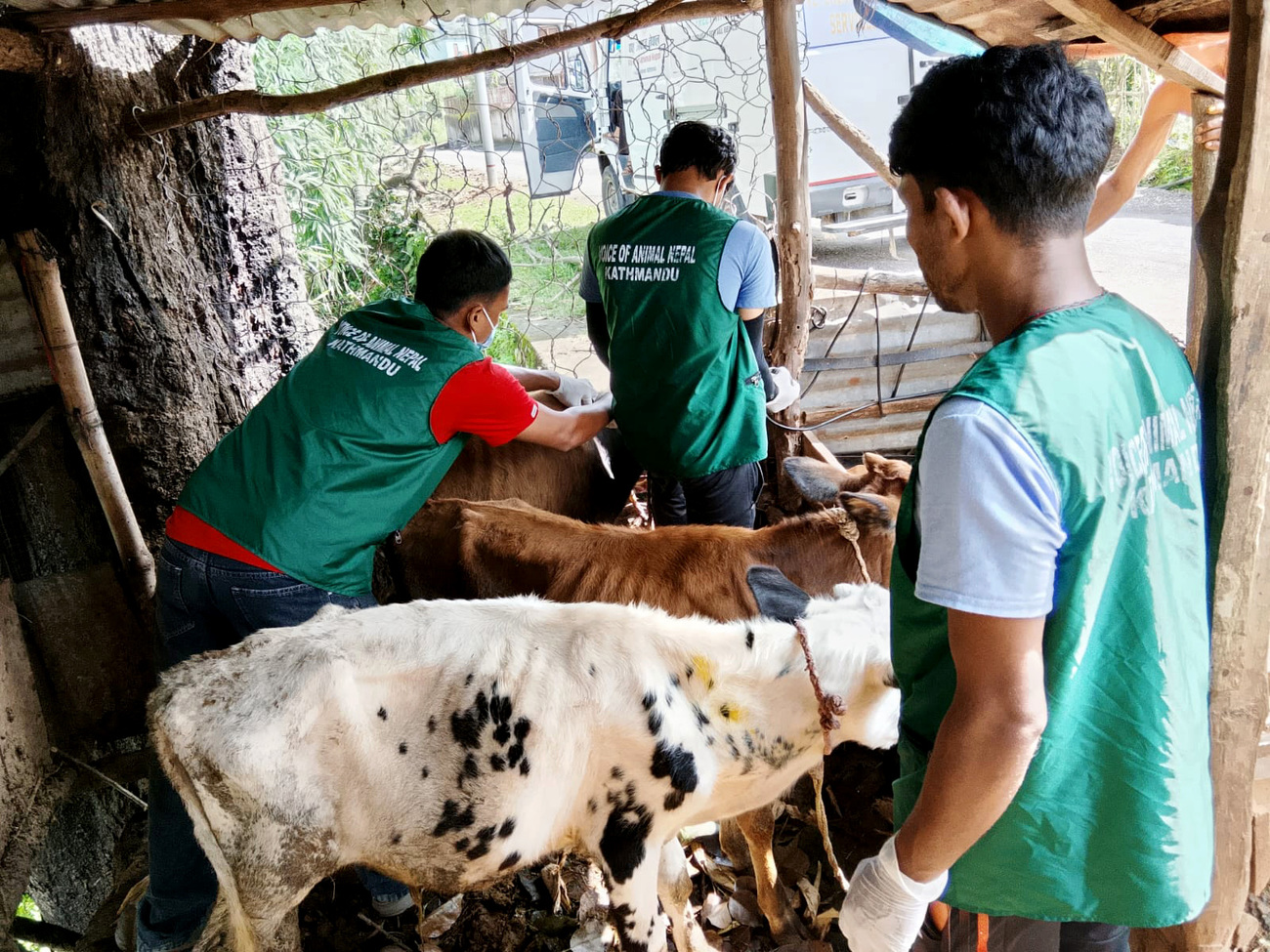
Families are doing what they can to provide surviving animals with food, water, and shelter while coping with devastating losses of their own. Animals separated from their owners or left without someone to care for them face even greater risks. Responders say the immediate priorities are nutritious food, clean water, veterinary treatment, safe temporary shelter, and continued monitoring.
Together, these locally led organisations are helping build a clearer picture of animal needs across a disaster where access, geography, and the scale of destruction make any single organisation's response especially challenging.
Animal needs are not yet routinely integrated into disaster planning in Nepal, and many authorities and humanitarian responders have limited experience addressing animals during emergencies. IFAW support is helping local partners work to close that gap.
Through NAWES’s engagement, the Nepal Red Cross is now aware of assessing animal needs as part of its outreach to affected communities, creating the potential for animal food and other assistance to be incorporated into future relief deliveries.
Efforts are also underway to incorporate animal welfare questions into the official post-disaster needs assessment. If successful, this could help ensure the needs of animals and the people who depend on them are better understood as Nepal plans for longer-term recovery.
IFAW remains in close contact with partners across Nepal as access improves and needs evolve. The response is also putting preparedness work already underway in Nepal into practice, strengthening coordination among animal protection organisations, government authorities, and humanitarian responders.
Recovery is expected to take time. As a clearer picture emerges, IFAW will continue working with local partners to determine where support can make the greatest difference for animals and the people who care for and depend on them.
27 August 2026
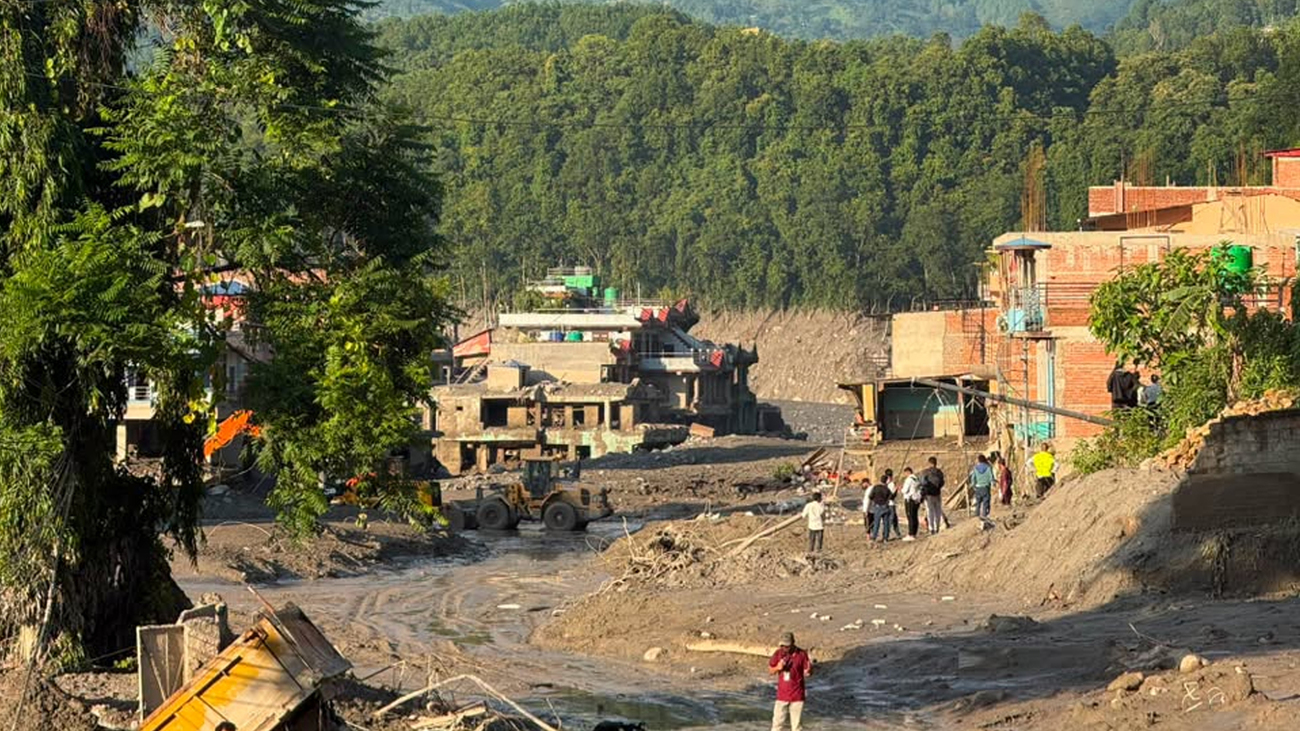
A catastrophic flash flood has swept through communities along the Nepal–China border, leaving widespread destruction and an escalating humanitarian crisis. The disaster has affected areas on both sides of the border, while in Nepal, at least 160 people have been reported killed, hundreds remain missing, and the full scale of the disaster is still emerging.
The flood has devastated settlements and critical infrastructure, destroying bridges and approximately 40 kilometers of roads and severely limiting access to some affected communities. Preliminary assessments indicate that an ice-and-rock avalanche high in the Himalayas may have triggered the catastrophic flooding, though scientists and authorities continue to investigate the exact cause.
The impact on animals is not yet known. With entire settlements affected and access severely constrained, determining how many community animals—including pets, farm animals, and others—may be injured, displaced, stranded, or without access to food and care will take time.
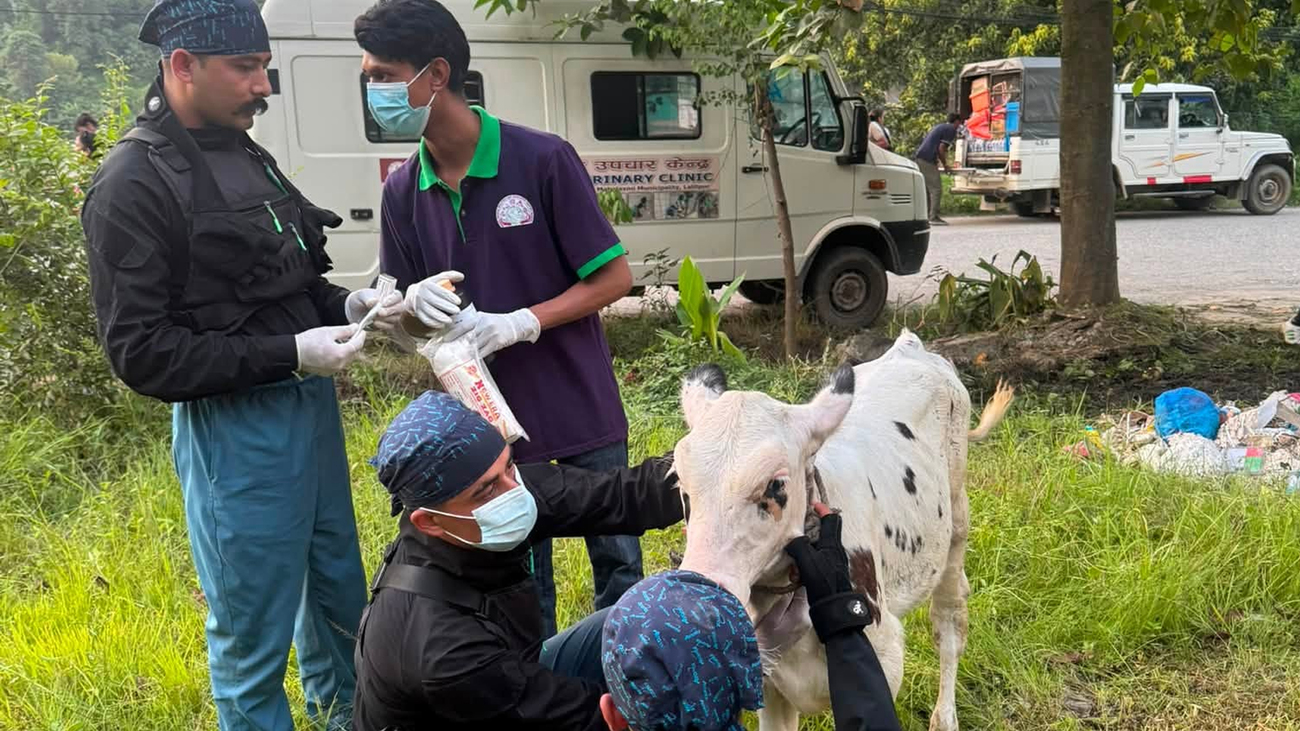
IFAW is providing emergency funding to Nepalese partner Sneha’s Care to support an immediate field assessment of animal needs in affected communities.
Sneha’s Care is gathering field supplies and preparing to deploy an assessment team alongside other Nepalese animal protection organisations. Working with government authorities, teams will coordinate across affected areas, beginning in Nuwakot, to identify animals in need and determine where rescue and relief assistance may be required. Urgent care will be provided to animals in critical condition as part of this first phase of response.
Reaching affected communities remains a major challenge. Roads and bridges have been swept away, while muddy floodwaters carrying debris and potentially hazardous materials are creating dangerous conditions for rescue. Aerial assessments are underway as authorities and responders work to understand the extent of the destruction.
IFAW will remain in close contact with Sneha’s Care and other local teams as the situation develops and is preparing for the possibility that additional support may be needed.
The emergency comes as IFAW and partners have been working to strengthen disaster resilience for animals in Nepal.
Following an IFAW risk assessment and mapping project completed in 2025, we began a Nepal resilience project focused on building local capacity among animal protection organisations and government authorities. In July 2026, IFAW brought invited organisations and authorities together for a webinar focused on strengthening disaster resilience for animals in Nepal.
Those relationships and preparedness efforts are now helping inform the response. IFAW is supporting remote assessments through established contacts in affected areas, while our team in China is gathering information from local and regional sources and contacts to help build a clearer cross-border picture of the disaster and emerging animal needs.
IFAW has also notified its global network of animal disaster responders so additional expertise can be mobilised as needed.
This is not the first time IFAW has responded alongside partners in Nepal. Following the catastrophic earthquakes of 2015, IFAW response teams worked with local organisations over six weeks to assist animals and communities. More recently, IFAW has provided emergency support to Sneha’s Care during crises affecting community animals and the people who care for them.
Long-standing relationships and locally led capacity are especially important during disasters of this scale. Local organisations understand their communities, know the landscape, and can coordinate with authorities and other responders as needs emerge.
As access improves and the scale of the disaster becomes clearer, IFAW, Sneha’s Care, and other local teams will continue assessing what animals and communities need and how best to support the response.
Our work can’t get done without you. Please give what you can to help animals thrive.
Unfortunately, the browser you use is outdated and does not allow you to display the site correctly. Please install any of the modern browsers, for example:
Google Chrome Firefox Safari