Blog
Seeing conservation through a woman’s eyes
Read moreThe illegal bushmeat trade threatening East Africa’s wildlife
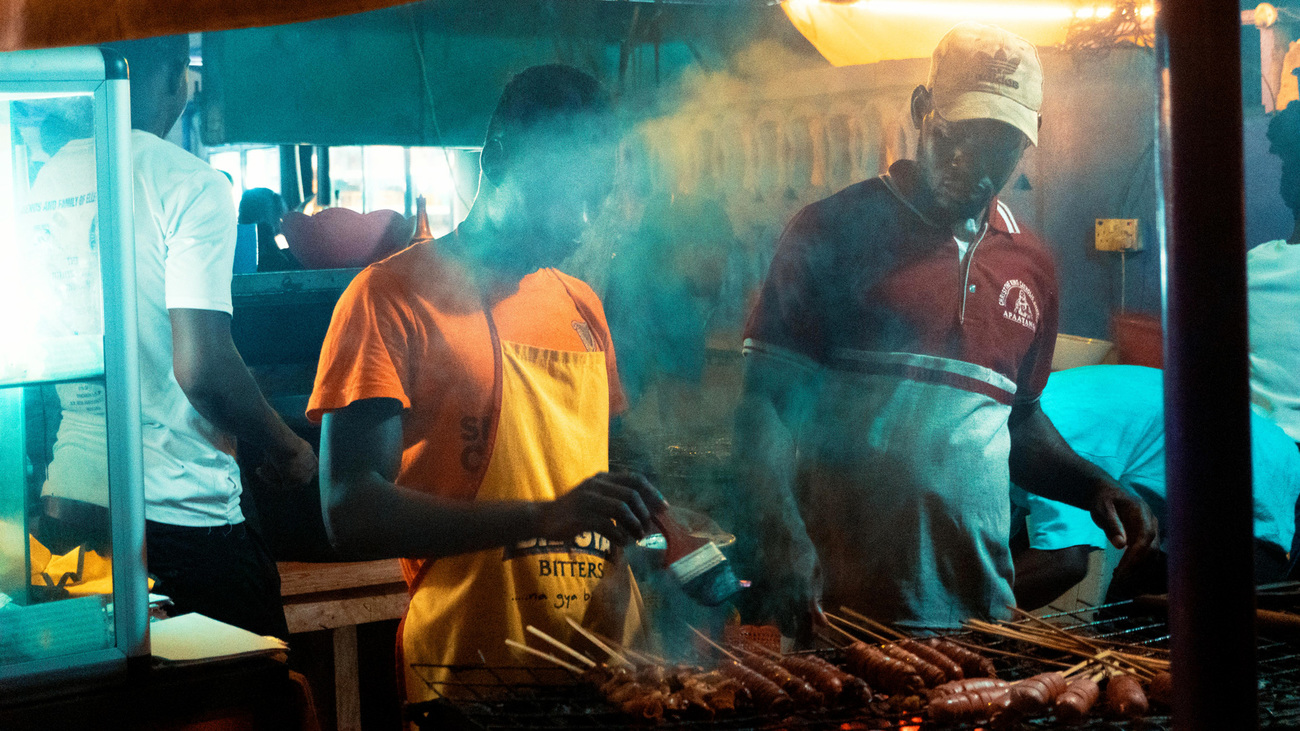
Smoke curls from roadside barbecue stalls outside Nairobi as customers crowd around plates of sizzling nyama choma. To many diners, the meat looks like ordinary grilled beef or goat. But Kenyan wildlife authorities warn that some of the meat sold in informal markets increasingly comes from giraffes, zebras, antelopes, and other wild animals illegally poached from protected areas hundreds of kilometres away.
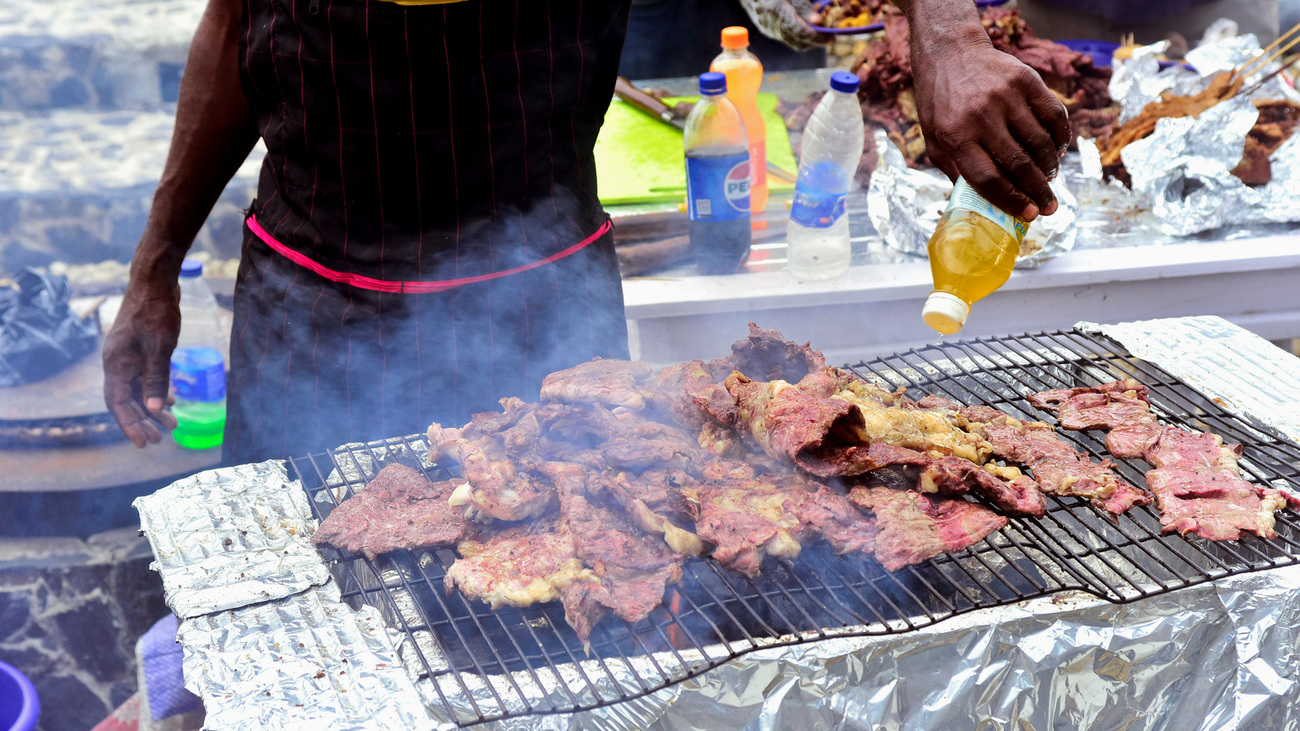
Conservationists say the illegal bushmeat trade is rapidly evolving into one of East Africa’s most urgent wildlife, public health, and security threats, fueled by organized trafficking networks and growing urban demand for wild game meat. Earlier this year, Kenya Wildlife Service (KWS) officers arrested four suspects after seizing about two tonnes of suspected zebra meat in Nairobi, one of the country’s largest reported bushmeat seizures in recent years. Weeks later, six suspects were arrested in Garissa County after officers intercepted a vehicle carrying suspected giraffe meat, a giraffe head, and an AK-47 rifle in what investigators described as an intelligence-led operation targeting an armed poaching syndicate.
In another operation, wildlife officers intercepted motorbikes ferrying bushmeat through the Tsavo conservation landscape, a vast ecosystem stretching toward the Tanzanian border. Within two months, KWS said seven suspects were arrested and nearly 300 kilograms of bushmeat seized across multiple wildlife corridors and ranchlands. Professor Erustus Kanga, director general of KWS, said the illegal trade is no longer only a conservation issue.
“We are witnessing a new and deeply troubling form of poaching driven by the illegal bushmeat trade,” Kanga said. “This is no longer just a conservation issue. It is now a major public health concern involving organized criminal networks responding to local and regional demand.”
For decades, bushmeat hunting in parts of Africa was largely associated with subsistence use among rural communities facing food insecurity. Conservationists say the trade has increasingly shifted into a commercial enterprise supplying urban consumers, informal meat markets, and restaurants. According to estimates cited by conservation groups, millions of tonnes of bushmeat are consumed annually across East and Central Africa, with vast quantities entering urban markets each year.
“We’ve seen a diversion from home consumption to commercial trade,” said Moses Olinga, Uganda programme manager for IFAW. “Originally, we thought the bushmeat trade was basically for subsistence consumption. But now it has moved away from subsistence-related poaching to commercial poaching.”
Olinga said traffickers increasingly rely on organized supply chains stretching from protected wildlife areas into major cities. “You find there is a kingpin who hires people to go and kill a hippo,” he said. “He hires people to carry the meat, pays them off, hires motorcycles and vehicles to transport it, and then sells the meat for profit.”
Wildlife experts warn that species once rarely targeted for meat are now increasingly under pressure, particularly giraffes, zebras, and large antelopes. Samuel Mutua, senior programme officer for wildlife crime at IFAW, said giraffe poaching has become increasingly common along the Kenya-Tanzania border.
“In Kenya, we never used to hear about poaching of giraffes,” Mutua said. “But it is now a common phenomenon around Amboseli and the Kenya-Tanzania border.”
“When they hunt giraffes, they don’t leave other wild animals,” he added. “You also find them carrying impalas and other species.”
Kanga said giraffe populations in parts of northern Kenya have already been severely affected by the illegal trade.
Dickson Kaelo, chief executive of the Kenya Wildlife Conservancies Association, said poverty and insecurity continue to drive poaching in remote conservation landscapes where communities often lack economic alternatives.
“In northern Kenya, reticulated giraffes increasingly move through insecure areas where illegal firearms are widespread and cross-border bushmeat markets thrive,” Kaelo said. “The sad reality is that people protecting wildlife often earn far less than those exploiting it.”
Beyond threatening wildlife populations, conservationists warn the trade also poses serious public health risks because bushmeat bypasses veterinary inspections and food safety systems. Authorities fear illegally slaughtered wildlife meat is increasingly entering schools, restaurants, and ordinary food supply chains. Bushmeat has long been associated with zoonotic disease risks, including anthrax, Ebola, and other infections transmitted between animals and humans through handling or consumption of contaminated meat.
“These illegal operators deliberately blend bushmeat with inspected meat in order to infiltrate the supply chain,” Kanga said. “Most of this meat is handled and processed in unhygienic conditions, directly exposing consumers to dangerous zoonotic infections.”
Conservationists also warn that weak enforcement and fragile justice systems continue to undermine efforts to stop wildlife trafficking. Earlier this year, two men convicted of trafficking dik-dik meat in Kenya’s Taita Taveta County later walked free on appeal after the court ruled that evidence in the case had been improperly obtained. Olinga said delays, corruption, and weak investigations often allow traffickers to evade prosecution.
“Whenever cases are delayed, suspects exploit that time to pay bribes,” he said.
For IFAW, the growing crisis reinforces the urgency of its Room to Roam initiative, which seeks to reconnect wildlife landscapes across East and southern Africa while strengthening wildlife crime prevention and supporting communities living alongside wildlife. Even as forensic tools improve authorities’ ability to distinguish bushmeat from domestic meat, conservationists warn the trade continues to expand faster than enforcement efforts can contain it, driven by poverty in rural source areas and rising demand among wealthier urban consumers seeking wild game meat.
“Everything is interconnected in the wild,” Mutua said. “When demand in the city drives poaching in the rangelands, the damage does not stop with one species. It weakens entire ecosystems.” Protecting wildlife from the illegal bushmeat trade, conservationists say, will require more than arrests and enforcement alone. Long-term solutions must also include stronger protections for connected habitats, greater investment in rural communities, and sustained collaboration across borders to reduce wildlife crime before species disappear from landscapes altogether.
Every problem has a solution, every solution needs support.
The problems we face are urgent, complicated, and resistant to change. Real solutions demand creativity, hard work and involvement from people like you.
Unfortunately, the browser you use is outdated and does not allow you to display the site correctly. Please install any of the modern browsers, for example:
Google Chrome Firefox Safari