Updates
Pangolins and other wildlife reveal the wider toll of Indonesia’s fires
Read moreHow new science is changing giraffe conservation
For more than two centuries, giraffes were regarded as a single species, Giraffa camelopardalis, roaming much of sub-Saharan Africa. But advances in molecular genetics have overturned this long-held view. A decade of research has revealed that giraffe populations are far more distinct than previously believed, leading the International Union for Conservation of Nature (IUCN) to formally designate four giraffe species in 2025. A landmark decision that is reshaping giraffe conservation across Africa.
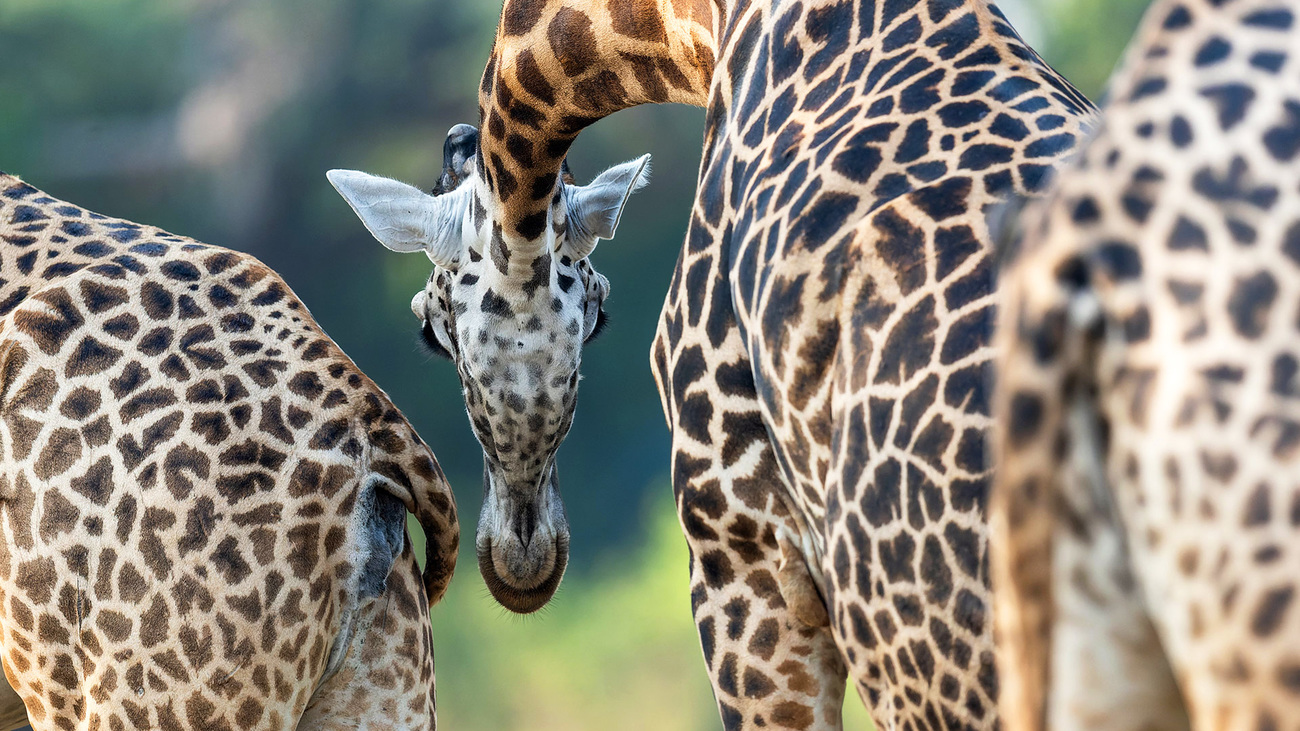
Nearly 270 years ago, Swedish naturalist Carl Linnaeus gave Africa's long-necked oddity its scientific name, Giraffa camelopardalis. The name combines the Arabic zarāfah, meaning "one who walks swiftly", with the Latin camelopardalis, which roughly translates as "a camel marked like a leopard".
Scientists later divided giraffes into nine subspecies, primarily based on geographic distribution and coat patterns. This classification was widely accepted because giraffes appeared similar across their range, and comprehensive genetic studies were not yet available to give a deeper insight. As a result, conservation assessments treated giraffes as a single species rather than as distinct regional populations.
Explore more about giraffes here.
The turning point came when researchers from the Giraffe Conservation Foundation and collaborating institutions examined nuclear and mitochondrial DNA from giraffe populations across Africa and found evidence of four distinct, unbroken evolutionary lineages. This 2016 study showed that the different giraffe populations rarely interbred, despite sometimes living relatively close to one another. This was confirmed by a follow-up study in 2018, suggesting that giraffes had evolved separately for hundreds of thousands of years and rarely interbred in the wild. This level of reproductive isolation is one of the strongest indicators that they represent separate species rather than regional varieties.
These four distinct genetic lines, or clades, have been named as follows:
Northern giraffe (Giraffa camelopardalis). The most threatened species. It survives in scattered populations across East and Central Africa, with three subspecies. Habitat loss, poaching, and political instability continue to drive its decline.
Reticulated giraffe (Giraffa reticulata). Known for its striking geometric coat pattern, this endangered species occurs mainly in northern Kenya, southern Ethiopia, and Somalia. More than 95 per cent live outside formal protected areas, underscoring the need for community-led conservation.
The conservation implications extend beyond individual species. Giraffes are wide-ranging browsers that depend on connected landscapes to access seasonal food sources, water, and breeding opportunities. As agriculture, infrastructure development, and human settlement continue to fragment habitats across Africa, maintaining ecological connectivity is becoming increasingly important for the long-term survival of many giraffe populations.
Masai giraffe (Giraffa tippelskirchi). Africa's largest giraffe species. Two subspecies are identified, found in Kenya and Tanzania. Numbers have fallen by almost half over the past few decades owing to habitat fragmentation and bushmeat hunting.
Both the reticulated and Masai giraffes are classified as endangered, read more about them and other giraffes here.
Southern giraffe (Giraffa giraffa). The conservation success story. Thanks to protected areas, translocations and effective management, populations have recovered across much of southern Africa. Found in Botswana, Namibia, South Africa, and parts of Zimbabwe, it is the most numerous and least threatened species. Two subspecies are identified.
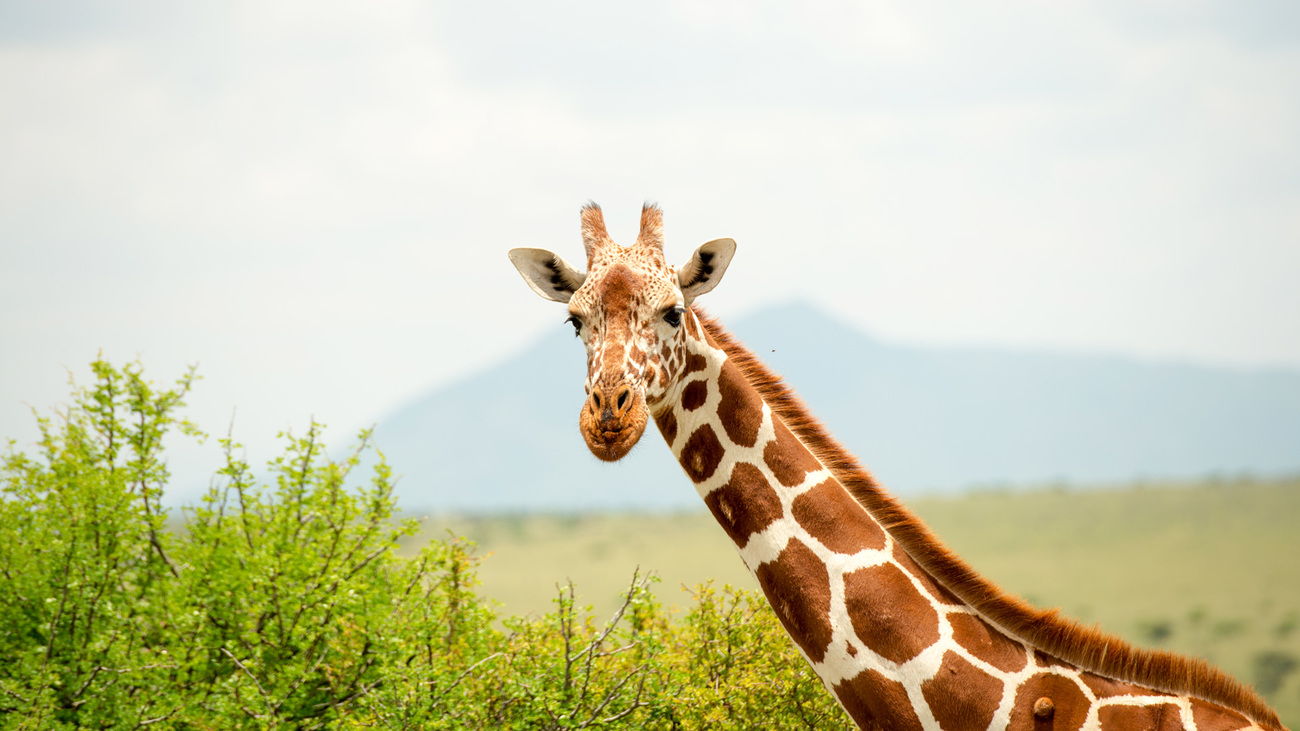
This growing understanding of giraffe diversity also aligns closely with IFAW's Room to Roam initiative, which works to secure, connect, and protect the landscapes that elephants and other wide-ranging species need to move freely across eastern and southern Africa.
While Room to Roam was developed around elephant connectivity, the same wildlife corridors support giraffes, predators, antelope, and countless other species that depend on healthy, connected ecosystems.
Though the four-species model is now formally accepted by the IUCN, some taxonomists continue to debate the precise number of giraffe species and subspecies. While future genomic research may further refine giraffe classification, there is, nevertheless, now broad scientific agreement that giraffes are considerably more diverse than previously understood and that conservation planning must reflect this diversity.
Recognising giraffes as four distinct species marks a major advance in modern mammalian taxonomy and has transformed giraffe conservation. For decades, treating all giraffes as one species created a misleading picture: healthy Southern giraffe populations masked the steep declines of Northern, Reticulated and Masai giraffes, making the species' overall conservation status appear far more secure than it was.
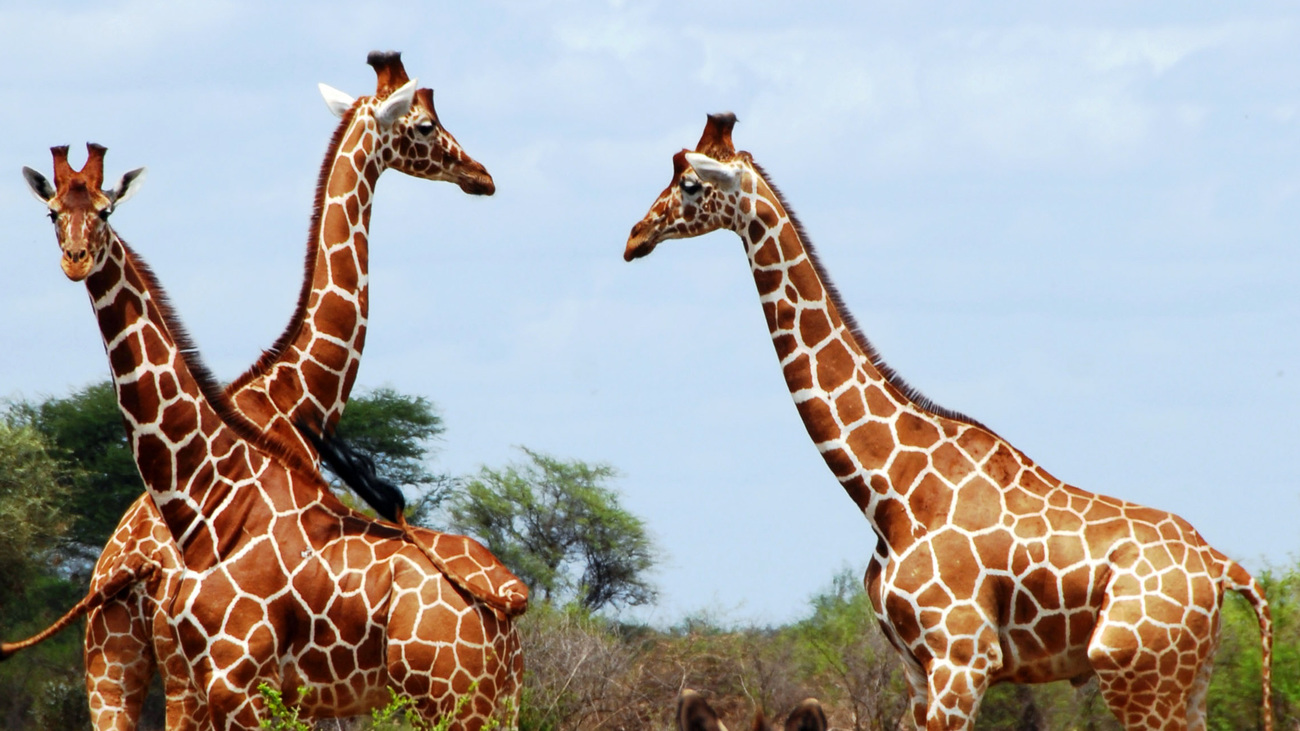
For giraffes, conservation success will depend not only on protecting populations but also on protecting movement. Some of Africa's most threatened giraffe species live largely outside protected areas and rely heavily on community lands and transboundary landscapes. Conservation strategies that maintain connectivity between habitats while supporting communities living alongside wildlife will be essential if these newly classified species are to recover and thrive.
Taxonomy is not merely about naming wildlife. In conservation, it can mean the difference between recovery and extinction; it determines how we measure biodiversity, assess extinction risk, and decide where to invest limited conservation resources. Recognising four distinct giraffe species allows scientists and governments to assess each population on its own merits, direct funding where it is needed most, and develop conservation strategies tailored to each species.
In many ways, the new giraffe taxonomy reinforces one of conservation's oldest lessons: wildlife does not recognise political borders. Protecting Africa's giraffes will require looking beyond isolated protected areas and towards landscapes that are large enough, connected enough, and resilient enough to support wildlife movement for generations to come.
Understanding what we are trying to protect is the first step towards protecting it effectively—and the clearest reminder that taxonomy matters because conservation depends on it.
Every problem has a solution, every solution needs support.
The problems we face are urgent, complicated, and resistant to change. Real solutions demand creativity, hard work and involvement from people like you.
Unfortunately, the browser you use is outdated and does not allow you to display the site correctly. Please install any of the modern browsers, for example:
Google Chrome Firefox Safari