Azzedine Downes
I have never been satisfied with just fighting the good fight. We need to actually make a difference.
We cannot wait for wildlife to reach crisis point
Last week, I had the privilege of joining conservation leaders, scientists, experts, and policymakers from across Africa and around the world for a series of meetings convened by the International Union for Conservation of Nature (IUCN) Species Survival Commission (SSC), including Africa Species Day in Nanyuki, Kenya, where we discussed some of the most pressing challenges facing Africa’s wildlife. But one question keeps coming back to me. Are we willing to stay the course?
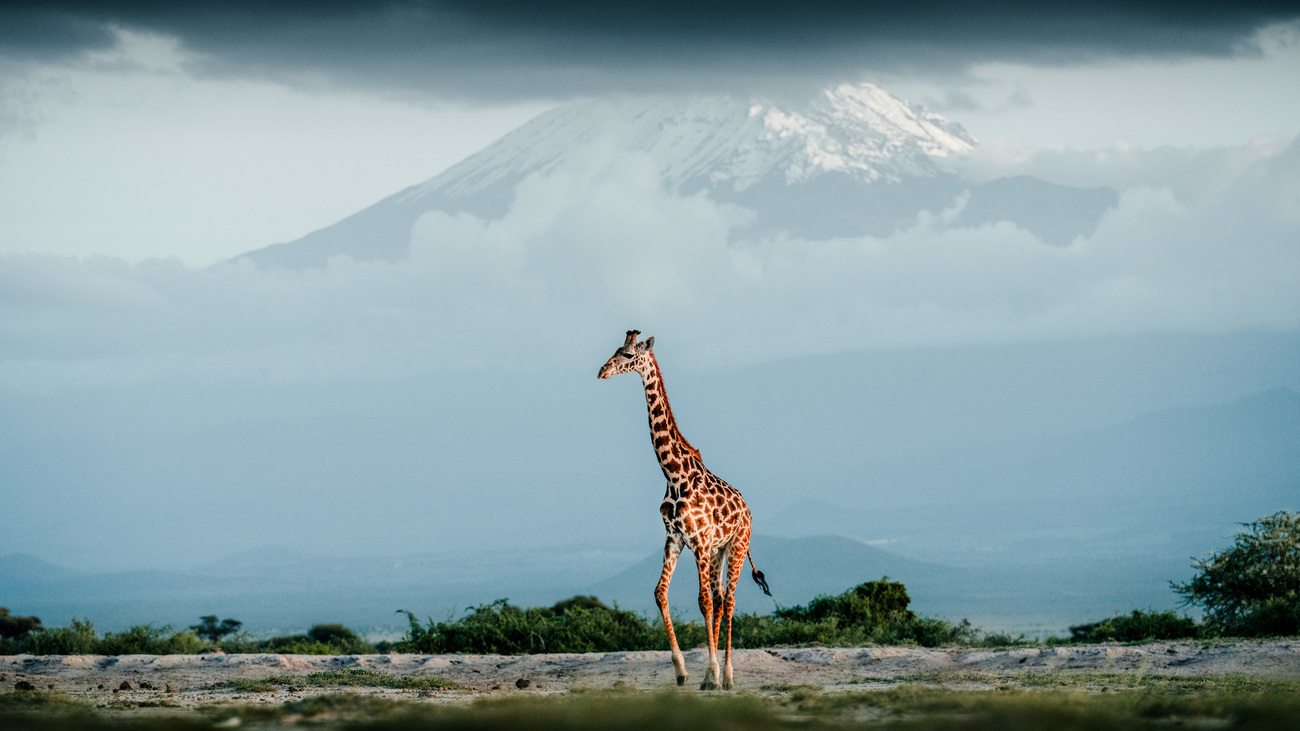
In conservation, our attention naturally turns to moments of crisis, whether a species is disappearing, a habitat is under severe pressure, or an animal urgently needs our help. And, of course, we are compelled to respond. But if crisis is the point at which we begin to act, I would argue that we have waited too long. Thankfully, though, we are not too late.
Conservation cannot dedicate itself exclusively to pulling species back from the brink. It must also be about ensuring fewer species reach that brink in the first place.
Africa’s wildlife faces interconnected pressures, from habitat loss and fragmentation to climate change and the illegal wildlife trade. There are no quick solutions to challenges of this scale.
We have science, experience, and, across Africa, an extraordinary depth of local knowledge and conservation leadership. In fact, many of the scientists I speak with tell me that, in many cases, we already know enough to act. What we need now is greater investment in putting that science into practice. The challenge is turning that deep knowledge into action and sustaining it long enough to see that action through.
Over decades working in conservation, I have learned that progress rarely comes from a single intervention. It is built over time—through relationships with communities and governments, investment in science and people, and a willingness to learn, adapt, and keep going.
That can be immensely difficult in a world that increasingly expects immediate results. Nature does not care about human reporting cycles. Wildlife populations do not recover according to funding periods, nor do ecosystems restore themselves because a three-year strategy has run its course. If we are serious about ensuring long-term conservation, our commitment has to match the timescale of the problem.
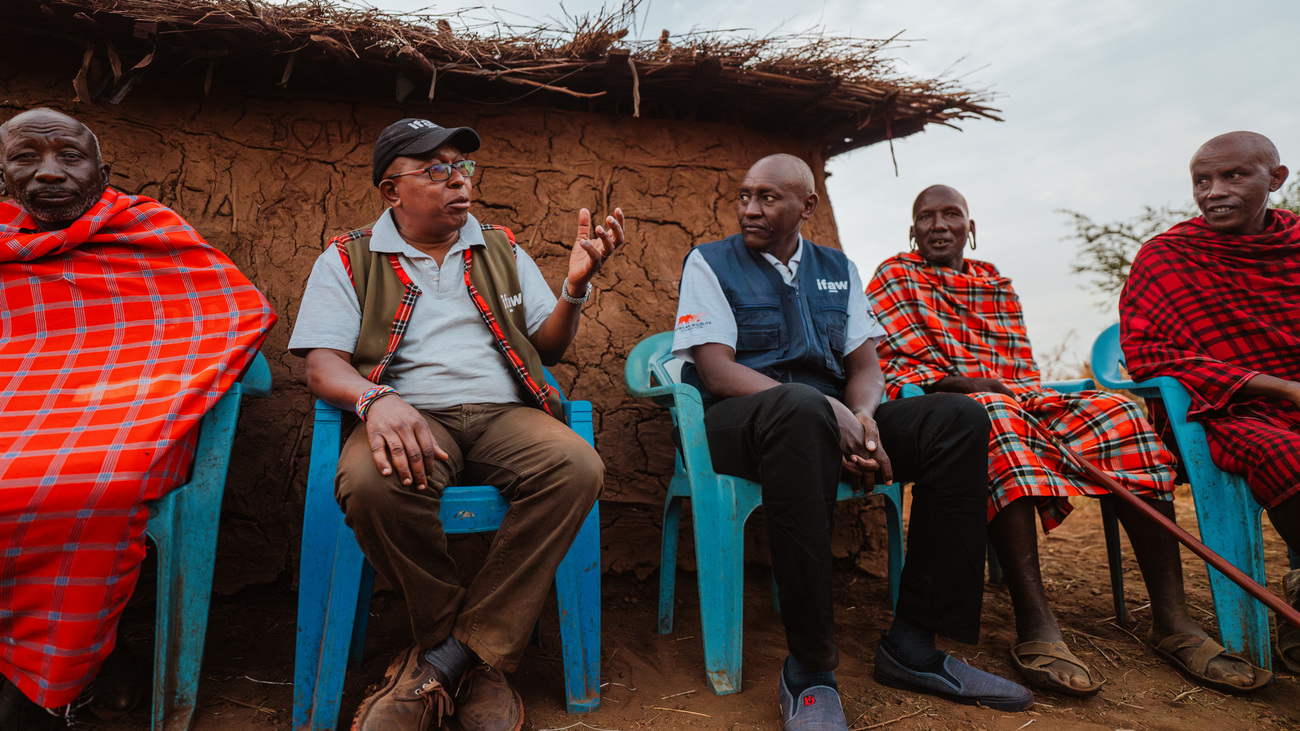
The same must be true of the way we finance conservation.
As a member of the IUCN SSC Philanthropy Council, I joined discussions about how we increase investment in species conservation and new mechanisms through which to finance it. For me, one thing is fundamental. We cannot wait until a species reaches a critical point before deciding it is worth investing in its future. By then, our choices will be fewer, interventions will be harder, and the stakes even higher.
We need investment that allows conservationists to act early—to understand emerging threats, protect and reconnect habitats, strengthen local capacity, and ultimately put solutions in place before the situation becomes critical.
At IFAW, we know the importance of responding to the individual animal in front of us. Rescuing that animal in crisis is fundamental to who we are. But rescue also forces us to ask a bigger question about what happens next. Where will that animal live? Is its habitat secure? What pressures does its population face?
An individual animal does not exist in isolation. Neither does the practice of conservation. If we save an animal today, we need to ensure it has a safe landscape to return to. If it cannot survive tomorrow, we have not finished the job. That is why conservation investment must go far beyond responding to the crisis in front of us. It must also address the conditions creating that crisis in the first place.
This is where conservation asks something different of investors and donors. They understandably want to know: What is the return? What is the impact? How will we know that our interventions worked?
We should be able to answer those questions. Conservation needs measurable outcomes and accountability. But we also need to be honest about what ‘return’ looks like in nature.
A recovering wildlife population may take decades. Restoring and reconnecting a landscape can take generations. And the same timeframe applies to our work, as building trust between people and institutions cannot be compressed into a single funding cycle.
The answer is not to measure less. It is to measure what matters and to recognise that some of the most important returns will take time. Sometimes the person making an investment today may never see its full return. Perhaps that is the point. Perhaps it is for the generations that follow us to reap the harvest.
The return may be a landscape that is still intact 50 years from now, a species that our grandchildren can still encounter in the wild, or a community that can prosper without having to choose between its own future and the future of the wildlife living alongside it. That is not a lack of return. That is a legacy.
And legacy requires trust in the people doing the work, in the science and local knowledge guiding it, and in our collective ability to stay committed long enough to see solutions work.
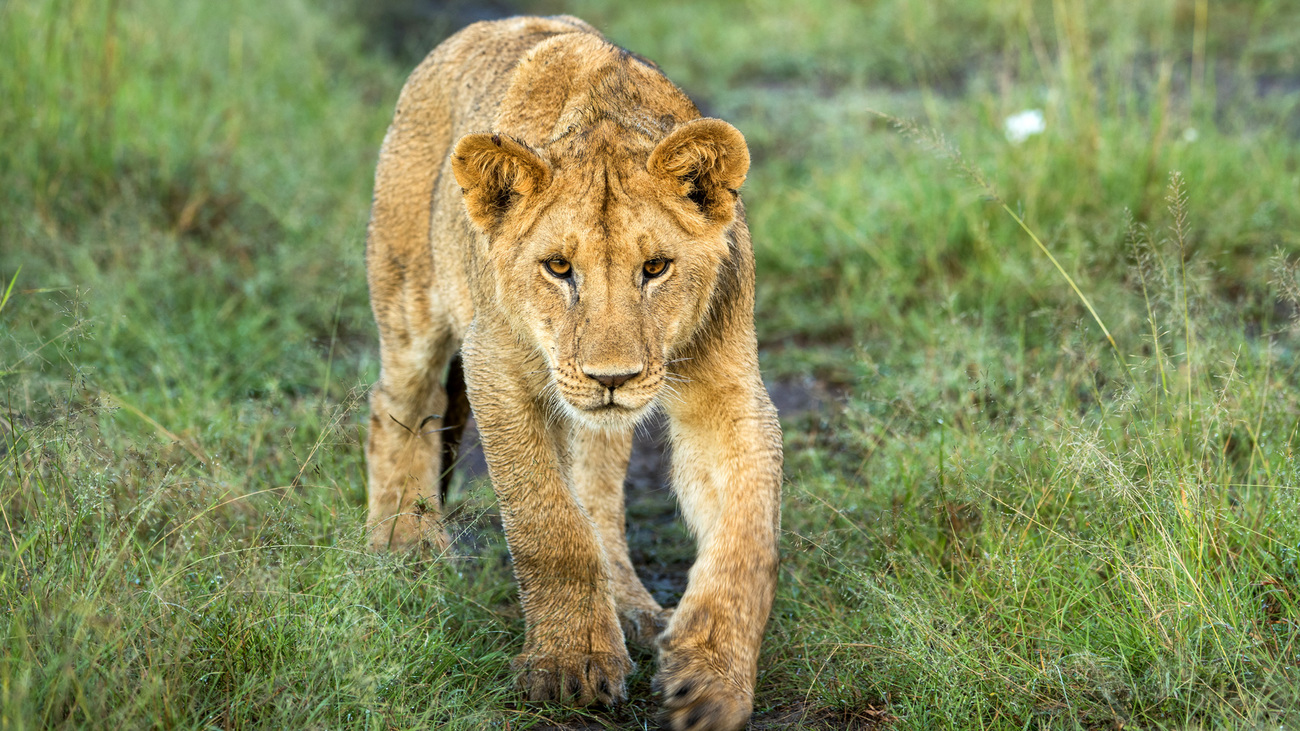
There will always be another emergency demanding our attention, another animal to rescue, another population under pressure, or another habitat at risk. Without a doubt, we must respond to those moments. But we should not measure the success of conservation by how many crises we are able to respond to. We should measure it in part by how many we prevent.
That requires us to act sooner, invest differently, and accept that meaningful change may indeed outlast a funding cycle, a strategy, or even our own involvement in the work.
Ultimately, conservation is not about what we leave behind for ourselves. It is about what we refuse to lose for those who live on after us.
Azzedine Downes
I have never been satisfied with just fighting the good fight. We need to actually make a difference.
Every problem has a solution, every solution needs support.
The problems we face are urgent, complicated, and resistant to change. Real solutions demand creativity, hard work and involvement from people like you.
Unfortunately, the browser you use is outdated and does not allow you to display the site correctly. Please install any of the modern browsers, for example:
Google Chrome Firefox Safari