Press releases
Governments urged to turn wildlife commitments into action at biodiversity COP17
Read moreHow ancient conservation traditions can shape climate action in the Middle East
By Osama Al Nouri, Program Manager, Middle East and North Africa, IFAW
When we talk about wildlife and climate change, much of the conversation understandably focuses on what animals stand to lose. Climate change is altering habitats, shifting the distribution of prey, changing migration routes and timings, and increasing animals’ exposure to fires and extreme weather. For migratory species in particular, these changes can disrupt the interconnected places they depend on to feed, breed, rest, and survive.
At Oman Climate Week in Muscat, I spoke about another side of this relationship that deserves more attention. Wild animals are affected by a changing climate, but they also help shape the ecosystems around them. Birds disperse seeds and transport nutrients, large herbivores shape vegetation, predators influence prey populations, and marine animals move nutrients and carbon through the ocean. These activities can affect the ecological processes that keep ecosystems functioning and influence their ability to respond to climate change.
We are beginning to understand this relationship more clearly, including here in the Middle East.
Research published earlier this year examined how dugongs may influence carbon capture and storage in Bahrain’s seagrass meadows, home to one of the world’s most important dugong populations. The study, led by researchers from the Yale School of the Environment and Nuwat for Environmental Research & Education with support from IFAW and partners, suggests that a healthy population of dugongs could more than double the carbon benefits provided by these seagrass ecosystems.
The research offers an important insight that reaches beyond a single species or habitat. Animals are not simply inhabitants of an ecosystem. They help make it work.
For dugongs, grazing and nutrient recycling influence the growth of seagrass and the movement of carbon through the ecosystem. Other species play different ecological roles, but the broader lesson is the same. Understanding these relationships gives us a fuller picture of what we protect when we conserve wildlife.
Protecting individual animals matters in its own right, but when healthy populations are able to fulfil their ecological roles, the benefits can extend through ecosystems and to the people who depend on them. That raises an important question for conservation in the Middle East. How do we restore systems that can sustain those relationships over generations?
Part of the answer may be found in a tradition that has existed in this region for more than a thousand years.
Hima is a traditional, community-based system of natural resource management with deep roots in the Arabian Peninsula and wider Middle East. For centuries, forms of Hima have been used to manage shared resources such as grazing lands, forests, and water, balancing their use with their continued protection.
Its application has varied across places and periods, but the underlying principle has enduring relevance. The people who depend on a landscape and its natural resources can also play an important role in their stewardship. This does not replace the essential role of governments, environmental policy, or protected areas. Rather, it recognises that lasting conservation also depends on the people who live alongside wildlife and often hold generations of knowledge about those places.
The modern revival of Hima shows how these approaches can complement one another. In Lebanon, the Society for the Protection of Nature in Lebanon has helped adapt Hima as a contemporary community-based conservation model, and the approach has gained formal recognition within the country’s legal framework. Hima principles are also gaining renewed attention elsewhere in the region, including Jordan, Saudi Arabia, Palestine, and Syria, with support from international conservation organisations including IUCN and BirdLife International.
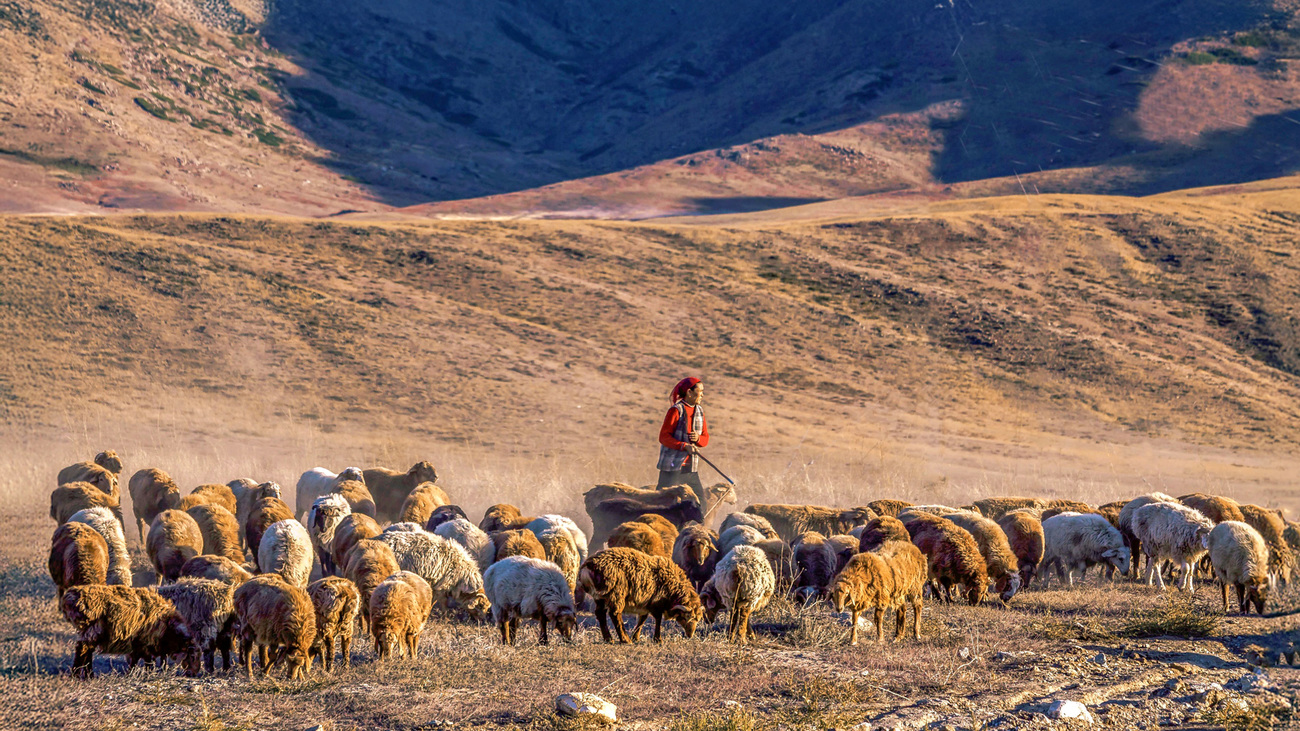
In many ways, this is a revival rather than a new idea. Throughout the Arabian Peninsula, tribal shepherds have historically used time-bound restrictions on grazing to protect communal rangelands and allow them to recover. As communities once again look for ways to prevent overgrazing and conserve scarce desert resources, practices rooted in this tradition have renewed relevance.
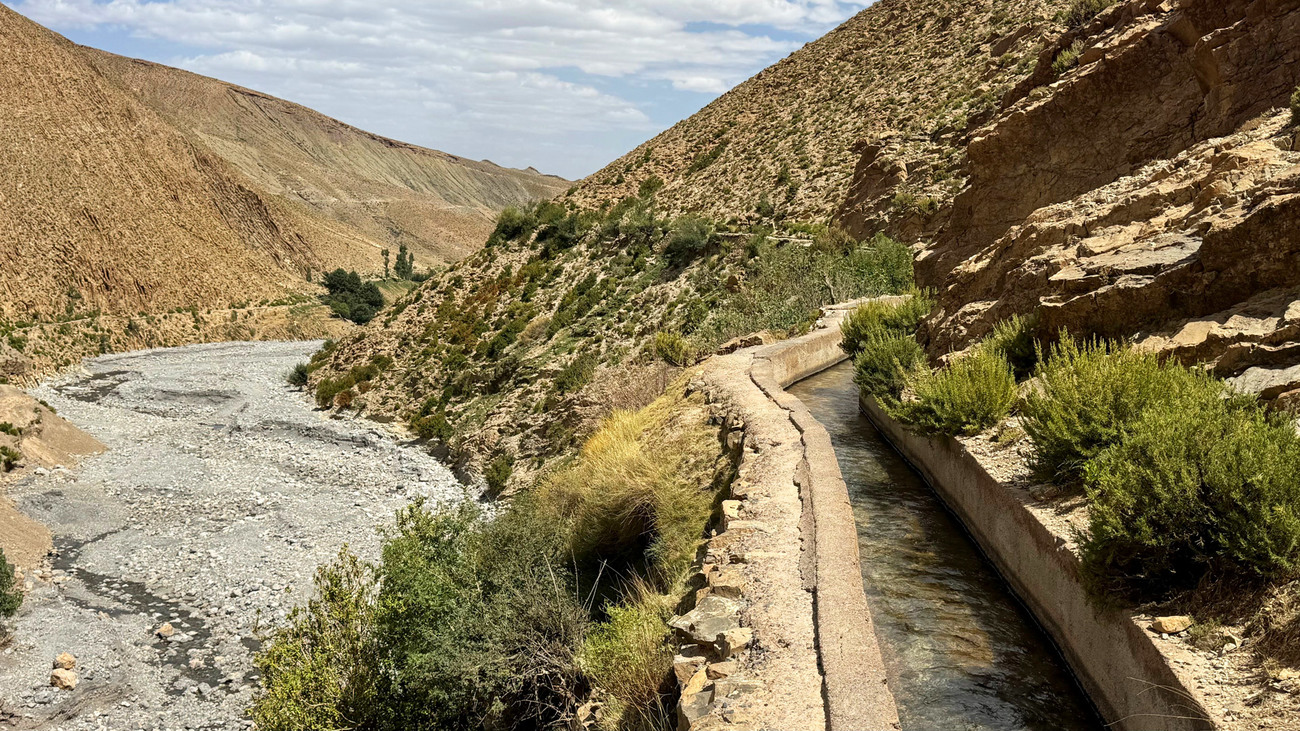
Here in Oman, there is another reminder of the longevity of community stewardship. The ancient Aflaj system of gravity-fed water channels is still used to carry water from natural springs and underground sources to agricultural land and communities. Hima and Aflaj are different systems, but both reflect a long history of communities collectively managing scarce natural resources with the future in mind.
That regional perspective matters because many of the environmental challenges we face do not fit neatly within administrative boundaries. Migratory animals cross borders, while water systems, rangelands, coastlines, and ecological processes connect communities and countries. Climate change adds further pressure to these relationships, affecting when and where animals move and the resources available to both wildlife and people.
Conservation therefore has to work at several levels at once. Governments have an essential role in policy, planning, and protection. Science can help us understand ecological change and identify where action can have the greatest impact. Communities bring knowledge, experience, and the long-term stewardship that can help conservation endure.
There is an important connection between this long tradition of stewardship and the emerging science we discussed at Oman Climate Week. New research is helping us understand relationships that have historically been difficult to quantify, including the influence animals can have on carbon cycling and ecosystem resilience. At the same time, science alone cannot create the conditions for conservation to endure.
Hima reminds us that protecting nature should not mean separating people from it. In many landscapes, successful conservation depends on combining scientific evidence with local knowledge and ensuring communities have a meaningful role in sustaining the wildlife and natural resources around them.
I saw the importance of this first-hand through years of work around Deir Mar Musa al-Habashi and the surrounding rangelands in Syria. Where formal systems can struggle to deliver lasting stewardship, Hima can help restore what I think of as an infrastructure of belonging, rooted in the relationships between people and place. Local knowledge, stories, practices, language, traditions, and identity are not separate from conservation. They can be part of what enables a community to sustain it.
The research from Bahrain and the tradition of Hima approach this challenge from different directions, but they point towards a similar conclusion. Healthy ecosystems depend on relationships among animals, habitats, and people. Protecting individual animals, maintaining healthy wildlife populations, conserving functioning ecosystems, and supporting the people who live alongside them are interconnected parts of building resilience.
As countries across the Middle East consider how to respond to climate change while protecting biodiversity, there is an opportunity to draw on both new science and the region’s own traditions of stewardship. Doing so can help ensure that wildlife is recognised not simply for what it stands to lose from climate change, but for the role animals, healthy ecosystems, and local communities can play in shaping a more resilient future.
While policies are developed and decisions are made, there is also work to do now. Across the Middle East and North Africa, IFAW is working to bring together what belongs together, evidence-based science and communities with the knowledge, agency, and opportunity to shape conservation in the places they call home.
Our work can’t get done without you. Please give what you can to help animals thrive.
Unfortunately, the browser you use is outdated and does not allow you to display the site correctly. Please install any of the modern browsers, for example:
Google Chrome Firefox Safari