Wildlife Rescue
Four elderly lions get a second chance in New Zealand
Four elderly lions get a second chance in New Zealand
August 4, 2026
In late 2025, four elderly lions living in New Zealand faced an uncertain future.
When Kamo Wildlife Sanctuary’s directors announced they would be closing the facility, plans were made to euthanise the remaining lions. Public concern quickly grew, and Helping You Help Animals (HUHA) stepped in with a solution to save their lives. A team of ethical investors purchased the park, and they established the Lionhearts Project Trust to provide for their ongoing care.
Four lions—Themba, Timba, Shikira, and Cleo—are beginning a new chapter. The park is now closed to the public, and a dedicated team is focused on giving these ageing lions the peaceful retirement they deserve.
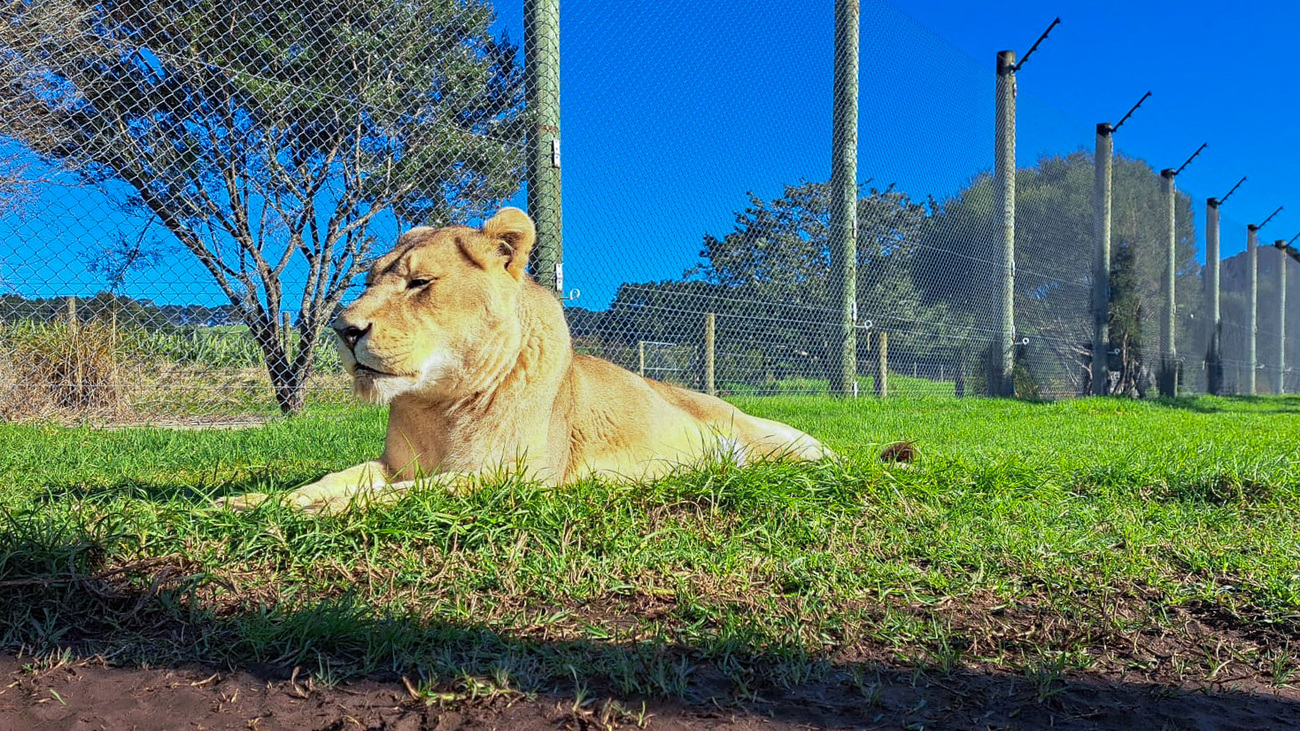
With support from IFAW, Lionhearts Project Trust is providing vital veterinary care to four elderly lions in their twilight years in New Zealand. Photo: © Lionhearts Project Trust
Providing urgent veterinary care
When care of the lions transitioned to the Lionhearts Project Trust, it became clear that some of the animals required immediate veterinary attention.
IFAW stepped in to provide emergency funding to support critical health assessments and treatment. For some, it was the first time they had received veterinary care in several years.
The support enabled veterinarians to address serious health concerns, including the removal of an aggressive tumour beneath Timba's eye and diagnostic imaging to better understand age-related issues affecting his spine.
Now, the goal is to ensure the lions can live out their remaining years in comfort, with the care and dignity every animal deserves.
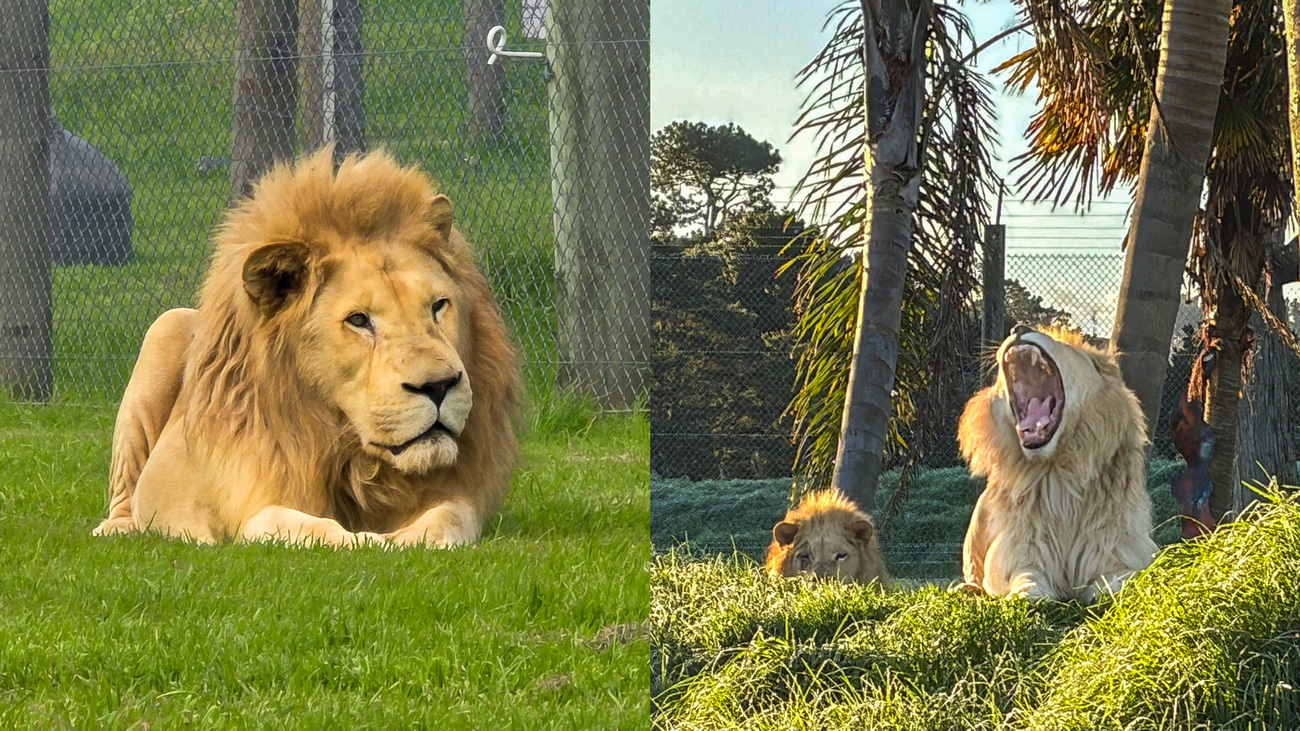
With support from IFAW, Lionhearts Project Trust is providing vital veterinary care to four elderly lions in their twilight years in New Zealand. Photo: © Lionhearts Project Trust
A legacy of exploitation
The story of these lions highlights a much larger issue.
Many of the big cats formerly held at the sanctuary were bred for their rare white colouring, a trait often prized in captive breeding operations. According to those now responsible for the lions' care, many had also been declawed.
This was not conservation. It was exploitation.
White lions are not a separate species or subspecies. Their colouring is the result of a rare genetic trait, and breeding specifically for this appearance prioritises profit over animal welfare.
The lions now living under the care of the Lionhearts Project Trust cannot return to the wild. Like many animals caught up in the exotic wildlife trade, they have spent their lives in captivity and are dependent on human care.
The fact that they cannot live the rest of their lives in their natural habitat—the African savannah—is a tragedy. Lions are classed as a vulnerable species, and their population has declined by about 43% in the past two decades, largely due to human impact. Each individual lion plays a key role in their ecosystem by controlling herbivore populations and preventing overgrazing.
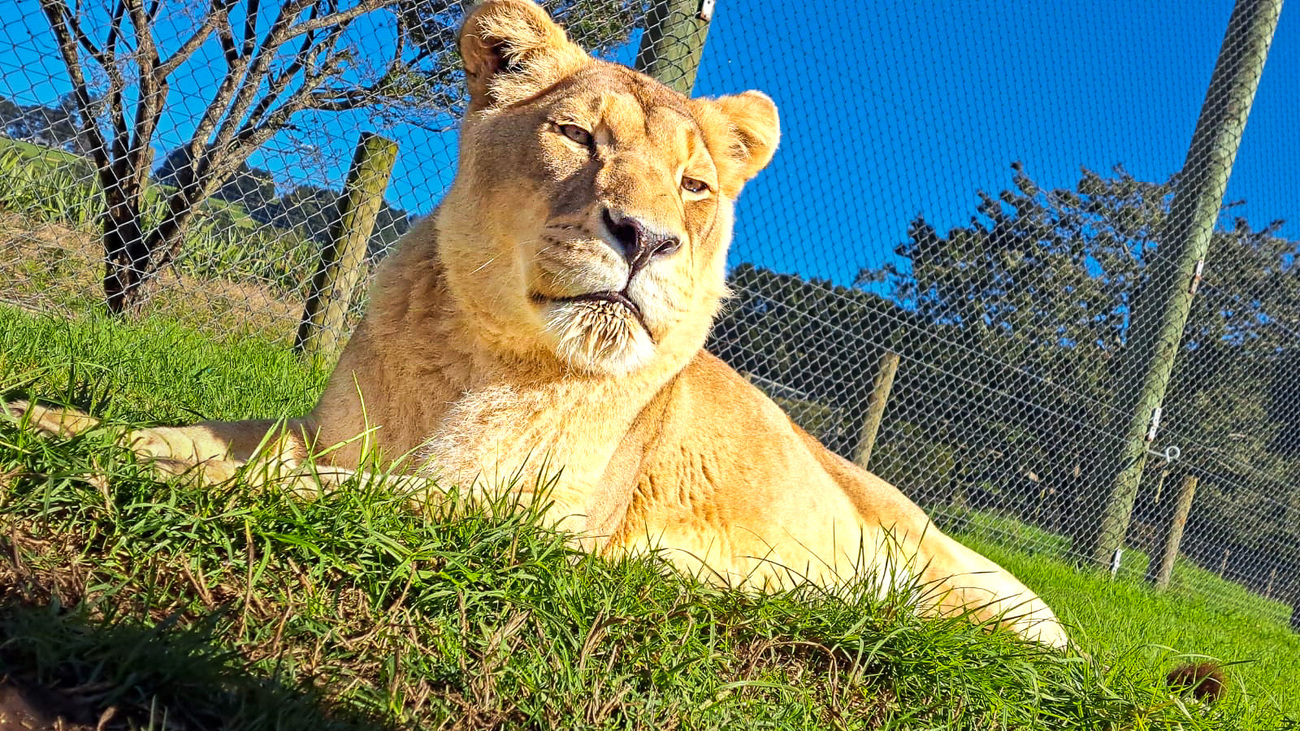
With support from IFAW, Lionhearts Project Trust is providing vital veterinary care to four elderly lions in their twilight years in New Zealand. Photo: © Lionhearts Project Trust
Wild animals belong in the wild
For IFAW, this case is a powerful reminder of the harm caused when wild animals are treated as commodities.
While captive environments may appear safe, they can never fully meet the complex physical, behavioural, and social needs of wild animals.
Wild animals are not pets—forcing them into that role is profoundly cruel.
Looking ahead
Thanks to the dedication of HUHA, the Lionhearts Project Trust, and IFAW, these four lions are now able to enjoy their final years in comfort, something they lacked for much of their lives.
Their story is a stark reminder of what happens when people exploit wildlife for their own gain. It highlights the urgent need for stronger regulations, accountability, and an end to practices that place vulnerable and endangered animals at risk.
Related content
Our work can’t get done without you. Please give what you can to help animals thrive.