In een veranderende wereld blijft onze missie om dieren en mensen te helpen dezelfde
Fris denken en gedurfd handelen voor dier, mens en aarde.
Fris denken en gedurfd handelen voor dier, mens en aarde.
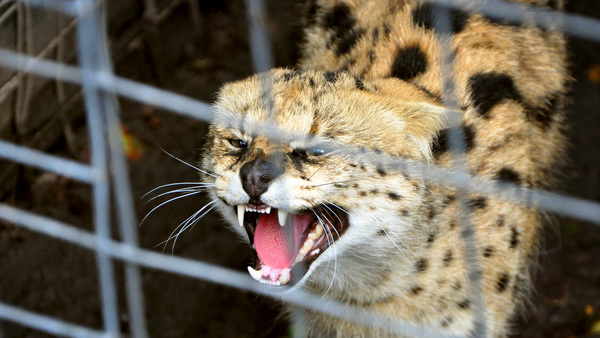
Wildlife <strong>Crime</strong>
Rampenrespons
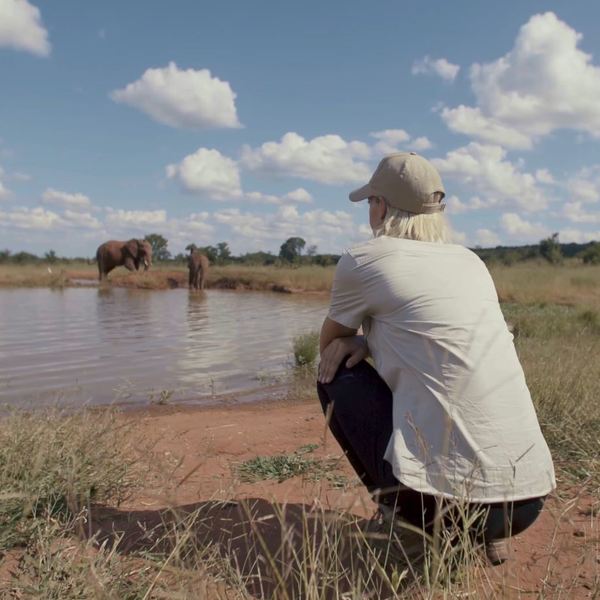
Room to Roam
Redding van <strong>wilde dieren</strong>
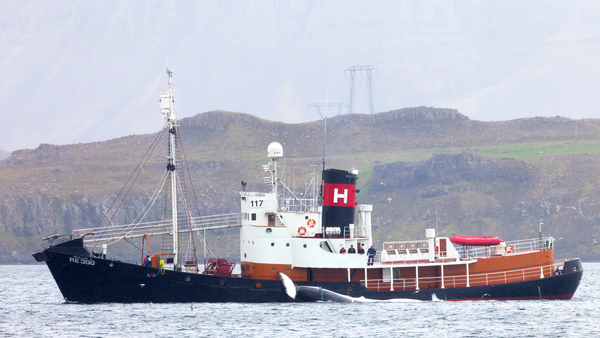
Bescherming <strong>van zeeën</strong>
Bescherming <strong>van zeeën</strong>
Wij zien hoe het is
en dat willen we veranderen
Wij werken aan projecten in meer dan 40 landen en redden individuele dieren, werken lokaal om wreedheid tegen dieren te voorkomen en voeren campagne voor de bescherming van wilde dieren en leefgebieden.
Bekijk ons werkUnfortunately, the browser you use is outdated and does not allow you to display the site correctly. Please install any of the modern browsers, for example:
Google Chrome Firefox Safari