Protections for elephants, whales, tigers, emerge from conservation forum
Friday, June 15, 2007
The Hague, Netherlands
“CITES is a conservation convention designed to protect wildlife from the threat
of trade, not a tool to promote trade,” says Peter Pueschel, Global Head of
IFAW’s Wildlife Trade program. “We are heartened to see so many countries
working together cooperatively to make good conservation
decisions.”
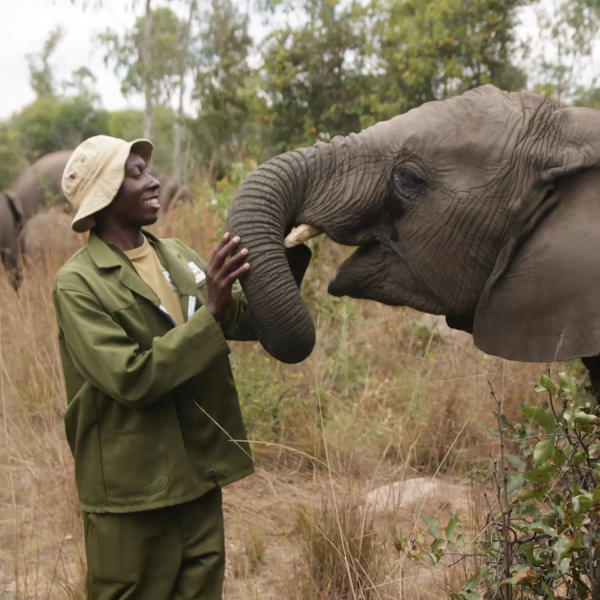
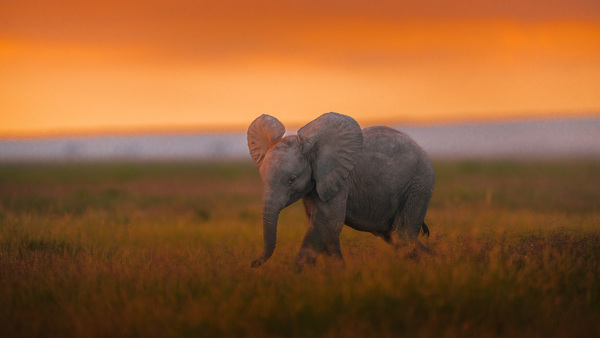
The comprise decision on ivory trade that will now usher in at minimum, a nine-year “resting period” for elephants, highlights this. “This is much bigger than we think in that this is the first time we are seeing a strong, pro-conservation African block,” says Pueschel. “This coalition of pro-conservation African countries is now a force to be reckoned with within CITES,” he added.
The issue of tiger conservation was another dominant topic at the meeting. Key tiger range states, including India, Nepal and Russia, plus a significant majority of non-range state parties, strengthened wild tiger protection by adopting a decision discouraging the captive breeding of tigers for trade in their parts and derivatives.
“The world praised the 1993 tiger trade ban by China, which reduced consumer demand and helped wild tiger populations to recover,” says Grace Gabriel, IFAW’s Asia Regional Director, “The international community strongly urged China not to buckle under commercial pressure from tiger farm operators and their investors, who are breeding tigers for their parts and threatening the world with the loss of wild tigers as a species.”
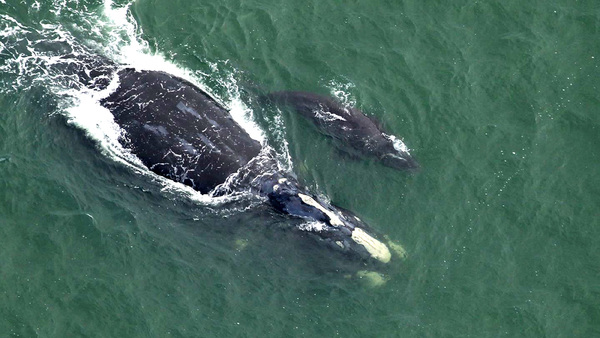
Delegates to CITES also rebuked Japanese and Icelandic attempts to reopen commercial whaling. Since 1994, Japan and Norway have regularly submitted proposals to CITES seeking to weaken protection for the great whales. “The decision and the strong conservation majority at last week's IWC meeting signal an emerging global consensus for whale conservation in the 21st century,” said Patrick Ramage Global head of IFAW’s Whale Protection program.
Parties also agreed to set up a workshop to address illegal trade over the Internet, indicating a higher level of recognition over the need for an increased focus on issues of enforcement, particularly to control the escalating electronic sales of illegal wildlife products. IFAW’s campaigning was key in eBay’s recent announcement to ban all cross-border trade in elephant ivory.
The comprise decision on ivory trade that will now usher in at minimum, a nine-year “resting period” for elephants, highlights this. “This is much bigger than we think in that this is the first time we are seeing a strong, pro-conservation African block,” says Pueschel. “This coalition of pro-conservation African countries is now a force to be reckoned with within CITES,” he added.
The issue of tiger conservation was another dominant topic at the meeting. Key tiger range states, including India, Nepal and Russia, plus a significant majority of non-range state parties, strengthened wild tiger protection by adopting a decision discouraging the captive breeding of tigers for trade in their parts and derivatives.
“The world praised the 1993 tiger trade ban by China, which reduced consumer demand and helped wild tiger populations to recover,” says Grace Gabriel, IFAW’s Asia Regional Director, “The international community strongly urged China not to buckle under commercial pressure from tiger farm operators and their investors, who are breeding tigers for their parts and threatening the world with the loss of wild tigers as a species.”
Delegates to CITES also rebuked Japanese and Icelandic attempts to reopen commercial whaling. Since 1994, Japan and Norway have regularly submitted proposals to CITES seeking to weaken protection for the great whales. “The decision and the strong conservation majority at last week's IWC meeting signal an emerging global consensus for whale conservation in the 21st century,” said Patrick Ramage Global head of IFAW’s Whale Protection program.
Parties also agreed to set up a workshop to address illegal trade over the Internet, indicating a higher level of recognition over the need for an increased focus on issues of enforcement, particularly to control the escalating electronic sales of illegal wildlife products. IFAW’s campaigning was key in eBay’s recent announcement to ban all cross-border trade in elephant ivory.
Post a comment